
Best Toys for 13-15 Month Old Toddlers: Guide for Early Walkers in 2026

The best toys for 13-15 month old toddlers are push-pull walkers (like Wembley Walker at Rs. 1,299), cause-effect toys (Fisher Price Laugh & Learn at Rs. 1,899), and first puzzles (Skillofun at Rs. 399). At this age, your child is building gross motor skills, learning object permanence, and starting to understand cause-and-effect-toys should support all three.
If your 13-month-old has just started walking (or is about to), congratulations-you're entering one of the most exciting phases of parenthood. This is also the phase where toy selection becomes genuinely important. Not because you need a room full of plastic, but because the right toys actually help your child's brain wire itself correctly. The wrong toys? They just sit there collecting dust.
I've watched this phase with both my kids, and I've seen parents in Delhi, Bangalore, and Mumbai make the same mistakes: buying toys that are either too advanced (causing frustration) or too babyish (ignored completely). This guide covers exactly what works for 13-15 month old walkers, what safety features actually matter, and how to choose between Montessori-style toys and traditional branded ones.
What Toys Should a 13-Month-Old Be Playing With?
At 13-15 months, your toddler is not just learning to walk-their brain is rewiring at remarkable speed. They're developing gross motor skills: the large muscle movements needed for walking, climbing, and balance. They're also discovering object permanence: the understanding that things still exist even when they can't see them. And they're beginning cause-and-effect reasoning: pressing a button makes a sound, pulling a toy makes it move.
The best toys for this stage do three things: they encourage movement, they respond to the child's actions, and they're safe for a wobbly walker who falls frequently.
Top Toys for 13-15 Month Old Walkers: Detailed Breakdown
Push-Pull Walkers for Gross Motor Development
Push-pull toys are not luxury items at this age-they're developmental tools. When your 13-month-old pushes a walker toy, they're strengthening their legs, improving balance, and building confidence. The Wembley Walker (Rs. 1,299 on Amazon.in) is the gold standard in India. It has a stable base that won't tip easily, rubber wheels that grip floors without sliding dangerously, and it's lightweight enough for a child to control but heavy enough to provide resistance.
According to IAP (Indian Academy of Pediatrics) developmental guidelines, children aged 12-18 months should be encouraged to walk with support and then independently. Push toys provide exactly that transition support. The Wembley model has the added benefit of wooden construction, which many Indian parents prefer over plastic for durability and safety.
Key safety feature: Look for walkers with a low center of gravity and wide base. Avoid walkers on wheels that glide too freely-these actually slow down proper walking development and increase fall risk.
Cause-Effect Toys for Cognitive Leaps
This is where the Fisher Price Laugh & Learn range (Rs. 1,899 on Amazon.in) shines. These toys have buttons that do things-lights flash, sounds play, songs start. Your 13-month-old will press a button randomly at first, but within weeks, they'll understand the connection: my action made that happen. This is massive brain development.
The Fisher Price range available in India includes options like the Laugh & Learn Smart Watch or the Learning Puppy. All of them operate on the same principle: simple cause-effect loops that a 13-month-old can actually control. The toys are also durable enough to survive being thrown (and they will be thrown).
Why not cheaper alternatives? Brands like some generic electronic toys on Amazon.in do the same thing but have several issues: buttons require too much pressure for small fingers, sounds are tinny and not engaging, and they break after 2-3 months. Fisher Price's toys cost more because they're designed specifically for this age group's hand strength and attention span.
First Puzzles: Object Permanence in Action
Skillofun's wooden puzzles (Rs. 399 on Amazon.in) are perfect for 13-15 months because they combine object permanence learning with fine motor development. Simple two-piece or four-piece puzzles where your child removes a shape and then figures out how to put it back.
At this age, your child is still learning that objects can disappear and reappear. Every time they take a puzzle piece out and put it back, they're reinforcing this neural pathway. Skillofun puzzles are made from non-toxic wood, painted with water-based colors (the brand states this on their Amazon.in listing), and pieces are large enough that there's zero choking risk.
Safety Features That Actually Matter for New Walkers
A 13-month-old falls 10+ times a day on average. This is normal and healthy-they're learning balance. But the toys they play with should minimize unnecessary injury risk.
- No sharp edges or small parts: BIS (Bureau of Indian Standards) sets regulations for toys sold in India; all mainstream brands follow them. But check for yourself-run your finger along edges. If it catches even slightly, it's too sharp for a wobbly walker.
- Stable base for stand-up toys: If your child pulls up on a toy, it should not tip. Test this physically in-store or order from Amazon.in and use their return policy.
- Non-toxic paint and materials: Look for brands that explicitly state "water-based paint" or "BPA-free plastic" on the product listing. Wembley and Skillofun both disclose this.
- No wheels that slide on smooth floors: Walkers that glide too smoothly actually increase fall risk because the child loses control. Slightly grabby wheels are safer.
Montessori vs. Traditional Toys: Which is Better?
This question comes up in every parenting WhatsApp group in Mumbai, Pune, and Bangalore. The honest answer: both work for 13-15 month olds.
| Aspect | Montessori Toys (e.g., Skillofun) | Traditional Toys (e.g., Fisher Price) |
|---|---|---|
| Primary goal | Child-directed, open-ended exploration | Structured learning with feedback |
| Stimulation level | Low (wooden, natural colors) | High (sounds, lights, music) |
| Cost | Rs. 300-800 | Rs. 1,500-3,000 |
| Longevity (ages 13-36 months) | Very high-grows with child | Good-limited to 6-12 months interest |
| Development focus | Fine motor, concentration, creativity | Gross motor, cause-effect, language |
The real insight: you don't have to choose. A balanced play space for a 13-month-old includes both. One Montessori puzzle for quiet, focused time. One Fisher Price toy for active, stimulating play. One push-walker for gross motor development.
What Paediatricians Say
Expert Guidance
IAP recommends toys that encourage independent exploration at this stage-children should be able to engage with toys without constant adult direction. Push-pull toys build confidence in walking; puzzles develop problem-solving; cause-effect toys teach agency (the idea that they can make things happen). The combination of all three is ideal for 13-15 month development.
Practical Toy Selection Checklist for 13-Month-Olds
- ✓ At least one push-pull toy for gross motor practice
- ✓ At least one cause-effect toy (electronic or mechanical) for cognitive development
- ✓ At least two simple puzzles for object permanence learning
- ✓ All toys tested for sharp edges, small parts, and stability
- ✓ Toys stored in a low, accessible shelf (child should be able to choose independently)
- ✓ At least one toy they can play with independently for 10+ minutes
The Wembley Walker, Fisher Price Laugh & Learn, and Skillofun puzzles form a complete play set for 13-15 months, costing roughly Rs. 3,600 total. That sounds like a lot until you realize these toys work for 18-24 months too, bringing the true cost-per-month down significantly.
Start with what you can afford. Every parent in Lucknow, Chennai, and Jaipur is juggling budgets. One good push-walker beats five cheap toys that break in a month. And remember-at this age, your child wants to play with you more than with toys. The toys are just the stage. You're the main act.
Our Top Picks
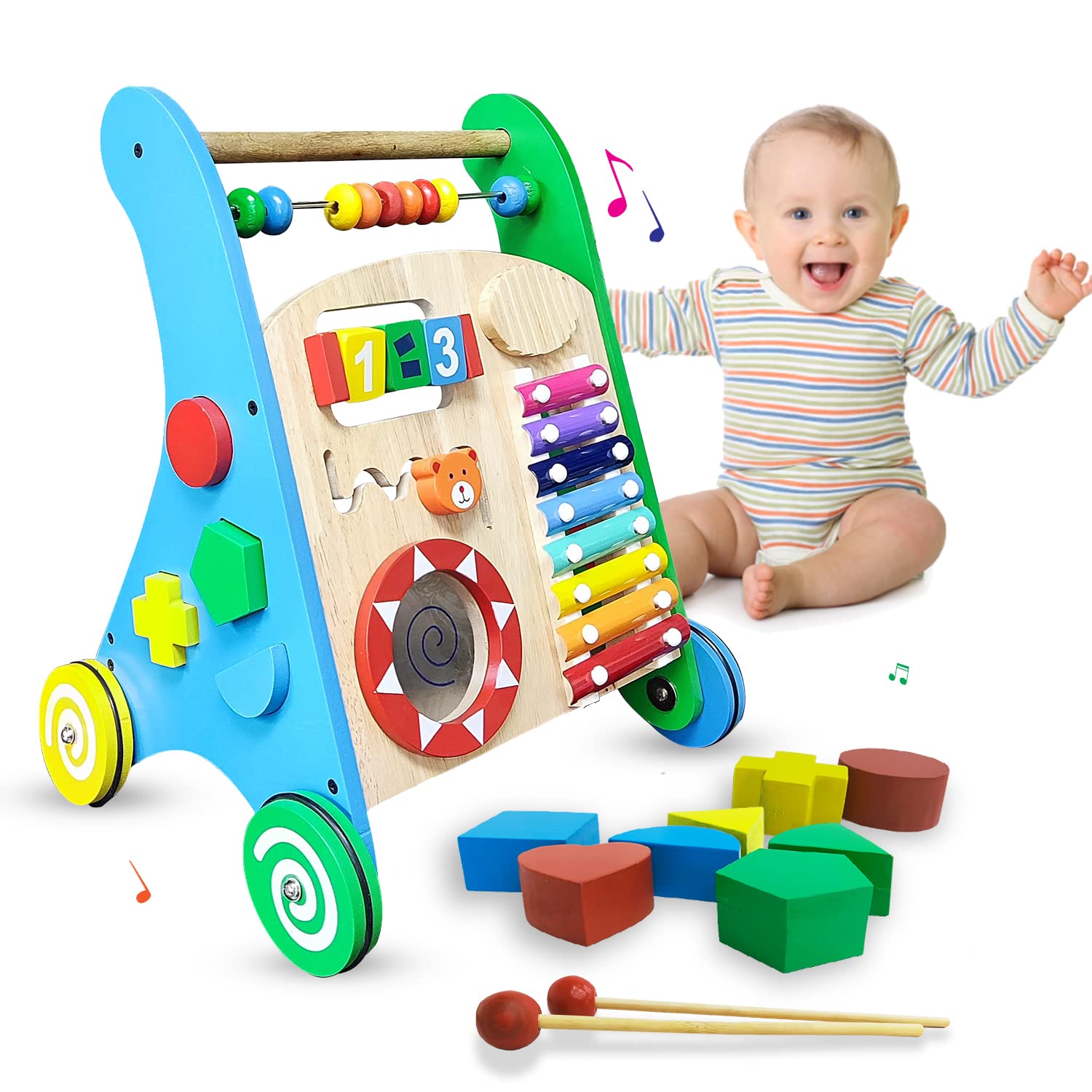
Wembley Walker Wooden Push Toy
- ✓ Solid wood construction
- ✓ Wide stable base, non-slip wheels
- ✓ Suitable for 12-18 months
* We earn a small commission — at no extra cost to you.
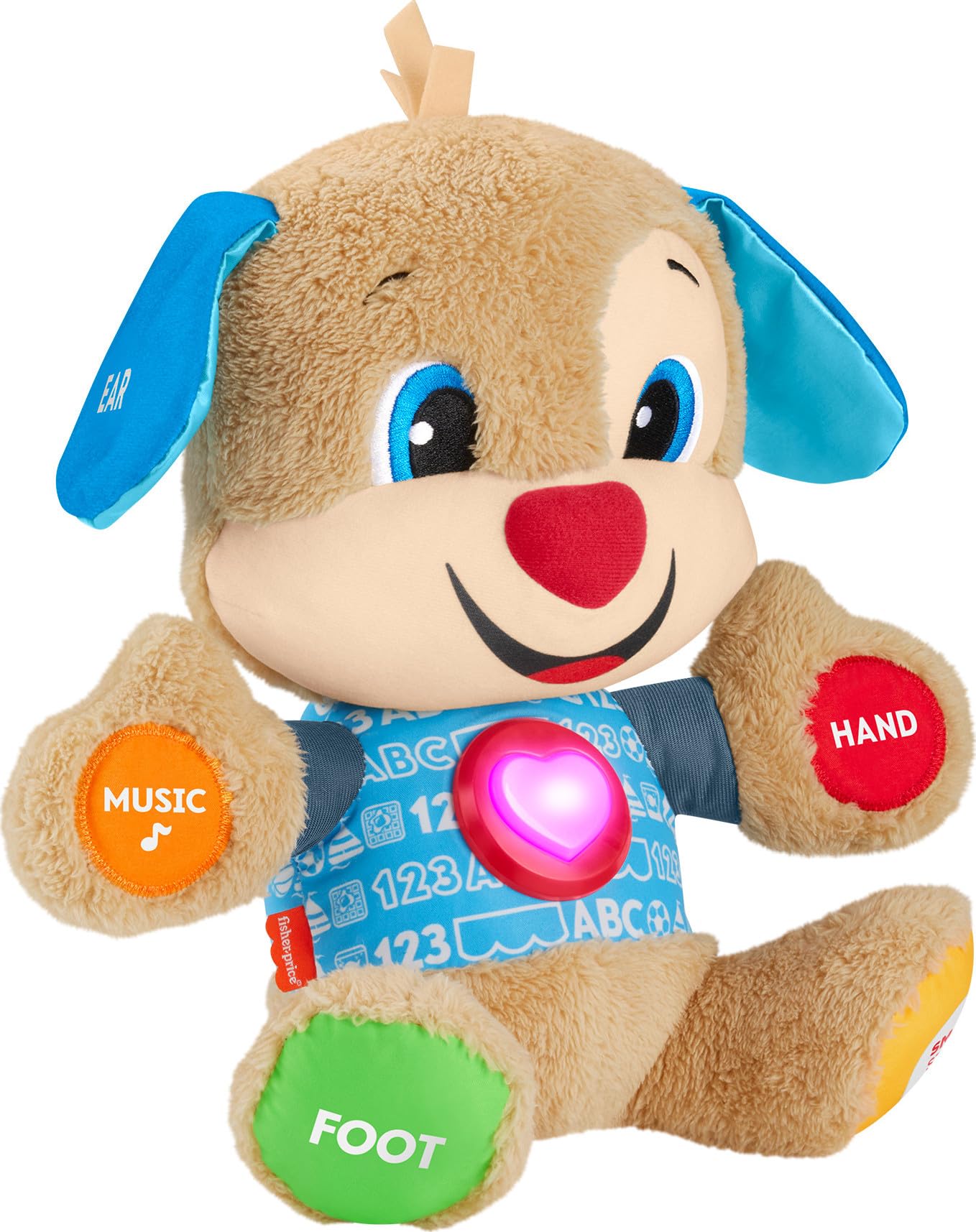
Fisher Price Laugh & Learn Smart Watch
- ✓ Interactive buttons with sounds and music
- ✓ Teaches cause-and-effect learning
- ✓ Wearable design for 12+ months
* We earn a small commission — at no extra cost to you.
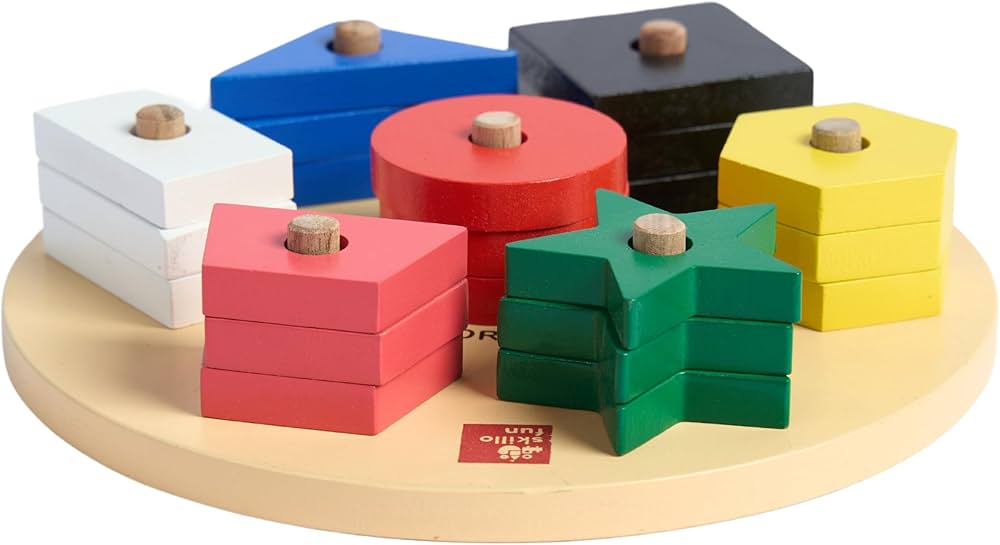
Skillofun Wooden Shape Sorter Puzzle
- ✓ Non-toxic water-based paint
- ✓ 2-4 piece removable shapes
- ✓ Develops object permanence understanding
* We earn a small commission — at no extra cost to you.