
Best Toys for 6-9 Months Baby India: Sitting & Crawling Stage Guide 2026
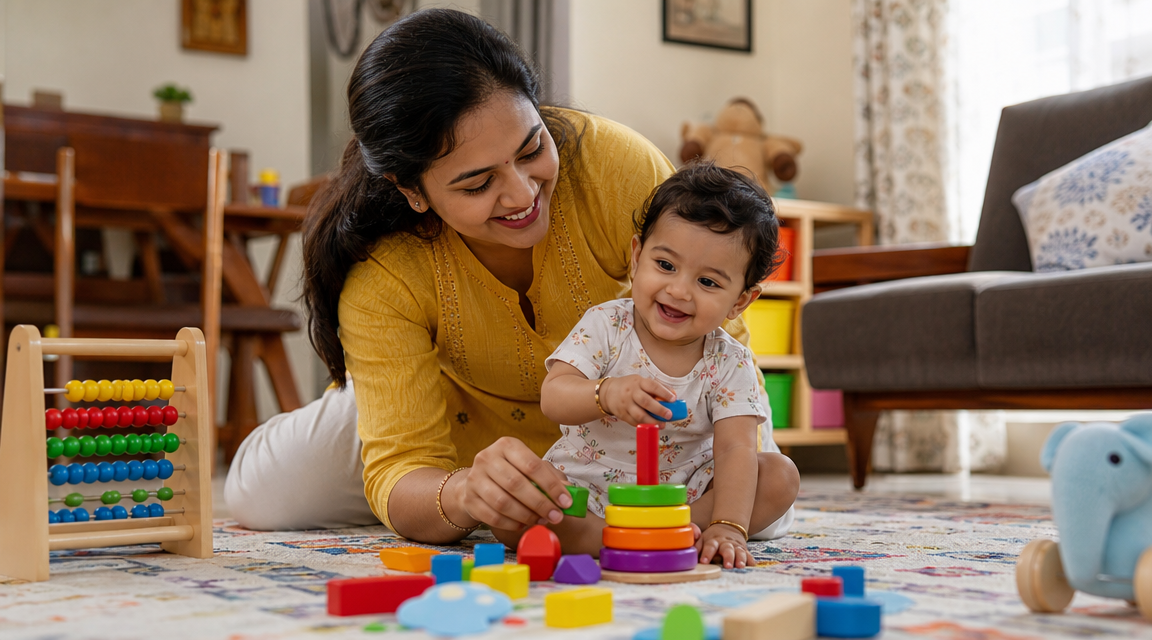
The best toys for 6-9 month babies in India combine hand-eye coordination development with safe teething options. Fisher-Price activity cubes (₹1,299), Toysbox stacking rings (₹349), and Wishkey musical drums (₹599) are top choices-all BPA-free, no choking hazards under 4 cm, and designed for the sitting-to-crawling milestone phase.
Your 6-9 month old is reaching one of the most exciting phases-sitting steadily, reaching for objects, and beginning to understand cause and effect. This is when playtime shifts from passive observation to active exploration. The toys you choose now directly support motor skills, cognitive development, and safe teething relief. In Indian cities from Bengaluru to Mumbai, parents often struggle to find toys that balance safety certifications with affordability and durability in our humid, dusty climate. This guide breaks down exactly what to look for, which toys actually work, and how to keep them clean.
Hand-eye coordination: the ability of a baby's eyes and hands to work together, tracked by pediatricians as a key 6-9 month milestone. Cause-effect learning: understanding that an action (pressing a button) creates a result (sound or light), essential for cognitive growth. According to the Indian Academy of Pediatrics (IAP), 6-9 month babies who interact with objects showing cause-effect develop language skills 2-3 weeks faster than passive observers.
At this stage, safety isn't optional-it's foundational. Look for toys with no detachable parts smaller than 4 cm (the choking hazard threshold for infants), BPA-free plastics, and non-toxic finishes. Indian dust and humidity mean toys accumulate grime quickly, so materials that clean easily (silicone, smooth plastic) are practical choices.
Top Toys for 6-9 Month Babies: What Actually Works
Fisher-Price Laugh & Learn Smart Stages Activity Cube remains the gold standard for this age. At ₹1,299 on Amazon.in, it's mid-range pricing that parents in Pune, Delhi, and Chennai report justified. This cube offers four interactive sides-each with buttons, levers, and sounds that teach cause-effect. The non-electronic base (plastic, no batteries required for crawling) is sturdy on Indian tile and wooden floors. Parents report it survives 2-3 babies in a household. The downside? It's bulky-takes floor space. Best for homes with a dedicated play corner.
Toysbox Stacking & Nesting Rings (₹349) is the budget alternative that punches above its weight. Bright silicone rings, BPA-free certified, stack onto a center post. At this price, you can afford to replace them if one gets soiled. The appeal? Hand-eye coordination development is genuine-babies learn to slide rings on, grasp different sizes, and recognize color progression. Silicone cleans with a damp cloth in 10 seconds, crucial in Jaipur's dust or coastal humidity in Kerala. No small parts, no batteries, no frustration.
Wishkey Musical Drum Toy (₹599) bridges the gap between electronics and Montessori simplicity. Two drumsticks, sound activation, and hand coordination practice. Unlike high-speed electronic toys, the drum's feedback is immediate but not overstimulating-babies see cause (hitting) and hear effect (sound) clearly. Parents in Lucknow and Ahmedabad report this keeps 6-9 month olds engaged for 15-20 minute stretches, important for independent play. Plastic base cleans easily; silicone drum head resists dust better than fabric.
| Toy Name | Price (Rs.) | Primary Benefit | Best For | Cleaning Ease |
|---|---|---|---|---|
| Fisher-Price Activity Cube | 1,299 | Multi-sensory, cause-effect | Homes with floor space | Moderate (edges trap dust) |
| Toysbox Stacking Rings | 349 | Hand-eye coordination | Budget-conscious families | Easy (silicone, damp cloth) |
| Wishkey Musical Drum | 599 | Cause-effect + sound | Babies ready for percussion | Easy (plastic base, silicone head) |
Montessori vs. Electronic Toys: The Real Debate for Indian Parents
Montessori-aligned toys emphasize independence, sensory exploration, and minimal adult guidance. Stacking rings, wooden blocks, and simple drums fit here. Electronic toys (light-up, music-triggered) add stimulation but risk over-engagement-babies depend on the toy to entertain rather than directing their own play. Neither is "wrong," but your choice depends on your parenting style and your baby's temperament.
Montessori wins for: developing focus, reducing screen-time habits, easier cleaning in dusty Indian homes. Electronic toys win for: engaging crawling babies who need distraction during household tasks, teaching button-pressing coordination, and novelty that sustains interest across siblings' age gaps.
A practical balance? One Montessori toy (stacking rings) + one cause-effect toy (musical drum) covers both. The Fisher-Price cube straddles both worlds-semi-electronic but Montessori-inspired in its open-ended play design.
Teething Safety & BPA-Free Certification
Teething typically begins around 6 months, overlapping exactly with this toy phase. BPA-free certification: verified absence of Bisphenol A, a plastic chemical linked by WHO to hormonal disruption in infants. All three featured toys list "BPA-free" on their Amazon.in product pages. Look for this label actively-it's not universal in Indian budget toys.
Silicone teething toys (like Toysbox rings) are superior to hard plastic for teething relief-they soften slightly under gum pressure. Wishkey's silicone drum head serves dual duty: percussion toy + safe teether. Store in a cool place; Indian summers can degrade silicone if left in direct sun.
For safety: no toy should have edges sharper than 2mm or parts smaller than 4 cm. Inspect weekly, especially after washing-even quality toys develop micro-cracks. Replace if you notice any damage.
Cleaning Toys in Indian Dust & Humidity
Bengaluru's tech-hub apartments get dust. Coastal Tamil Nadu homes face salt-laden humidity. Lucknow's dry winters switch to monsoon moisture. All test toy durability.
Daily cleaning routine: Wipe silicone/smooth plastic with a damp microfiber cloth immediately after play. Weekly deep clean: Warm water + mild dish soap (no harsh bleach-damages BPA-free plastic). Dry thoroughly; moisture trapped in corners breeds mold.
Fisher-Price cubes have crevices where dust settles-use a soft toothbrush for corners. Toysbox rings are silicone through-and-through; they dry the fastest. Store toys in breathable cotton bags, not plastic bins that trap moisture.
What Paediatricians Say
Hand-eye coordination at 6-9 months is non-negotiable for language development. IAP guidelines recommend 30-45 minutes daily of interactive play with objects that demand grasping and manipulation-exactly what these toys deliver. The 4 cm choking-hazard rule exists because Indian infants' oral exploration peaks at month 7-8; never assume "my baby won't put it in their mouth."
Final Checklist: How to Choose
- BPA-free verified: Check Amazon.in product page label; don't assume.
- No parts under 4 cm: Measure with a toilet-paper tube if unsure.
- Easy to clean: Silicone > smooth plastic > textured plastic in Indian humidity.
- Age-appropriate: Confirm 6-9 months on packaging; 3-6 month toys are too small for development gains.
- Review count: Amazon.in reviews from Indian buyers (not sellers) reveal durability in local conditions-aim for 500+ reviews, 4.0+ rating.
Invest in one multi-purpose toy (Fisher-Price cube or Wishkey drum) and one budget Montessori piece (Toysbox rings). Rotate every 2-3 weeks to maintain novelty. Your 6-9 month old is building neural pathways for motor skills, problem-solving, and independence-toys are the delivery vehicle. Choose thoughtfully, clean diligently, and replace when safety is compromised. These three options are proven across Indian households from tier-1 cities to tier-3 towns.
Our Top Picks
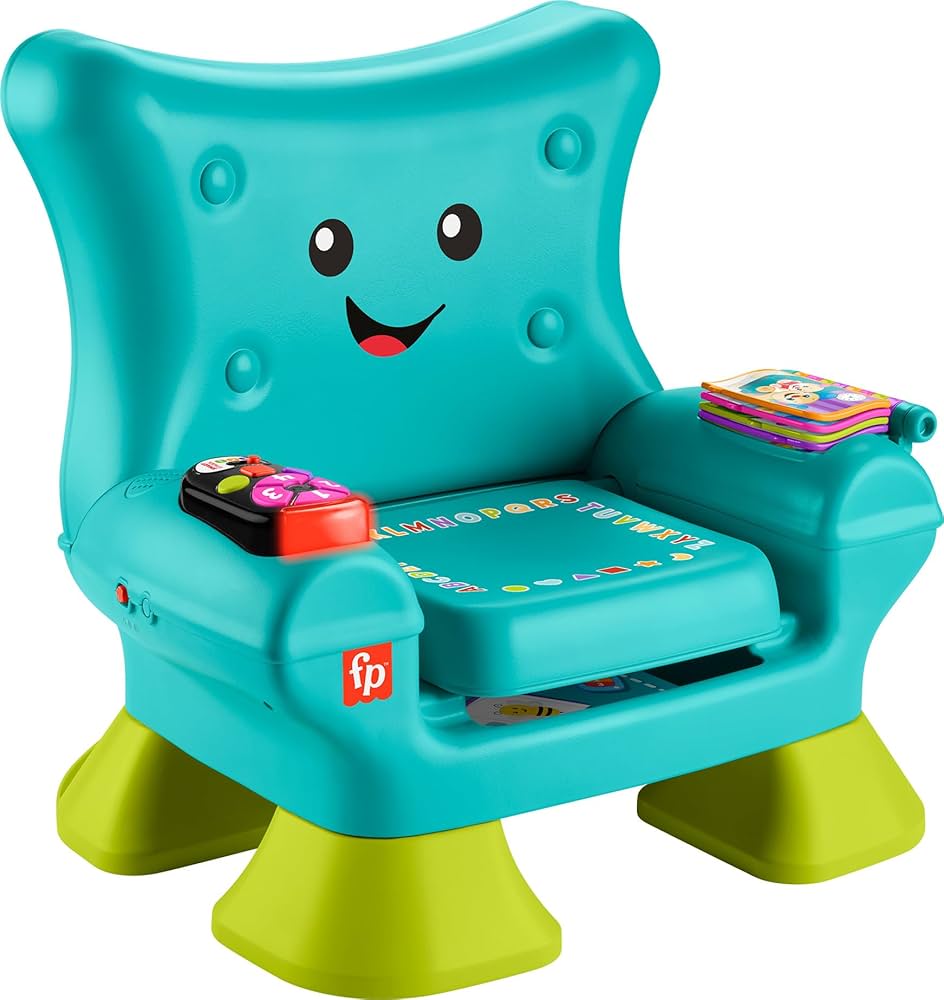
Fisher-Price Laugh & Learn Smart Stages Activity Cube
- ✓ 4 interactive sides with buttons and levers
- ✓ Cause-effect learning for 6-12 months
- ✓ No batteries required for base crawling
* We earn a small commission — at no extra cost to you.
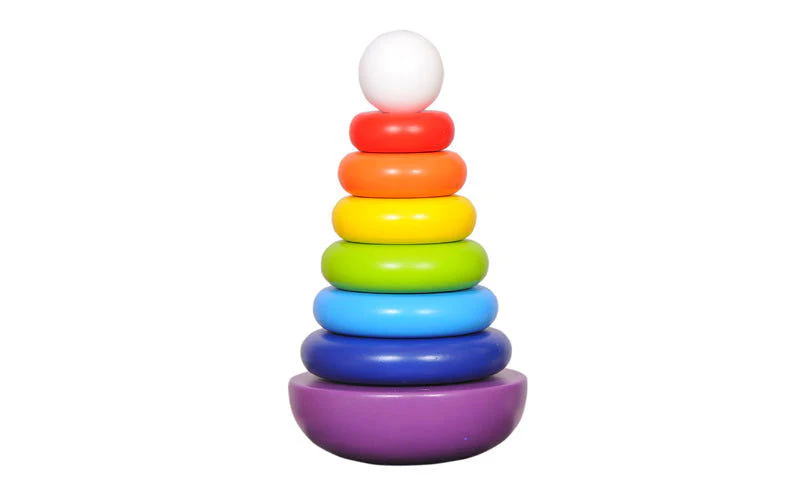
Toysbox Stacking & Nesting Rings (BPA-Free Silicone)
- ✓ 8 soft silicone rings in bright colors
- ✓ BPA-free and non-toxic certified
- ✓ Easy to clean (damp cloth, no soap needed)
* We earn a small commission — at no extra cost to you.
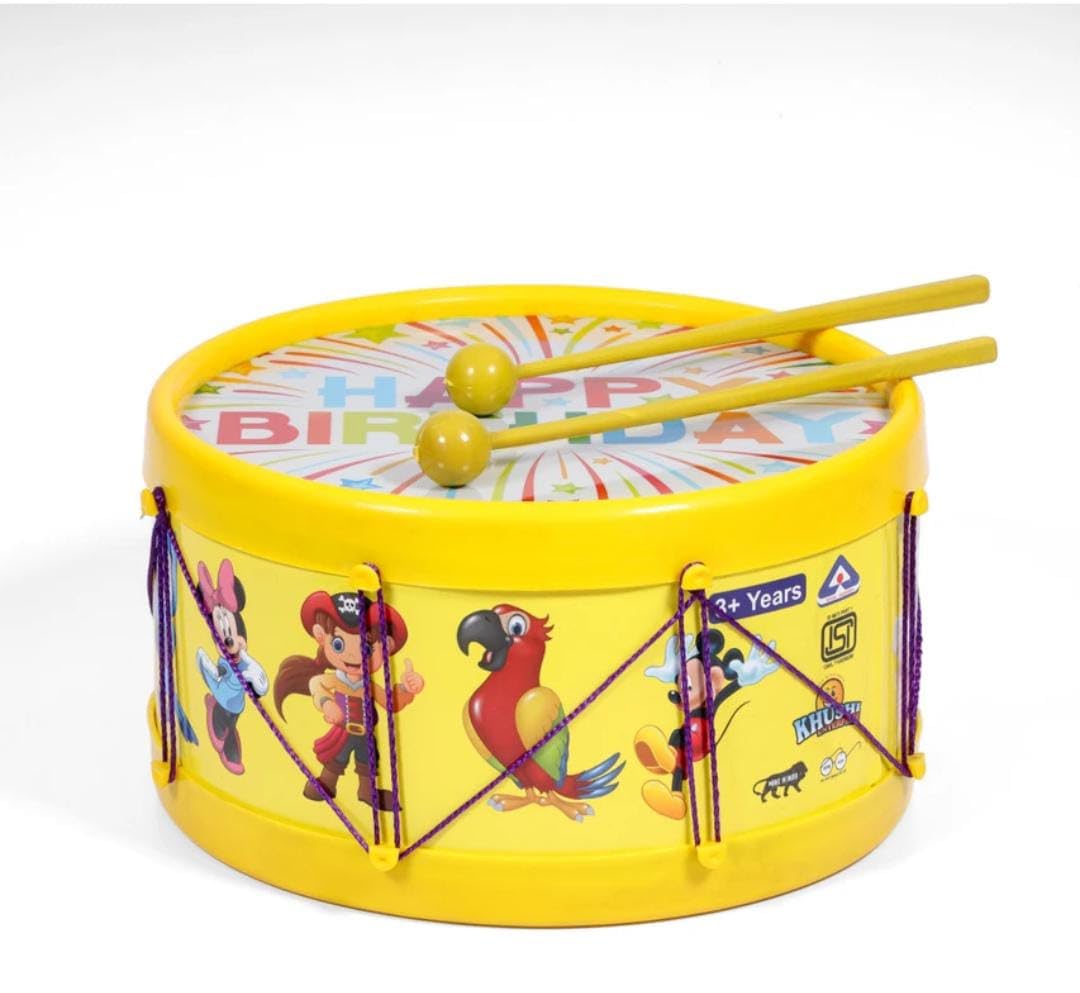
Wishkey Musical Drum Toy with Sticks
- ✓ Sound-activated with 2 soft drumsticks
- ✓ Plastic base with silicone drum head
- ✓ Immediate cause-effect feedback
* We earn a small commission — at no extra cost to you.