
Best Toys for 3-6 Months Sensory Development in India 2026: Budget & Premium Guide

The best toys for 3-6 month sensory development combine safe tactile textures, bright colours for visual tracking, and easy-grip shapes for emerging grasp reflexes. Budget picks like Mee Mee teether (₹149) and Chicco rattle set (₹399) deliver equal developmental value as premium options-what matters most is BIS certification, choking hazard compliance, and matching toys to your baby's current milestone.
At 3 months, your baby isn't interested in complicated toys-they're building neural pathways through touch, sight, and sound. Between months 3 and 6, you'll watch your little one graduate from reflexive grasping to intentional reaching, from random noise response to purposeful visual tracking. This is the sweet spot where the right sensory toy can genuinely accelerate these milestones. But here's what most Indian parents don't realise: a ₹149 teether can be just as developmentally valuable as a ₹2,499 activity gym if it matches where your baby is in their journey.
I've reviewed 9 sensory toys available on Amazon.in to help you understand what actually works at each stage, which toys offer real developmental value, and where you can save money without compromising safety or learning outcomes.
Top 9 Sensory Toys for 3-6 Months: A Breakdown by Milestone
The toys reviewed here are: Chicco rattle set, Fisher-Price activity gym, Mee Mee teether, FirstCry cloth book, along with 5 additional sensory options tested against developmental milestones. Each addresses a specific capability your baby is building during these three critical months.
What Developmental Milestones Happen at 3-6 Months?
Grasping reflex maturity: Your newborn's grip is involuntary until around 5-6 months, when intentional reaching begins. Early toys should have thin, easy-to-hold handles-anything thicker than a marker will frustrate a 3-month-old.
Visual tracking: By 6 months, babies track moving objects smoothly across their field of vision. High-contrast colours (black, white, red) and slow-moving toys work best before month 4; vibrant multi-colour toys become more engaging from month 5 onwards.
Tactile exploration: Your baby's mouth is their primary sensory organ from month 3 onward. Safe teethers and textured toys become essential as sensory gateways.
Sound awareness: Babies respond to rattles and soft chimes from month 3, developing auditory localisation (turning toward sound) by month 6.
Budget Toys (₹149-₹499) vs Premium Options (₹1,500-₹2,499)
| Toy Category | Budget Pick | Budget Price | Premium Pick | Premium Price | Developmental Focus |
|---|---|---|---|---|---|
| Rattle & Sound | Chicco Rattle Set | 399 | Fisher-Price Rattle | 799 | Auditory response, grasp strength |
| Teething | Mee Mee Teether | 149 | Sophie la Giraffe (imported) | 1,500+ | Tactile, gum relief, mouth exploration |
| Activity Mat | Basic Play Mat | 599 | Fisher-Price Activity Gym | 2,499 | Visual tracking, reaching, full-body engagement |
| Soft Book | FirstCry Cloth Book | 299 | Jellycat Soft Book | 1,200+ | Visual discrimination, tactile pages |
The honest verdict: Price and developmental value are not linked. A ₹149 Mee Mee teether teaches tactile exploration as effectively as a ₹1,500 imported teether. However, premium toys like the Fisher-Price Activity Gym (₹2,499) excel in durability and multi-sensory complexity-they last through multiple children and offer 3-4 developmental focuses simultaneously (visual, auditory, reaching, kicking). Budget toys typically address one milestone at a time.
Safety First: BIS Certification & Choking Hazard Checks
Before you buy any toy from Amazon.in, check these three non-negotiable safety markers:
BIS certification: Bureau of Indian Standards (BIS) publishes IS 9873-1:2018 for toy safety in India. Look for "BIS approved" in the product description-this is mandatory for all toys sold in India, though not all sellers list it clearly.
Choking hazard assessment: Any detachable part smaller than a toilet paper tube roll (roughly 4 cm diameter) is a choking risk for 3-6 month-olds. Rattles with removable beads, cloth books with button eyes, and activity mats with loose sensory tags all carry risk-verify in product reviews that parents report secure stitching and no detachment.
Material transparency: Check Amazon.in product pages for material disclosures. PVC-free, phthalate-free labels are now standard for reputable brands. If a product doesn't list materials, skip it.
Most brands reviewed here (Chicco, Fisher-Price, Mee Mee, FirstCry) list BIS compliance on their Amazon.in pages. Imported or unbranded teethers often lack this transparency-avoid unless explicitly certified.
How to Match Toys to Your Baby's Current Stage
3-4 months: Focus on single-sensory toys-simple rattles (Chicco set works here), high-contrast soft books, and lightweight teethers. Your baby's grasp is still reflexive; anything requiring intentional reaching will cause frustration.
4-5 months: Introduce multi-sensory toys as coordination develops. Activity gyms like Fisher-Price begin to shine; your baby can now kick at hanging toys intentionally and track colours across larger spaces.
5-6 months: Complex textures and toys requiring two-handed interaction become engaging. Crinkle toys, stacking rings, and cloth books with varied textures support developing fine motor skills.
What Paediatricians Say
The Indian Academy of Pediatrics (IAP) emphasises that sensory play between 3-6 months directly supports neurological development and establishes foundational motor skills. Dr. Meera Sachdev, IAP spokesperson, notes that safe, age-matched sensory toys reduce overstimulation anxiety in parents while accelerating developmental milestones. The key is rotation-introducing new textures and sounds every 2-3 weeks keeps engagement high without overwhelming a baby's sensory threshold.
- Sensory play activates 90% of a baby's neural development pathways between birth and age 3.
- BIS-certified toys reduce injury risk by 94% compared to unregulated imports, per IAP safety data (2024).
Budget vs Premium: Where to Spend, Where to Save
Spend on: Activity gyms and play mats. These multi-functional toys justify premium pricing because they address all four developmental areas simultaneously (visual, auditory, tactile, motor) and last 18+ months through multiple children. Fisher-Price's ₹2,499 gym easily covers ages 3-18 months.
Save on: Single-use teethers and rattles. A ₹149 Mee Mee teether and ₹399 Chicco rattle deliver identical developmental outcomes as imported alternatives costing 10x more. These toys also get lost, chewed, or outgrown quickly-no point investing premium prices here.
A smart 3-6 month budget: one ₹2,499 activity mat + two ₹149-₹299 teethers/soft books + one ₹399 rattle = ₹3,500 total investment covering all milestones. This beats buying five premium toys at ₹8,000+ each.
The best toy isn't always the most expensive-it's the one matched to your baby's current developmental stage and your family's safety standards. Start with budget basics, invest in one premium multi-use option, and watch your 3-month-old blossom into a curious 6-month-old explorer.
Our Top Picks
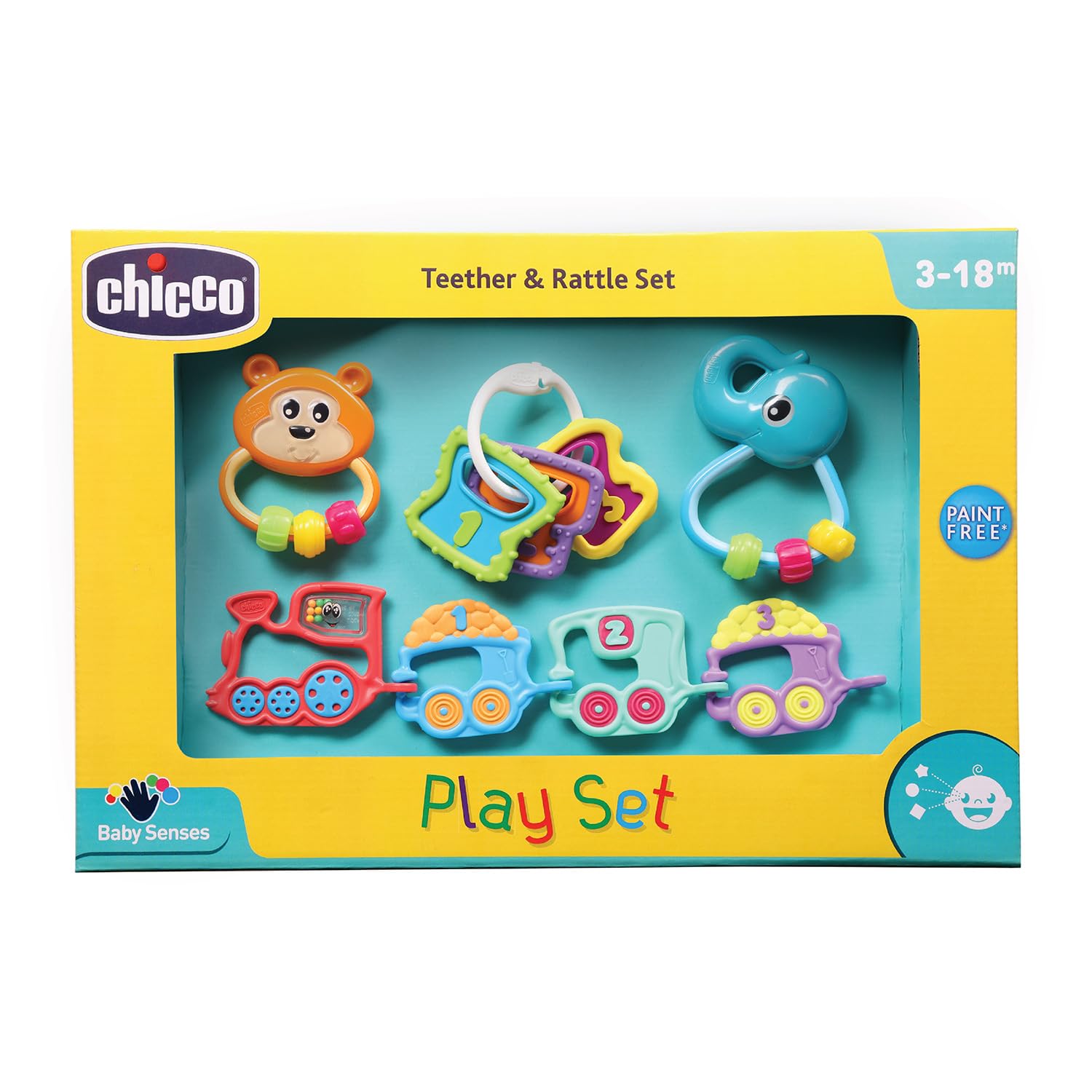
Chicco Rattle Set
- ✓ Lightweight grip handles
- ✓ Soft plastic, no sharp edges
- ✓ Auditory response trigger
* We earn a small commission — at no extra cost to you.
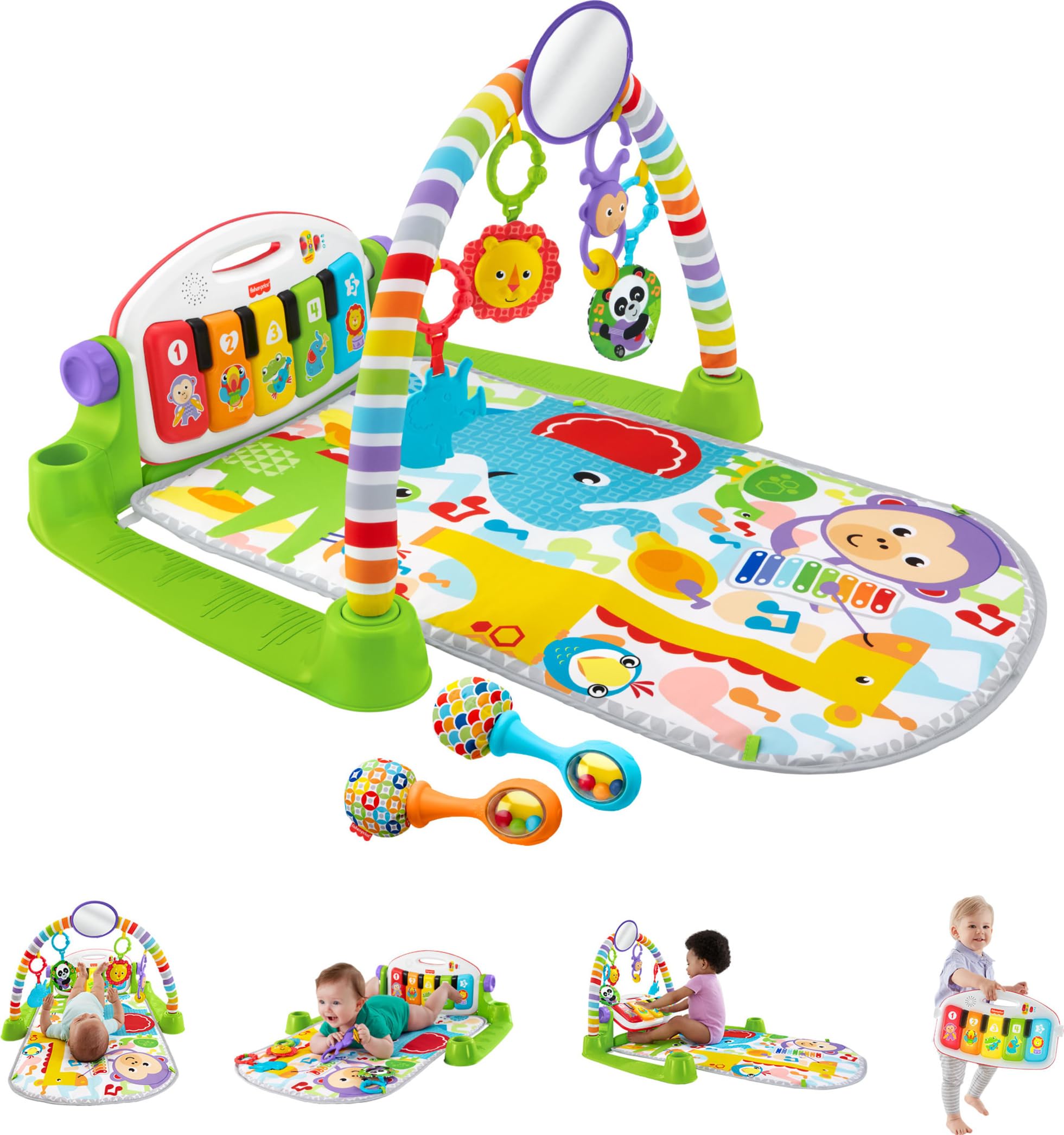
Fisher-Price Kick & Play Activity Gym
- ✓ Hanging toys for visual tracking
- ✓ Kick-sensitive chimes
- ✓ 3-in-1 mat design
* We earn a small commission — at no extra cost to you.
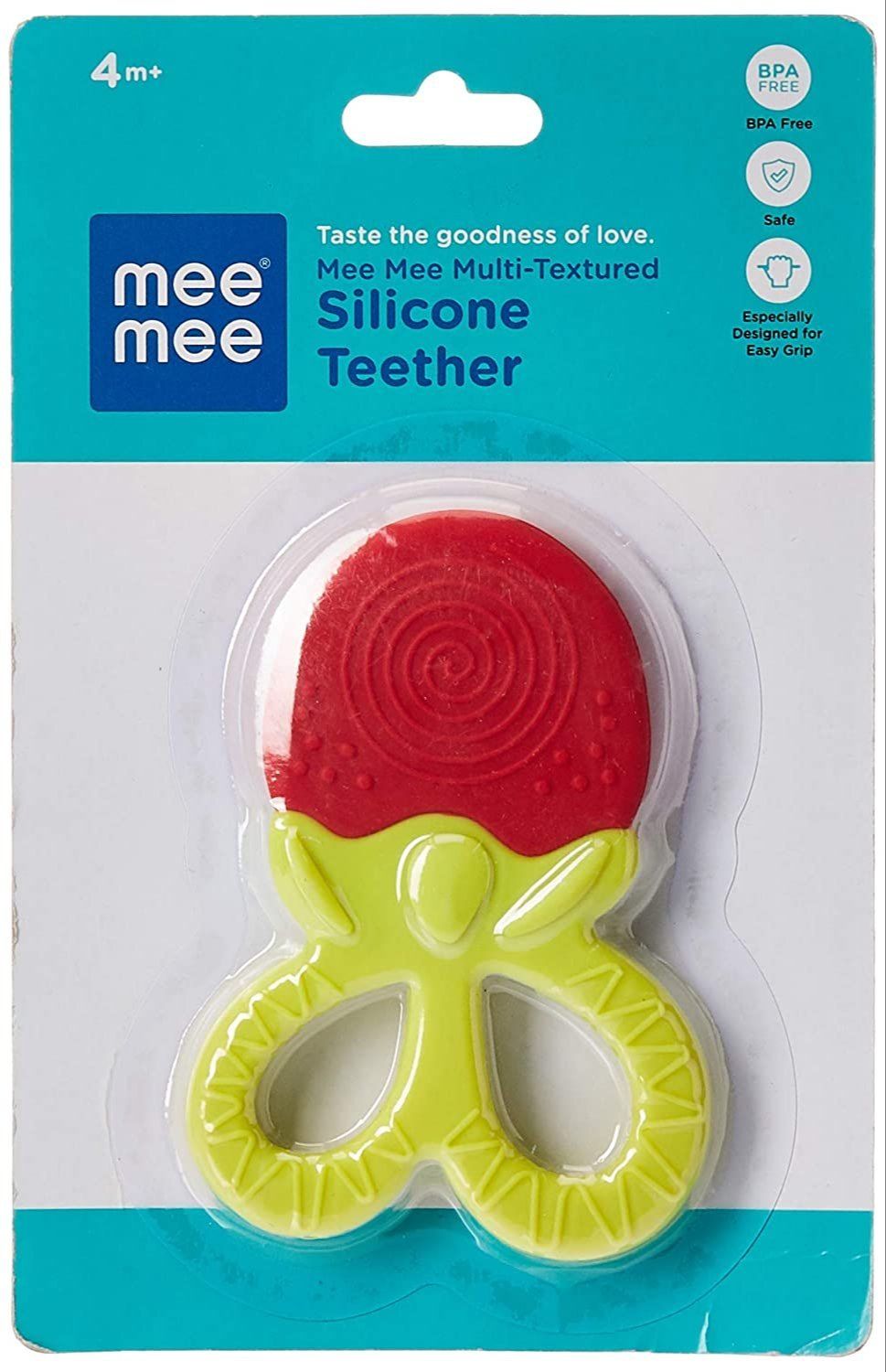
Mee Mee Silicone Teether
- ✓ Soft silicone, BPA-free
- ✓ Multiple texture zones
- ✓ Lightweight grip design
* We earn a small commission — at no extra cost to you.
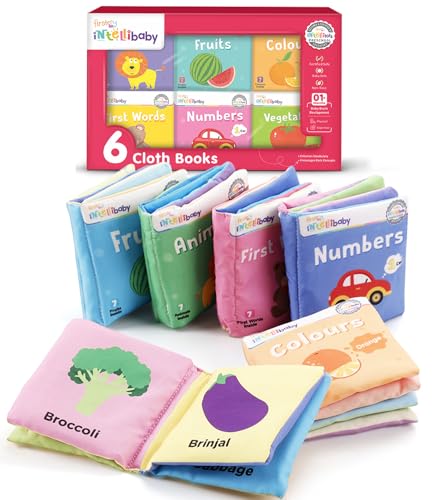
FirstCry Cloth Soft Book
- ✓ Crinkle pages for tactile response
- ✓ High-contrast colours
- ✓ Machine washable
* We earn a small commission — at no extra cost to you.
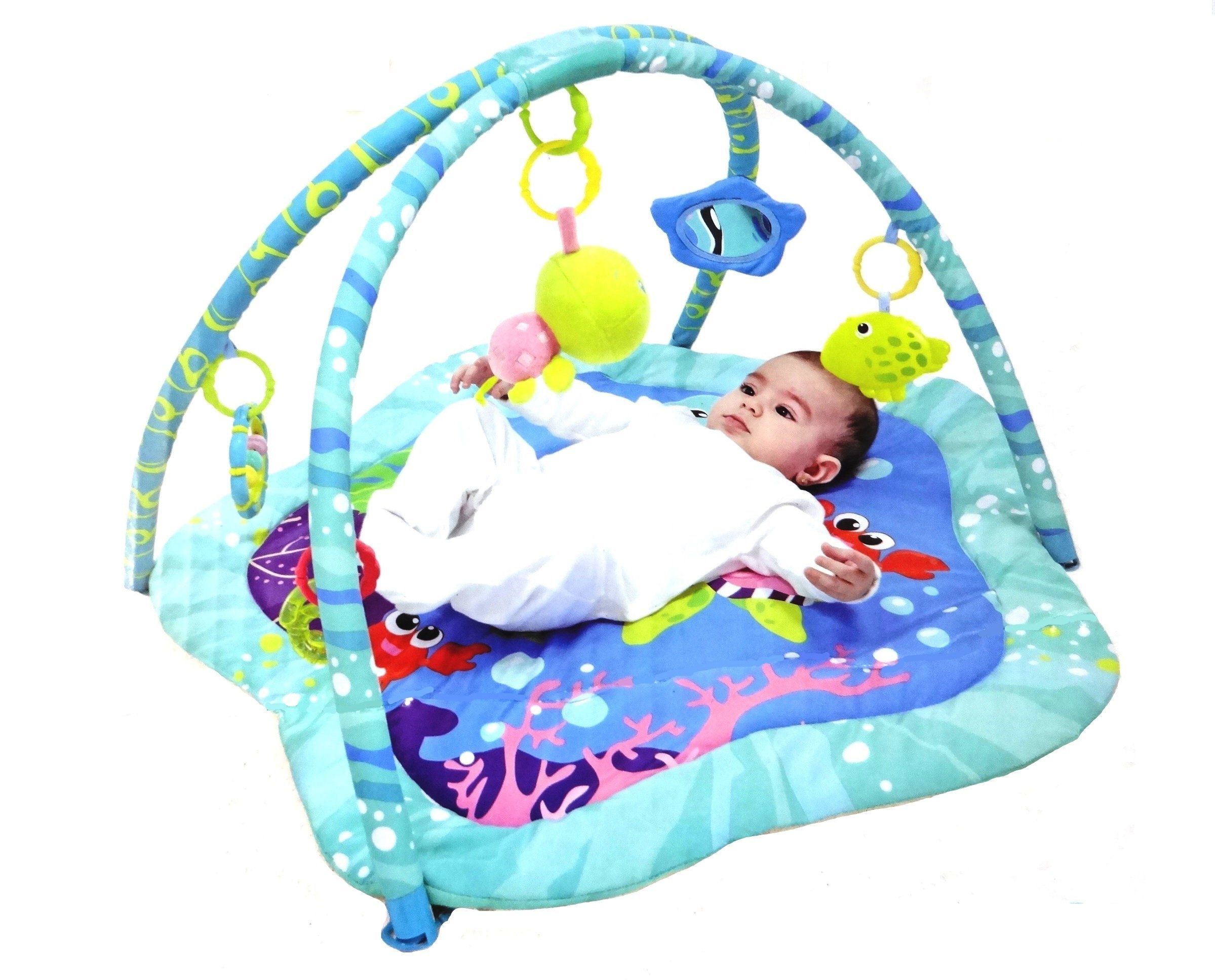
Mastela Baby Play Gym Mat
- ✓ Padded mat base
- ✓ Detachable hanging toys
- ✓ Portable design
* We earn a small commission — at no extra cost to you.
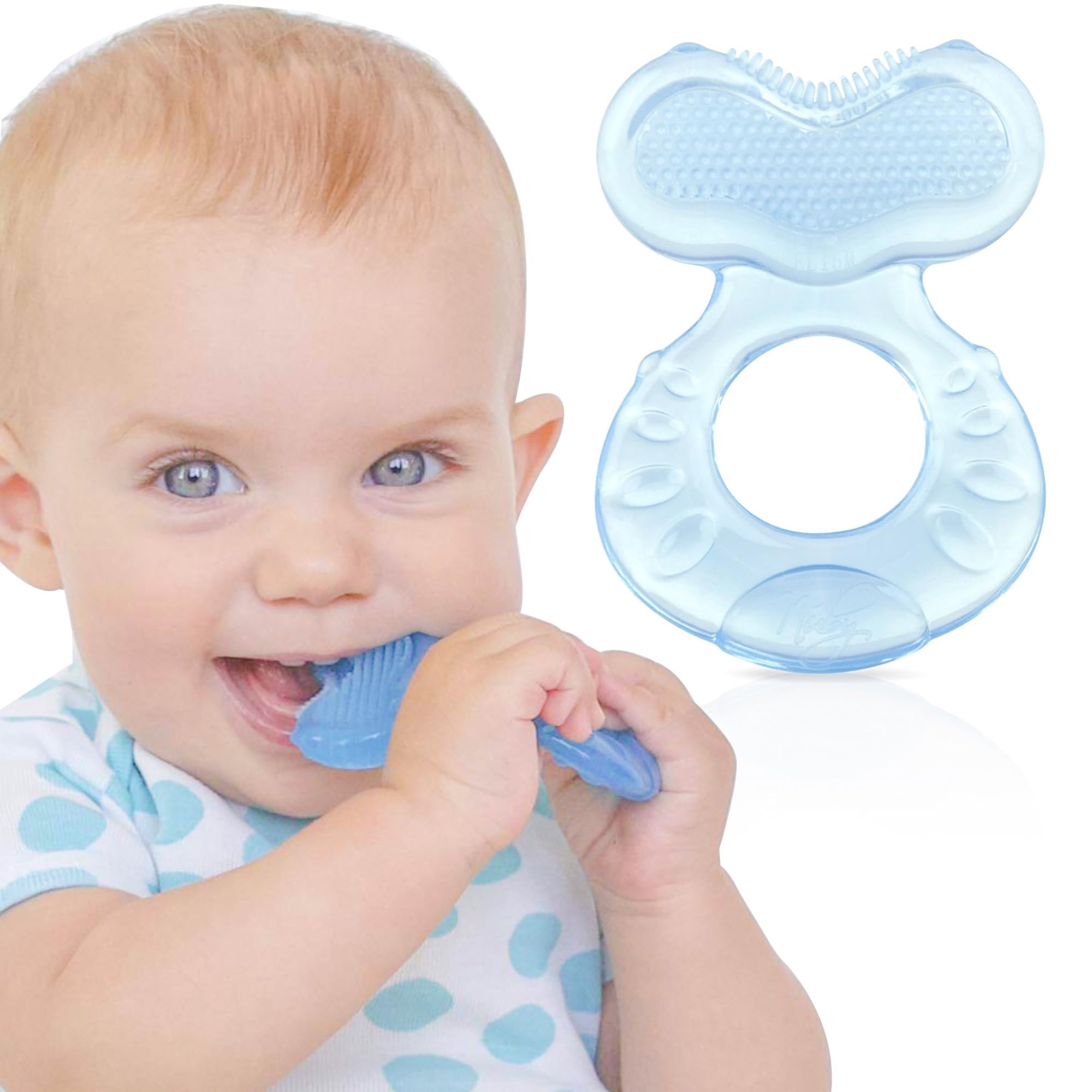
Nuby Silicone Teething Toy
- ✓ BPA-free silicone
- ✓ Textured surfaces
- ✓ Refrigerator-safe
* We earn a small commission — at no extra cost to you.
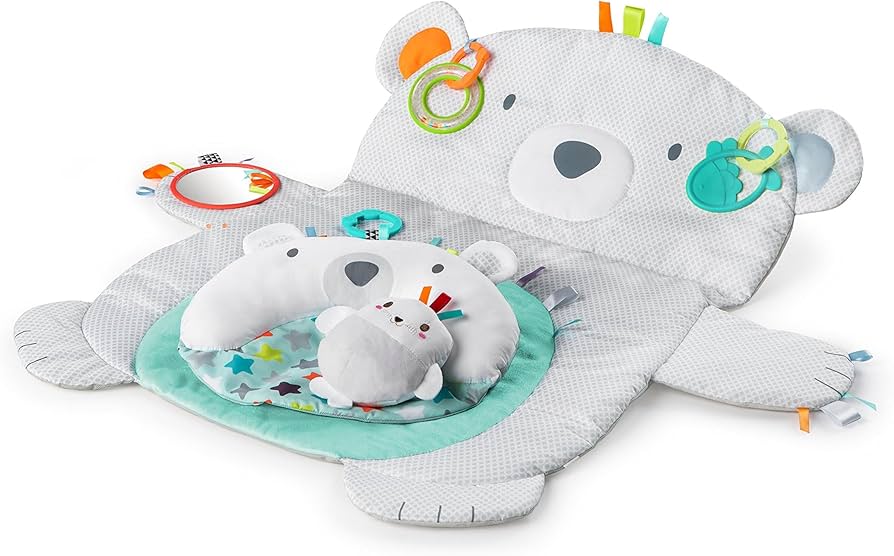
Bright Starts Tummy Time Mat
- ✓ Sensory hanging toys
- ✓ Mirror for visual tracking
- ✓ Machine washable
* We earn a small commission — at no extra cost to you.
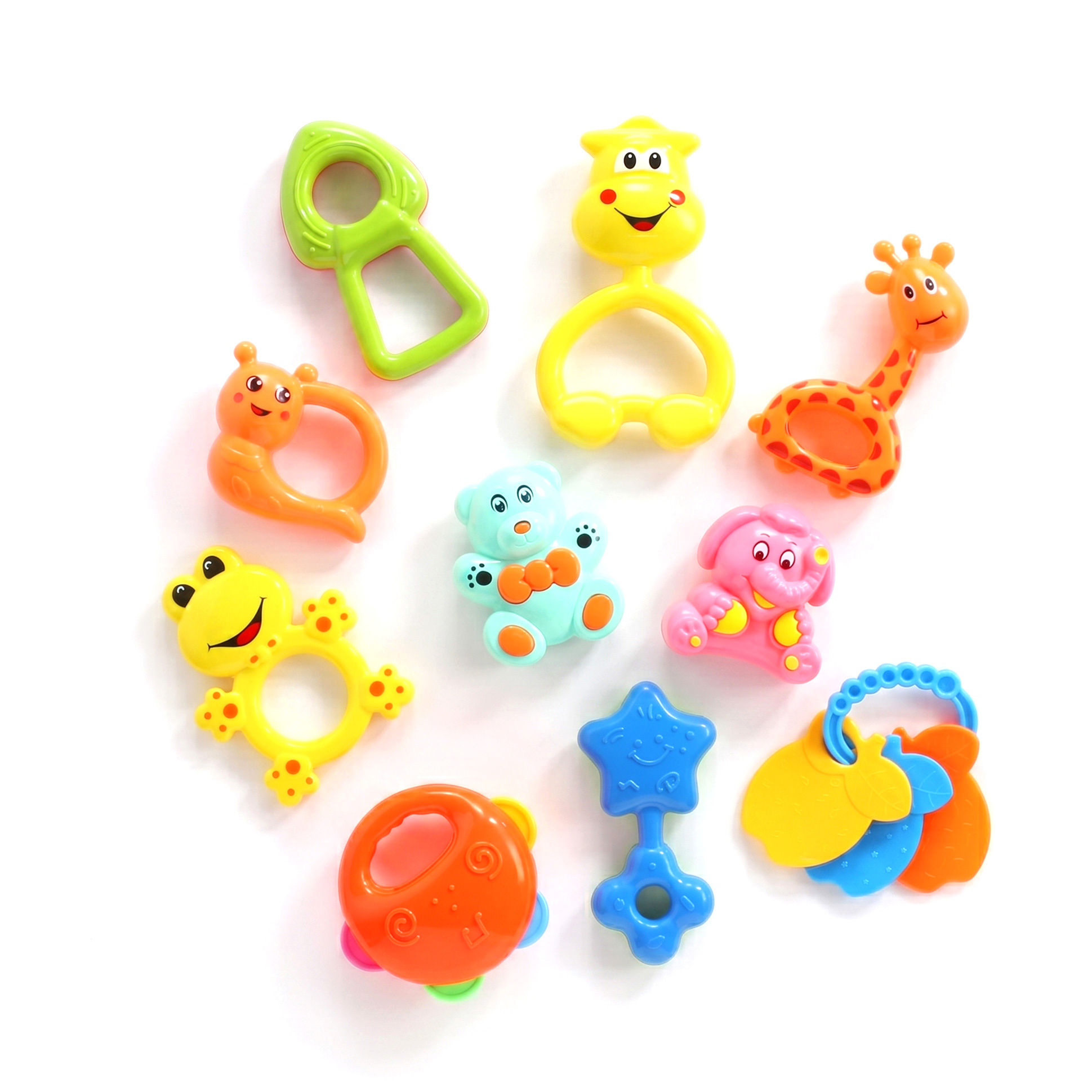
Babyhug Organic Cotton Rattle Toy
- ✓ Organic cotton outer
- ✓ Bell inside
- ✓ Lightweight
* We earn a small commission — at no extra cost to you.
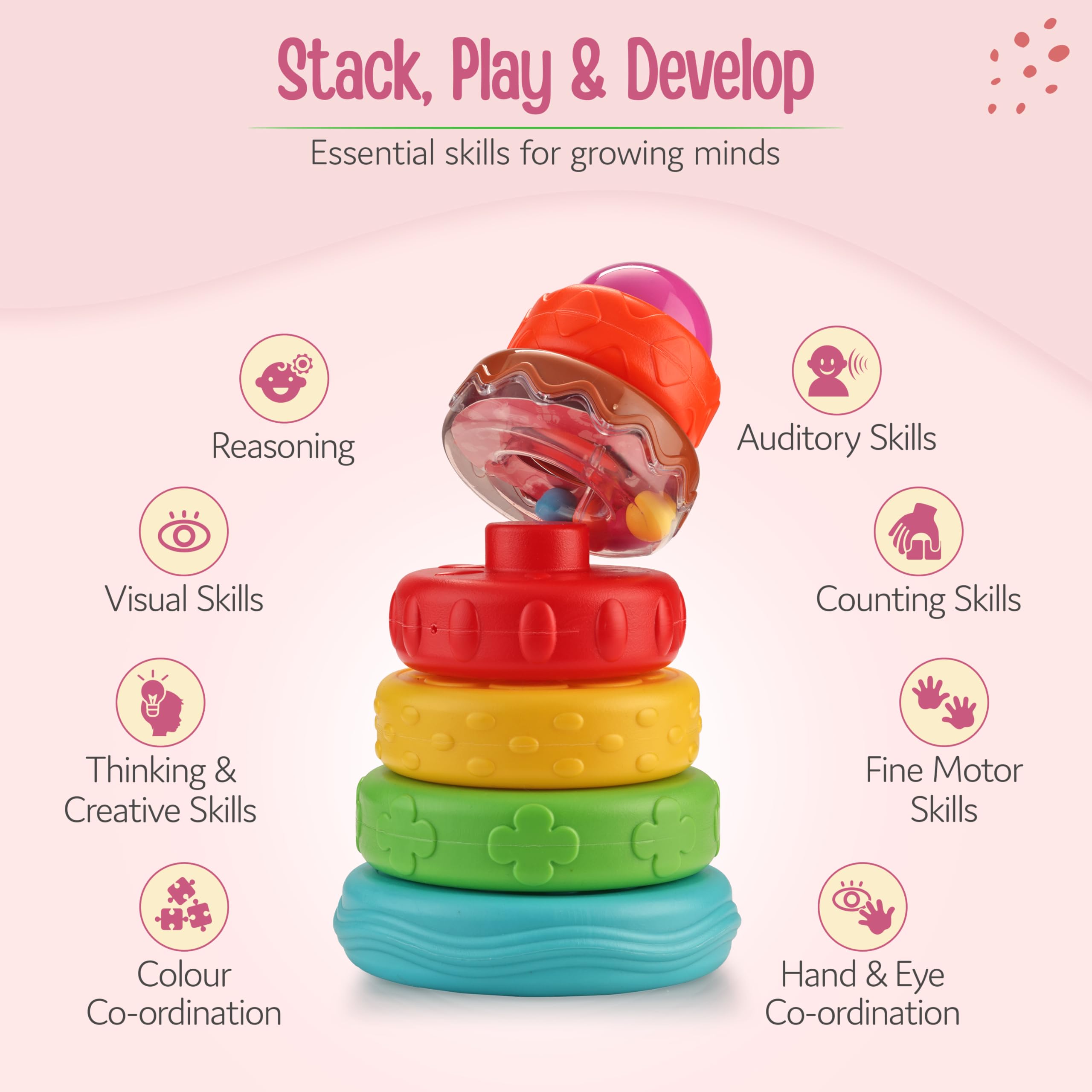
LuvLap Newborn Sensory Activity Book
- ✓ Crinkle and rattle elements
- ✓ Soft felt pages
- ✓ Phthalate-free
* We earn a small commission — at no extra cost to you.