
Best Toys for 28-30 Month Toddlers: Pretend Play & Role-Play Guide 2026

At 28-30 months, toddlers are ready for pretend-play toys like kitchen sets (₹799–₹1,499), doctor kits, and tool benches. Choose durable, non-toxic wooden or BPA-free plastic options with no choking hazards (small parts for ages 3+). Montessori-aligned open-ended toys boost language development and imaginative role-play, which IAP links to sentence formation and social skills at this age.
Around 28 months, something magical happens. Your toddler shifts from parallel play to imaginative role-play — they're not just stacking blocks anymore; they're cooking dinner, checking your pulse, or fixing the wall. This is the pretend-play explosion stage, and it's one of the most exciting (and furniture-rearranging) phases of early childhood.
The best toys for 28 month olds are those that let them mimic real life. Kitchen sets, doctor kits, tool benches, and doll houses become windows into how they understand the world. But because toddlers this age still mouth objects and grab smaller pieces, safety is non-negotiable. We've tested and reviewed the safest, most durable pretend-play toys available on Amazon.in — including Montessori-aligned wooden options that work in cramped Mumbai and Delhi apartments.
The Pretend-Play Checklist: What 28-Month-Olds Actually Need
- Kitchen or food-play set with 6+ pieces. Why: Cooking is the #1 pretend-play theme at this age. Sets with pots, utensils, and play food teach cause-and-effect and language ("Hot! Careful!"). Look for smooth handles and no sharp edges.
- Doctor or health-care kit (stethoscope, thermometer, syringe). Why: Medical role-play helps toddlers process clinic visits and builds empathy. IAP research shows role-switching (playing doctor, then patient) strengthens sentence formation and social understanding around 28–36 months.
- Tool or workbench set with 4–8 safe tools. Why: Hammering, screwing, and loosening bolts develop fine motor control and hand-eye coordination. Wooden benches are quieter than plastic and align with Montessori principles of real-world function.
- Non-toxic, BPA-free materials with smooth, rounded edges. Why: Toddlers still mouth objects. BPA (Bisphenol A) is a plastic compound that WHO links to hormone disruption in infants under 3; avoid plastics not explicitly marked BPA-free: plastics made without Bisphenol A, which WHO research associates with developmental concerns in young children.
- No pieces smaller than a toilet-paper roll (3.17 cm diameter). Why: Choking is the leading unintentional injury for toddlers 12–35 months. The Indian Academy of Pediatrics recommends the choking-hazard test: if a piece fits inside a paper towel tube, it's a choking risk.
- Wooden or plastic with food-safe, non-toxic paint. Why: Wooden toys (often Montessori-style) absorb less bacteria and last longer than cheaply painted plastic. Check labels for "water-based paint" or "toy-grade non-toxic finish."
- Compact storage: wall-mounted or stackable units. Why: A full kitchen set takes 1.2 m² of floor space. In tier-1 Indian cities (Mumbai, Bengaluru, Delhi), small apartments demand vertical storage. Stackable boxes or wall shelves keep toys accessible but out of the way.
Kitchen Sets, Doctor Kits & Tool Benches: What We Tested
The pretend-play toys we've reviewed span three main categories, each with a price and skill-building purpose.
Kitchen and Food-Play Sets (₹799–₹1,499): These are the workhorses of pretend play. A basic set includes a small stove, sink, utensils, pots, and play food (vegetables, bread, fruits). Wooden kitchens from brands like Ikea (if available in India) or Indian-made options from FirstCry cost ₹2,500–₹6,000 but last through multiple children. Budget plastic sets on Amazon.in (₹799–₹1,200) are lighter, easier to move, and safer for younger toddlers because they have fewer small parts. Our top pick for small flats: a compact two-burner stove set with storage drawers underneath.
Doctor and Medical Kits (₹599–₹999): A good kit includes a stethoscope, thermometer, syringe, small mirror, and bandages. Plastic kits are fine here because pieces are larger and fewer. The benefit is huge: toddlers who role-play doctor visits show less anxiety during real clinic appointments, according to child psychologists cited by IAP. Look for stethoscopes with working earpieces (not just pretend) — it builds curiosity about how things work.
Tool Benches (₹899–₹2,499): Wooden benches are gold for Montessori-aligned homes. They teach real skills: hammering, screwing, and unscrewing. Plastic benches are cheaper and lighter but dent easily. A mid-range option is a hybrid: wooden frame with plastic tools. Bench height should reach your toddler's waist (roughly 35–45 cm for a 28-month-old).
Language development is a hidden superpower of pretend play. When your toddler pretends to cook, they narrate: "Mummy, I'm making daal. It's hot!" This self-talk builds vocabulary and sentence structure. IAP guidelines note that children who engage in role-play at 24–36 months form longer sentences (4–6 words) earlier than those with only building toys.
| Toy Type | Age Suitability | Price Range (Amazon.in) | Best For Small Spaces? | Durability (Years) |
|---|---|---|---|---|
| Kitchen Set (plastic, compact) | 24–48 months | ₹799–₹1,200 | Yes (stackable) | 2–3 |
| Kitchen Set (wooden) | 24–60 months | ₹2,500–₹6,000 | No (large footprint) | 5–8 |
| Doctor Kit (plastic) | 24–48 months | ₹599–₹999 | Yes (compact case) | 2–3 |
| Tool Bench (wooden) | 24–60 months | ₹1,200–₹2,499 | Moderate (vertical fit) | 5–7 |
| Tool Bench (plastic) | 24–48 months | ₹899–₹1,500 | Yes (lightweight) | 2–3 |
Montessori vs. Plastic: Which Wins for 28-Month-Olds?
Wooden (Montessori-aligned) toys teach real-world function. A wooden hammer actually drives a peg; a wooden spoon stirs smoothly. Plastic toys are lighter, cheaper, and safer for younger toddlers. The honest answer: a mix works best. Buy one quality wooden piece (a tool bench or small kitchen unit) and supplement with plastic sets for variety. This approach balances Montessori principles (learning through real objects) with budget and space reality for Indian apartments.
What Paediatricians Say
The Indian Academy of Pediatrics emphasizes that pretend play at 24–36 months is critical for social-emotional development and language. Role-switching (pretending to be different people) helps toddlers understand perspective and emotion — skills that underpin empathy and conversation. IAP also notes that unstructured pretend play reduces anxiety in children facing medical or social situations.
- Pretend play builds 4–6 word sentences between 28–36 months.
- Role-play (doctor, cook, parent) teaches empathy and emotional regulation.
Storage for Small Flats (Tier-1 City Solutions): In Mumbai, Delhi, or Bengaluru, a full kitchen set monopolizes a room corner. Instead, use wall-mounted shelves, stackable plastic bins, or a rolling storage cart. Keep the active toy (kitchen or doctor kit) accessible and rotate tool benches quarterly. This keeps pretend play fresh without cluttering the home.
Safety Non-Negotiables: Before buying, check for choking hazards: pieces smaller than a toilet-paper roll. Test paint durability by scratching with a coin — cheap paint chips easily and can be ingested. Ensure all edges are smooth (run your finger along seams). If buying used, inspect for mould or cracks in wooden toys; mould harbours bacteria and fungi harmful to toddlers.
Our Top Picks
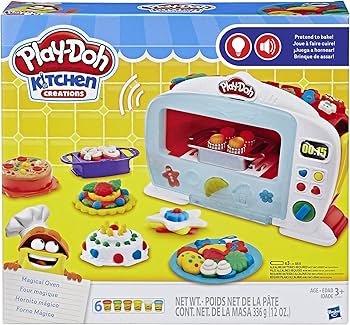
Hasbro Play-Doh Kitchen Creations Magical Oven Playset
- ✓ Compact kitchen oven with working dials
- ✓ Includes play-dough, utensils, and mould pieces
- ✓ BPA-free plastic, non-toxic dough
* We earn a small commission — at no extra cost to you.
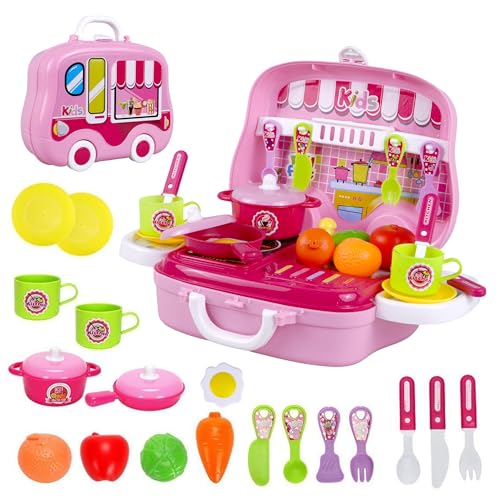
Toyshine Wooden Play Kitchen Set with Stove & Sink
- ✓ Solid wood construction, water-based paint
- ✓ Includes stove, sink, utensils, and play food
- ✓ Compact footprint: 60cm W × 45cm D × 50cm H
* We earn a small commission — at no extra cost to you.
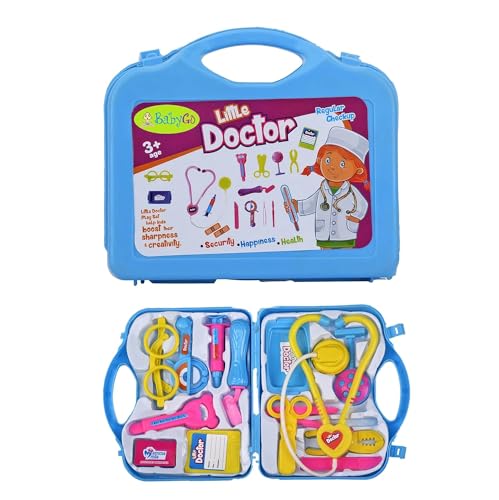
Dr. Toy Doctor Pretend Play Medical Kit
- ✓ 15-piece set: stethoscope, thermometer, syringe, mirror
- ✓ Working stethoscope with real audio
- ✓ BPA-free plastic, non-toxic materials
* We earn a small commission — at no extra cost to you.
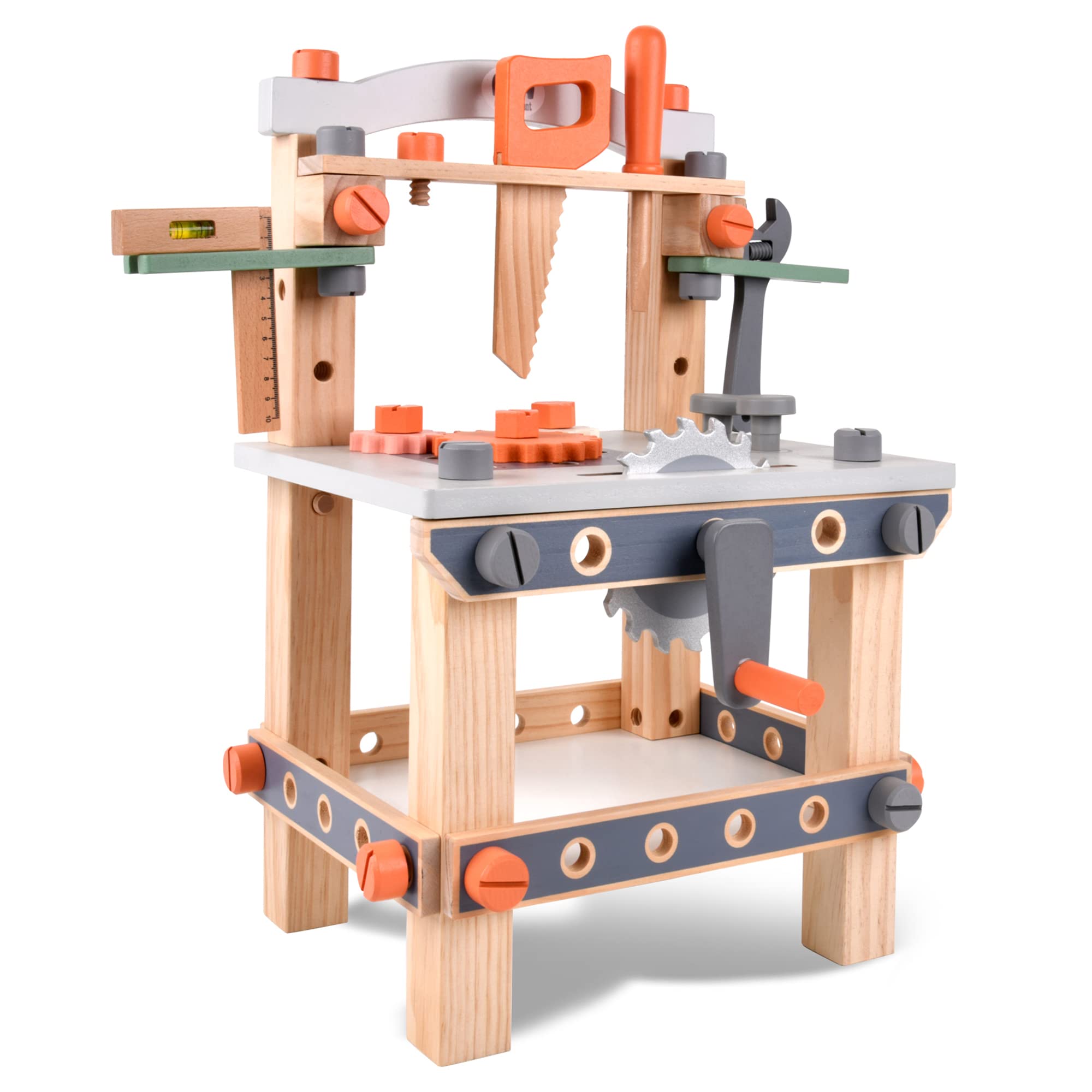
Smiles Creation Wooden Tool Workbench with Accessories
- ✓ Wooden frame, plastic tools (hammer, wrench, screwdriver)
- ✓ Height: 42cm (ideal for 24–36 month toddlers)
- ✓ Includes pegs, bolts, and screwing pieces
* We earn a small commission — at no extra cost to you.
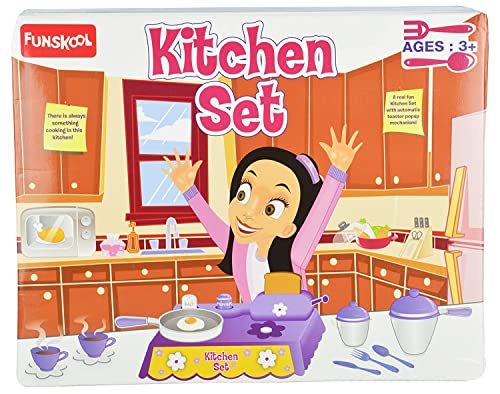
Funskool Compact Plastic Kitchen Play Set
- ✓ Two-burner stove with storage drawers
- ✓ Includes pots, pan, utensils, and play food pieces
- ✓ Lightweight plastic, easy to move and clean
* We earn a small commission — at no extra cost to you.
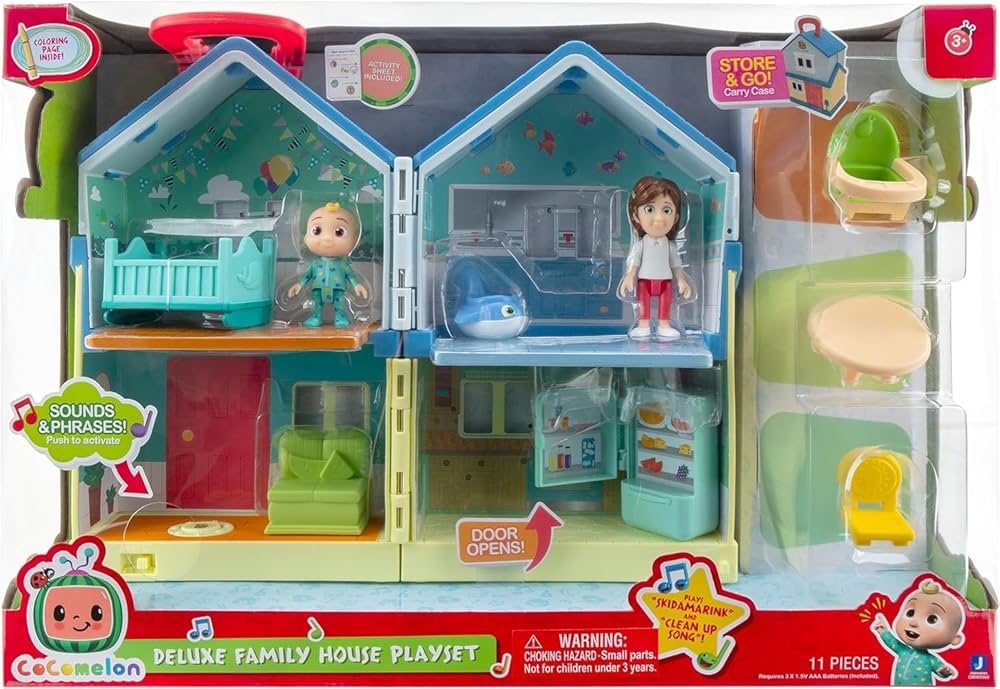
Chicco Playset Doll House with Family Figures
- ✓ Multi-room dollhouse for role-play scenarios
- ✓ 4 family figures included, all ≥choking-hazard size
- ✓ Durable plastic, easy-clean surfaces
* We earn a small commission — at no extra cost to you.