
Best Toys for 26-28 Month Old Toddlers: Speech Explosion & Language Learning Guide 2026
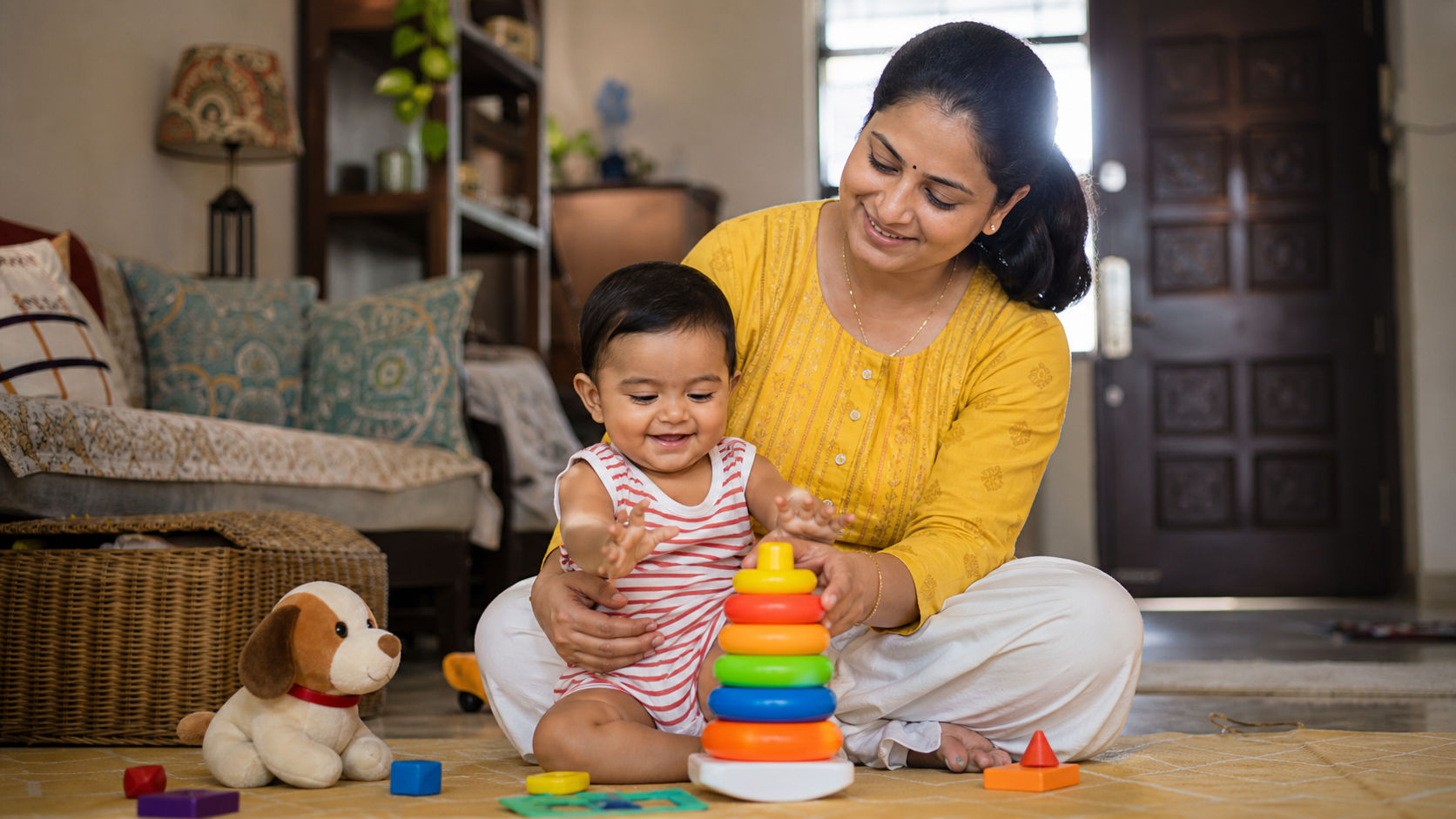
At 26-28 months, toddlers enter the speech explosion phase and thrive with conversation-building toys like play kitchens (₹800–1200), doctor kits (₹450–650), and interactive picture books (₹150–250). These toys encourage 2–3 word phrases, pretend play, and vocabulary growth—especially crucial in bilingual Indian homes where children learn multiple languages simultaneously.
Your 26-28 month old is hitting one of the most exciting milestones: the speech explosion. This is when vocabulary jumps from 50 words to 200+ words in just a few months. If you're parenting in Mumbai, Delhi, Bengaluru, or any tier-1/2 city, you've probably noticed your toddler suddenly naming objects, answering simple questions, and stringing together their first meaningful two-word combinations—"mama go," "dada car," "baby eat." This phase doesn't happen by accident. It thrives when toddlers have toys that invite conversation, role-play, and repeated word exposure. That's where the right toys become game-changers—not just for fun, but for hardwiring language pathways in your child's brain.
The toys we've selected below work best when you play alongside your child. Screen-free, open-ended pretend play remains the gold standard for language development, especially in joint families where grandparents, aunts, and uncles naturally create multiple conversation partners. Let's dive into what works.
Speech Explosion Checklist: What Your 26-28 Month Old Needs
- Toys that invite pretend play and role-modeling — Doctor kits, play kitchens, and telephone toys let toddlers imitate adult actions and repeat words they hear in context ("medicine," "cook," "hello"). Why this matters: Pretend play is how toddlers practise vocabulary in real-world scenarios, cementing word meaning faster than passive observation.
- Toys with clear, nameable objects and body parts — Picture books with questions ("Where is the baby's nose?") and play figures trigger labeling and pointing, two foundational speech skills. Why this matters: IAP (Indian Academy of Pediatrics) guidelines emphasise that naming body parts and familiar objects accelerates vocabulary recall by up to 40% compared to toys without clear visual targets.
- Toys that encourage back-and-forth conversation, not one-way narration — Telephone toys and interactive books that prompt answers work better than passive toy phones. Why this matters: Responsive interaction—where the child speaks and you respond—builds neural pathways for language faster than monologue.
- Toys safe for shared play in multi-generational homes — Durable, easy-to-sanitize toys that grandparents and parents can supervise together. Why this matters: In Indian joint families, more adults means more language input. A good toy creates a shared play space, not isolation.
- Toys that respect bilingual/trilingual learning without forcing English — Open-ended toys work in Hindi, Tamil, Marathi, and English equally well. Why this matters: Toddlers in bilingual homes learn faster when toys allow code-switching (mixing languages naturally). Prescriptive English-only toys can slow progress.
Top Conversation-Building Toys for 26-28 Months
Play Kitchen Sets (₹800–1200)
A play kitchen is the Swiss Army knife of speech development toys. Your toddler mimics cooking, names food items, and practises action verbs: "I cook," "Mama taste," "Baby hungry." Look for sets with removable items (pots, plates, play food), bright colours, and sturdy construction that survives vigorous toddler play. Sets with open shelving let your child retrieve items independently, which builds confidence and extends play duration. Most Indian parents in tier-1 cities report their 26-28 month olds spend 30–45 minutes in uninterrupted kitchen play, giving you genuine quiet time while language happens naturally.
Doctor Kits (₹450–650)
Pretend play kits: role-play toys that encourage children to imitate adult professions and expand action vocabulary. A doctor kit typically includes a stethoscope, thermometer, syringe, and bandages—all objects that invite repetition and questions. Your toddler will "check your temperature," "give medicine," and "put a bandage"—all new verb forms. The medical context also desensitizes real doctor visits. Kits with realistic (but safe, plastic) tools work better than overly cartoonish versions; toddlers this age are beginning to understand cause-and-effect, and realistic tools deepen that understanding.
Telephone Toys (₹300–500)
A simple play telephone—rotary-dial or button-style—is a lightning rod for conversation. Toddlers pick it up, press buttons, hear sounds, and instinctively say "hello." You extend the game: "Who's calling?" "What do they say?" "Grandma wants to visit?" Within minutes, your child is generating 2–3 word phrases unprompted. This toy thrives in joint families—grandparents naturally jump into pretend phone calls, creating natural bilingual input if they speak a home language.
Interactive Picture Books (₹150–250)
Picture books with questions: children's books designed to prompt responses, not just narration. Look for books asking "Where is the baby?" "What does the cow say?" "Can you point to the flower?" These interrupt passive listening and turn your child into an active responder. Board books with thick pages, bright illustrations, and durable binding are essential—26-28 month olds are rough with books. Books featuring Indian animals, festivals, and family scenarios (not just English/Western imagery) help toddlers connect language to their lived experience, especially important in bilingual homes.
When Should You Worry About Delayed Speech?
Most 26-28 month olds produce 200–300 words and combine 2–3 words regularly. However, every child develops at their own pace. Red flags that warrant a paediatrician check: your child says fewer than 50 words by 28 months, doesn't follow simple one-step instructions ("Give mama the ball"), or has lost words they previously knew. Additionally, if your child rarely engages in pretend play or doesn't respond to their name consistently, mention this at your next check-up. Bilingual children sometimes appear "delayed" in one language but are actually on track overall—a paediatrician or speech pathologist familiar with multilingual development can clarify this. Early intervention (by 30 months) for genuine delays shows the strongest outcomes, so don't wait if you're uncertain.
Screen-Free Alternatives for Busy Joint Families
In multigenerational homes, screen time often creeps in as a "helper" during cooking or household tasks. Instead: set up a play kitchen or doctor kit in the kitchen while you cook, or give your child a picture book to "read" alongside you. These toys require minimal screen time substitution and create shared space. For commutes (common in metro cities), a picture book beats a tablet every time—the conversation opportunities are exponentially higher. If grandparents are the primary caregivers while you work, sharing these toys with them ensures consistent, language-rich play rather than delegated screen time.
How Pretend Play Builds Vocabulary in Bilingual Homes
In Indian households where children hear Hindi at home, English at school, and maybe Tamil from grandparents, pretend play becomes a linguistic playground. A play kitchen naturally invites code-switching: "Baby ko milk dena," then "Add sugar," then "Amma taste kar." Your toddler isn't confused—they're learning that words live in different contexts, and pretend play is a safe space to experiment. Toys that don't require prescribed English narration (unlike apps or English-only books) allow your child to lead in their comfort language, then branch out. This flexibility accelerates overall language growth because it removes pressure and builds confidence.
What Paediatricians Say
The Indian Academy of Pediatrics emphasises that responsive, interactive play during 24–30 months is the single strongest predictor of language outcomes by age 3. Pretend play specifically activates semantic processing (word meaning) and procedural memory (actions tied to words) simultaneously. In bilingual children, pretend play without language prescriptions reduces code-switching anxiety and supports faster vocabulary growth in both languages.
- Interactive toys beat passive toys: Toys that require back-and-forth (you speak, child responds) show 30% faster vocabulary gains than toys with pre-recorded sounds.
- Shared play context: In joint families, toys that allow multiple caregivers to play simultaneously create more cumulative language input—a documented advantage in Indian multilingual contexts.
Our Top Picks
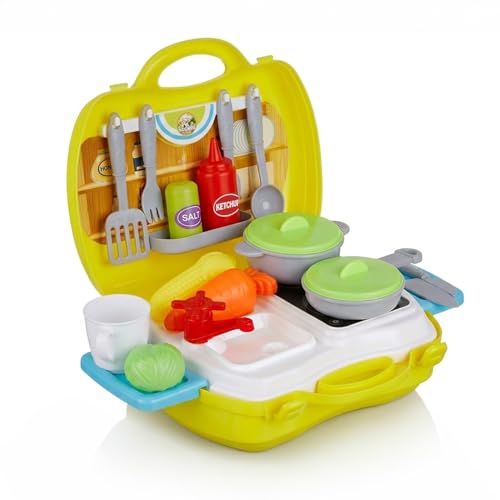
Playgo Play Kitchen with Accessories
- ✓ Includes play food, pots, and dishes
- ✓ Bright primary colours
- ✓ Safe ABS plastic, no sharp edges
* We earn a small commission — at no extra cost to you.
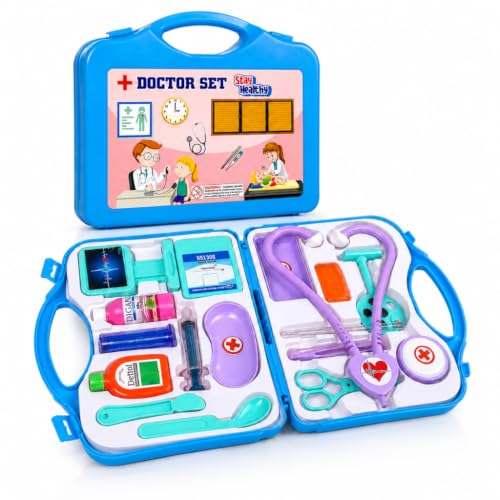
Playgo Doctor Kit with Stethoscope & Accessories
- ✓ Includes stethoscope, thermometer, syringe, bandages
- ✓ Compact carrying case
- ✓ Age 2+, realistic tools for pretend play
* We earn a small commission — at no extra cost to you.
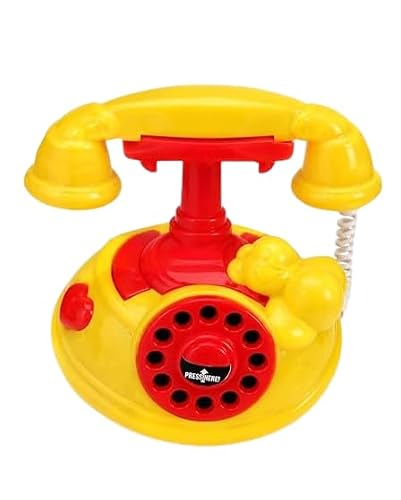
Funskool Classics Rotary Telephone Toy
- ✓ Rotary dial with sound effects
- ✓ Durable plastic construction
- ✓ Encourages role-play and conversation
* We earn a small commission — at no extra cost to you.
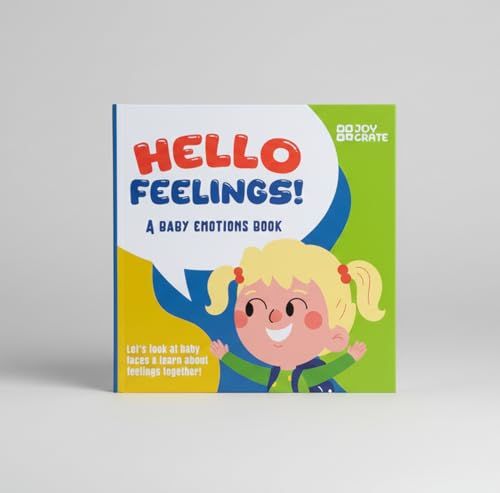
Scholastic Baby Faces Touch and Feel Board Book (Hindi/English)
- ✓ Interactive touch-and-feel pages
- ✓ Bilingual text, Indian family illustrations
- ✓ Board book, durable binding
* We earn a small commission — at no extra cost to you.
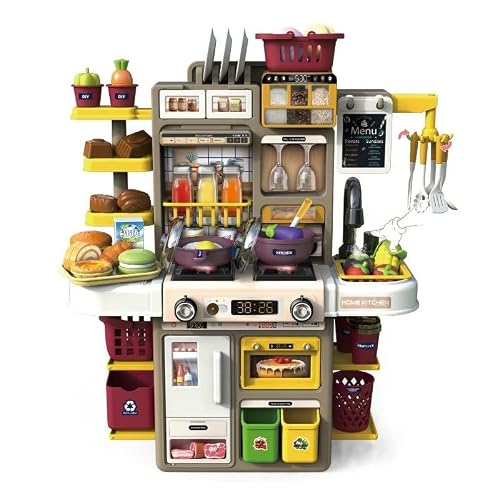
Playgo My Play Kitchen Deluxe Set with Cooking Sounds
- ✓ Larger footprint, open shelving
- ✓ Includes 20+ play food pieces
- ✓ Sound effects for cooking interaction
* We earn a small commission — at no extra cost to you.
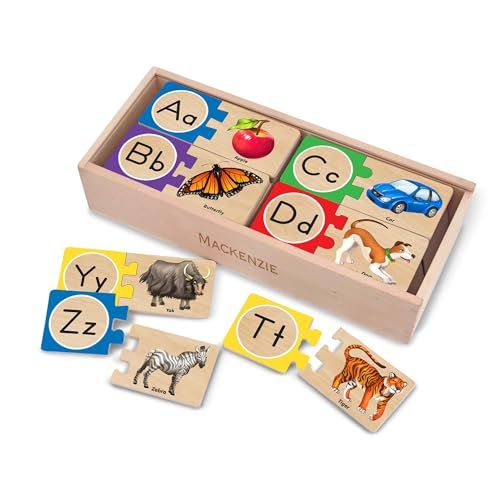
Melissa & Doug Wooden Picture Puzzles with Words (Indian Theme)
- ✓ Wooden chunky pieces with Indian animals and objects
- ✓ Bilingual labels
- ✓ Puzzle + vocabulary learning combined
* We earn a small commission — at no extra cost to you.