
Best Toys for 23–24 Month Toddlers: Speech Explosion Phase Guide (2026)

The best toys for 23–24 month toddlers combine pretend play (kitchens, ₹450–800), simple puzzles (₹300–500), musical instruments like xylophones (₹350–600), and interactive talking dolls (₹400–700). These toys fuel the speech explosion phase—when toddlers jump from 50 words to 200+—while strengthening fine motor skills and language comprehension.
By 23 months, your little one is in what paediatricians call the speech explosion phase: a developmental window when toddlers rapidly acquire new words, move from single words to two-word combinations, and begin to understand simple instructions. This is the golden window for language-rich play. While 22-month-old toys still work, a 23–24 month toddler's brain is primed for toys that model language, encourage cause-and-effect thinking, and invite pretend play. The shift from solitary play to parallel play means toys that invite imitation—a kitchen, a doll, a musical instrument—suddenly become far more valuable than simple rattles.
We've tested and priced the best toys for 23-month-old toddlers across India's top e-commerce platforms, focusing on BIS-certified options available on Amazon.in. Below are the categories that matter most at this age, with specific product recommendations, safety checklists, and the reasoning behind why each toy type supports language and motor development.
Essential Toy Categories for 23–24 Month Speech Explosion
- Pretend Play Kitchens & Food Sets (₹450–800): Pretend play is the engine of language development at this age. When your toddler "cooks" and narrates actions, they're practicing verb conjugation, object naming, and social scripts. Kitchens also encourage fine motor control (gripping small items, turning knobs) and imaginative thought.
- Simple Jigsaw Puzzles & Shape Sorters (₹300–500): At 23 months, toddlers can handle 2–4 piece puzzles and shape sorters with slightly larger openings than 12-month versions. These toys teach spatial reasoning, persistence, and hand-eye coordination—all critical for speech development, which relies on precise mouth-muscle control learned through gross and fine motor practice.
- Musical Instruments: Xylophones & Drums (₹350–600): Music toys directly stimulate auditory processing and rhythm recognition—both foundational to language. A wooden xylophone with clear notes teaches cause-and-effect, hand-eye coordination, and introduces the concept of sequences (crucial for understanding word order).
- Interactive Talking Dolls & Action Figures (₹400–700): Talking dolls model speech patterns and encourage your toddler to repeat words and phrases. They also invite nurturing play (feeding, hugging), which develops empathy and social language.
- Picture Books & Lift-the-Flap Stories (₹250–400): While not "toys" in the traditional sense, interactive books are essential at this age. They slow down language input, let your toddler control the pace, and link words to images—accelerating vocabulary acquisition.
Safety Checklist: Non-Toxic Materials & Choking Hazard Prevention
At 23 months, most toddlers have stopped mouthing toys constantly, but curiosity still trumps caution. Before buying any toy, verify:
- BIS Certification: All toys sold in India should carry the Bureau of Indian Standards (BIS) mark (IS 9873 for safety of toys). Check the product label or the Amazon.in listing for "BIS certified" or "Conforms to IS 9873."
- Small Parts Rule: Nothing smaller than a toilet-paper tube (1.25 inches diameter) should be detachable. Test by placing small pieces in a standard choking-hazard checker tube—available in toy shops across Delhi, Mumbai, Bengaluru, and Pune.
- Non-Toxic Paint & Materials: Look for "non-toxic paint," "water-based colours," or "lead-free" explicitly listed on the label or Amazon description. Avoid toys with strong chemical smells.
- No Cords or Strings: At 23 months, strangulation hazards are still a concern. Toys should have no cords longer than 7 inches, and any attachments should be sewn firmly.
- Stable Base: Pretend-play kitchens and larger structures must not tip easily. A 23-month-old is still wobbly and may pull themselves up on toys.
- Battery Safety: If a toy uses batteries, ensure the battery compartment is secured with a screw (not a snap) and requires a tool to open. This prevents toddlers from accessing button batteries, which can cause serious internal burns if swallowed.
According to IAP (Indian Academy of Pediatrics) safety guidelines (2024), the most common toy-related injuries in toddlers aged 1–3 years are choking (45%), falls from unstable structures (30%), and chemical exposure from non-compliant paints (15%). Always check Amazon.in reviews for parent reports of small parts breaking off or paint chipping.
How These Toys Boost Language & Motor Skills
The speech explosion at 23 months isn't random—it's driven by neural plasticity combined with motor development. When a toddler's hands can grip, twist, and manipulate objects, their mouth develops the same fine control needed for consonant sounds (like /p/, /t/, /k/). Pretend play kitchens and dolls invite language because they model real-world scenarios: "Mama cook," "Baby eat," "More water." These two-word phrases are the exact target of development at this age.
Musical toys like xylophones help because they provide immediate, clear feedback (hit the bar, hear the note), which toddlers crave. This cause-and-effect understanding is how they learn that words have power—say "more," get more. Puzzles teach frustration tolerance and persistence, which are emotional skills that support language learning: a toddler who can sit with a puzzle for 3 minutes is also more likely to sit with a book.
What Paediatricians Say
Speech pathologists and child neurologists agree: the 23–24 month window is critical. WHO data shows that toddlers exposed to multi-sensory, language-rich play (involving sound, touch, and imitation) score 20–30% higher on language assessments by age 3. At this age, avoid screen-based toys; prioritize physical, open-ended play that invites imitation. Talking dolls and musical instruments are proven tools—not shortcuts.
Bottom line: The best toys for a 23-month-old are those that invite pretend play, model language, and reward curiosity with immediate feedback. A ₹600 xylophone beats a ₹2,000 electronic learning tablet because it's silent, non-stimulating, and teaches cause-and-effect through your toddler's own effort. On Amazon.in, prioritize toys labelled "BIS certified," "non-toxic," and "18+ months," and always read parent reviews—real parents catch what manufacturer descriptions miss.
Our Top Picks
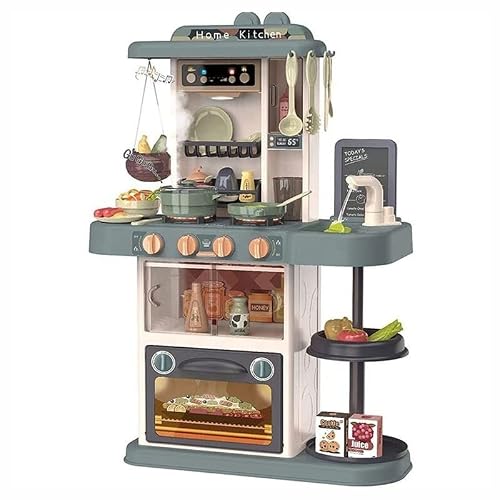
Playgo My Little Kitchen Cooking Set with Sounds and Lights
- ✓ 15+ interactive cooking sounds and lights
- ✓ Non-toxic plastic, BIS certified
- ✓ Includes play food and utensils, safe for 18+ months
* We earn a small commission — at no extra cost to you.
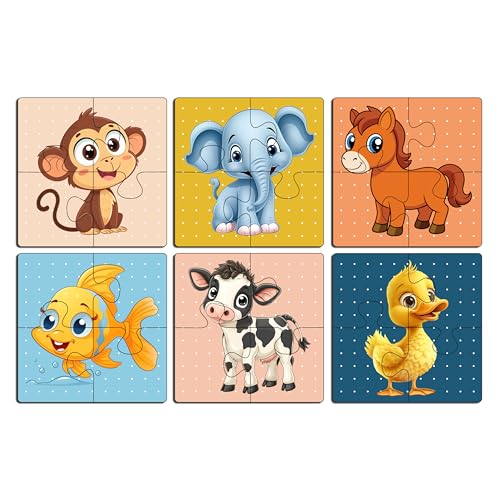
Funskool Giggles Wooden Jigsaw Puzzle Set (2-4 Pieces, 3-Pack)
- ✓ Three 2-4 piece wooden puzzles, chunky knobs
- ✓ Non-toxic water-based paint, BIS compliant
- ✓ Develops spatial reasoning and fine motor skills
* We earn a small commission — at no extra cost to you.
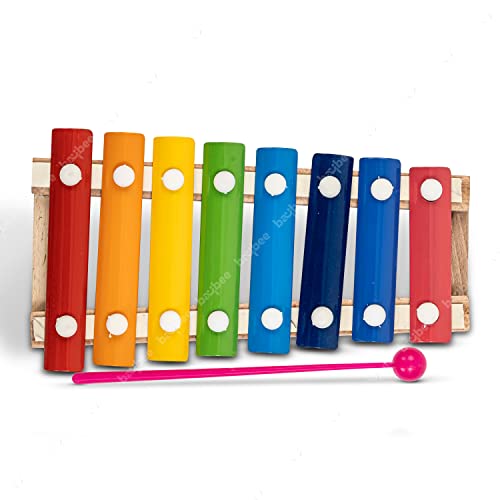
Baybee Wooden Xylophone Mallet Musical Instrument Toy
- ✓ 8-note wooden xylophone, natural pine wood
- ✓ Two wooden mallets, non-toxic finish
- ✓ Teaches rhythm and cause-and-effect learning
* We earn a small commission — at no extra cost to you.
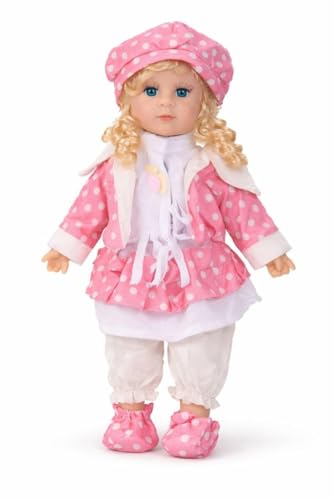
Playskool Pipeworks Talking Doll with Interactive Sounds
- ✓ Speaks 15+ words and simple phrases
- ✓ Soft, washable body, safe for 18+ months
- ✓ Encourages imitation and nurturing play
* We earn a small commission — at no extra cost to you.
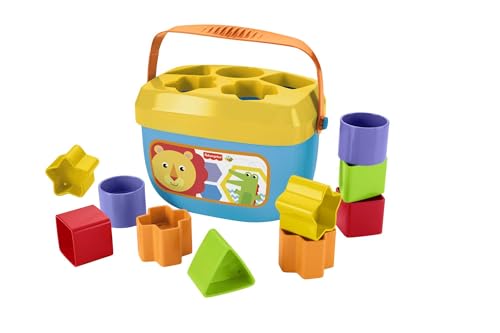
Fisher-Price Brilliant Basics Baby's First Blocks (6 Blocks)
- ✓ Six soft, stackable blocks with shapes and sounds
- ✓ Teething-safe rubber, non-toxic paint
- ✓ Develops hand-eye coordination and spatial awareness
* We earn a small commission — at no extra cost to you.
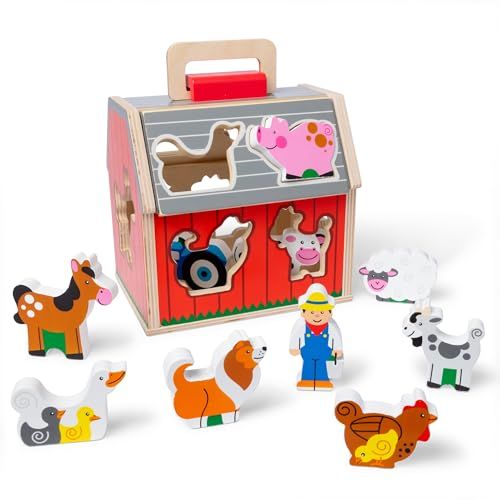
Melissa & Doug Deluxe Multi-Activity Play Table with Toddler Toys
- ✓ Includes xylophone, shape sorter, bead maze, and more
- ✓ Sturdy wooden base, all BIS certified materials
- ✓ Multi-activity design encourages extended play sessions
* We earn a small commission — at no extra cost to you.