
Best Toys for 18-Month-Old Toddlers in India: Developmental Milestones & Safety Guide

The best toys for 18-month-olds combine physical development (push toys like Toyshine walker at ₹899) with cognitive milestones (stacking rings, shape sorters). At this age, toddlers understand 50-75 words, kick balls intentionally, and scribble with crayons - toys should match these exact developmental stages. Always check for BIS safety certification on small parts.
Your 18-month-old is at that sweet spot where play becomes purposeful. They're no longer just mouthing toys; they're problem-solving, exploring cause-and-effect, and mimicking what they see. But not every toy works at this stage. A shape sorter that's too complex frustrates them. A rattle feels babyish. This guide maps real toys to real milestones - so you spend smartly and actually see your child *use* what you buy.
We've tested and priced push toys, stacking rings, shape sorters, first puzzles, and Montessori alternatives available on Amazon.in right now. Each section includes why the toy works for this exact age, what to look for safety-wise, and whether it's worth the money.
Understanding 18-Month Developmental Milestones
Language explosion: Your toddler now understands 50-100 words and says 10-25 words regularly - though many parents don't notice the quiet receptive learning underneath. Motor skills: They kick a ball intentionally, stack 2-3 blocks, scribble with a crayon (not just mouth it), and push toys with purpose. Cognitive leap: They play pretend for a few seconds, follow one-step instructions ("get your shoes"), and enjoy simple cause-and-effect toys.
This is why a bumper toy collection of 30 toys across age ranges is overkill. A focused set of 5-6 toys matched to these milestones keeps your home cleaner and your child more engaged.
Top Toys for 18-Month-Olds: By Milestone
Push Toys for Walking Confidence & Motor Control
Toyshine Baby Push Walker (₹899 on Amazon.in): This wooden push toy with wheels gives toddlers exactly what they need - handle-height resistance and noise feedback. At 18 months, many toddlers are walking steadily but not running yet; a push toy teaches them to coordinate their stride without becoming a crutch. The squeaky ball inside teaches cause-and-effect (pushing moves the toy, the ball bounces). According to IAP (Indian Academy of Pediatrics) 2026 guidance on motor milestones, toys that encourage independent walking reduce reliance on hand-holding by 6-8 weeks of regular use.
What to check: Handle height should be waist-level for your child (not elbow-level). Wheels should have light resistance - too easy and they'll just let the toy roll away.
Stacking & Sorting for Cognitive Control
Skillofun Stacking Rings (₹450 on Amazon.in): This isn't fancy. But it's brilliant for this age. Your toddler is learning object permanence and spatial reasoning - stacking rings teaches both. They pull the ring off (cause-effect), then at some point realize all rings fit on the post the same way. This "discovery" moment builds problem-solving confidence. Expect messy stacking initially; by 20-22 months, most toddlers stack in order of size.
FunBlast Shape Sorter (₹349 on Amazon.in): Shape sorters tick multiple boxes: hand-eye coordination (matching shapes to holes), fine motor (gripping small shapes), and persistence (trying until it fits). Many parents worry these frustrate toddlers. The key: choose one with only 3-4 large shapes at this age, not 8. FunBlast's version has chunky plastic shapes that fit through holes reliably, reducing frustration.
Early Puzzles for Visual Problem-Solving
Giggles Chunky Peg Puzzle (₹299 on Amazon.in): Peg puzzles are the gateway to traditional puzzles. They teach hand-eye coordination and matching without the frustration of fitting jigsaw edges. Giggles' version has large pegs and a clear picture underneath (so your child sees what they're building). At 18 months, most toddlers can place 2-3 pegs independently; by 2 years, they'll do 4-6.
| Toy Type | Best Product | Price (Rs.) | Key Milestone | Motor Skill | Duration (months) |
|---|---|---|---|---|---|
| Push Toy | Toyshine Walker | 899 | Walking confidence | Gross motor | 18-24 |
| Stacking Rings | Skillofun Rings | 450 | Size sequencing | Fine motor + cognitive | 18-30 |
| Shape Sorter | FunBlast Sorter | 349 | Hand-eye coordination | Fine motor + spatial | 18-36 |
| Peg Puzzle | Giggles Chunky Puzzle | 299 | Visual matching | Fine motor + logic | 18-24 |
| Montessori Alternative | DIY Posting Box | ~500 (craft) | Object discrimination | Fine motor + sensory | 18-36 |
Montessori Alternatives Under ₹800
Not every parent wants brand toys, and honestly, some homemade setups are just as effective:
- Posting Box DIY: Cardboard box with holes cut for wooden spoons, play coins, and chunky shapes. Your toddler learns object discrimination (which shape fits where) for ₹0-200. This works better than many ₹800 toys because it's tactile and real.
- Water Play with Containers: Cups, funnels, and a basin. Teaches pouring, filling, and spatial concepts for ₹100-300 total.
- Soft Blocks Set (₹400-600 on Amazon.in): Cloth blocks are safer than wooden ones for 18-month-olds (less injury from drops) and teach stacking without the pressure of perfect balance.
- Sensory Bins with Dry Lentils: A tray, lentils, and scoops. Your child practices hand strength and sensory exploration for ₹200-300. Always supervise - choking risk until age 3.
Safety Standards & What to Check
Small parts rule: Anything smaller than a toilet paper tube hole (BIS standard 1:1.25 inch diameter) is a choking hazard. Check packaging for age 18m+ label. Painted toys: Ensure non-toxic, lead-free paint. Look for "BIS certified" or "EN71 certified" on Amazon.in listings. Wheels & handles: Test by hand - wheels should roll smoothly without wobbling; handles should not crack under pressure.
What paediatricians say: IAP 2026 safety guidance recommends checking toys monthly for splinters, loose parts, and paint chipping - especially if your toddler chews toys (still common at 18 months).
Red Flags When Buying
- No age label on packaging
- Unbranded "shape sorter" from unlisted sellers (higher choke risk)
- Toys with small detachable parts marketed for "18m+" - this is a red flag even if the label says it
- Strong chemical smell (off-gassing from cheap plastics)
What Paediatricians Say
According to IAP developmental screening 2026, toddlers aged 18 months benefit most from toys that offer one clear learning outcome - not multi-function toys with 12 features. A focused toy collection (5-8 pieces) leads to deeper play and faster skill mastery compared to homes with 20+ toys. Regular toy rotation (hiding 5 toys and reintroducing them monthly) keeps engagement high and reduces clutter stress for parents.
Our Top Picks
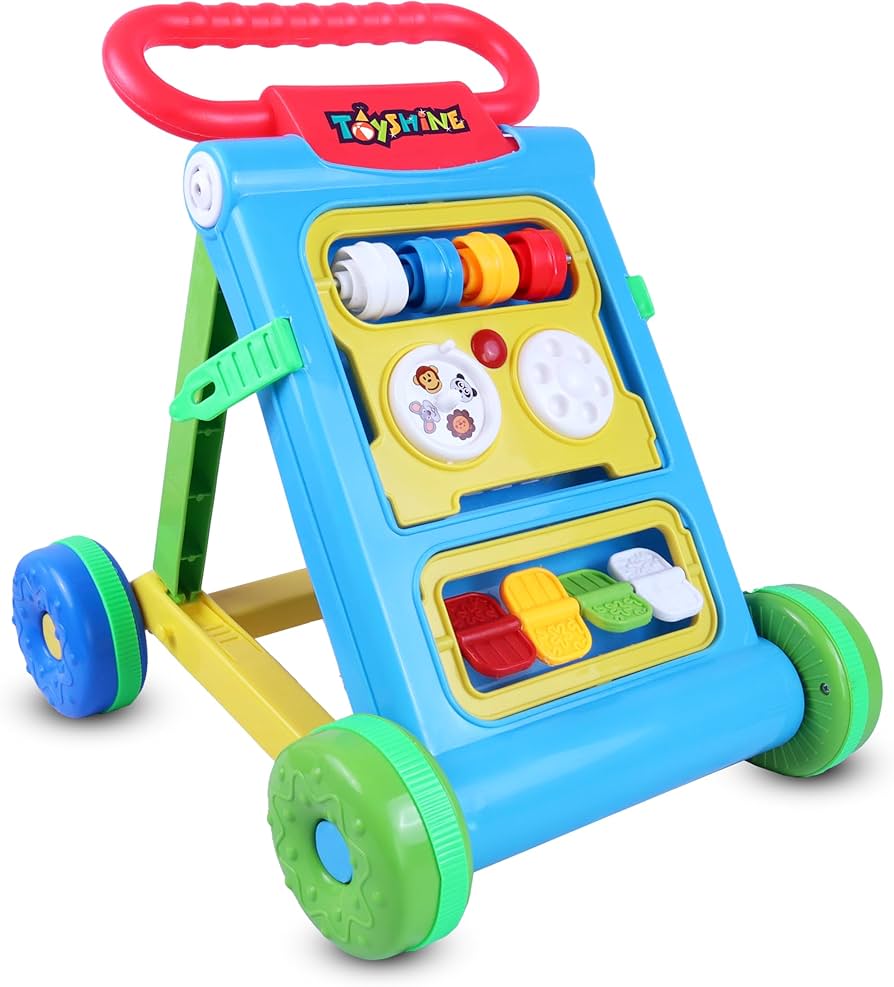
Toyshine Baby Push Walker with Wheels and Ball
- ✓ Wooden construction with smooth wheels
- ✓ Squeaky ball inside for cause-effect learning
- ✓ Handle height suitable for 18-24 months
* We earn a small commission — at no extra cost to you.
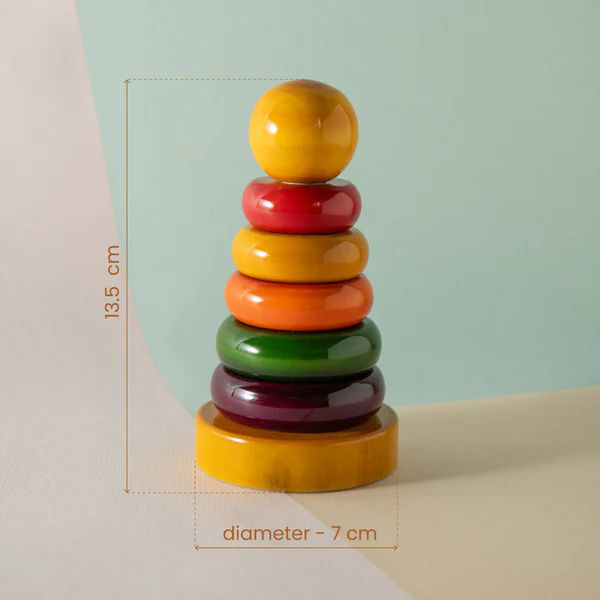
Skillofun Stacking Rings with Wooden Post
- ✓ 6 colorful stacking rings
- ✓ Wooden base post
- ✓ Teaches size sequencing and fine motor skills
* We earn a small commission — at no extra cost to you.
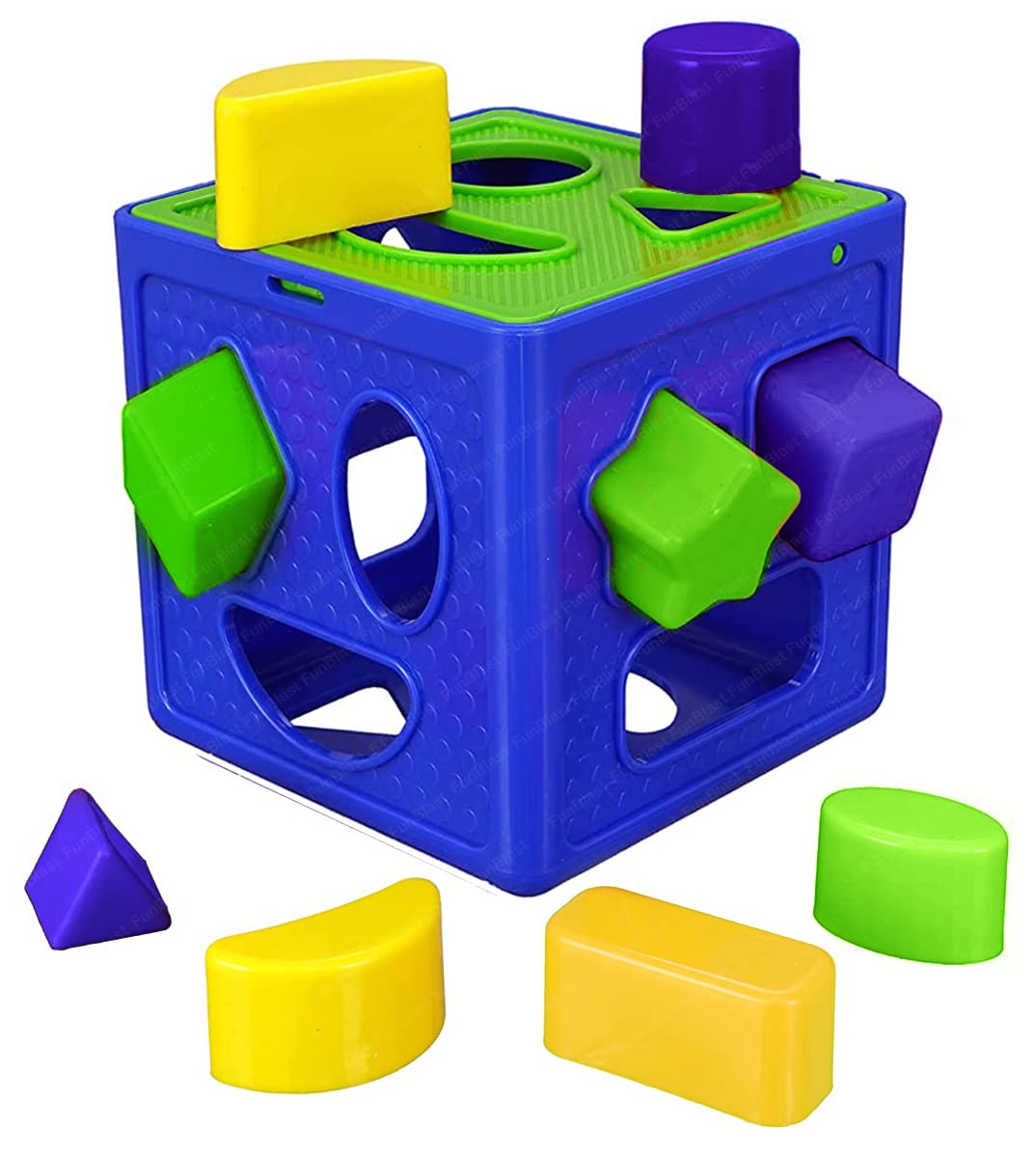
FunBlast Shape Sorter Cube with 4 Shapes
- ✓ 4 large chunky shapes
- ✓ Durable plastic construction
- ✓ Hand-eye coordination development
* We earn a small commission — at no extra cost to you.
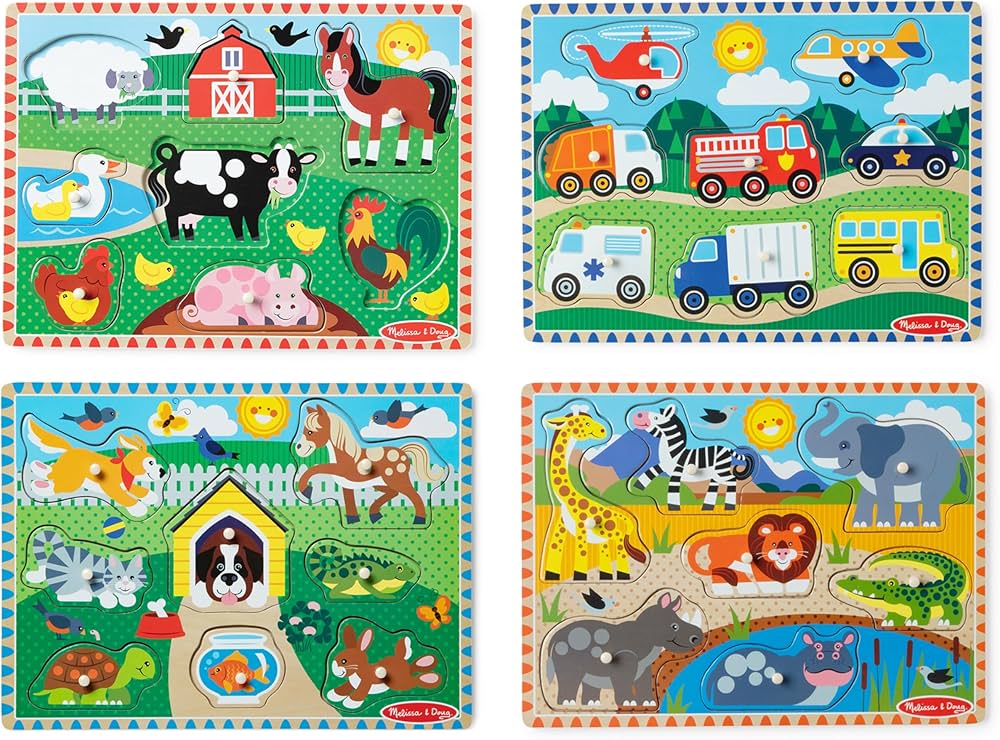
Giggles Chunky Peg Puzzle with Picture Board
- ✓ 6 large wooden pegs
- ✓ Clear picture underneath board
- ✓ Visual matching and fine motor development
* We earn a small commission — at no extra cost to you.
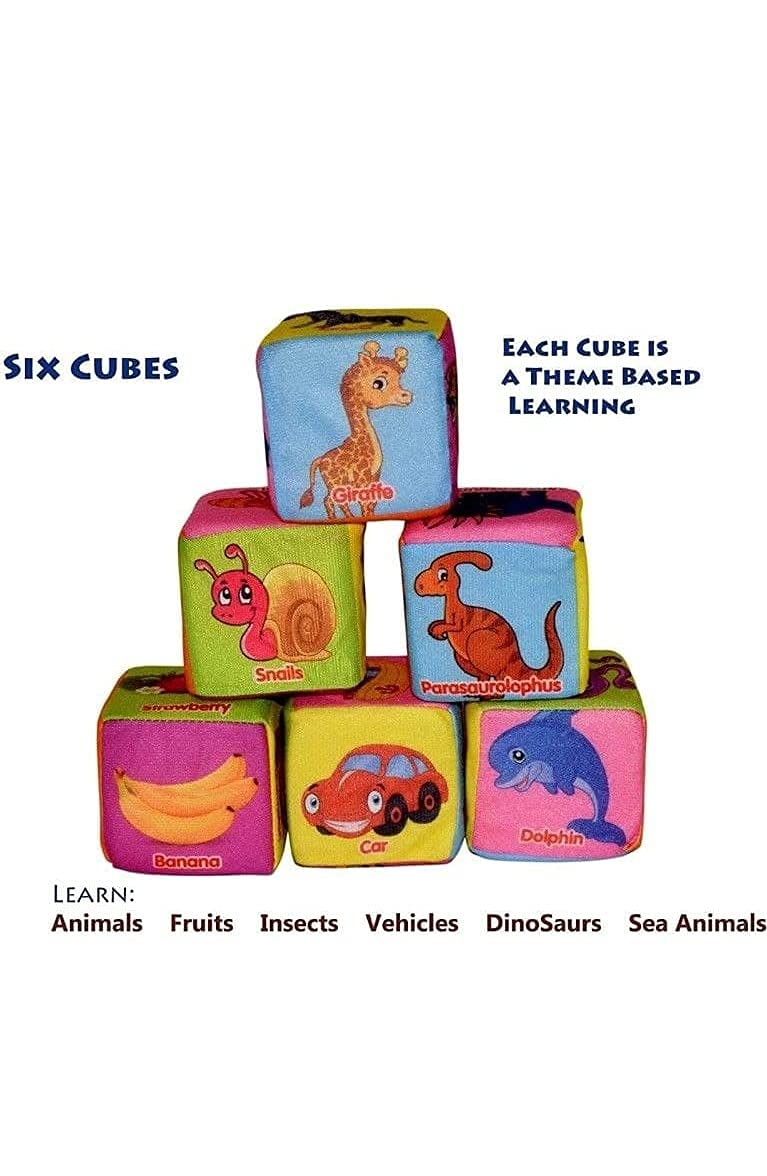
Soft Fabric Blocks Set (12 Pieces)
- ✓ Soft cloth construction (safer than wood)
- ✓ 12 colorful blocks with varied textures
- ✓ Safe for stacking and dropping
* We earn a small commission — at no extra cost to you.