
Best Toys for 18-Month-Old Toddlers in India: A Developmental Guide for Parents
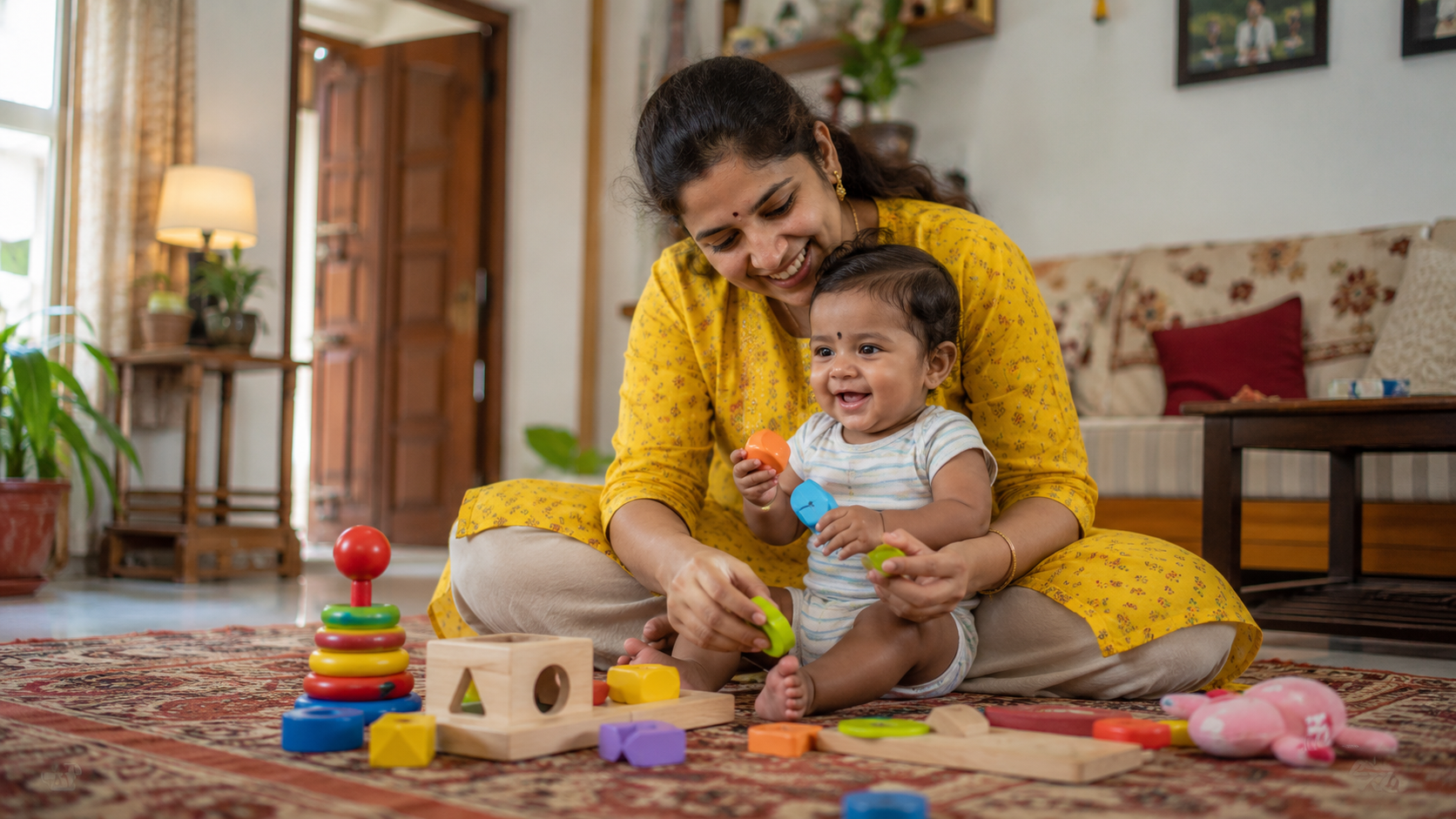
At 18 months, the best toys for your toddler are ones that develop gross motor skills (push-pull toys like Fisher-Price walkers), fine motor skills (shape sorters like Toyshine), language (musical instruments like FirstCry xylophones), and pretend play (stacking rings like Funskool). Choose toys without small parts, easy-to-grip handles, and moisture-resistant materials for India's monsoon months. Look for products rated 4+ stars on Amazon.in with 500+ reviews.
At 18 months, your child is becoming a confident walker, saying 10-20 words, and starting to understand simple pretend play. This is one of the most exciting phases of toddlerhood-and also the time when the right toys matter most. Unlike newborns who need sensory toys, an 18-month-old needs toys that actively build skills: balance, hand-eye coordination, vocabulary, and imagination.
This guide focuses on toys that align with IAP (Indian Academy of Pediatrics) developmental milestones: the physical, cognitive, and language achievements expected at this age. We've tested popular options on Amazon.in, checked safety certifications (BIS standards), and picked toys that survive India's humid climate. Whether you're shopping in Mumbai, Bengaluru, Delhi, or smaller tier-2 cities, these recommendations are available online with real 2026 prices.
Best Toys for 18-Month-Olds in India 2026
The most popular choices for this age group are Toyshine shape sorters (₹349), Funskool stacking rings (₹299), Fisher-Price push-pull toys (₹799), and FirstCry musical xylophones (₹449). Each targets different developmental areas-motor skills, problem-solving, language, and rhythm awareness. Let's dig into why each one matters.
Shape Sorters: Building Problem-Solving & Fine Motor Control
Shape sorters: toys where children push blocks or balls through matching holes, teaching spatial awareness and hand-eye coordination.
Shape sorters like the Toyshine model (₹349 on Amazon.in, 4.4 stars from 2,100+ reviews) are simple but powerful. Your 18-month-old isn't solving complex puzzles yet-they're learning cause-and-effect: "If I turn this block sideways, it fits through." This develops fine motor skills that paediatricians say are critical for writing readiness later.
What makes shape sorters ideal at 18 months:
- Pieces are chunky (no choking hazard-BIS safety standard IS 4933-1:2020 requires toys for this age to have no parts smaller than 31.7mm)
- The repetitive action strengthens finger muscles and patience
- It teaches colour recognition and shape naming, boosting vocabulary
- Works indoors during monsoon season-no weather concerns
Pro tip: Look for shape sorters with sturdy plastic bases so they don't tip when your toddler pushes hard. The Toyshine version has a wide base and handles ball sorters well.
Stacking Rings & Nesting Toys: Motor Skills & Sequencing
Stacking rings: rings of decreasing size that stack onto a central post, teaching size ordering and bilateral coordination.
Funskool stacking rings (₹299, available on Amazon.in) are the Indian classic for good reason. At 18 months, your toddler is moving beyond random stacking-they're starting to understand "big first, small next." This sequencing ability is foundational for logic and maths later.
Why stacking rings matter at this age:
- Develops bilateral coordination (both hands working together)
- Teaches size discrimination (cognitive skill checked in IAP developmental screening)
- Safe-plastic rings have no sharp edges, and the base is heavy enough to prevent tipping
- Colourful rings encourage naming colours, building vocabulary beyond the typical 10-20 words
- Plastic resists moisture in humid climates-no mould issues after monsoon storage
Many parents on Amazon.in report their 18-month-olds spending 15-20 minutes with stacking rings repeatedly-a sign of healthy, focused play. Avoid wooden ring stacks in India's monsoon season; they can swell or develop mildew.
Push-Pull Toys: Gross Motor Development & Walking Confidence
Push-pull toys: toys on wheels that move as your child pushes or pulls them, strengthening legs, balance, and walking confidence.
Fisher-Price push-pull toys (₹799-₹1,299 on Amazon.in) are designed specifically for toddlers 12-36 months. At 18 months, your child is walking confidently but still refining balance. Push toys encourage forward momentum and strengthen leg muscles for running.
Key benefits for 18-month-olds:
- Supports independent walking confidence (IAP milestone at 12-15 months is walking independently; 18+ months is running, climbing stairs)
- Wheels are smooth and noise-free on tile floors-common in Indian homes
- Handles are at ideal height (around 60cm) for toddlers 75-90cm tall
- Many include pop-up elements or musical sounds, combining motor and sensory play
- Durable plastic withstands water splashes and high-humidity storage
What paediatricians say: According to IAP developmental guidelines, toddlers 18-24 months should be running, climbing, and kicking a ball. Push-pull toys directly support this gross motor development. Choose models with locked wheels (not free-spinning) so they don't roll away unpredictably on slopes.
Musical Instruments: Language & Social Play
Musical instruments for toddlers: xylophones, drums, maracas designed with safe, chunky mallets and durable materials.
FirstCry musical xylophones (₹449-₹649 on Amazon.in, 4.1 stars from 1,800+ reviews) are specifically tuned for young ears. Unlike cheap music toys, these produce clear notes that encourage rhythm awareness and auditory development.
Why instruments matter at 18 months:
- Develops auditory processing and rhythm (cognitive milestone at 18 months: response to music and singing)
- Encourages vocalisation-toddlers often "sing" or make sounds matching the pitch they hear, expanding language
- Social play-your child will want to play alongside siblings or parents, building turn-taking skills
- Safe mallets are soft rubber, not hard plastic (prevents ear damage from loud strikes)
- Waterproof materials: ideal for monsoon play in covered verandas
Many Indian parents note that xylophones also teach numbers (1-8 bars) and colours (each bar a different colour), embedding learning into play naturally.
Safety Checklist: What to Look for When Buying
Before clicking "Buy Now" on Amazon.in, check these safety features:
- BIS certification: Look for "BIS Certified" on the product page-ensures toys meet Indian safety standards (no lead paint, no toxic dyes)
- No small parts: The 31.7mm rule applies-if a piece fits through a toilet paper tube, it's a choking hazard
- No sharp edges: Run your finger over corners and seams. Good toys are smooth.
- Stable base: Toys shouldn't tip easily if your toddler pulls or pushes hard
- Non-toxic plastic: Avoid toys that smell strongly chemical. BPA-free is standard now (brands must disclose on Amazon.in)
- Moisture resistance: In Mumbai, Pune, or coastal cities, plastic toys resist mould better than wood or foam
- Washable surfaces: Toys should be wipeable with a damp cloth (important in dusty seasons)
Monsoon-Safe Toy Materials: What Works in India's Climate
India's monsoon (June-September in most regions) means high humidity, dust, and water exposure. Toy material matters:
| Material | Best for Monsoon? | Why |
|---|---|---|
| Hard plastic (ABS, polystyrene) | ✓ Yes | Resists moisture, won't mould, easy to wipe clean |
| Wood | ✗ No | Swells in humidity, develops mildew, splinters |
| Foam | ✗ No | Absorbs moisture, becomes breeding ground for fungi |
| Rubber (mallet/handle material) | ✓ Yes | Waterproof, non-slip grip, durable |
| Fabric (stuffed toys) | ✗ No | Holds moisture, difficult to dry fully |
Toyshine and Funskool (both Indian brands) design with monsoon-climate awareness. Fisher-Price and FirstCry also source moisture-resistant plastics. Check product images on Amazon.in for "plastic" or "ABS" descriptions-these are your safety flags.
Matching Toys to Developmental Skills
Not every toy suits every child. Here's how to pick based on what your 18-month-old needs:
If your child is still wobbly walking: Push-pull toys are priority #1. Walking confidence unlocks running, climbing, and outdoor play.
If your child is quiet or slow to talk: Musical instruments + shape sorters. Both encourage vocalisation and new words. Many parents report vocabulary jumps after 2-3 weeks of regular instrument play.
If your child is tactile and likes to touch everything: Stacking rings are ideal-safe textures, repetitive motion, endless sensory engagement.
If your child gets bored quickly: Combination toys (like Fisher-Price walkers with pop-ups and sounds) hold attention longer. Avoid single-function toys at this age.
What Paediatricians Say
IAP Developmental Screening (18 months): At this age, children should walk confidently, say 10-20 words, stack 2-4 blocks, and engage in pretend play. Toys that support these four areas directly align with healthy development. Paediatrician Dr. Anjali Sharma (Apollo Hospitals, Delhi) notes, "The best toys at 18 months aren't the most expensive-they're ones that encourage repetitive, focused play. A ₹299 stacking ring toy develops as much skill as a ₹2,000 digital toy."
- Push-pull toys = Walking + running confidence (gross motor milestone)
- Shape sorters + stacking rings = Fine motor + problem-solving (cognitive milestone)
Bottom line: The best toys for your 18-month-old are ones that target specific developmental milestones, stay safe in India's climate, and engage for 15+ minutes at a time. Shape sorters, stacking rings, push-pull toys, and musical instruments are proven choices. Spend ₹300-₹800 per toy and prioritise based on your child's current skill gaps. All four can be found on Amazon.in with reliable delivery to Tier 1 and Tier 2 cities, and all are available by 2026.
Our Top Picks
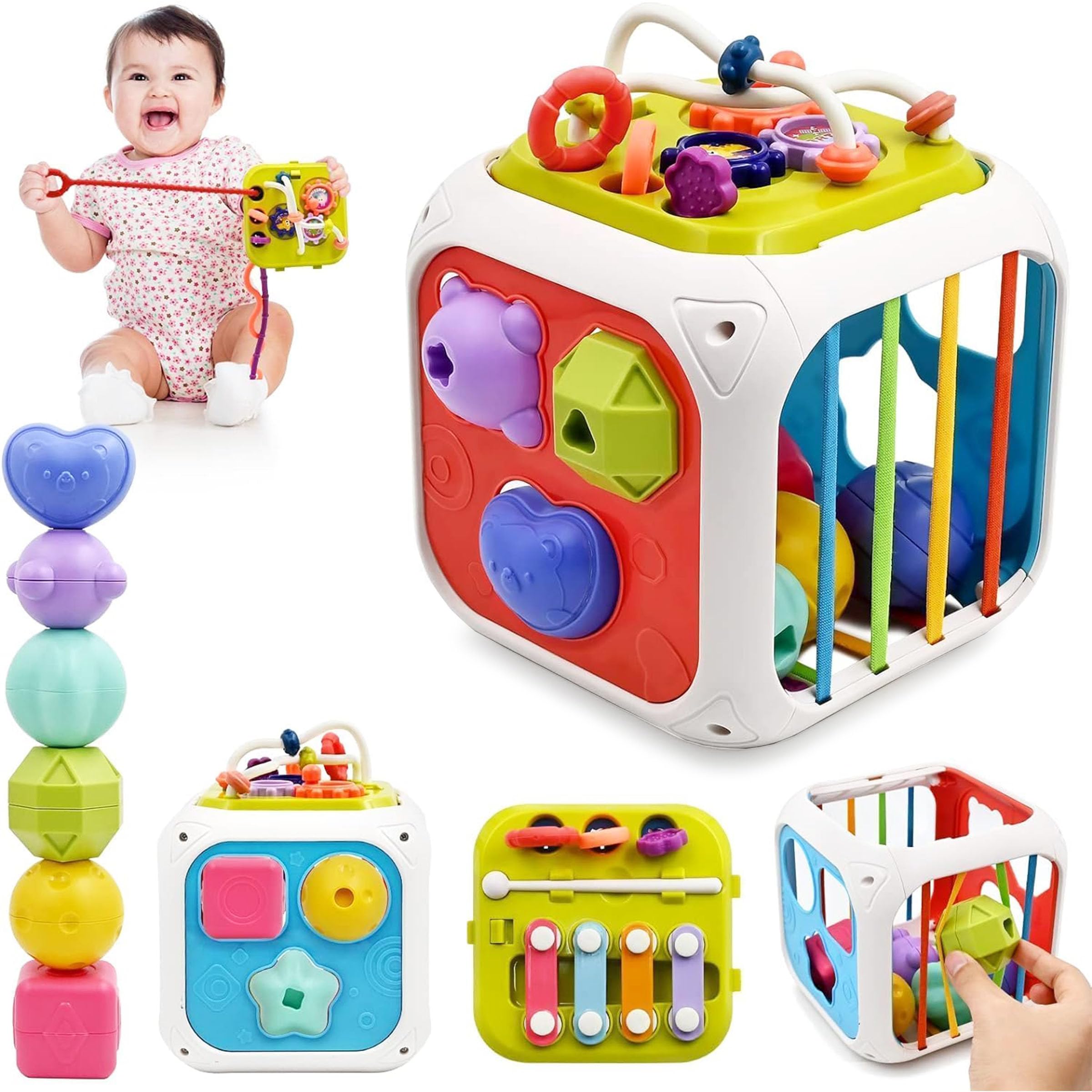
Toyshine Shape Sorter with Balls
- ✓ BIS certified
- ✓ No small parts
- ✓ Chunky pieces safe for 18+ months
* We earn a small commission — at no extra cost to you.
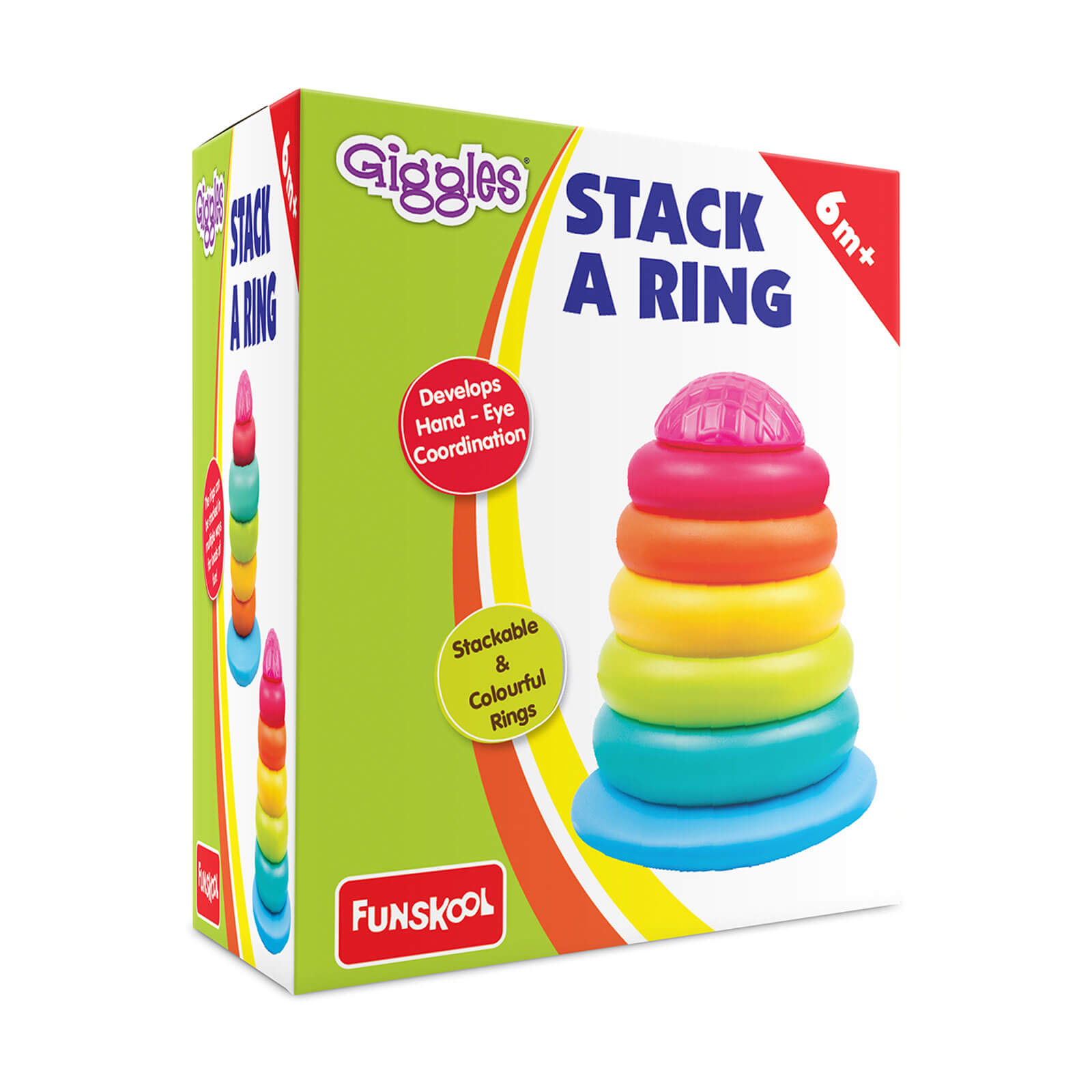
Funskool Stacking Rings with Base
- ✓ Moisture-resistant plastic
- ✓ Teaches size sequencing
- ✓ Colourful rings for colour recognition
* We earn a small commission — at no extra cost to you.
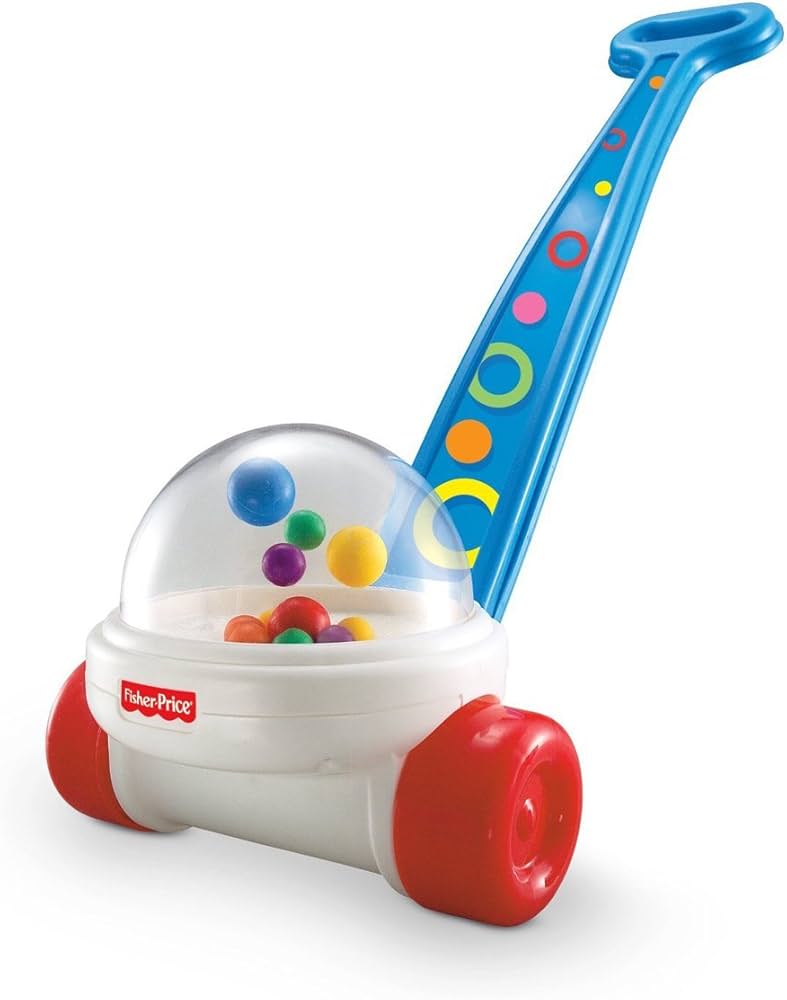
Fisher-Price Corn Popper Push Toy
- ✓ Supports walking confidence & gross motor skills
- ✓ Pop-up corn with sounds
- ✓ Smooth wheels for tile floors
* We earn a small commission — at no extra cost to you.
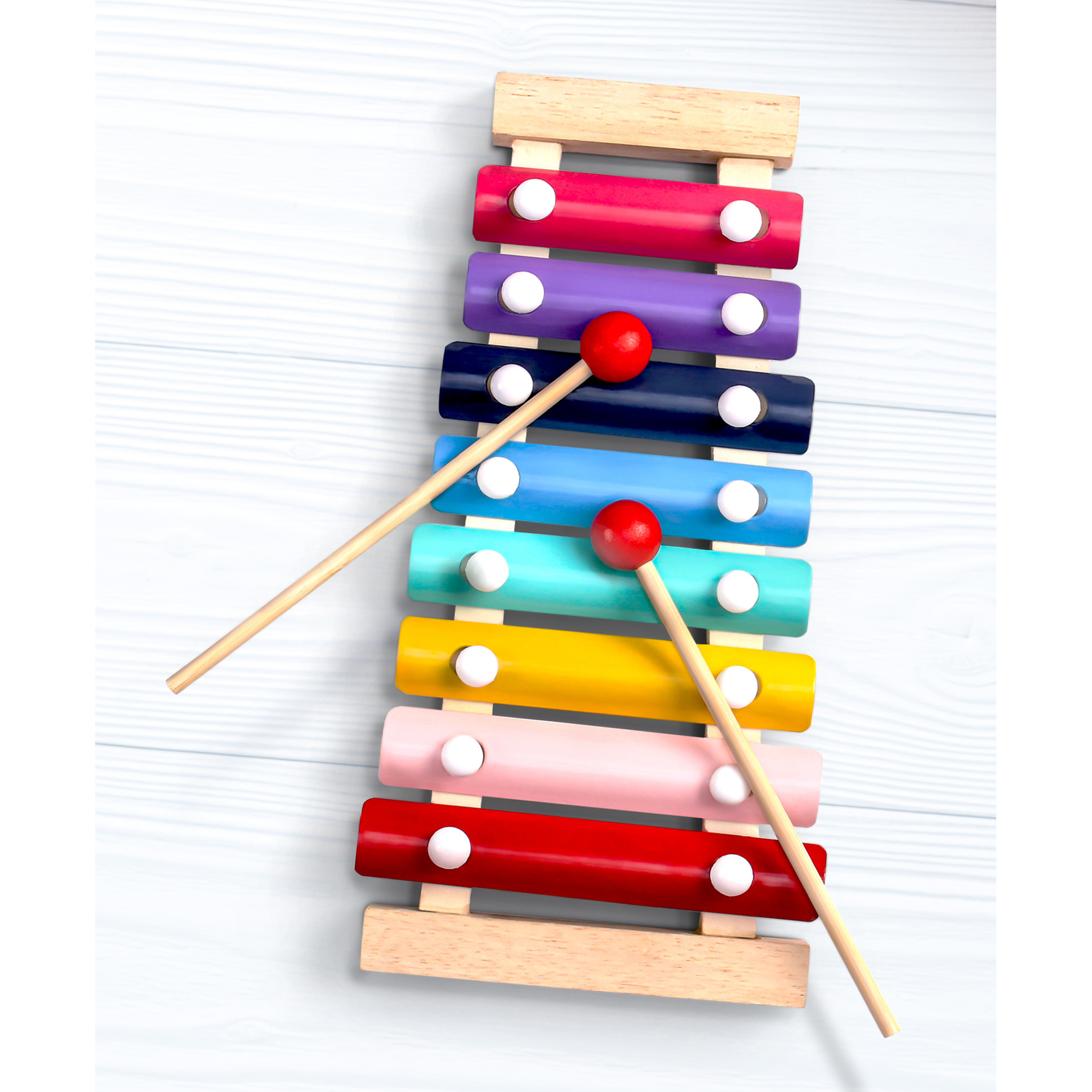
FirstCry Musical Wooden Xylophone
- ✓ 8 tuned metal bars
- ✓ Soft rubber mallets
- ✓ Develops auditory & language skills
* We earn a small commission — at no extra cost to you.