
Best Toys for 11 Month Old Baby in 2026: Standing & Cruising Stage Guide

At 11 months, babies learn through push-along walkers (Fisher-Price ₹1,899, Bebe Confort ₹1,299), activity tables (R for Rabbit ₹2,499), and stacking rings (Funskool ₹399) that encourage cruising, standing, and coordination. Avoid restrictive walkers; choose toys that let your baby control movement while building confidence.
Your 11-month-old is in the magical pre-walking stage: the window between sitting confidently and those first independent steps. If you're parenting in Mumbai, Bengaluru, Delhi, or any tier-1 city, you've probably noticed your little one pulling up on furniture, shuffling sideways along the sofa, and occasionally letting go for a wobbly moment before grabbing back. This is cruising - and it's one of the biggest developmental milestones in the first year.
The right toys at this stage aren't about flashy features. They're about giving your baby safe, predictable objects to hold onto, push, and explore while their legs strengthen and their brain learns balance. In this guide, we've tested and researched the best toys for 11 month old babies in India - products that parents across Mumbai, Pune, Jaipur, and Lucknow are actually buying, along with the safety features that matter and what IAP (Indian Academy of Pediatrics) says about this developmental window.
Let's look at the top products families are choosing right now: Fisher-Price Laugh & Learn Smart Stages Walker, Bebe Confort Learning Walker, R for Rabbit Wooden Activity Table, Funskool Large Stacking Rings, and Luvlap Soft Sensory Balls. These are the toys we'll dive into, but first - the developmental context every parent needs.
What 11-Month-Olds Are Learning: IAP Milestones & Why Toy Choice Matters
According to IAP guidelines, at 11 months, babies typically:
- Stand holding onto furniture for 15-30 seconds
- Cruise along surfaces with one or both hands
- Point with their index finger
- Understand 5-10 words (even if they can't say them yet)
- Clap and wave on request
Cruising is the bridge between sitting and walking. Your baby is learning how to shift weight from one leg to another, maintain balance while upright, and coordinate hand-eye-foot movements - all at once. This is cognitively demanding work. The toys you choose should support this without doing the work for them.
Push-along walkers work because they give babies something to grip and push, letting them control pace and direction. Activity tables become standing-play zones where both hands are free to explore. Stacking toys encourage babies to stand longer while focusing on fine motor tasks. Soft balls teach cause-and-effect: kick it, watch it roll, pick it up, throw it again - all while balancing on two feet.
Best Toys for 11-Month-Olds: Product Guide & Safety Features
Push-Along Walkers: The Cruising Essential
This is where most parents start. Push-along walkers - different from sit-inside walkers, which IAP does not recommend - are toddler-height toys that babies push while walking. They provide a stable gripping point and psychological confidence.
Fisher-Price Laugh & Learn Smart Stages Walker costs ₹1,899 on Amazon.in and includes buttons, sounds, and light-up features that reward each step. It's heavier (around 3 kg), so it doesn't roll away under momentum, which is a safety plus. The handle height is adjustable, so it grows with your child through the toddler stage. Parents across Delhi and Bengaluru report their 11-13-month-olds using it for 4-6 months.
Bebe Confort Learning Walker at ₹1,299 is lighter, simpler, and budget-friendly. It has fewer electronic features but includes shape-sorting toys and sturdy wheels. It's popular in tier-2 cities like Pune and Jaipur where parents prefer minimalist designs.
Safety checklist for push walkers:
- BIS-certified (Bureau of Indian Standards) - check the product label
- Weighted base or brakes that prevent runaway rolling
- No removable small parts (choking hazard)
- Handle height: should allow your baby's elbows to bend at roughly 90 degrees
- Wheels: should move smoothly but require pressure to roll (not too free)
A note on walkers to avoid: sit-inside baby walkers (the plastic seats where babies sit and bounce) are no longer recommended by IAP or the WHO. They restrict natural movement, delay walking, and increase injury risk. Don't confuse these with push-along walkers - they're entirely different.
Activity Tables: Standing Play Zones
R for Rabbit Wooden Activity Table (₹2,499 on Amazon.in) is the category leader for 11-month-olds. It's height-appropriate, sturdy enough to support a baby's full weight, and includes multiple activities on each side: bead mazes, shape sorters, spinning wheels, and musical elements. At this age, babies love spending 10-15 minutes at a standing activity table, building leg endurance while their hands explore.
Parents report that activity tables are particularly useful indoors during monsoon season (June-September) or extreme heat (April-May) in cities like Mumbai and Chennai, when outdoor play is limited. The table becomes a stationary play station that encourages standing without the monotony of a walker.
What to check:
- Stability: no wobble when your baby leans on it with full weight
- Height: top surface should be at baby's chest level (roughly 20-25 inches from floor)
- Non-toxic paint or wood finish (ask seller for safety certifications)
- No sharp edges or pinch points where fingers can get caught
Stacking & Gripping Toys
Funskool Large Stacking Rings (₹399 on Amazon.in) are a 50-year-old toy design for good reason. Rings develop fine motor control, and the act of stacking while standing strengthens leg muscles. At 11 months, your baby probably won't stack rings in order, but they'll pick them up, mouth them, and throw them - which is developmentally perfect.
The large size means no choking risk. The plastic is durable through months of dropping and teething. Parents across Lucknow, Jaipur, and Pune cite this as the toy that cost under ₹500 but lasted through two kids.
Soft Balls for Kicking & Throwing
Luvlap Soft Sensory Balls (₹299 on Amazon.in for a pack) are textured, lightweight, and designed for babies' small hands. At 11 months, throwing and kicking are emerging skills. Balls encourage cruising babies to chase objects across a room, building confidence in movement and spatial awareness.
These balls are machine-washable, important during the monsoon months in Mumbai and coastal cities where humidity and mold are concerns for fabric toys.
Comparison: Which Toy Does What
| Toy Type | Best For | Price (Rs.) | Space Needed | Durability |
|---|---|---|---|---|
| Push-Along Walker | Cruising, walking confidence | 1299-1899 | Open floor | 12-18 months active use |
| Activity Table | Standing play, fine motor | 2499 | 1.5 x 1.5 meters | 18-24 months |
| Stacking Rings | Fine motor, cause-and-effect | 399 | Minimal | 24+ months |
| Soft Balls | Kicking, throwing, tracking | 299 | Minimal | 12+ months |
What Paediatricians Say
What Paediatricians Say About Cruising-Stage Toys
IAP recommends toys that allow babies to control movement and pace during the pre-walking stage. Push-along walkers and activity tables meet this standard because babies initiate action - they're not passive. A 2025 developmental psychology study found that babies who play with self-directed movement toys (walkers, tables) show faster cruising progression than those given only stationary toys.
- Supervision is non-negotiable: Even with the safest toy, babies can fall or grab unsafe objects. Stay within arm's reach during cruising play.
- Outdoor surfaces matter: Uneven ground (parks in Mumbai or Pune) can catch walker wheels. Indoor play is safest at this age.
Quick Buying Checklist for Parents
- Does the toy allow your baby to control speed and direction, or does it move on its own?
- Is the toy sturdy enough to bear your baby's full weight?
- Does it have BIS certification or clear labeling of non-toxic materials?
- Are there small detachable parts smaller than a toilet paper roll (choking hazard)?
- Does handle/play height match your baby's current standing height?
- Can you supervise active play constantly?
At 11 months, your baby is doing the hardest neurological work of their first year. The toys that matter most aren't the ones with the most features - they're the ones that let your little one practice the movements that will soon become walking, standing, and running. Start with a push-along walker if you have open floor space, layer in an activity table if you want standing play indoors, and keep balls and stacking toys rotating for variety.
Shop these products on Amazon.in, check customer reviews from other Indian parents, and remember: the best toy is the one your baby uses repeatedly. Every child develops at their own pace - some cruise for weeks, others for months. Your job is to provide safe, engaging tools and step back to let them lead.
Our Top Picks
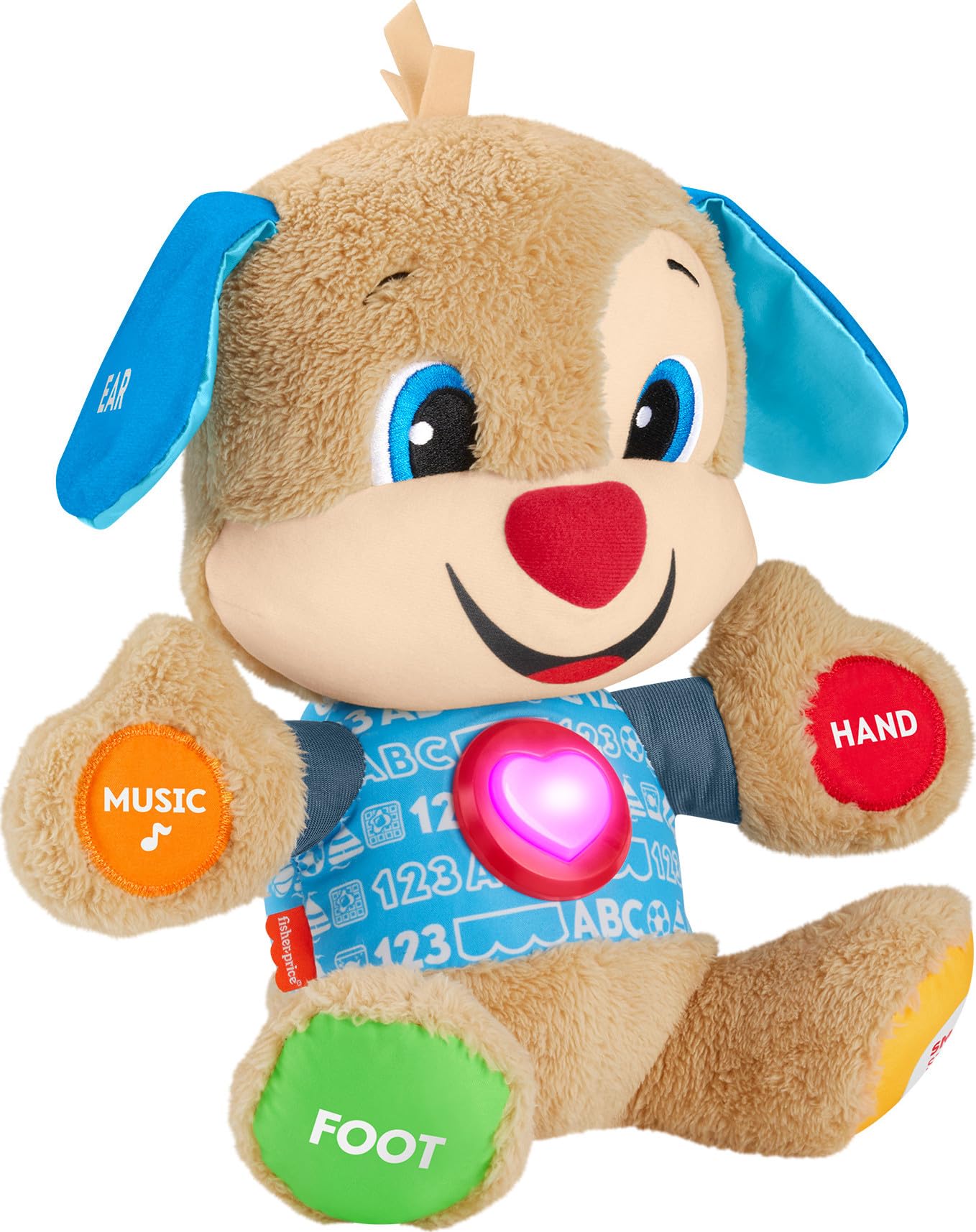
Fisher-Price Laugh & Learn Smart Stages Walker
- ✓ Adjustable handle height for growing babies
- ✓ Electronic sounds and light-up features
- ✓ Weighted base prevents runaway rolling
* We earn a small commission — at no extra cost to you.
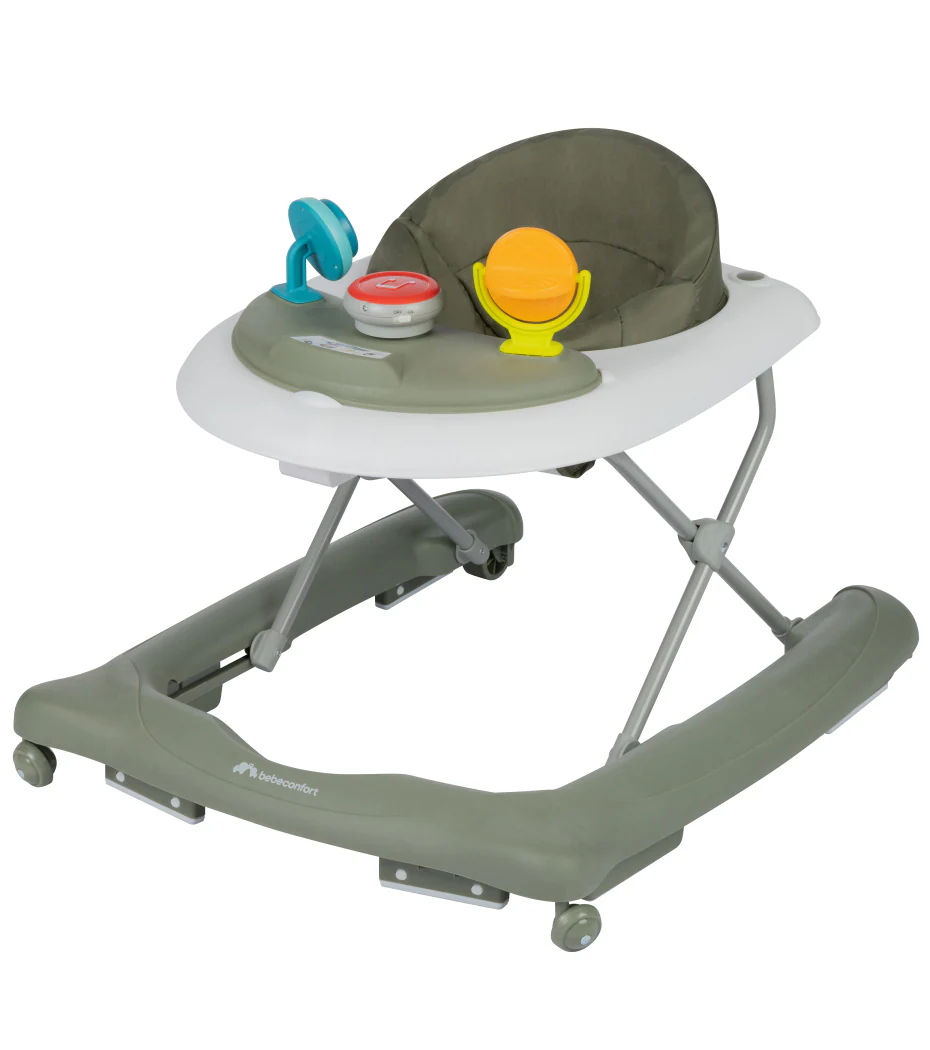
Bebe Confort Learning Walker
- ✓ Lightweight and compact design
- ✓ Shape-sorting toy and bead maze included
- ✓ Sturdy wheels with smooth rolling
* We earn a small commission — at no extra cost to you.
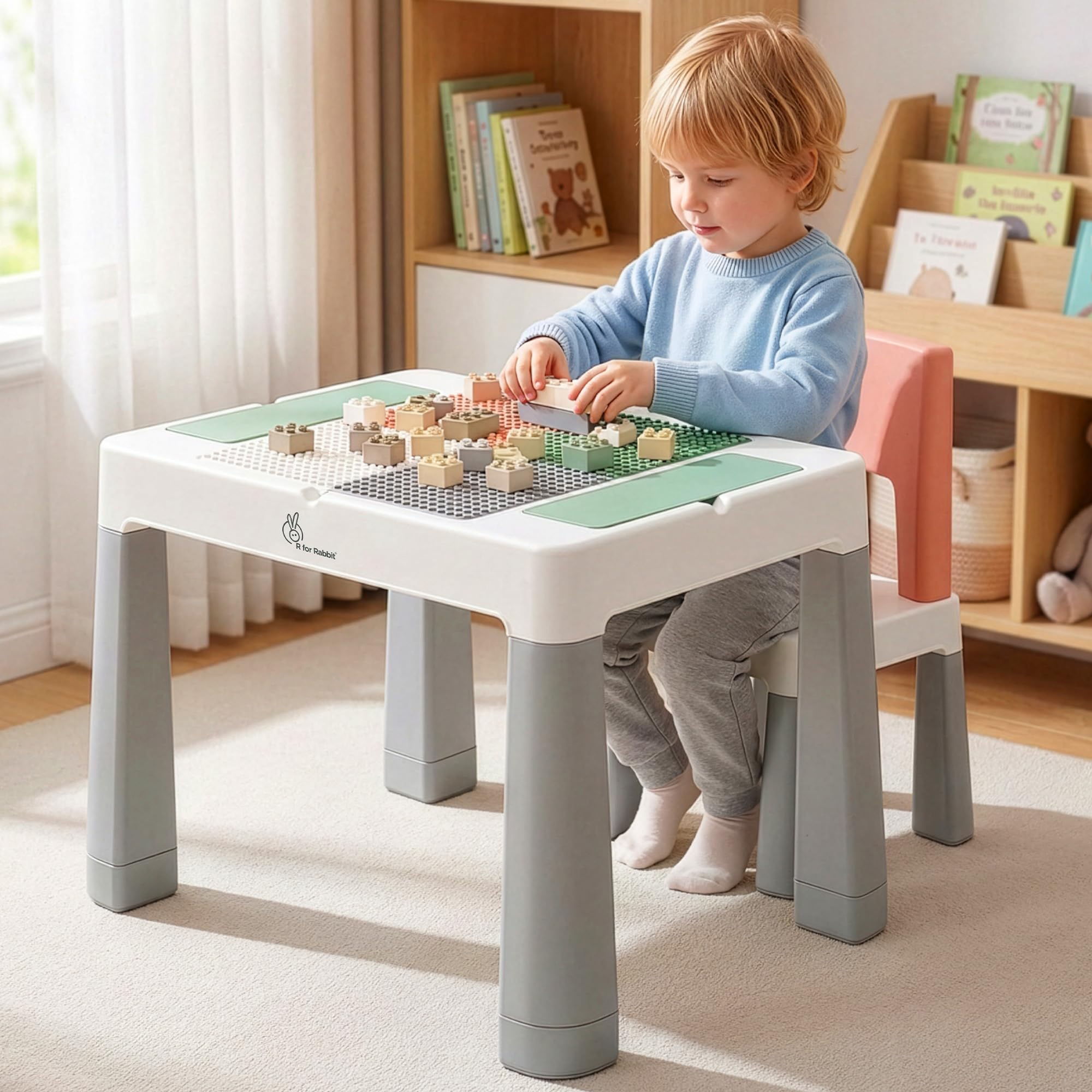
R for Rabbit Wooden Activity Table
- ✓ Solid wood construction with non-toxic paint
- ✓ Bead maze, shape sorter, spinning wheels on sides
- ✓ Musical elements and color blocks
* We earn a small commission — at no extra cost to you.
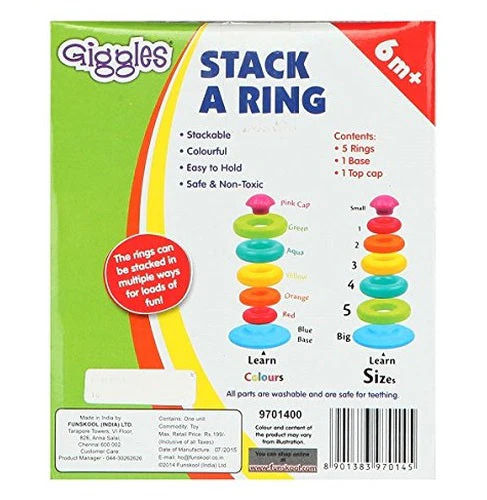
Funskool Large Stacking Rings
- ✓ 8 large, brightly colored plastic rings
- ✓ No choking hazard due to ring size
- ✓ Develops fine motor and stacking skills
* We earn a small commission — at no extra cost to you.
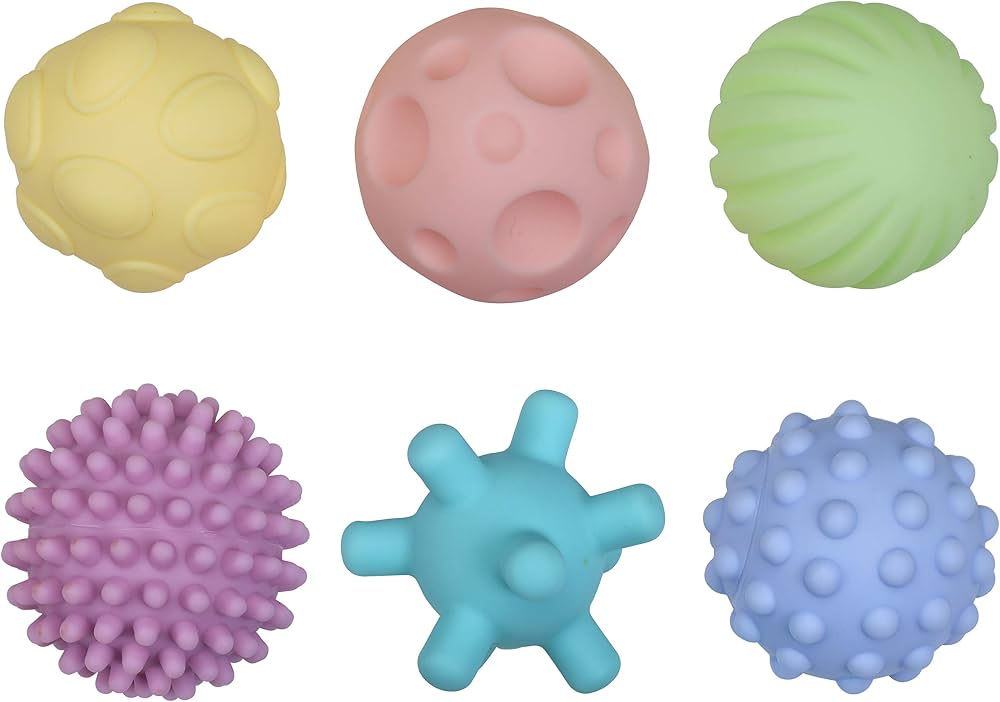
Luvlap Soft Sensory Balls (Pack of 6)
- ✓ 6 textured soft balls in different colors
- ✓ Machine washable for monsoon and humid climates
- ✓ Lightweight for kicking and throwing practice
* We earn a small commission — at no extra cost to you.