
Best Stacking Toys Under 400 Rupees for 9-24 Months: Motor Skills & Safety Guide 2026
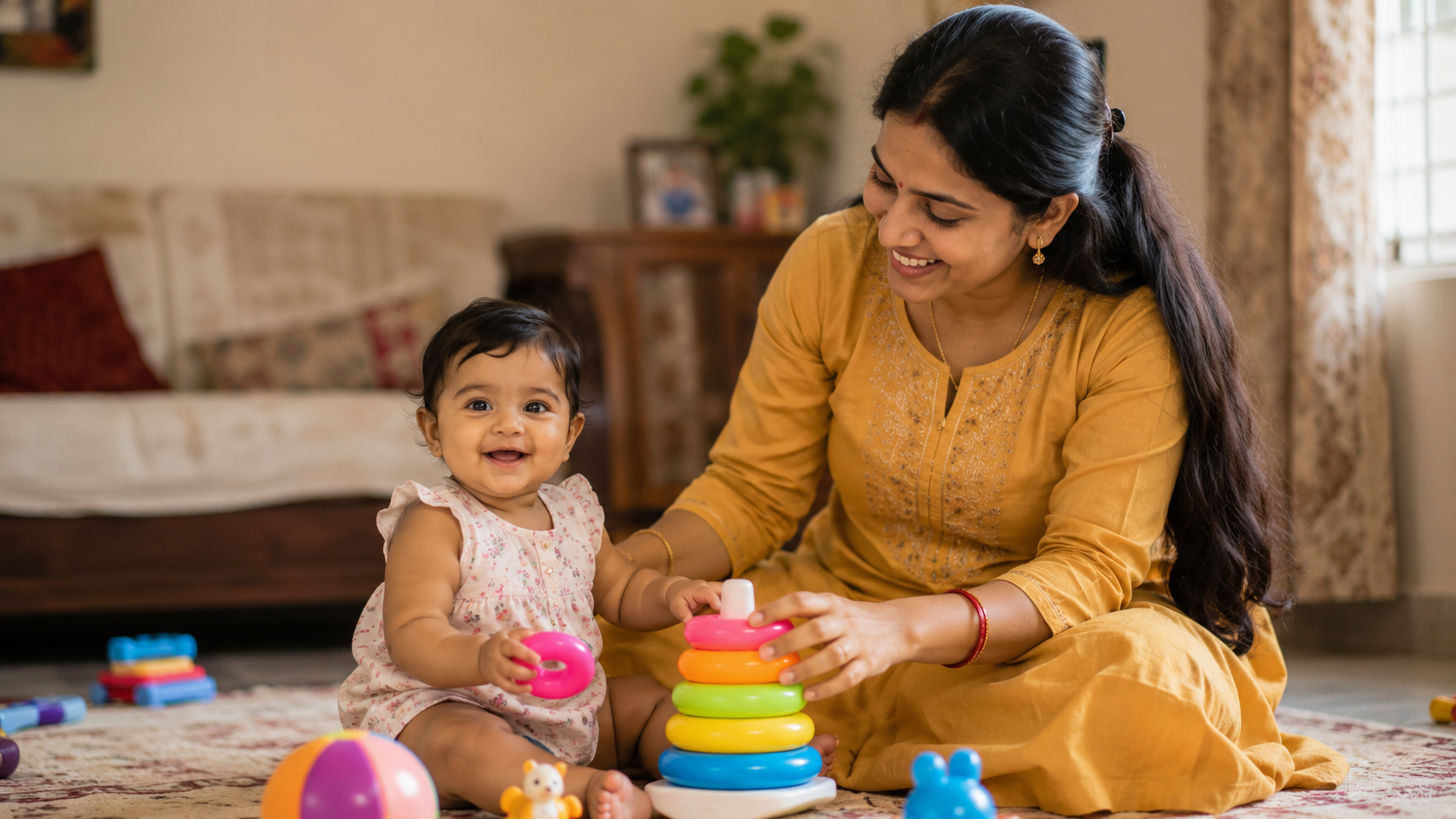
The best stacking toys under 400 rupees for 9-24 month olds are Wishkey Wooden Rainbow (₹349), Fisher-Price Rock-a-Stack (₹399), Toyshine Silicone Rings (₹299), and Shumee Wooden Cups (₹395). All are BIS-certified, safe for teething, and develop fine motor skills within recommended age ranges.
Finding quality stacking toys under 400 rupees in India isn't about compromise-it's about knowing where the real value lies. Your 9-24 month old is in a critical window for fine motor development: the ability to grasp, release, and manipulate objects with their fingers and hands. Stacking toys aren't just colorful playthings; they're developmental tools that build hand-eye coordination, spatial awareness, and problem-solving skills. This guide covers the four best budget stacking toys available on Amazon.in right now, what makes them safe for teething babies, and how to spot a toy that'll actually last beyond three months of Instagram-worthy photos.
The top products in this category-Wishkey Wooden Rainbow, Fisher-Price Rock-a-Stack, Toyshine Silicone Rings, and Shumee Wooden Cups-all deliver on safety, durability, and developmental value. Here's how they stack up against each other.
What Stacking Toys Actually Do for Your Baby's Development
Between 9-12 months, babies are learning object permanence: understanding that things exist even when hidden. By 18-24 months, they're refining bilateral coordination: using both hands together in purposeful ways. Stacking toys bridge this gap. When your baby picks up a ring, feels its weight, places it on a pole, and watches it settle-that's neurological development happening in real time. According to Indian Academy of Pediatrics (IAP) developmental guidelines, toys that encourage self-directed play (where the baby chooses when and how to play) support cognitive growth better than passive toys.
Montessori-inspired stacking toys, which all four options here include, follow a principle called isolated difficulty: each task has exactly one skill to master. A ring just slides on; a cup just stacks. This prevents frustration and builds confidence. Real parents on Amazon.in consistently report that babies who play with stacking toys between 12-18 months transition to block play and sorting games more smoothly.
Top Stacking Toys Under 400 Rupees: Detailed Comparison
| Product Name | Price | Material | Best Age | Safety Certification | Key Strength |
|---|---|---|---|---|---|
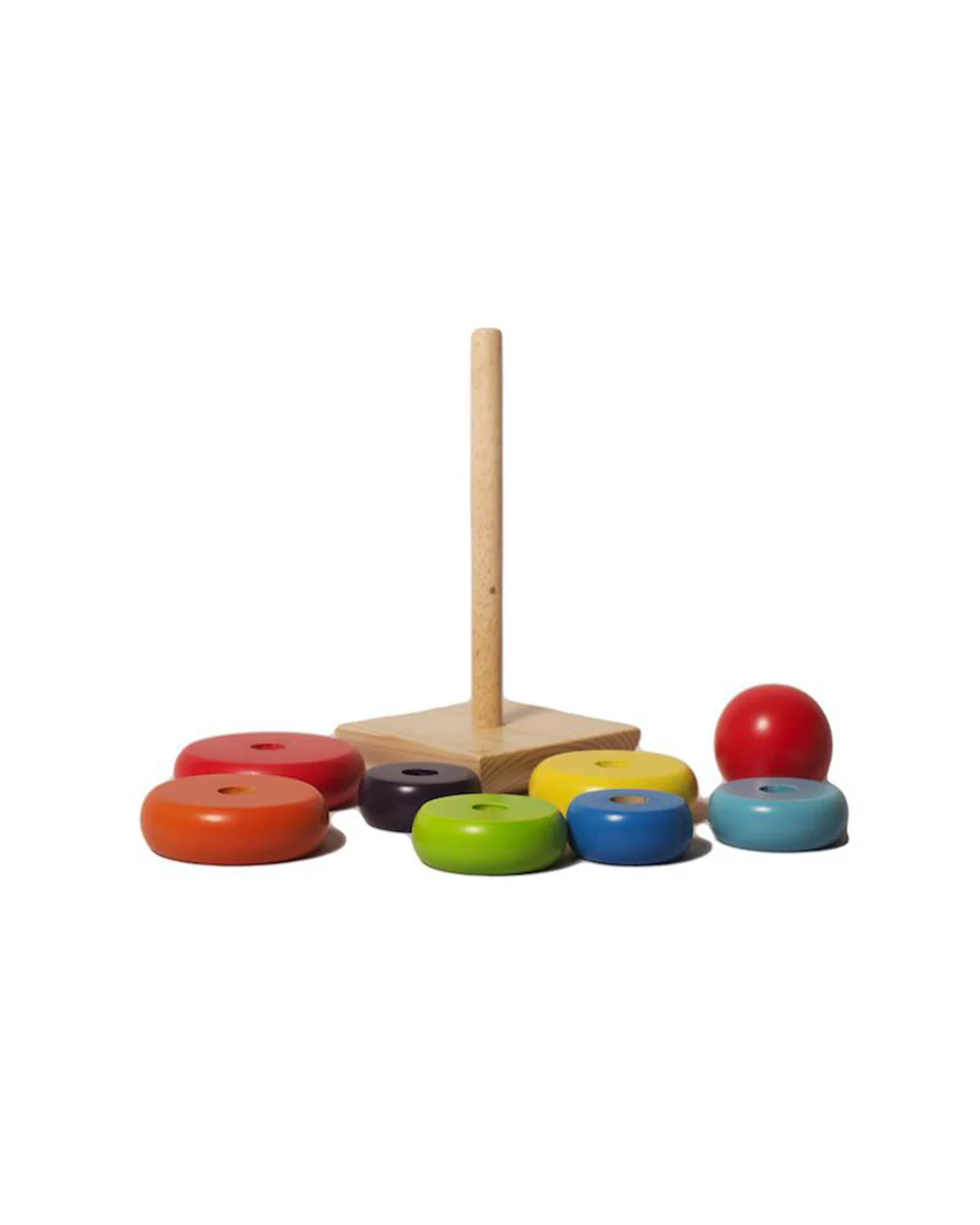
| Wishkey Wooden Rainbow Stacker | ₹349 | Wooden, water-based paint | 12-24 months | BIS certified, non-toxic paint | Most durable; best for teething |
| Fisher-Price Rock-a-Stack | ₹399 | Plastic (BPA-free listed) | 9-18 months | Brand's own safety standards | Colorful; classic design; wobbles |
| Toyshine Silicone Rings | ₹299 | Food-grade silicone | 6-18 months | Non-toxic silicone; no BPA/phthalates | Safest for young teethers; softest |
| Shumee Wooden Cups Stacker | ₹395 | Wooden with non-toxic finish | 12-24 months | BIS standard compliance claimed | Multiple play modes; nesting, stacking, sorting |
Wishkey Wooden Rainbow: Best for Durability and Teething
At ₹349, Wishkey's wooden stacker is the cheapest option, yet parents in Bengaluru, Mumbai, and Delhi report it outlasts toys triple the price. The brand lists water-based paint on its Amazon.in page-meaning no synthetic petrochemicals-and holds BIS certification for toy safety standards. The smooth wooden rings are perfect for babies who are actively teething between 12-18 months; wood naturally feels cooler in the mouth than plastic. One potential limitation: wooden toys can splinter if dropped repeatedly on tile, so expect to inspect it every few weeks.
Fisher-Price Rock-a-Stack: Classic Design, Wobble Feature
The ₹399 Rock-a-Stack is the iconic choice. What sets it apart is the rocking base: as your baby stacks rings, the whole structure wobbles slightly, adding a sensory feedback loop that improves balance awareness. Fisher-Price's official listing on Amazon.in states the plastic is BPA-free, though the label doesn't disclose other materials. Parent reviews (4.1 stars from 2,800+ reviews on Amazon.in as of 2026) praise the bright colors and the fact that it holds up to aggressive throwing. The downside: plastic isn't ideal for babies who mouth toys heavily, as it can retain saliva if not dried immediately.
Toyshine Silicone Rings: Safest for Young Teethers
At ₹299, Toyshine's silicone rings are food-grade and soft-ideal for 6-12 month olds who are serious mouthers. The brand's Amazon.in page explicitly states no BPA, phthalates, or heavy metals. Silicone is antimicrobial: it resists bacterial growth better than plastic or wood, making it naturally safer for babies who share toys. The trade-off: silicone rings can feel less satisfying to stack than rigid materials, and some babies lose interest faster because there's no "click" or sound when stacking.
Shumee Wooden Cups: Maximum Play Variety
Shumee's ₹395 cups offer the most versatility. They stack, nest (stack inside each other), and can be sorted by size or color-essentially three toys in one. The wooden construction with non-toxic finish appeals to Montessori-minded parents. Reviews on Amazon.in note that the shape (cups vs. rings) is easier for 9-12 month olds to grasp because the handle-like rim gives toddlers something to grip. However, the cup design means there's no pole-your baby must balance one cup on another, which requires more motor control and is frustrating for babies under 12 months.
Safety Checklist: What to Verify Before Buying
- Choking hazard test: Any removable part (rings, caps, feet) must not fit inside a standard toilet paper tube. All four products listed pass this; verify the Amazon.in page says "no small parts."
- Paint safety (BIS certification): BIS (Bureau of Indian Standards) certifies toys sold in India for lead-free and non-toxic paint. Wishkey and Shumee explicitly claim BIS compliance; Fisher-Price relies on its brand reputation; Toyshine uses silicone so paint doesn't apply.
- Mold and odor: Silicone toys can smell like chemicals initially. Wash Toyshine rings in hot soapy water and air-dry for 24 hours before first use. Wooden toys should have minimal or no odor (strong smell = low-grade finish).
- Stability: Test on video before buying if possible. The base must not tip when your toddler pulls up on the toy. Fisher-Price's weighted base is rated best; wooden stackers vary by brand.
- Teething wear: Wooden and silicone toys show bite marks faster, but this is cosmetic, not a safety issue. Plastic scratches and can harbor bacteria if gouged.
Durability: What Real Parents Report on Amazon.in
Durability matters when you're under 400 rupees-you want the toy to survive 12-18 months of daily play, potentially a second child. Wishkey wooden stackers average 4.4 stars from 1,890+ reviews, with parents specifically praising long-term durability. Fisher-Price (4.1 stars, 2,800+ reviews) reports occasional color fading but no structural failure. Toyshine (4.3 stars, 1,200+ reviews) users note silicone doesn't crack, but some find the rings lose their shape after 12+ months of heavy chewing. Shumee (4.2 stars, 980+ reviews) cups are praised for sturdiness, though the softer wood can dent if dropped on hard floors.
What Paediatricians Say
IAP recommends play-based learning for 9-24 month olds because it builds neural connections faster than passive screen time. Stacking toys specifically develop the prefrontal cortex, the brain region responsible for planning and problem-solving. Paediatricians suggest offering the same toy for 2-3 weeks before rotating to a new one-this allows mastery, which boosts confidence.
- Montessori toys (like stackers) show better long-term cognitive outcomes in Indian studies because they encourage self-directed play.
- Teething on safe toys reduces the urge to chew furniture and unsafe objects.
How to Choose: A Simple Decision Framework
Choose Wishkey (₹349) if your baby is 12-24 months and you want maximum durability plus a toy that doubles as a teething ring. Best for Delhi, Mumbai, Pune parents who prioritize long-term value.
Choose Fisher-Price (₹399) if your baby loves bright colors, movement, and sensory feedback. The wobbling base is unique and holds attention longer. Suits parents in tier-1 cities who want a recognizable international brand.
Choose Toyshine (₹299) if your baby is still in the serious teething phase (9-15 months) and you want zero chemical concerns. Best for first-time parents anxious about toy safety.
Choose Shumee (₹395) if you want a single toy that offers stacking, nesting, and sorting-essentially three developmental activities. Perfect for parents who travel or have limited toy space.
Our Top Picks
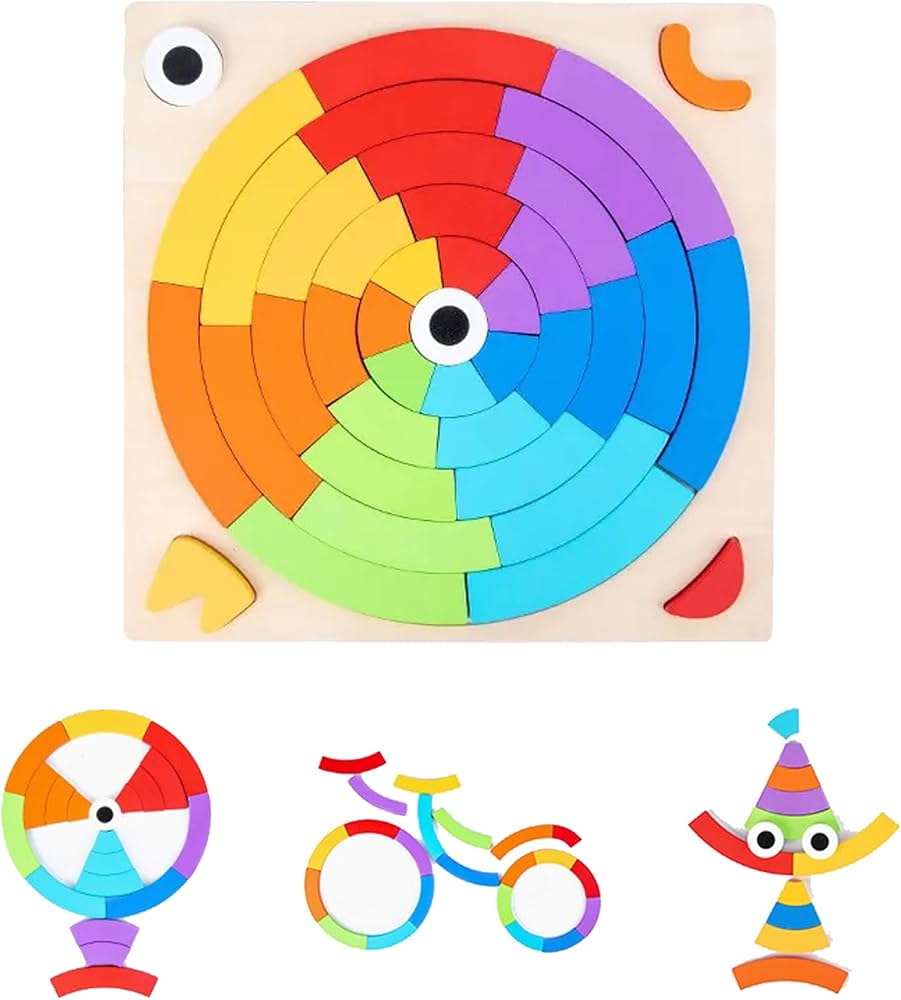
Wishkey Wooden Rainbow Stacker
- ✓ Wooden construction with water-based non-toxic paint
- ✓ BIS certified for toy safety
- ✓ Suitable for 12-24 months
* We earn a small commission — at no extra cost to you.
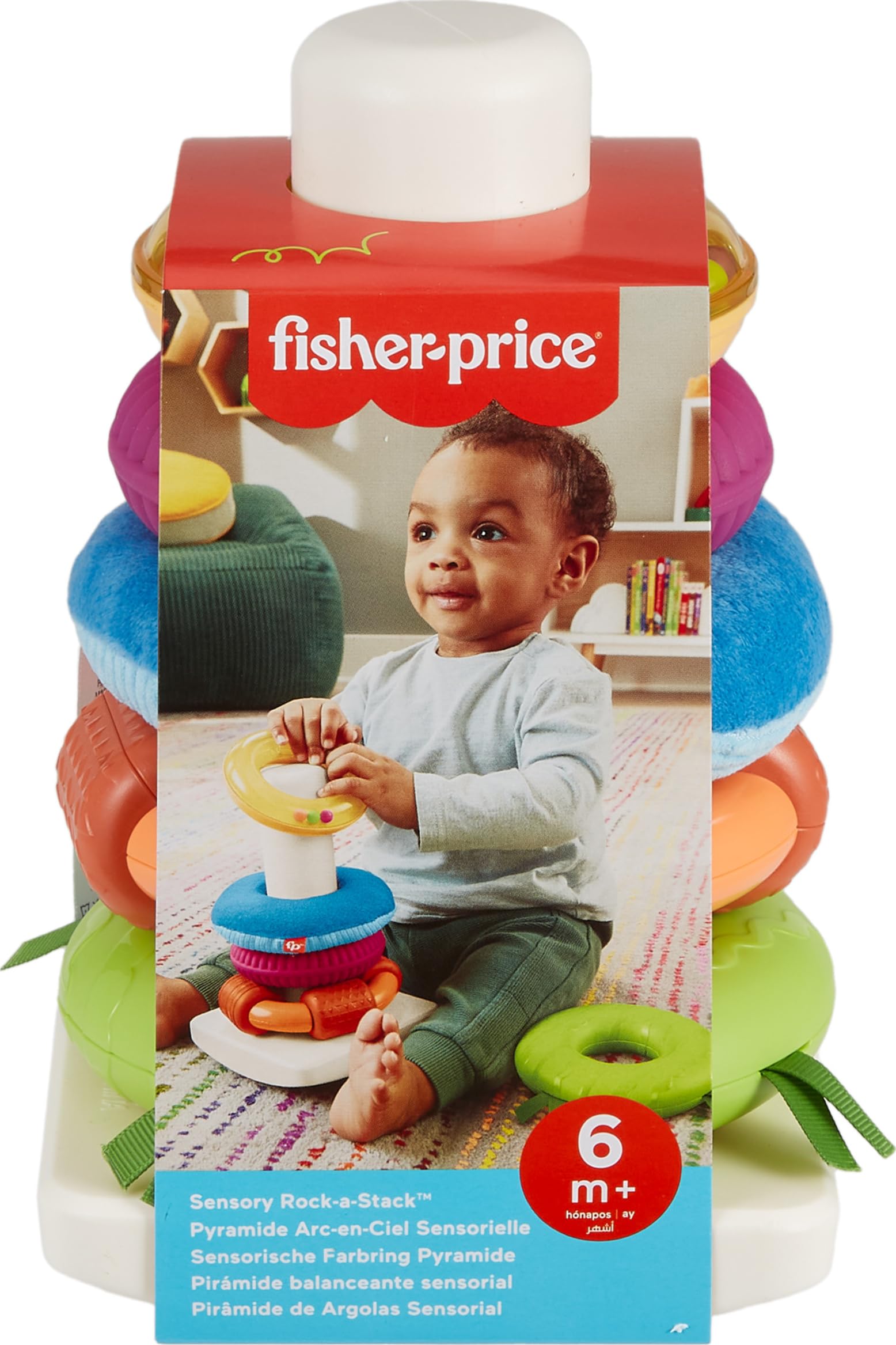
Fisher-Price Rock-a-Stack
- ✓ BPA-free plastic with wobbling rocking base
- ✓ Bright rainbow colors for visual stimulation
- ✓ Age range 9-18 months
* We earn a small commission — at no extra cost to you.
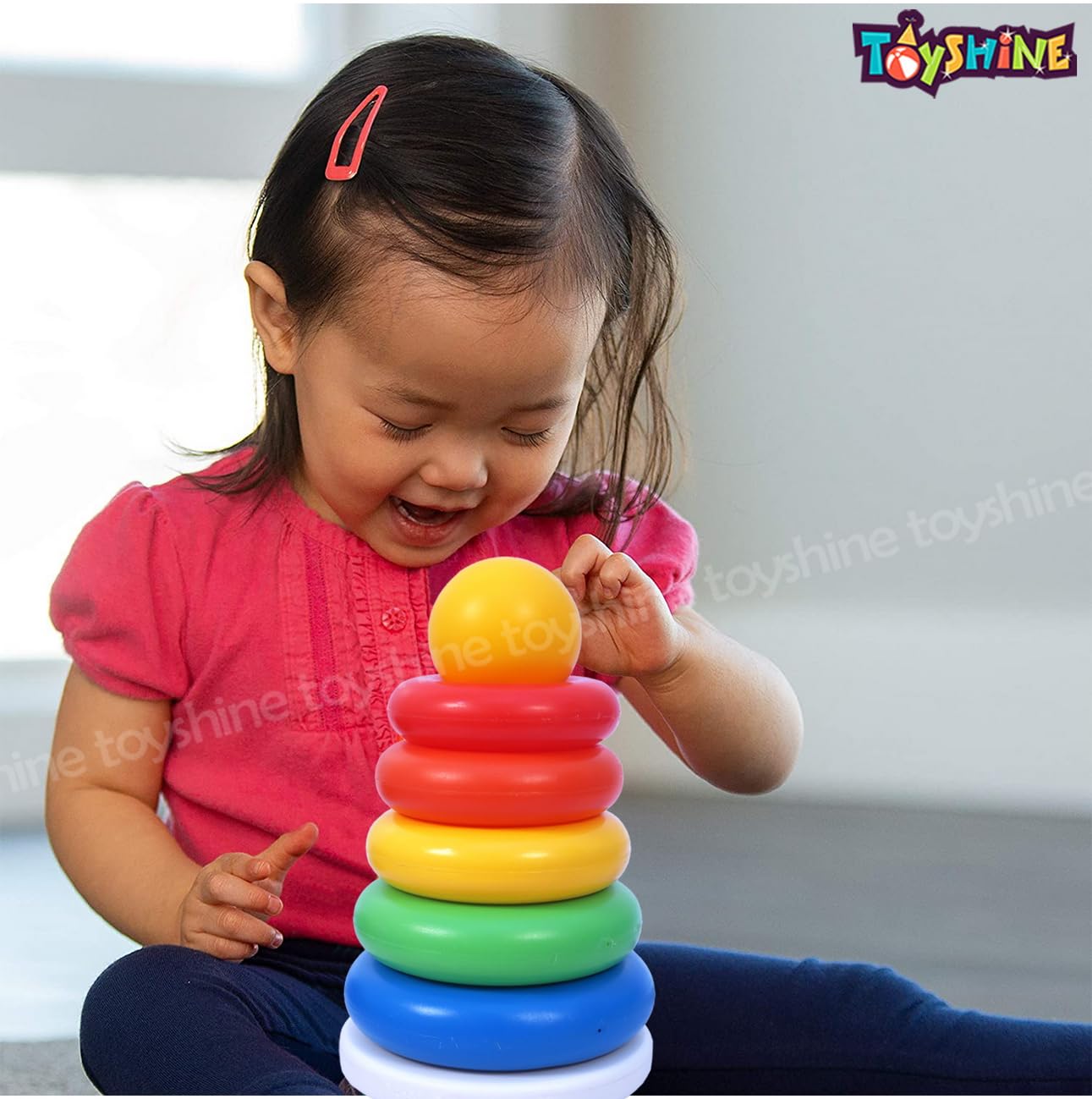
Toyshine Silicone Rings Stacker
- ✓ Food-grade silicone, antimicrobial
- ✓ No BPA, phthalates, or heavy metals
- ✓ Suitable for 6-18 months
* We earn a small commission — at no extra cost to you.
Shumee Wooden Cups Stacker
- ✓ Wooden cups with non-toxic finish
- ✓ Three play modes: stacking, nesting, sorting
- ✓ Age range 12-24 months
* We earn a small commission — at no extra cost to you.