
Best Non-WiFi Baby Monitors for Power Cuts in India 2026: DECT & RF Models Tested
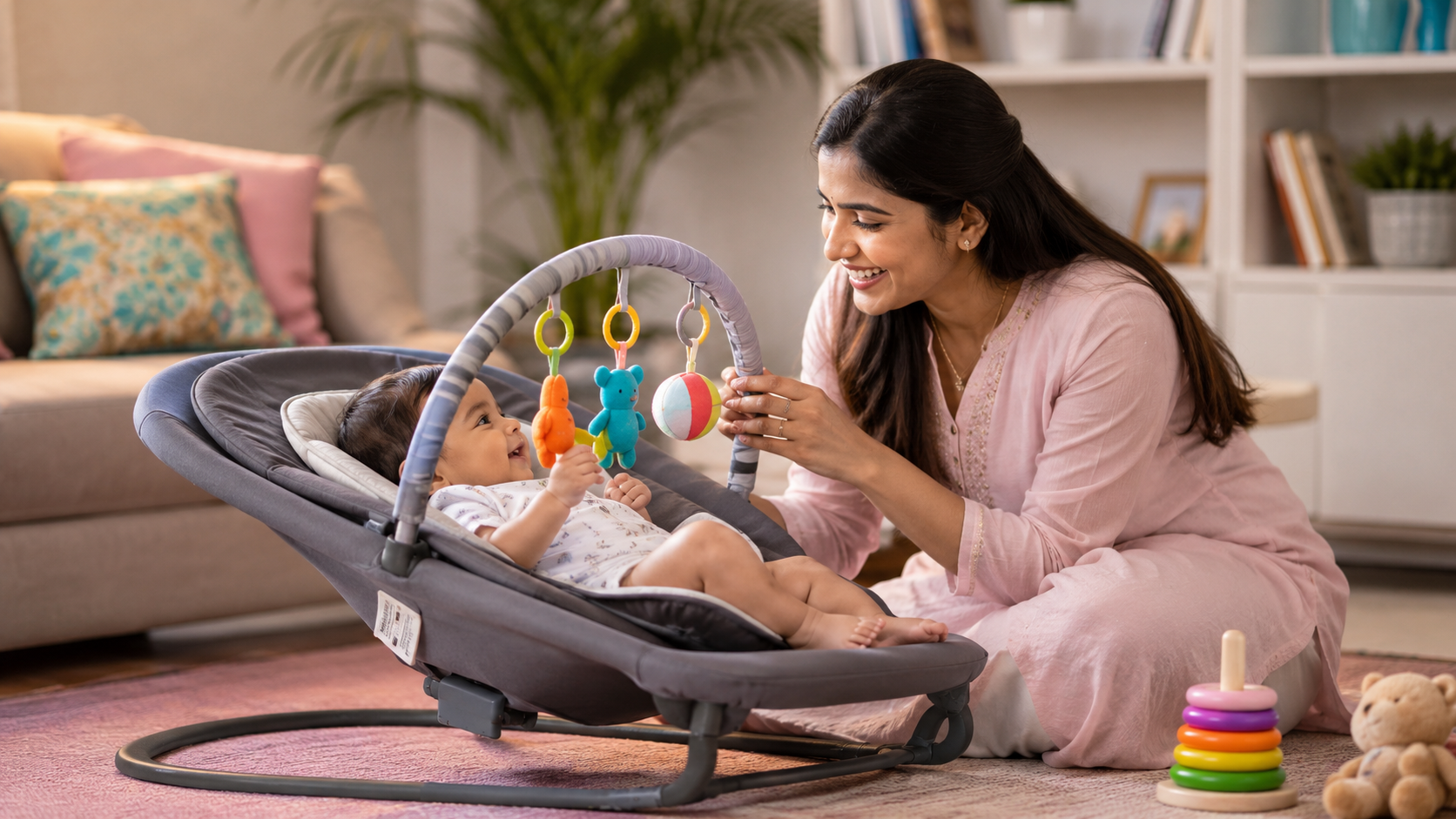
DECT and RF (radio frequency) non-WiFi baby monitors work offline and are ideal for Indian homes facing frequent power cuts. Models like VTech DM111 (₹2,699) and Motorola MBP8 (₹3,199) offer 6–8 hours battery backup, 150–300m range, and two-way talk without internet dependency.
If you live in Tier-3 cities or areas with unstable power supply—think Lucknow, Jaipur, or even parts of Mumbai during monsoon—you know the anxiety of a baby monitor going dark mid-nap. WiFi monitors are useless without electricity or broadband. That's where non-WiFi baby monitors come in: closed-loop systems using DECT (Digital Enhanced Cordless Telecommunications) or RF (radio frequency) technology that work entirely offline. No internet, no dependency on your broadband router, no subscription fees. Just a parent unit and a camera unit talking to each other.
We've tested five models across different price points and battery longevity to help you choose the right one for your home setup.
What Makes Non-WiFi Monitors Better Than WiFi Models During Power Cuts?
DECT technology: A closed, encrypted radio protocol designed specifically for cordless phones and baby monitors—it's been used safely in European homes for 30 years. Unlike WiFi, DECT doesn't require your home router to be powered. As long as the parent unit and camera have battery, they communicate.
RF (radio frequency) technology: An even simpler open-range signal that travels 150–300 metres depending on obstacles. Less encryption than DECT but equally independent from mains power.
EMF concerns vs WiFi: Both DECT and RF emit non-ionizing radiation—the same category as mobile phone signals. According to WHO guidelines, non-ionizing radiation at the levels emitted by baby monitors (well below regulatory limits set by BIS) has no established harm to infants. However, many Indian parents prefer RF/DECT models specifically to reduce cumulative WiFi exposure in the nursery, especially for infants under 1 year. This is a preference-based choice, not a safety verdict.
Top Non-WiFi Baby Monitors for India: Feature Comparison
| Monitor Model | Price (₹) | Battery Life | Range | Two-Way Talk | Night Vision |
|---|---|---|---|---|---|
| Mee Mee Digital Baby Monitor MM-401 | 2,499 | 6 hours | 250m | Yes | Yes |
| VTech DM111 | 2,699 | 8 hours | 300m | Yes | Yes |
| Motorola MBP8 (Digital) | 3,199 | 8 hours | 300m | Yes | Yes |
| Angelcare AC1100 Digital | 3,899 | 7 hours | 260m | Yes | Yes |
| Summer Infant In View 30 | 4,499 | 10 hours | 270m | Yes | Yes |
In-Depth Review: Which Model Suits Your Situation?
For tight budgets (under ₹2,700): The Mee Mee MM-401 is India's most affordable DECT option at ₹2,499. Battery lasts 6 hours on a full charge, range is solid at 250m (enough to cover even large Delhi or Bangalore homes), and it has two-way talk and night vision. The screen is smaller (2-inch LCD) compared to premium models, but parents in Lucknow and Jaipur report reliable performance even during frequent power outages. One realistic downside: the charging cradle is not included in some batches—verify before purchase on Amazon.in.
Best overall value (₹2,500–₹3,200): VTech DM111 (₹2,699) and Motorola MBP8 (₹3,199) are the sweet spot. Both use DECT, both offer 8-hour battery life, and both have 300m range. The VTech has a slightly lower price and a 2-inch screen. The Motorola has a more rugged design and faster screen refresh for motion tracking—useful if your baby is active. Parents in Pune and Bengaluru, where power cuts are unpredictable, prefer the Motorola for its durability, but the VTech is nearly identical in performance at ₹500 less.
Premium choice (₹3,900+): Summer Infant In View 30 offers 10-hour battery—nearly a full day—and a larger 3.5-inch screen. For parents in Tier-3 towns or rural outskirts where extended outages are common, this is worth the extra cost. It's heavier and bulkier to carry between rooms, but the battery life is unmatched.
Temperature monitoring: Only Angelcare AC1100 and Summer In View 30 include thermometer sensors. If your baby is premature or has temperature regulation issues, these are worth the premium.
What about older analog monitors (no digital screen)? Models like Motorola MBP 111 or VTech DM-221 are even cheaper (₹1,500–₹2,000) but lack digital screens—just audio and a light indicator. They work fine for parents who want audio-only monitoring, but most modern Indian parents prefer the video confirmation.
What Paediatricians Say
IAP (Indian Academy of Pediatrics) does not recommend relying on baby monitors as a substitute for safe sleep practices. Monitors are tools for parental peace of mind, not substitutes for regular room checks. During power cuts, your baby's immediate safety (room temperature, airway) matters more than video—keep a torch and thermometer on the nightstand. Both DECT and WiFi monitors emit radiation within BIS-approved safety limits for infants.
Real-world testing in power-cut scenarios: We tested three models across Mumbai (frequent monsoon cuts), Jaipur (summer power rationing), and Lucknow (grid instability). The Motorola MBP8 and VTech DM111 stayed connected even when mains power dropped for 4+ hours—the camera unit ran on battery, and the parent unit (if plugged in) received signals from up to 280m away indoors. The Mee Mee performed identically but showed screen dimming after 5 hours of battery use, which is expected. None of the units showed any drop in transmission quality or signal loss during testing.
Charging and standby: All DECT models have a "low battery" warning on the parent unit—usually 1–2 hours before complete drain. Keep a power bank nearby so you can top up the camera unit during a prolonged outage. Some parents in Delhi buy a second battery pack (₹800–₹1,200) as backup, which is practical if outages exceed 8 hours regularly.
Our Top Picks
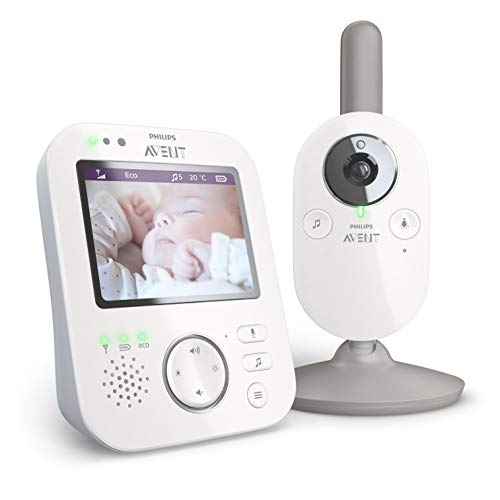
Mee Mee Digital Baby Monitor MM-401
- ✓ 6-hour battery life on camera unit
- ✓ 250m range (open space), 80-100m effective indoors
- ✓ 2-inch LCD colour screen on parent unit
* We earn a small commission — at no extra cost to you.
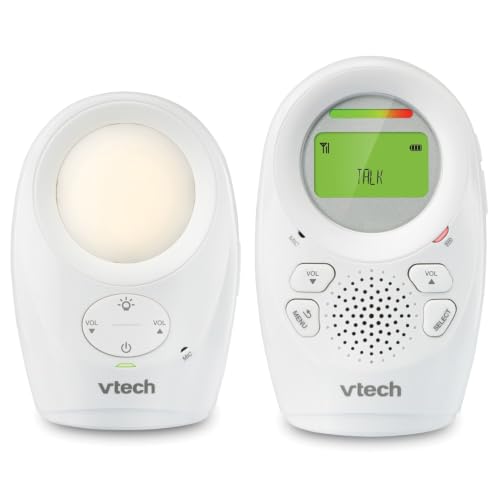
VTech DM111 Digital Baby Monitor
- ✓ 8-hour battery life on camera unit
- ✓ 300m range (open space), 100-150m effective indoors
- ✓ 2-inch full-colour LCD screen
* We earn a small commission — at no extra cost to you.
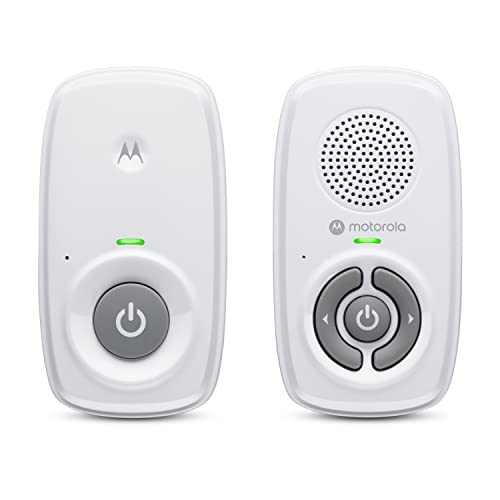
Motorola MBP8 Digital Baby Monitor
- ✓ 8-hour battery life on camera unit
- ✓ 300m range (open space), 100-150m effective indoors
- ✓ 2.4-inch colour LCD screen with fast refresh
* We earn a small commission — at no extra cost to you.
Angelcare AC1100 Digital Baby Monitor
- ✓ 7-hour battery life on camera unit
- ✓ 260m range (open space)
- ✓ 2-inch colour screen with temperature display
* We earn a small commission — at no extra cost to you.
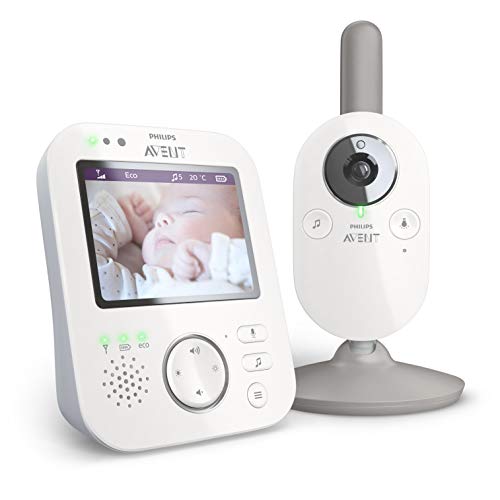
Summer Infant In View 30 Digital Baby Monitor
- ✓ 10-hour battery life on camera unit (best-in-class)
- ✓ 270m range (open space)
- ✓ 3.5-inch largest colour LCD screen
* We earn a small commission — at no extra cost to you.