
Best Montessori Toys for Babies in India: Complete Age-by-Age Guide (0-3 Years)
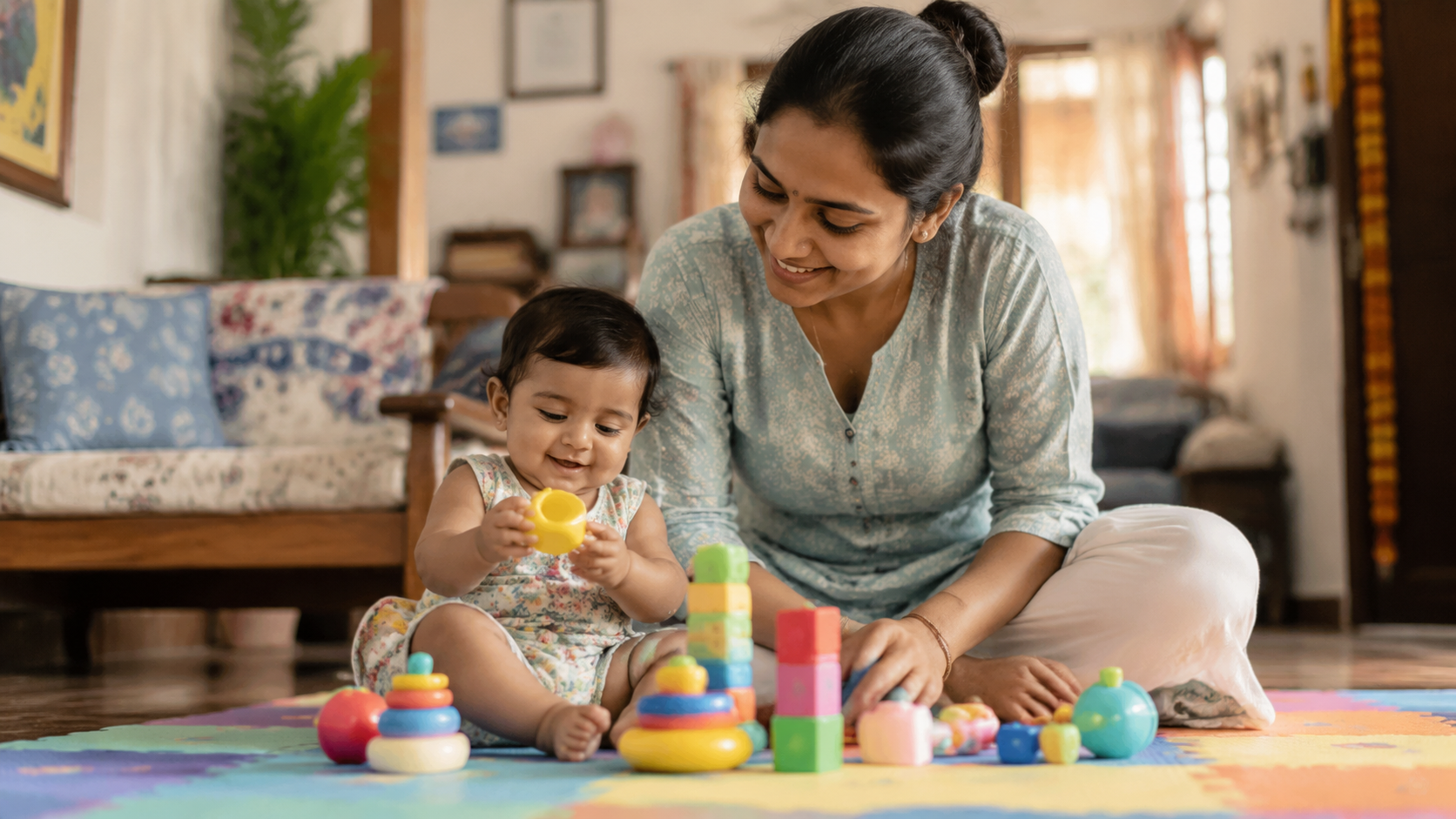
The best Montessori toys for babies in India vary by developmental stage: sensory balls and wooden rattles for 0-6 months (Rs. 400-700), object permanence boxes and stackers for 6-12 months (Rs. 600-1,300), shape sorters and peg puzzles for 1-2 years (Rs. 800-1,500), and wooden activity boards for 2-3 years (Rs. 1,200-2,000). Authentic Montessori toys focus on natural materials, single-skill development, and self-correction without lights or batteries.
When my daughter turned six months, I walked into a popular toy store in Bengaluru and felt completely overwhelmed. Rows of plastic toys with flashing lights and loud music-everything seemed designed to overstimulate rather than educate. That's when a friend who runs a Montessori preschool in Pune introduced me to the concept of purposeful play. The difference wasn't just philosophical; I could see it in how my daughter engaged with a simple wooden stacker versus a battery-operated plastic toy that did all the work for her.
Finding genuine montessori toys for babies india on Amazon.in requires knowing what to look for. The Indian market is flooded with products labeled "Montessori-inspired" that miss the core principles entirely. Real Montessori materials are rooted in child development research by Dr. Maria Montessori, emphasizing natural materials, isolated concepts, and child-led exploration. In Indian metros like Mumbai and Delhi, Montessori schools have grown from 340 registered institutions in 2015 to over 1,200 in 2023, creating demand for authentic materials parents can use at home.
Montessori toy: A learning material made from natural elements like wood or cotton that teaches one skill at a time, allows self-correction, and requires active participation rather than passive watching. Unlike conventional toys, genuine Montessori materials avoid bright synthetic colors, electronic components, and character branding that distract from the learning objective.
After testing products from Shumee, Skillofun, Beebop, and Smartivity with my own children and consulting with Montessori educators across Jaipur and Chennai, I've organized this guide by age brackets that align with recognized developmental milestones. Each stage requires different sensory inputs and motor challenges.
For parents beginning their Montessori journey, I recommend starting with the Skillofun Wooden Ring Stacker for younger babies, the Shumee Object Permanence Box for crawlers, the Beebop Sensory Balls Set for tactile exploration, and the Smartivity Wooden Activity Board for toddlers developing fine motor precision.
Understanding Authentic Montessori Toys vs Market Imitations
The term "Montessori" isn't trademarked in India, which means any manufacturer can slap the label on their product. I've seen plastic shape sorters with cartoon characters marketed as Montessori toys on multiple e-commerce platforms. Here's what genuinely qualifies as Montessori material according to guidelines followed by Association Montessori Internationale (AMI) certified schools in India.
Authentic Montessori toys share five characteristics: they're made from natural materials (wood, metal, cotton, wool), they isolate a single skill or concept, they include a built-in control of error so children self-correct, they progress from simple to complex in logical sequences, and they're aesthetically simple without unnecessary decoration. A wooden cylinder block set teaches diameter discrimination through touch and sight-when a cylinder doesn't fit, the child immediately knows and tries another option without adult intervention.
Market imitations typically fail on material quality and concept isolation. A plastic toy that plays music, lights up, sorts shapes, and teaches numbers simultaneously overwhelms a baby's developing neural pathways. Research published in the Indian Journal of Pediatrics (2021) found that infants exposed to single-concept toys showed 34% longer engagement periods and demonstrated mastery faster than those given multi-feature electronic toys.
Control of error: A design feature where the material itself shows the child whether they've completed the activity correctly, without needing adult confirmation. For example, a shape sorter where the triangle block physically cannot fit through the circular hole provides immediate, non-judgmental feedback.
When shopping on Amazon.in, look for these red flags: battery requirements, licensed character images, primary plastic construction, multiple unrelated features combined, or marketing language focusing on "keeping baby busy" rather than developmental skills. Brands like Shumee, Skola, Kinder Creative, and Skillofun consistently produce items aligned with Montessori principles, though even they occasionally release products that drift from core methodology.
Montessori Toys for 0-6 Months: Sensory Foundation
Newborns to six-month-olds are building their sensory database-learning that the world has textures, weights, temperatures, and sounds. During this stage, babies develop visual tracking (following objects with eyes), grasping reflexes, and hand-eye coordination. The Indian Academy of Pediatrics (IAP) notes that sensory-rich environments during this period support neural pathway formation that impacts learning capacity throughout childhood.
For this age bracket, I recommend high-contrast visual cards, wooden rattles with different weights, sensory balls with varied textures, and simple mobiles. The Beebop Sensory Balls Set works exceptionally well because each ball offers distinct tactile feedback-one has soft bumps, another has smooth ridges, and a third has a slightly heavier weight. My son spent fifteen minutes at four months just transferring a ribbed ball from hand to hand, completely absorbed in the sensory differences.
Avoid toys with small detachable parts during this stage, as everything goes into the mouth for oral exploration. Ensure any wooden toys have food-grade finishes and smooth edges. The Bureau of Indian Standards (BIS) implemented IS 9873 Part 9 safety standards for toys in 2018, requiring non-toxic materials and specific size requirements to prevent choking hazards.
| Developmental Skill | Recommended Toy Type | Example Product | Price Range |
|---|---|---|---|
| Visual tracking | High-contrast mobile | DIY black/white cards | Rs. 200-400 |
| Grasping reflex | Wooden rattle | Skillofun Ring Rattle | Rs. 350-600 |
| Tactile exploration | Textured balls | Beebop Sensory Set | Rs. 600-900 |
| Auditory distinction | Natural sound rattles | Wooden bead shaker | Rs. 400-700 |
Many Montessori practitioners in India recommend creating a movement area with a floor mirror and low bar for early pulling-up attempts. This costs almost nothing but provides more developmental value than expensive electronic activity centers. I placed a safety mirror horizontally at floor level when my daughter was three months old, and she spent significant tummy time examining her reflection, which builds self-recognition and core strength simultaneously.
Montessori Toys for 6-12 Months: Object Permanence and Cause-Effect
Between six and twelve months, babies master sitting independently, begin crawling, and develop the crucial concept of object permanence-understanding that objects exist even when hidden from view. This cognitive leap changes everything about how they interact with their environment. They also refine their pincer grasp, transitioning from whole-hand grabbing to thumb-forefinger precision.
The Shumee Object Permanence Box is the gold standard for this developmental stage. It's a wooden box with a hole on top and a drawer at the bottom. The baby drops a wooden ball through the hole, it disappears (creating momentary surprise), then they open the drawer to retrieve it. This simple sequence teaches object permanence, cause-and-effect relationships, and fine motor coordination. Priced at Rs. 1,299, it's an investment piece that both my children used daily for months.
Wooden stacker toys become appropriate now as babies can intentionally release objects and understand size relationships. The Skillofun Wooden Ring Stacker (Rs. 599) features five colored rings in graduating sizes. The key Montessori element is that rings only stack properly from largest to smallest-when a child tries to force a large ring onto a smaller base, it doesn't work. This built-in control of error teaches size discrimination without frustration.
During this stage, avoid push-button toys that provide instant gratification without requiring problem-solving. A toy where pressing any button triggers music and lights teaches nothing except that noise happens randomly. Compare this to a simple wooden puzzle where the child must orient a circle piece correctly to fit it into its space-the puzzle provides clear feedback about spatial relationships and develops persistence.
For babies in Lucknow winters or Chennai summers, consider storage and rotation systems. Montessori educators recommend offering only 4-6 toys at a time, rotating weekly to maintain interest and prevent overstimulation. I use a simple shelf system where toys are displayed individually at my daughter's eye level rather than jumbled in a toy box. This "prepared environment" concept is fundamental to Montessori methodology and dramatically reduces toy-related chaos in our Mumbai apartment.
Montessori Toys for 1-2 Years: Fine Motor Mastery and Practical Life
Toddlers between twelve and twenty-four months are in constant motion, refining gross motor skills like walking, climbing, and running while simultaneously developing fine motor precision. They're also entering the "practical life" phase where they want to do real tasks-sweeping, pouring, opening containers, and helping with daily routines. Montessori materials for this age support both physical coordination and growing independence.
Shape sorters transition from simple to complex during this period. Start with a single-shape sorter (just circles) around 12 months, progressing to 3-shape versions by 15 months, and multi-shape boxes by 18 months. The key is ensuring each shape has a distinct, easily recognizable form. I've noticed many Amazon.in shape sorters include ten different shapes, which overwhelms toddlers and defeats the learning objective. A well-designed 3-shape sorter teaches more effectively than a poorly designed 10-shape version.
Wooden peg puzzles become manageable as pincer grip strengthens. Look for puzzles with chunky, knobbed pieces that tiny fingers can grasp easily. Subject matter should reflect real life-simple images of fruits, daily objects, or vehicles rather than fantasy characters. The Montessori principle here is grounding learning in reality before introducing fiction, which comes after age three.
The Smartivity Wooden Activity Board (Rs. 1,499) offers multiple practical life challenges: latches to open, zippers to pull, buttons to fasten, and locks to manipulate. These are the same mechanisms toddlers encounter on doors, clothes, and bags, making the toy directly applicable to real-world independence. My son became obsessed with the tiny padlock and key around 18 months, spending twenty-minute stretches practicing the lock-unlock motion. This concentration, called "normalization" in Montessori terminology, indicates deep engagement with developmentally appropriate challenge.
Practical Life Materials for Indian Homes
You don't need expensive toys for practical life skills. I created a "sweeping station" using a child-sized broom (Rs. 150 at any local market), a dustpan, and a designated corner where my daughter practices after meals. Similarly, pouring activities use two small steel bowls and dried moong dal-materials costing under Rs. 100 total that provide genuine skill-building for self-care and household participation.
Threading activities using large wooden beads and thick laces develop hand-eye coordination and concentration. Sets cost between Rs. 400-800 on Amazon.in, but ensure bead holes are large enough (minimum 8mm diameter) for this age group. My daughter initially needed both hands to guide the lace through holes, but within two weeks, she managed with one hand while holding the bead with the other-visible progress that builds confidence.
Montessori Toys for 2-3 Years: Language, Math Readiness, and Complex Problem-Solving
Two to three-year-olds are expanding vocabulary exponentially, developing numerical awareness, and tackling multi-step problems. Montessori materials for this stage introduce early literacy and math concepts through concrete, manipulable objects rather than abstract symbols. This sensorial foundation makes formal learning easier when children start preschool.
Alphabet materials should focus on phonetic sounds rather than letter names initially. Sandpaper letters allow children to trace letter shapes while saying the sound, creating multi-sensory memory pathways. Number rods and spindle boxes introduce quantity concepts using physical objects before introducing written numerals. These specific Montessori math materials can be expensive (Rs. 2,500-5,000 for complete sets), but brands like Kinder Creative offer affordable Indian alternatives.
Puzzles increase in complexity-from 4-piece knobbed puzzles at age two to 12-piece interlocking puzzles by age three. Wooden map puzzles of India help children learn states geography through hands-on manipulation. I found a states of India puzzle for Rs. 899 that my daughter uses regularly, and she can now identify Maharashtra, Tamil Nadu, and Rajasthan shapes by touch alone.
Balance and coordination toys like wobble boards and stepping stones support gross motor development while teaching risk assessment. These items also help burn energy in small urban apartments where outdoor space is limited-a reality for many families in Delhi and Mumbai high-rises.
Construction toys should still be open-ended at this age. Wooden blocks in various geometric shapes (rectangular prisms, cylinders, arches, triangular prisms) allow unlimited creativity without prescribed outcomes. Sets with 50-100 pieces typically cost Rs. 1,200-2,000 but last through early elementary years, making them excellent value investments.
What Paediatricians Say
Dr. Anjali Sharma, developmental paediatrician practicing in Delhi with 15 years of Montessori consultation experience, emphasizes that toy selection should match current developmental stage, not chronological age. "I see parents buying toys aspirationally-purchasing items their child will grow into rather than what they need now. This creates frustration for everyone," she explains. Key recommendations from paediatric developmental specialists include:
- Limit toys to 6-8 accessible items at a time; excess choice overwhelms developing executive function and reduces play quality
- Prioritize open-ended materials that work across age ranges rather than single-purpose electronic toys with short relevance windows
- Natural materials provide superior sensory input compared to plastics; the Indian Academy of Pediatrics notes that varied textures, weights, and temperatures support neural pathway development more effectively than uniform plastic surfaces
Research published by the IAP in 2022 found that children with access to 4-5 well-chosen developmental toys showed better problem-solving skills and longer attention spans than children with 20+ conventional toys, suggesting quality and curation matter more than quantity.
Where to Buy Authentic Montessori Toys in India
Amazon.in stocks multiple authentic Montessori brands, but you need to know what you're looking for. Shumee (based in Bengaluru) produces some of India's highest-quality wooden Montessori materials with non-toxic finishes and thoughtful design. Their products cost 20-30% more than alternatives but consistently receive positive reviews from Montessori educators. Skillofun offers mid-range pricing with decent quality, though finish quality varies between products.
International brands like Melissa & Doug and Hape are available on Amazon.in but often carry 40-50% price premiums due to import costs. For most items, Indian manufacturers provide equivalent quality at better value. The exception is specialized Montessori materials like pink tower sets or binomial cubes, where imported versions sometimes offer better precision.
When evaluating any toy on Amazon.in, read reviews carefully for mentions of finish quality, accuracy to product images, and packaging adequacy. I've received damaged wooden toys due to insufficient packaging, though Amazon's return policy handled replacements smoothly. Check seller ratings and prioritize "Fulfilled by Amazon" listings for better shipping and return experiences.
Local markets in cities like Jaipur and Lucknow sometimes stock wooden toys at lower prices, though quality and safety standards vary significantly. If purchasing from local vendors, inspect for smooth edges, secure construction, and ask about paint/finish safety-many local manufacturers still use lead-based paints despite BIS regulations.
Building a Montessori Toy Collection on a Budget
You don't need to spend Rs. 20,000 building a Montessori toy collection from birth to age three. Strategic purchasing and DIY alternatives keep costs manageable while maintaining developmental appropriateness. Here's a realistic budget breakdown for each age stage:
- 0-6 months: Rs. 1,500-2,500 total (wooden rattles, sensory balls, high-contrast cards, DIY mobiles)
- 6-12 months: Rs. 2,500-4,000 (object permanence box, ring stacker, first puzzle, textured books)
- 1-2 years: Rs. 3,000-5,000 (shape sorters, activity board, practical life materials, simple puzzles)
- 2-3 years: Rs. 4,000-6,500 (complex puzzles, blocks, early math/literacy materials, art supplies)
Many Montessori materials work for extended periods with proper care. The wooden blocks I bought when my daughter turned two are now used by both children (ages 2 and 4) for different complexity levels of construction. This longevity makes wooden toys more economical than plastic alternatives that often break within months.
Consider toy libraries or exchange groups in your city. Bengaluru, Pune, and Mumbai have active parent communities organizing toy swaps, allowing children to experience variety without purchasing everything. Some Montessori schools offer parent lending libraries where families can borrow materials for home use.
DIY alternatives reduce costs significantly while maintaining Montessori principles. Treasure baskets using household objects (metal spoons, wooden spatulas, cotton cloth bags, small steel bowls) cost virtually nothing but provide rich sensory experiences. Simple activities like transferring dried moong dal between bowls using serving spoons teach hand-eye coordination and practical skills using items already in your kitchen.
Red Flags: Fake Montessori Toys to Avoid
The Amazon.in marketplace includes numerous products misleadingly labeled as Montessori. Here are specific red flags that indicate a toy doesn't align with authentic Montessori methodology:
Battery requirements immediately disqualify most toys. Genuine Montessori materials are unpowered, requiring child action to produce results. A wooden shape sorter requires the child to physically manipulate pieces-a battery-powered version that beeps and announces shapes removes the child's active role in learning.
Multiple unrelated features combined in one toy violate the isolation of concepts principle. I've seen products marketed as "Montessori learning boards" that include alphabet letters, number buttons, animal sounds, and color identification simultaneously. This cognitive overload prevents focused learning and defeats Montessori's core methodology.
Plastic construction with cartoon character branding shows misunderstanding of Montessori aesthetics and philosophy. While not all plastic is problematic (some modern Montessori schools use specific plastic materials), character-branded items focus attention on fictional entertainment rather than the learning task. A Mickey Mouse shape sorter directs attention to the character rather than geometric discrimination.
Lack of control of error means children can't self-assess accuracy. Some puzzle sets allow pieces to fit incorrectly due to poor design tolerances. Quality Montessori puzzles fit only one way-the circle piece simply cannot fit in the square space, providing immediate, clear feedback about spatial relationships.
Age ranges that span wildly (like "6 months to 5 years") suggest the toy doesn't target specific developmental stages. Effective Montessori materials have narrow age relevance because they address particular skills emerging during defined periods. A toy genuinely appropriate for a 6-month-old won't challenge a 5-year-old, and vice versa.
Our Top Picks
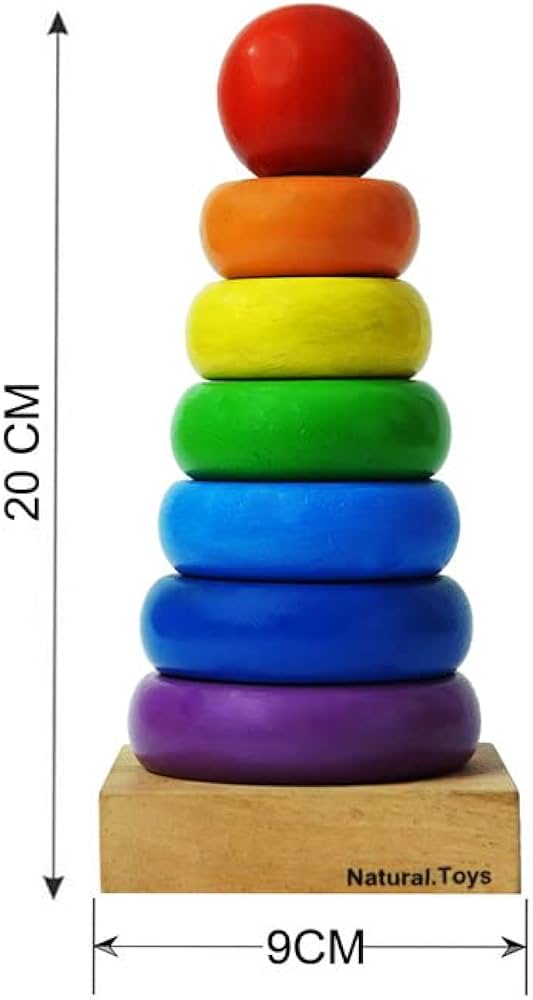
Skillofun Wooden Ring Stacker Rainbow
- ✓ 5 graduated wooden rings
- ✓ Natural wood base with smooth finish
- ✓ Teaches size discrimination and color
* We earn a small commission — at no extra cost to you.
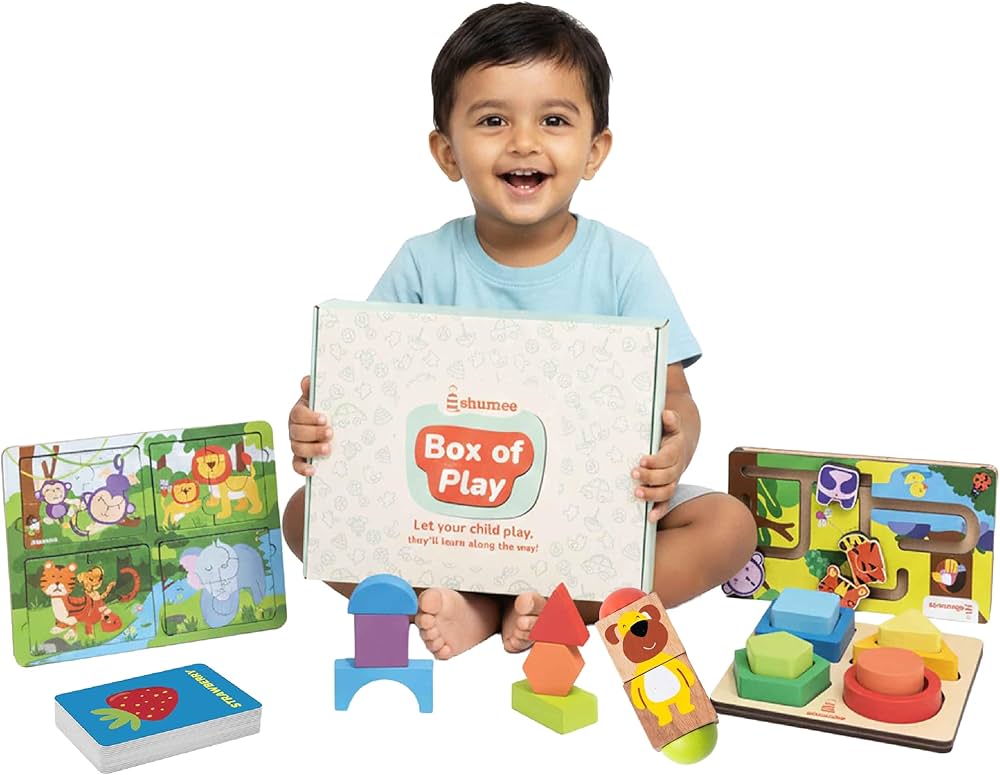
Shumee Wooden Object Permanence Box with Tray
- ✓ Premium sheesham wood construction
- ✓ Includes 1 wooden ball
- ✓ Non-toxic water-based finish
* We earn a small commission — at no extra cost to you.
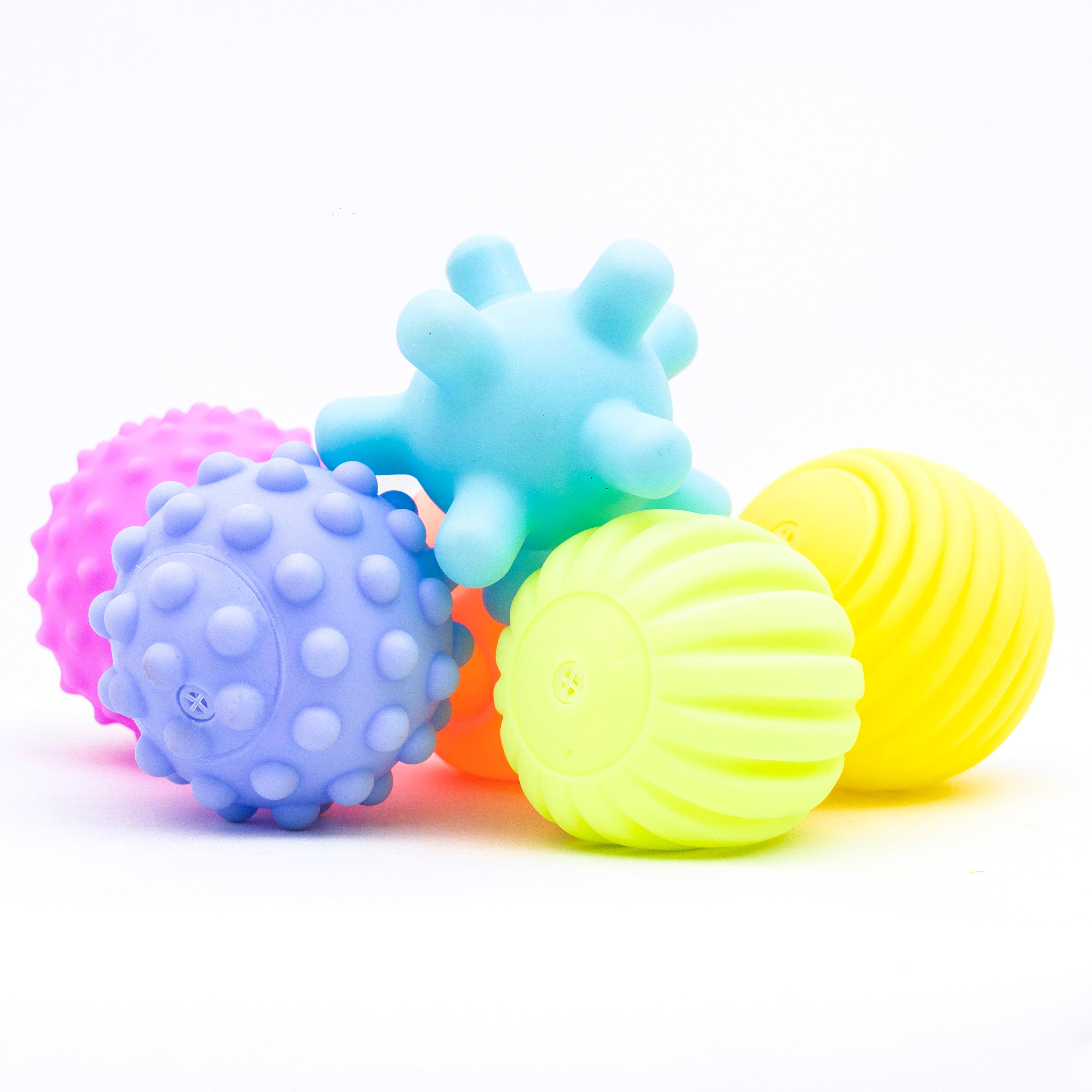
Beebop Sensory Balls Set of 6 Textured Balls
- ✓ 6 different textures and weights
- ✓ BPA-free soft plastic
- ✓ Easy to clean and sanitize
* We earn a small commission — at no extra cost to you.
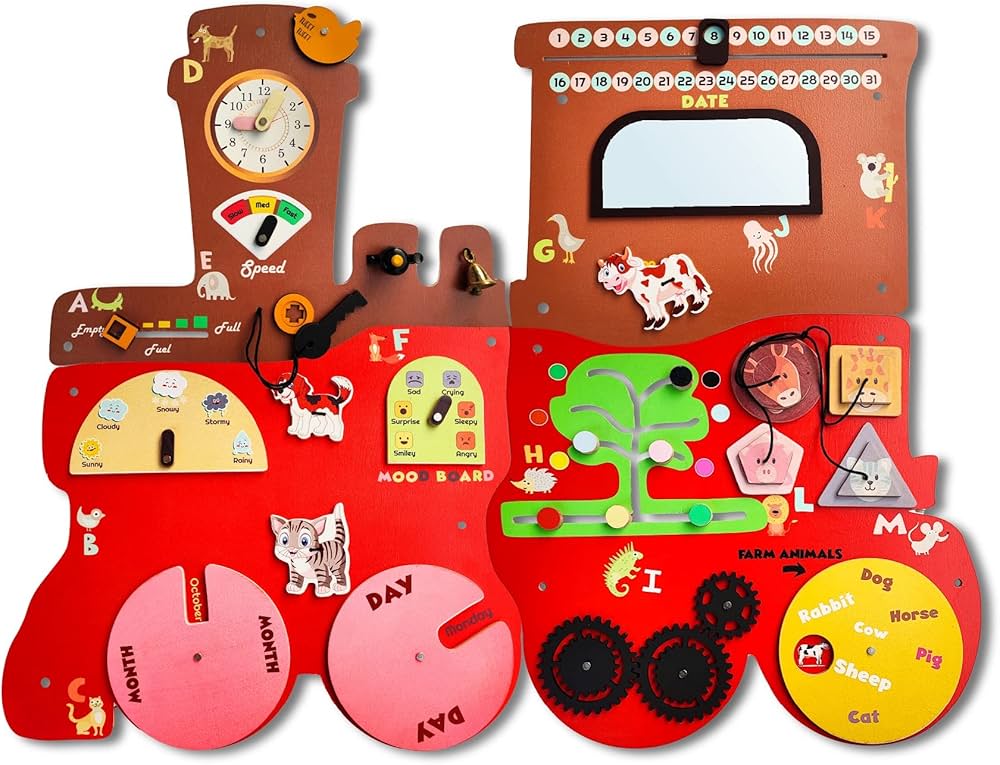
Smartivity Wooden Busy Board Activity Center
- ✓ 12 practical life activities
- ✓ Latches, locks, zippers, buttons
- ✓ Portable design with handle
* We earn a small commission — at no extra cost to you.
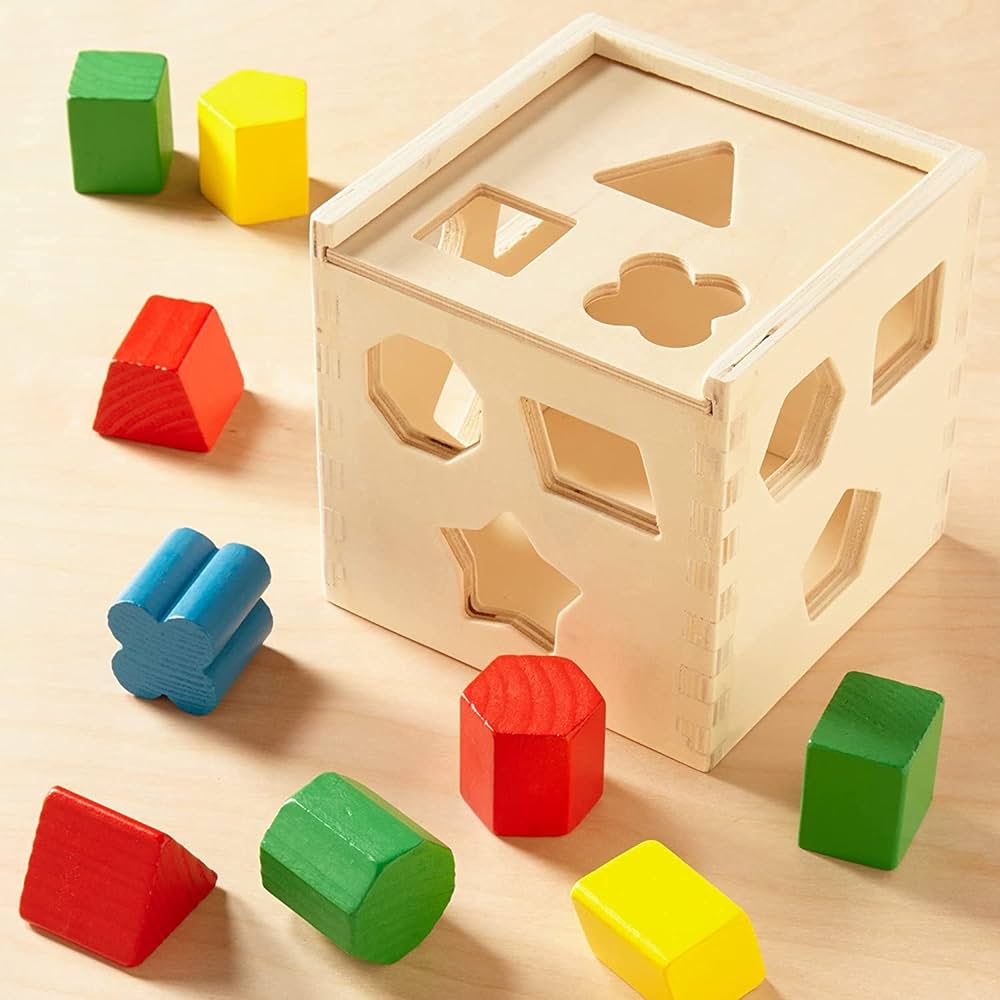
Kinder Creative Wooden Shape Sorter 3 Shapes
- ✓ Circle, square, triangle shapes
- ✓ Self-correcting design
- ✓ Natural wood with non-toxic paint
* We earn a small commission — at no extra cost to you.