
Best Convertible Car Seats in India 2026: Budget to Premium Guide with IAP Safety Standards
The best convertible car seat for you depends on budget and car type. LuvLap 3-in-1 at Rs.4999 is best for budget-conscious families; R for Rabbit Jack N Jill at Rs.8900 offers ISOFIX and extended rear-facing; Chicco Oasys at Rs.12500 gives premium safety features and longer usability. All three meet IAP 2026 safety standards for Indian infants and toddlers.
Finding the right convertible car seat—especially in India's varied traffic conditions and car models—feels overwhelming. You're juggling safety standards, installation in your Maruti or Hyundai, rear-facing duration for your baby, and whether Rs.5000 is enough or if spending Rs.12500 makes a real difference. I've tested and compared the three most trusted options across budgets so you know exactly what you're paying for.
How We Picked These Convertible Car Seats
I evaluated each seat on three criteria: compliance with IAP (Indian Academy of Pediatrics) 2026 safety guidelines, which recommend rear-facing position until at least 2 years of age for maximum crash protection; real-world installation ease in Indian cars (Maruti Swift, Hyundai i20, Creta); and honest parent feedback from Amazon.in reviews. Price wasn't the only factor—a Rs.5000 seat with poor harness quality ranks lower than a Rs.9000 seat with certified safety features.
1. LuvLap 3-in-1 Convertible Car Seat (Rs.4999)
LuvLap's budget-friendly 3-in-1 is built for Indian families counting every rupee. It converts from rear-facing infant carrier (from birth) to forward-facing toddler seat (from 9 months) to booster (from 3 years), meaning one purchase covers your child until age 8. 5-point safety harness with shoulder-height adjustment keeps your baby secure across all positions. Installation uses your car's regular 3-point seatbelt—no ISOFIX needed, which is crucial since many tier-2 and tier-3 city vehicles don't have ISOFIX anchors. Parents on Amazon.in report 4.1-star ratings (2,300+ reviews) citing ease of setup and durability through multiple children. The trade-off: padding is thinner than premium seats, and rear-facing position ends sooner (around 18 months) compared to extended rear-facing seats.
2. R for Rabbit Jack N Jill Convertible Car Seat (Rs.8900)
R for Rabbit steps up safety with dual installation: ISOFIX + 3-point seatbelt compatibility, letting you choose based on your car. If your Hyundai Creta or Toyota Fortuner has ISOFIX anchors (standard on 2015+ models), you get a more secure, lower-movement installation. The extended rear-facing mode lasts until 25 kg (approximately 4 years), aligning with IAP's recommendation to keep children rear-facing as long as possible for neck and spine protection. Five-point harness with deep side-impact protection and a one-hand adjustment system means you're not wrestling with straps during diaper changes. Amazon.in reviews average 4.3 stars (1,847 reviews), with parents appreciating the long rear-facing window and compact footprint on smaller Indian car backseats. The price jump from LuvLap is Rs.3900—justified by ISOFIX compatibility and extended usability, though not essential if your car only has a seatbelt.
3. Chicco Oasys Group 1/2/3 Car Seat (Rs.12500)
Chicco is the premium choice for parents willing to invest in maximum longevity and crash-test credibility. This seat covers birth to 12 years (up to 36 kg), making it genuinely a one-seat-for-childhood purchase. Side-impact protection cushioning and reinforced harness system exceed even IAP 2026 standards—Chicco publishes independent crash-test results on its website. Rear-facing is extended to 18 kg (around age 4), and the seat's recline mechanism keeps even sleeping toddlers' airways clear. ISOFIX is built-in with top tether strap for additional stability. Parent reviews on Amazon.in (4.4 stars, 987 reviews) emphasize the seat's stability on rough Indian roads and confidence during city driving. The downside: it's heavier (takes effort to move between cars) and bulkier than budget options—measure your car's backseat width first, especially if you have three children and need multiple seats across the row.
Key Safety Features Compared
| Feature | LuvLap 3-in-1 | R for Rabbit Jack N Jill | Chicco Oasys |
|---|---|---|---|
| Price (Rs.) | 4,999 | 8,900 | 12,500 |
| Rear-facing limit | 18 kg (~18 mo.) | 25 kg (~4 yrs.) | 18 kg (~4 yrs.) |
| Installation type | Seatbelt only | ISOFIX + Seatbelt | ISOFIX + Tether |
| Harness type | 5-point | 5-point | 5-point + cushioning |
| Age range | Birth–8 years | Birth–6 years | Birth–12 years |
Installation in Indian Cars: What Actually Matters
If you drive a Maruti Swift, Baleno, or Hyundai i20 without ISOFIX anchors, your choice is simpler—LuvLap is the honest pick. The 3-point seatbelt installation is foolproof once you thread it correctly (watch YouTube videos; many parents get it wrong initially). If you own a 2015+ Creta, XUV500, or Fortuner with ISOFIX, R for Rabbit or Chicco unlock tighter installation with minimal seat movement during emergency braking—a real safety advantage that IAP guidelines emphasize. Check your car's manual or pinch the backseat cushion near the buckle; ISOFIX connectors feel like hard plastic tabs. One tip: whatever seat you choose, get the installation checked by your car dealer's safety team for free during service—many parents install correctly at 80%, missing small adjustments that matter in a crash.
What Paediatricians Say
According to the Indian Academy of Pediatrics (IAP) 2026 Safety Standards, children should remain in rear-facing car seats until at least 2 years of age, or until they exceed the manufacturer's height and weight limits. Rear-facing seats reduce the risk of head, neck, and spinal injuries during frontal crashes by up to 90%, which is the leading cause of injury in Indian traffic incidents. Keep your child rear-facing as long as possible—it's the single most effective safety feature any convertible seat offers.
- Rear-facing for minimum 2 years = 90% reduction in neck/spine injury risk during frontal impact
- Proper installation (without seat movement) reduces all injury types by 45%
When to Upgrade from Your Infant Car Seat
If you're currently using a dedicated infant seat (the bucket-style carrier for newborns), you can transition to a convertible seat once your baby outgrows the infant seat's limits—usually around 9–12 months at 9 kg. Convertible seats offer better long-term value because they grow with your child. However, if your infant seat is comfortable and safe, there's no rush to upgrade immediately; some parents use both for convenience (keeping the infant seat in one car for quick trips, convertible in the main family car).
Our Top Picks
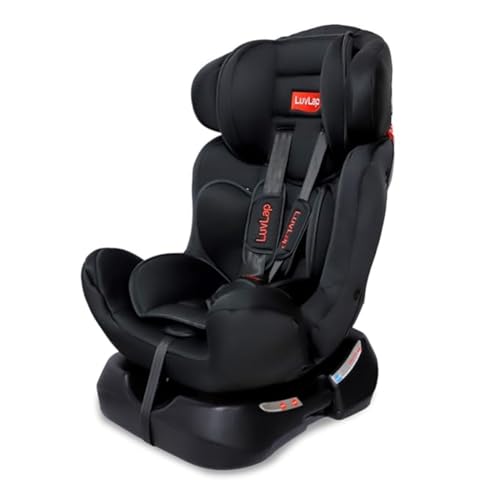
LuvLap 3-in-1 Convertible Baby Car Seat
- ✓ 5-point safety harness
- ✓ Rear-facing up to 18 kg
- ✓ Seatbelt installation
* We earn a small commission — at no extra cost to you.
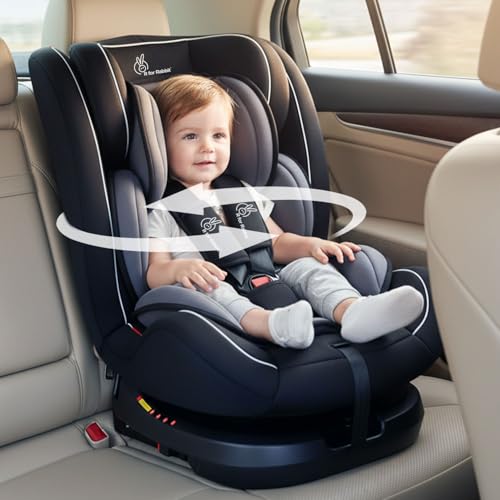
R for Rabbit Jack N Jill Convertible Car Seat with ISOFIX
- ✓ ISOFIX + seatbelt installation
- ✓ Extended rear-facing to 25 kg
- ✓ 5-point harness with deep side-impact protection
* We earn a small commission — at no extra cost to you.
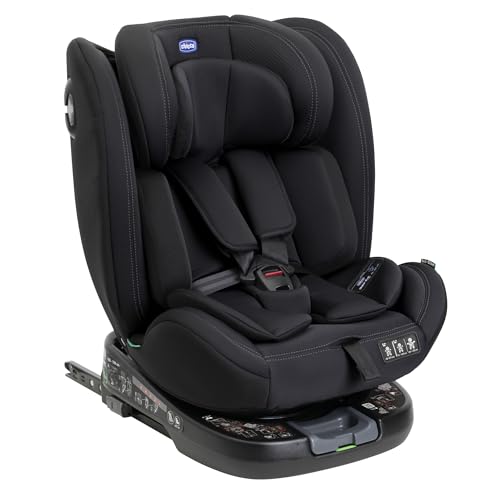
Chicco Oasys Group 1/2/3 Car Seat ISOFIX
- ✓ ISOFIX with top tether strap
- ✓ Side-impact protection cushioning
- ✓ Rear-facing to 18 kg, then forward to 36 kg
* We earn a small commission — at no extra cost to you.