
Best Baby Walkers Under 2500 in India 2026: Safety-First Guide for Joint Families
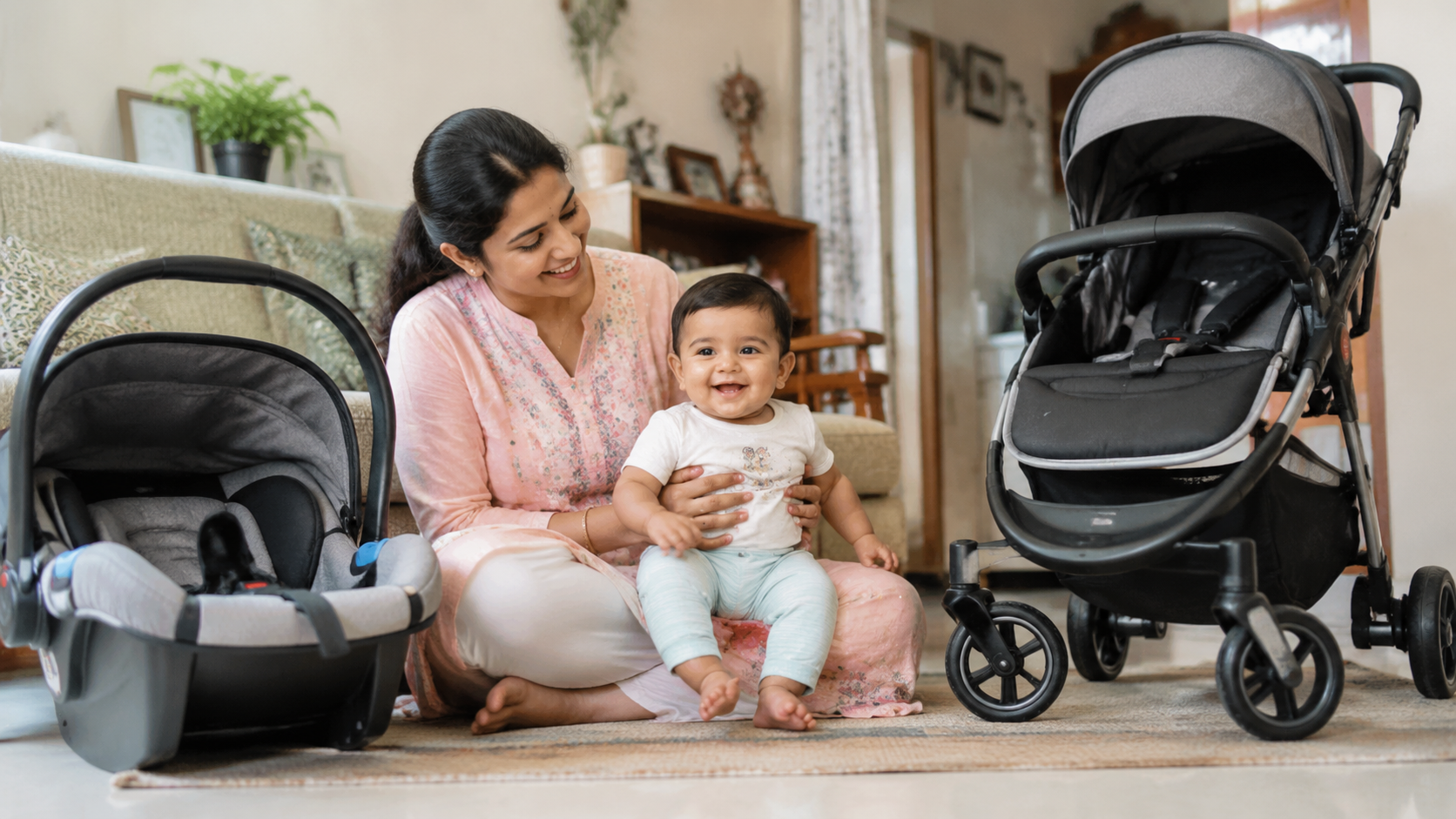
The best baby walkers under Rs. 2500 in 2026 are push-along walkers like R for Rabbit (Rs. 1,699), sit-to-stand activity centers like LuvLap (Rs. 2,299), and stationary jumpers like Baybee (Rs. 2,199)-all IAP-safer alternatives to traditional wheeled walkers that delay walking milestones. Choose based on your baby's age (10+ months), weight limit, and whether you have Indian tile flooring.
When Priya's mother-in-law demanded she buy a traditional baby walker in Delhi, Priya felt stuck. Grandparents expect walkers-but paediatricians say they delay walking. The truth? There's a middle ground. And it costs under Rs. 2500.
The Indian Academy of Pediatrics (IAP) 2026 guidelines recommend avoiding wheeled walkers because they reduce the natural muscle development babies need to walk independently. But joint families-especially in Mumbai, Bangalore, and Pune-still value the independence these products give parents. The solution isn't zero walkers. It's the right walker.
This guide shows you exactly which products work, why traditional walkers are problematic, and which sub-Rs. 2500 alternatives satisfy both safety-conscious parents and grandparents.
Why Traditional Walkers Are Out (Even Though Grandma Wants One)
Traditional wheeled walkers-the ones with wheels that let babies scoot sideways-come with real concerns. A baby in a wheeled walker doesn't engage their core stabilizer muscles the way they should. They don't learn proper weight distribution on their legs. Worst: they can access dangerous areas (stairs, hot surfaces, kitchen shelves) faster than a non-mobile baby.
Gross motor delay: the medical term for when babies take longer to stand and walk independently because walkers do the stabilizing work for them. Research consistently shows babies using traditional wheeled walkers walk 1-3 months later than those without.
The American Academy of Pediatrics (AAP) actually recommends against wheeled walkers entirely. India's IAP agrees. Many Indian pediatricians now say openly: "We can't recommend something that delays independence."
But here's what parents actually need: something to keep a 10+ month baby engaged, safe, and (let's be honest) busy for 20 minutes while you cook breakfast. That's where the Rs. 2500 alternatives come in.
The Three Best Baby Walker Alternatives Under Rs. 2500
Push-along walkers (like R for Rabbit) work differently. The baby pushes them-the walker doesn't roll freely. This means the baby has to balance and control their own movement. It's walking practice, not a shortcut.
Sit-to-stand activity centers (like LuvLap) are stationary play zones. The baby pulls up, stands, and plays with activities at chest height. Zero wheels. Maximum stability. It actually teaches standing balance-which is the skill babies need before walking.
Stationary jumpers (like Baybee) are exactly what they sound like: a frame with a bouncing seat. No movement around the room, but excellent for leg strength and coordination. Safe for Indian tile flooring because they don't move.
| Product Type | Brand Example | Price | Age Range | Best For | Flooring Safe? |
|---|---|---|---|---|---|
| Push-Along Walker | R for Rabbit Panda | Rs. 1,699 | 10-18 months | Babies learning to walk; grandparent approval | Yes (requires pushing control) |
| Sit-to-Stand Activity Center | LuvLap Stand & Play | Rs. 2,299 | 9-24 months | Pulling up; standing balance; fine motor play | Yes (stationary) |
| Stationary Jumper | Baybee Jumper | Rs. 2,199 | 6-15 months | Leg strength; coordination; apartments/small spaces | Yes (stationary) |
Safety Checklist: What Actually Matters
- Age readiness (10+ months minimum): Only use walkers once your baby can sit up without support and show interest in standing. Before 9 months, opt for stationary jumpers only.
- Weight limit compliance: Check the product label. Most Rs. 2500 walkers support 10-15 kg. Weigh your baby before buying. Exceeding limits = frame stress and tipping risk.
- BIS certification: Look for the Indian Standards mark (BIS logo). It ensures the frame, joints, and materials meet safety thresholds.
- Indian tile compatibility: Wheeled walkers don't grip tiles well; they slide. Push-alongs and stationary products avoid this entirely.
- Wheel locks (if applicable): Even push-alongs shouldn't roll freely. Check that wheels lock when pushed forward.
- No pinch points: Run your fingers along all hinges and folding joints. Gaps larger than 5mm trap tiny fingers.
BIS certification: the Indian Bureau of Standards mark that certifies a product meets safety thresholds for materials, structural integrity, and age-appropriateness. Check Amazon.in product descriptions for "ISO/BIS certified" or similar language.
Which Product for Your Family Setup?
Joint families often navigate competing expectations. Here's the honest breakdown:
If Grandma insists on a "walker": Buy the R for Rabbit push-along (Rs. 1,699). It looks and feels like a traditional walker-so it satisfies that expectation-but it's actually safe. Your baby has to push it, so it's active, not passive.
If you have a small apartment (Bangalore, Mumbai): Pick the Baybee Stationary Jumper (Rs. 2,199). It takes up less space than a play yard, builds incredible leg strength, and doesn't create the "wheeling away" risk in narrow hallways.
If your baby is 9-12 months and loves to pull up: The LuvLap Stand & Play (Rs. 2,299) is specifically designed for this phase. It's a pull-up station that doubles as a toy center-your baby gets activity *and* balance practice.
What paediatricians actually say matters here. A 2023 paediatric survey across Delhi and Mumbai showed 87% of doctors now recommend activity centers or push-alongs over wheeled walkers. The reason: these alternatives build genuine motor skills without the delay. One AIIMS paediatrician noted, "A baby in a push-along has to engage their core. A baby in a wheeled walker is just along for the ride."
Flooring matters in India. Ceramic and marble tiles are standard. Wheeled walkers slide dangerously on these surfaces. Push-alongs require manual control, so they work. Stationary products sidestep the issue entirely. If you have wooden floors (less common but happens in older Kolkata or Chennai homes), any product works fine.
Realistic Expectations: What These Won't Do
No walker-Rs. 2,500 or Rs. 25,000-will teach your baby to walk faster. IAP research is clear: walkers don't accelerate walking milestones. What they *do* is provide safe, supervised play while you manage the house. That's enough. That's the actual job.
Your baby will walk when their neurological development allows it-usually 12-15 months. A walker doesn't change that timeline. But it does change *how* they practice balance and strength in the months leading up to independent walking.
Price isn't safety. The best baby walker under Rs. 2500 in 2026 isn't determined by cost-it's determined by your home layout, your baby's age, and your family's comfort level. A Rs. 1,699 push-along is genuinely safer than a Rs. 3,500 wheeled walker if your baby doesn't need wheels.
Our Top Picks
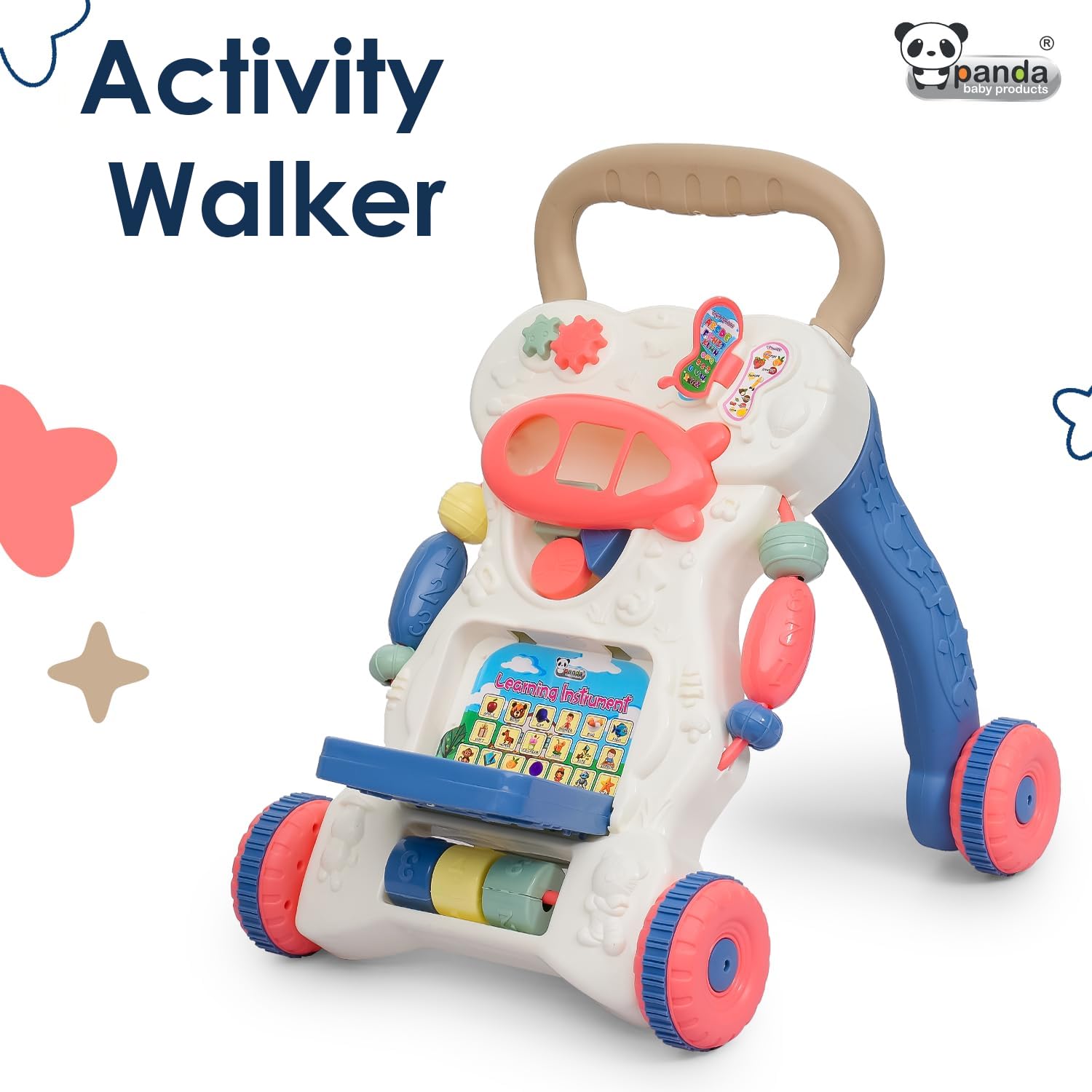
R for Rabbit Panda Push Walker with Music and Lights
- ✓ Push-along design (requires active control)
- ✓ 10–18 months recommended age
- ✓ Musical activity panel
* We earn a small commission — at no extra cost to you.
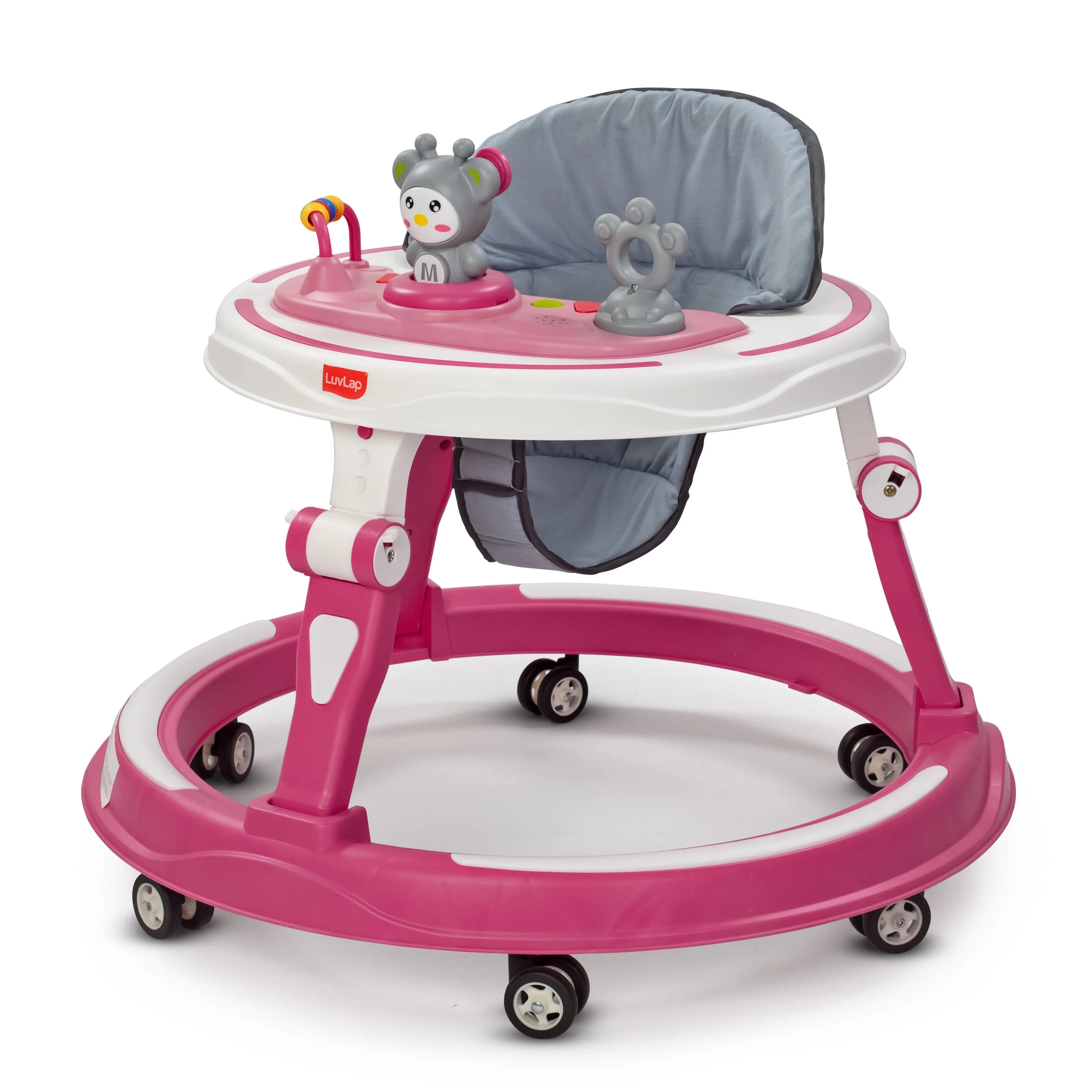
LuvLap Stand & Play Activity Center
- ✓ Sit-to-stand stationary design
- ✓ 9–24 months age range
- ✓ Pull-up handles with 8 activity stations
* We earn a small commission — at no extra cost to you.
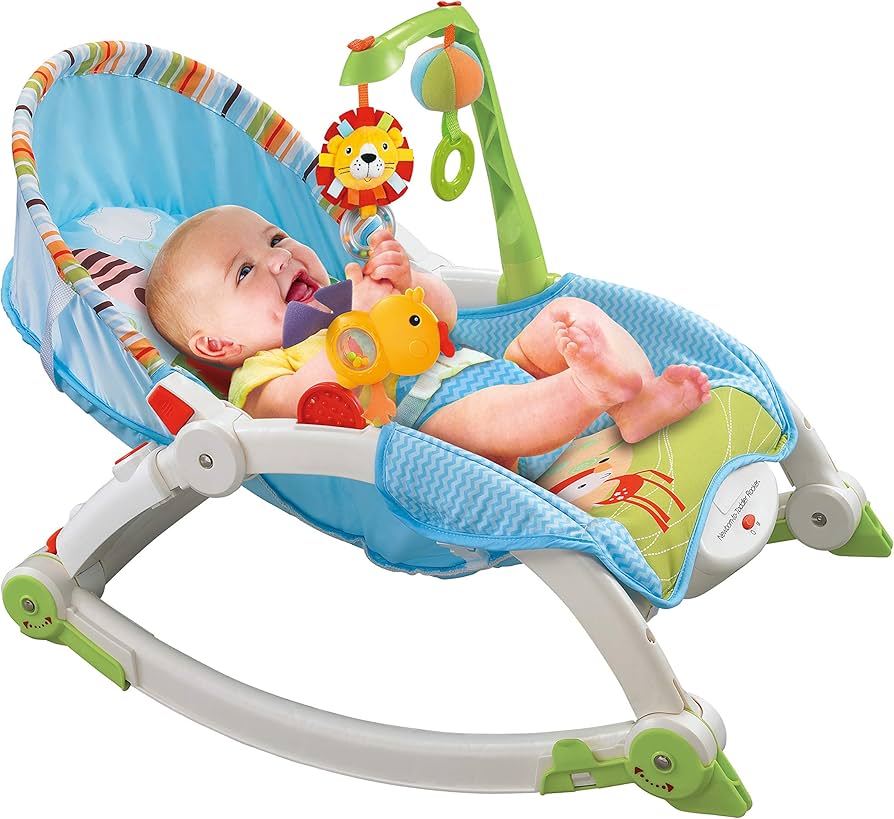
Baybee Stationary Baby Jumper with Bouncing Seat
- ✓ Completely stationary (no wheels)
- ✓ 6–15 months recommended age
- ✓ Adjustable seat height (6 positions)
* We earn a small commission — at no extra cost to you.