
Banana Ragi Porridge for 7-Month Babies: Pressure Cooker Recipe with Organic Flour Brands (Updated 2026)
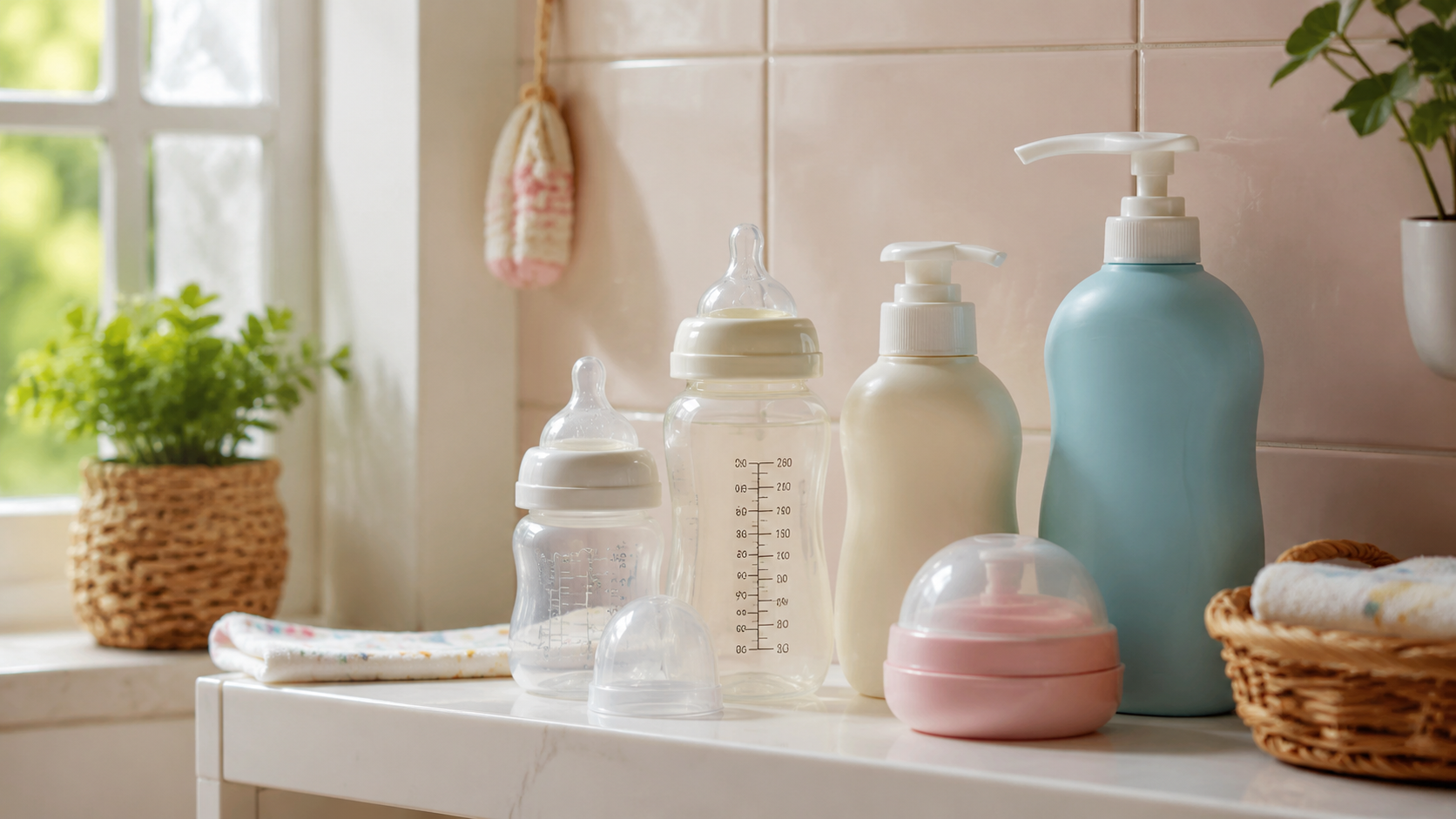
Banana ragi porridge is a simple, iron-rich first food for 7-month-old babies—made by cooking 3 tablespoons organic ragi flour with 1 cup water and mashing a ripe banana into it. Pressure cook for 12 minutes, cool, and feed; store in the fridge for up to 24 hours.
If your baby just turned 7 months and you're staring at a shelf full of baby porridge options in Mumbai, Delhi, or Bengaluru, let me save you the overwhelm: ragi porridge (also called finger millet) is one of the most calcium-rich, fibre-packed foods you can make at home for the same price as a fancy store-bought baby cereal. Add a banana, and you've got a complete meal that takes 12 minutes in a pressure cooker.
I started making this for my daughter at 7 months, and honestly, the texture was perfect for her gums—soft enough to mash with her tongue but thick enough to feel like real food, not just milk. The Indian Academy of Pediatrics (IAP) recommends introducing semi-solid, iron-rich foods like ragi by 6 months, and banana ragi hits both marks without any guesswork.
The two organic ragi flour brands I rely on—Slurrp Farm (₹175 for 200g on Amazon.in) and Little Moppet (₹160 for 200g)—are made specifically for babies and skip the fillers. I'll walk you through the exact recipe, how to adjust texture as your baby grows, and what to watch for if your baby has a sensitive tummy.
Why Ragi + Banana for 7-Month Weaning?
Ragi (finger millet): a grain native to India that contains 344mg of calcium per 100g—nearly 10 times more than wheat flour. It's also rich in iron and fibre, which helps tiny digestive systems learn to process solid foods. According to a 2023 AIIMS study on infant nutrition, ragi-based weaning foods significantly reduced anaemia rates in babies aged 6–9 months across Delhi and NCR regions.
Banana: naturally sweet (so no added sugar needed), easy to digest, and contains resistant starch that feeds good gut bacteria. Ripe bananas also mash effortlessly into porridge without lumps that can cause choking risk.
Together, they create a complete meal—carbs for energy, minerals for bone development, and fruit fibre for digestion. Exactly what IAP weaning guidelines ask for at 7 months: iron-fortified foods, varied textures, and foods introduced one at a time with a 3–5 day gap to watch for allergies.
Pressure Cooker Recipe: 12-Minute Banana Ragi Porridge
Ingredients:
- 3 tablespoons organic ragi flour (Slurrp Farm or Little Moppet)
- 1 cup water (or breast milk/formula if you prefer)
- ½ ripe banana, mashed
- Pinch of ghee (optional, for flavour)
Step 1: Mix the flour
In a small bowl, mix 3 tablespoons ragi flour with 3 tablespoons cold water until no lumps remain. This prevents clumping when you pour it into the hot water. Takes 30 seconds if you press the back of a spoon firmly against the bowl.
Step 2: Boil water in pressure cooker
Pour 1 cup water into a pressure cooker (1-litre capacity is fine for this), add the lump-free flour mixture, and stir well. Don't close the lid yet—let it simmer on medium heat for 2 minutes while stirring to break down any remaining lumps. This also prevents the porridge from sticking to the cooker bottom.
Step 3: Pressure cook
Close the lid, bring to full pressure (1 whistle on a traditional Indian cooker), then lower heat to simmer. Cook for exactly 12 minutes at low pressure. This timing ensures the ragi grains soften completely without turning mushy—important for texture progression.
Step 4: Cool and mash banana
Let pressure release naturally for 2 minutes, then open carefully. The porridge will be creamy and slightly thick. While it cools to lukewarm, mash the ripe banana thoroughly into a smooth paste using a fork (no lumps for a 7-month-old).
Step 5: Combine and serve
Stir the mashed banana into the cooled porridge. It should look like thick custard, not soup. If it's too thick, add 2 tablespoons of water or expressed breast milk. Add a tiny pinch of ghee if you want (many mothers in Mumbai and Pune swear it aids nutrient absorption, though IAP doesn't mandate this).
Texture Tip by Age: At 7 months, feed it as a smooth, creamy porridge. By 9 months, leave the porridge slightly more textured (less stirring in step 2) so your baby practices chewing. By 12 months, you can mash the banana less finely.
Storage, Reheating & Safety
Banana ragi porridge keeps in an airtight container in the fridge for up to 24 hours. After 24 hours, discard any leftovers—banana oxidises and loses nutrients quickly, and you don't want to risk bacterial growth in homemade baby food.
To reheat: transfer to a bowl and warm gently on a stovetop (never microwave, as it creates hot spots that can burn your baby's mouth). Stir well before serving and check the temperature on your inner wrist—it should feel warm like your skin, not hot.
Freezing is an option for the plain ragi porridge (no banana yet). Cook the ragi, cool completely, divide into ice-cube trays, freeze for 4 hours, then pop cubes into a freezer bag and label with the date. Thaw one cube, add fresh mashed banana each time you serve—this keeps the banana's nutrients intact.
Banana Ripeness Guide: Use bananas with brown speckles (called sugar spots), not yellow or green ones. The speckles mean the banana has converted its starches to natural sugars, making it easier to digest and sweeter without adding honey (which IAP advises against for babies under 12 months due to botulism risk). A perfectly ripe banana will mash with a single fork stroke.
Allergen Watch: Banana and ragi are low-allergen foods, but introduce them separately anyway. Offer plain ragi porridge for 3–5 days first, watch for vomiting, diarrhoea, or rashes, then introduce banana. If your baby has a family history of nut allergies, ask your paediatrician—though ragi and banana carry no nut cross-contamination risk from these brands.
What Paediatricians Say
IAP's 2026 Infant Feeding Guidelines recommend introducing iron-rich grains by 6 months and semi-solid foods by 7 months. Ragi is one of the few Indian staples that meets both recommendations without added fortification—it's naturally mineral-dense. Watch for digestive changes (looser stools are normal for the first week as baby's gut adjusts to fibre) and consult your doctor if your baby refuses the porridge or shows signs of rash.
- Iron absorption: Ragi's iron is more bioavailable when paired with vitamin C (banana provides some), but consistent daily feeding is key—one bowl won't prevent anaemia; consistency over weeks does.
- Calcium benefit: 3 tablespoons of ragi flour + ½ banana = roughly 150mg calcium, about 20% of a 7-month-old's daily need.
Making banana ragi porridge at home costs roughly ₹20–30 per serving (ragi flour at ₹160–175 per 200g = ₹0.80–0.88 per tablespoon; banana at ₹40/kg = ₹2 per fruit), versus ₹70–120 for store-bought baby porridge pouches. The texture is fresher, the ingredients are transparent, and you control the ripeness of the banana. For parents in Jaipur, Lucknow, or Chennai managing multiple weaning meals a week, this recipe is a lifesaver.
Our Top Picks
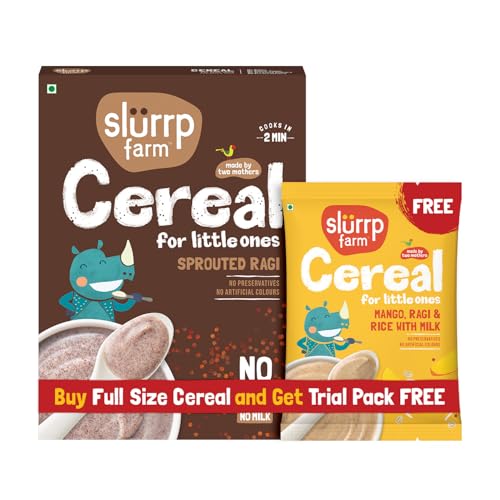
Slurrp Farm Organic Ragi Flour Baby Cereal (200g)
- ✓ 100% organic, BIS-certified
- ✓ No added sugar, salt, or preservatives
- ✓ High in calcium (344mg per 100g) and iron
* We earn a small commission — at no extra cost to you.
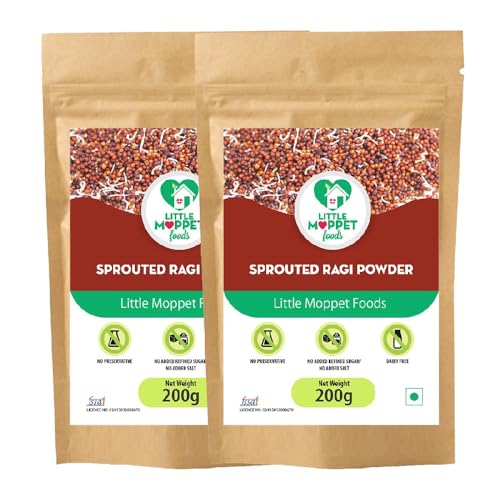
Little Moppet Organic Ragi Flour for Babies (200g)
- ✓ Certified organic, no pesticides
- ✓ Single-ingredient (ragi only)
- ✓ Fine texture, quick pressure cooker cooking
* We earn a small commission — at no extra cost to you.
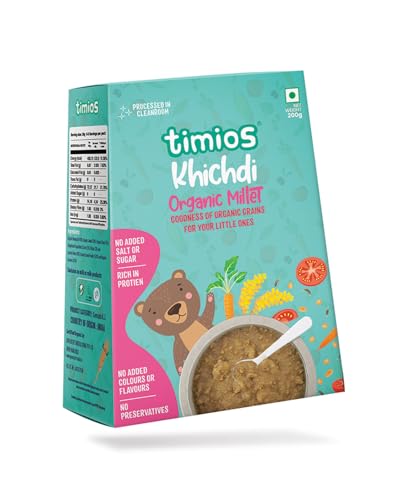
Amazon Brand Mama Bear Organic Finger Millet Porridge (200g)
- ✓ Budget-friendly organic option
- ✓ FSSAI-approved, no additives
- ✓ Suitable for 6+ months
* We earn a small commission — at no extra cost to you.