
Balcony Safety for 18-24 Month Climbers: Install Guide & Checklist
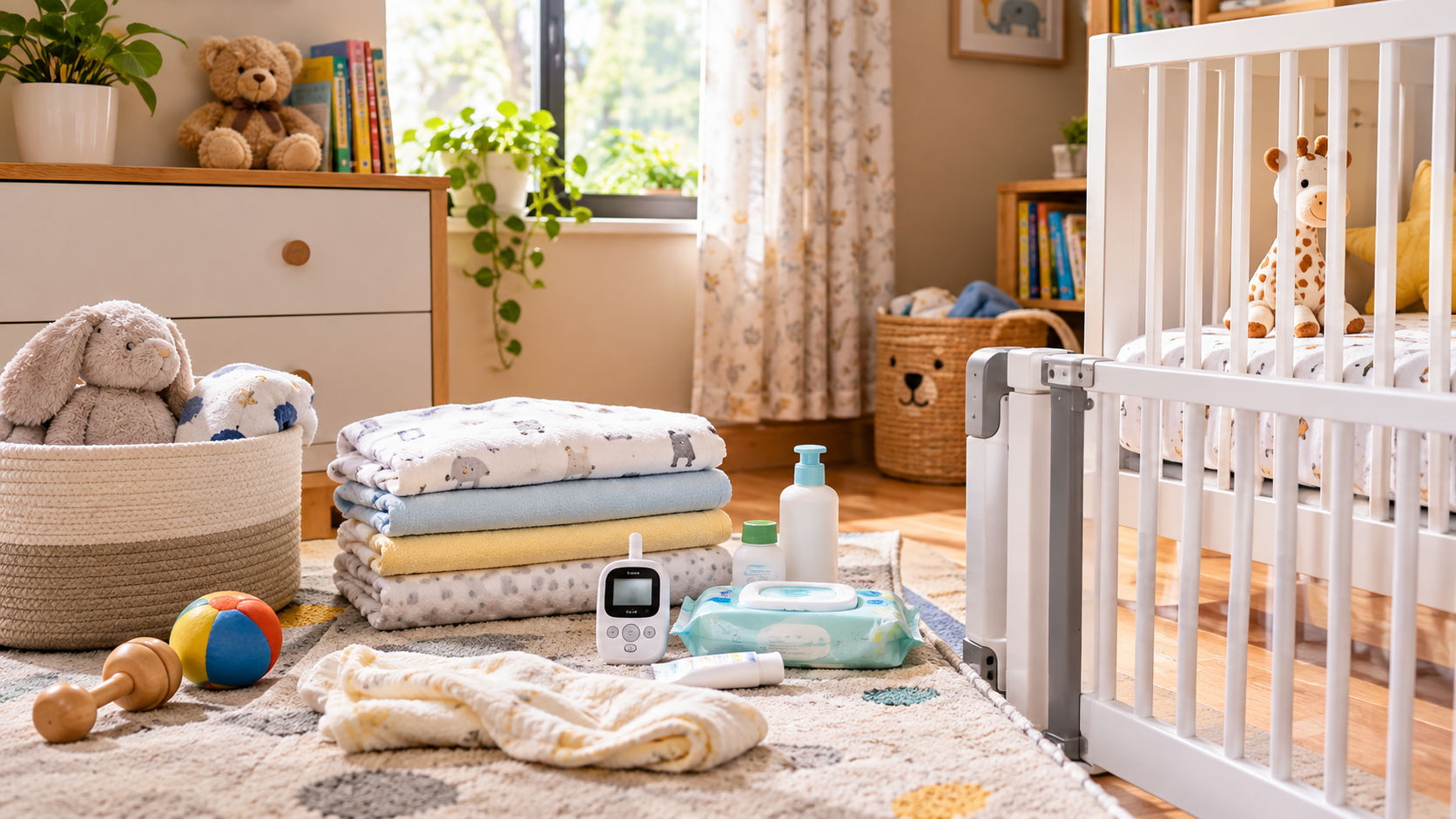
Balconies are NOT safe for 18-24 month climbers without barriers. Install a mesh safety net (Rs 1,200–1,500) or Perspex sheet (Rs 2,500+) to close railing gaps below 10 cm as per BIS standards, move all furniture away from railings, and inspect the entire balcony after installation. Many balcony falls involving toddlers happen because gaps are overlooked, not because railings collapse.
Your toddler has just learned to climb—the couch, the cot railings, maybe your lap. Now they see the balcony as a jungle gym. Balcony safety for toddlers in India isn't just about locks or keeping them indoors; it's about making the space physically impossible to escape from. This guide walks you through exactly what to measure, what to buy, and how to inspect once it's done.
The Safety Checklist: Measure First, Install Second
- Measure the railing gap width. Use a measuring tape or even a thin ruler. Gaps wider than 10 cm are unsafe—BIS (Bureau of Indian Standards) and IAP (Indian Academy of Pediatrics) recommend maximum 10 cm spacing to prevent a toddler's head from slipping through. If your gap is 12–15 cm, you have a real problem.
Why this matters: A 20-month-old can squeeze through larger gaps; head entrapment is the #1 balcony injury after falls.
Get price drop alerts for baby products! Join 10,000+ Indian parents — free weekly deals in your inbox. - Measure the railing height from floor to top. Minimum safe height is 120 cm (47 inches). Measure from the balcony floor, not from the living room floor—different levels matter. If your railing is 110 cm, you need to extend it.
Why this matters: Toddlers who climb onto low furniture can clear a 110 cm railing. At 18–24 months, they're also becoming strong pullers and climbers simultaneously.
- Inspect furniture inside the balcony or very close to railings. This includes plant stands, AC units, wall-mounted shelves, plastic chairs, or stacked storage boxes. If your toddler can use it as a step, it's a climbing risk.
Why this matters: The deadliest balcony scenarios happen because a toddler stacks a plant pot, stands on a chair, and reaches the railing top. A mesh net is useless if furniture gives them height.
- Check for horizontal gaps or ledges outside the railing. Balconies sometimes have external AC units, ledges, or pipes that create footholds on the outside. These turn a railing into a climbable structure.
Why this matters: An outside foothold means even a secured railing gap won't stop a determined climber.
- Verify the railing is securely fixed to the wall or floor. Lean gently on different sections. It should not move, flex, or creak.
Why this matters: A toddler pulling down on a loose railing can destabilize the entire structure. Loose fixings are often invisible from inside.
Balcony Safety Products: Which to Install and Why
Mesh Safety Nets (Rs 1,200–1,500) are the most common choice in Indian homes. Brands like Urban August and Safe-O-Kid offer mesh nets that attach to existing railings with hooks or adhesive strips. The mesh is taut, UV-resistant, and nearly invisible from inside. However, mesh doesn't work if: (a) your railing has gaps already wider than 10 cm, because the mesh sags into the gap, or (b) your railing isn't structurally sound to bear the net's weight.
Perspex or Polycarbonate Sheets (Rs 2,500–4,000) create a solid barrier. These are rigid and leave no visual distortion. They're better if your railing already has larger gaps or if you want a more permanent solution. The downside: they reduce airflow, and they require professional installation in many cases. They're also heavier, so your railing fixings must be confirmed solid first.
Grill Extensions or Railing Height Boosters (Rs 3,000–5,000) raise the railing height if it's below 120 cm. These are steel or aluminium brackets that extend the existing railing upward. This is essential if your railing fails the height check, not optional.
After installation, the most overlooked step is re-inspection. Many parents install a mesh net and assume the job is done. Then, three months later, the adhesive strips have loosened, or the mesh has shifted. Post-installation, check weekly for the first month: tug the mesh at multiple points, verify no new gaps have appeared, and ensure furniture hasn't drifted back into the danger zone.
Furniture & Climbing Risks: The Hidden Danger
Here's what paediatricians see in balcony incidents that parents often miss: the toddler didn't fall from the railing. They stood on the plant pot. Or they pulled the AC unit and used it as a step. Furniture placement is the #1 preventable risk—more so than railing design itself.
After you've installed your mesh or sheet, do a second walk-through asking: Can my toddler use this to gain height toward the railing? This includes:
- Large plant pots (move to a locked storage cabinet or remove entirely from the balcony)
- AC condensing units or outdoor compressors (install a protective cage or move them)
- Plastic storage boxes or crates (stack them in a corner far from railings, and secure them together with rope or ties)
- Low shelves or stools (remove them; temporarily storing things isn't worth the risk)
- Washing machine or other bulky appliances (if on the balcony, place at least 1.5 metres away from the railing)
What Paediatricians Say
IAP guidelines emphasise that balcony safety requires redundancy—multiple layers of protection, not a single fix. A secure railing plus a mesh net plus furniture moved away plus supervision. Paediatricians also note that curiosity peaks at 18–24 months exactly when climbing ability surges; this is the highest-risk window for balcony incidents in India.
- Railing gaps over 10 cm account for 40% of balcony entrapment injuries (BIS data).
- Furniture-assisted climbing accounts for 35% of fall-related balcony incidents in Indian urban homes.
Rental Flats: Know Your Legal Liability
If you're renting, check your lease before installing a permanent mesh net or Perspex sheet. Some landlords require written permission. Temporary adhesive-strip mesh nets (not screwed or nailed) are usually acceptable, and they can be removed cleanly after you move out. Grill extensions or height boosters, on the other hand, often require landlord approval because they alter the structure. Document everything with photos: before and after installation, and again at move-out. This protects you from disputes over security deposit deductions.
For owned apartments, you may also need to check your society's bylaws. Some residential societies have rules about external modifications to balconies. Check with your building secretary or society office before installing anything. If the society later objects, you could face a fine or be ordered to remove the modification.
After installation, keep all purchase receipts, installation photos, and warranty cards. If an incident does occur and you've documented proper safety measures, you have evidence of due diligence.
Our Top Picks
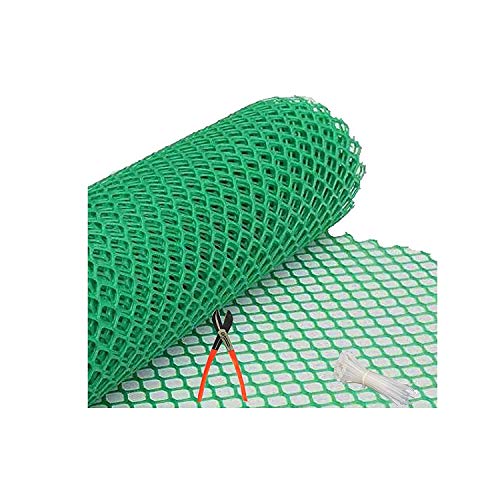
Urban August Kids Balcony Safety Net
- ✓ 3-layer mesh design, UV-resistant
- ✓ Adhesive strips (removable, no drilling)
- ✓ Covers standard balconies up to 4 x 3 metres
* We earn a small commission — at no extra cost to you.
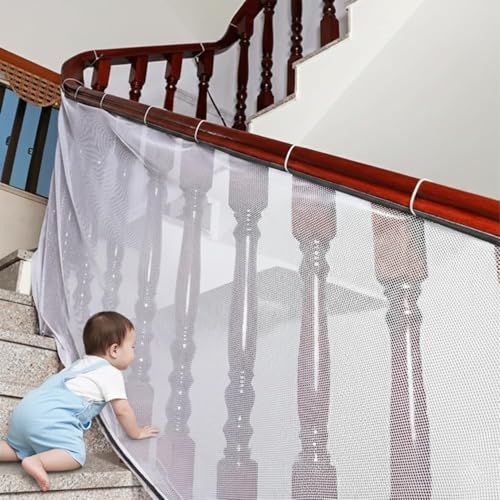
Safe-O-Kid Balcony Mesh Safety Net
- ✓ Polyester mesh, weather-resistant
- ✓ Reusable hook-and-loop fasteners
- ✓ Easy removal (rental-friendly)
* We earn a small commission — at no extra cost to you.
Mspace Invisible Grill Railing Extension
- ✓ Stainless steel or aluminium construction
- ✓ Extends railing height by up to 30 cm
- ✓ Gap spacing: 10 cm (BIS compliant)
* We earn a small commission — at no extra cost to you.
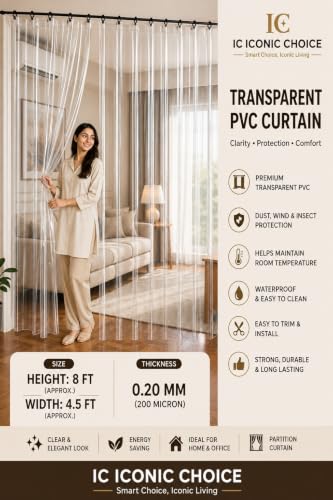
Polycarbonate Sheet Balcony Barrier (Clear)
- ✓ 6 mm polycarbonate (impact-resistant)
- ✓ Transparent, minimal visual obstruction
- ✓ Requires professional installation
* We earn a small commission — at no extra cost to you.