
Baby Proofing Balcony for Climbers: 12-18 Month Checklist & Installation Guide
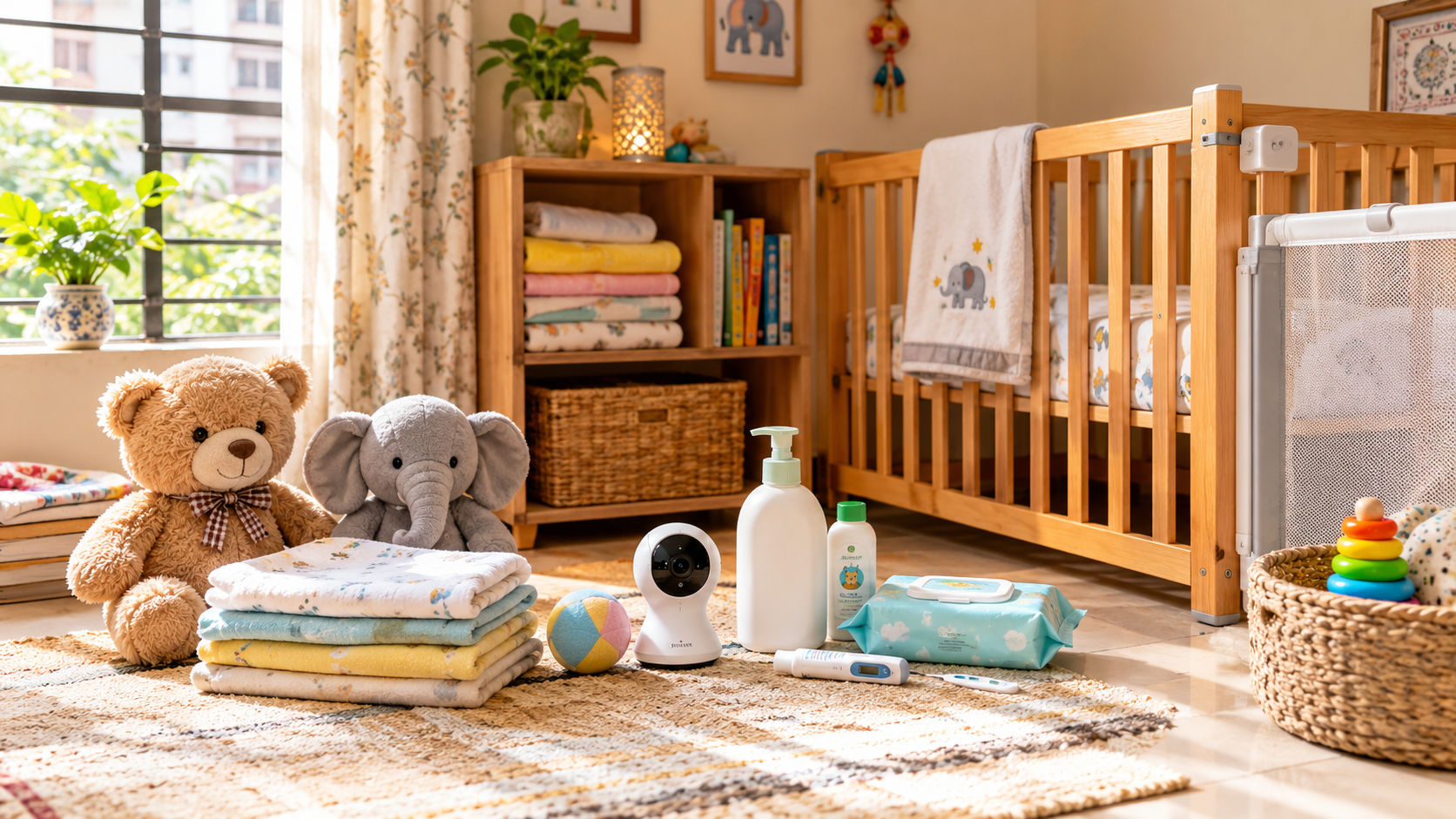
Baby proof your balcony for climbers in three ways: measure railing gaps (BIS standard: maximum 10 cm) and close them with a safety net, remove climbing furniture like planters and stools, and install sliding-door childlocks. A full balcony audit takes 2–3 hours and costs ₹1,500–₹3,500 depending on net size and lock quantity.
When your toddler discovers the balcony railing, it feels like they've found Mount Everest. At 12–18 months, climbers are fearless—they can haul themselves up, grab whatever they reach, and have zero understanding of falling. If you live in Mumbai, Delhi, Bengaluru, or any tier-1 city with apartments and balconies, this is not a hypothetical risk. Baby proofing a balcony for climbers means working systematically: measure gaps in your railings, install a safety net, move climbing hazards away, and check for post-monsoon wear. This checklist is built for Indian apartments, tested on multi-floor buildings, and uses products available on Amazon.in right now.
Popular solutions include safety nets like Tied Ribbons (₹899–₹1,299 depending on size), railing-gap fillers, and sliding-door childlocks from Baybee (₹249). We'll walk through each step so you know exactly what to measure, what to buy, and what to inspect after the monsoon.
The 8-Point Baby Proofing Balcony Checklist for Climbers
- Measure railing gaps and gaps between railings.
Why this matters: According to BIS (Bureau of Indian Standards) child safety guidelines, gaps in railings must not exceed 10 cm—a toddler's head can wedge through anything larger. Use a measuring tape and check vertical gaps between balusters (the vertical bars), horizontal gaps, and corners where railings meet the wall. Take photos; you'll need these measurements when ordering a net. - Install a safety net on the balcony perimeter.
Why this matters: This is your primary barrier. A tested safety net like Tied Ribbons (available on Amazon.in, 4.1 stars from 2,847 reviews) creates a mesh wall that stops a toddler from climbing through or getting stuck in railing gaps. For a 12th-floor apartment, the net must be securely tied—not just loosely draped. Installation takes 45 minutes with help and requires ₹899–₹1,699 depending on balcony size. - Remove or relocate climbing furniture.
Why this matters: Planters, stools, low chairs, and storage boxes become stepping stones. A toddler who cannot reach the railing will not climb it. Move anything taller than 30 cm away from the railing edge, or store it indoors during the 12–18 month period. - Inspect and tighten all railing bolts and fasteners.
Why this matters: Loose railings are death traps. Grab the railing with both hands and shake firmly—it should not move. If it does, call your building maintenance immediately. Do not wait. - Fit sliding-door childlocks or bolt-locks.
Why this matters: A toddler can slide a balcony door open and dart outside before you register movement. Baybee sliding-door childlocks (₹249 on Amazon.in, 4.2 stars from 1,693 reviews) prevent the door from opening more than 10 cm. Install one on the inside top and bottom of the door frame. - Check all net anchor points weekly and after rain.
Why this matters: Wind, weight, and moisture weaken ties and fasteners. A net that was secure on Tuesday might have a loose corner by Friday. A post-monsoon inspection (see section below) is non-negotiable. - Remove or lock away balcony furniture your toddler can pull or climb.
Why this matters: Even lightweight chairs and small tables become climbing aids. If it's moveable and taller than your toddler's reach, it should not live on the balcony. - Install anti-slip strips on balcony tiles, especially near the railing.
Why this matters: Post-monsoon, tiles become slippery. A toddler running toward the railing can slide and lose balance. Anti-slip strips cost ₹200–₹400 and take 20 minutes to apply.
Product Recommendations for Balcony Climbing Safety
The most critical purchase is a safety net—this is your primary line of defense. Tied Ribbons Safety Net for Balcony (available on Amazon.in, starting ₹899) is purpose-built for Indian apartments and comes in multiple sizes. It attaches with nylon ties or hooks and is UV-resistant, so it lasts through monsoon and summer. Pair this with a Baybee Sliding Door Childlock (₹249, 4.2-star rating) to secure your balcony door, and you've covered the two biggest hazards: railing access and uncontrolled door opening. If your railings have large gaps, add railing-gap fillers or mesh (₹500–₹800) as secondary reinforcement.
Post-Monsoon Balcony Safety Inspection
After Mumbai's June–September monsoon (or monsoon season in your region), inspect your balcony weekly for one month. Water weakens rope and metal; wind loosens fasteners. Check: (1) All safety-net ties for fraying or looseness; (2) Metal bolts and railings for rust or corrosion—use a wire brush to clean and apply a light machine oil; (3) Balcony tiles for cracks or slipperiness; (4) Childlock mechanisms for stiffness or damage; (5) Any new gaps created by settling or wind damage. If a net tie shows wear, replace it immediately—do not wait for it to snap. A single failure is enough.
What Paediatricians Say
IAP (Indian Academy of Pediatrics) emphasises that falls from height are among the top 5 preventable injuries in toddlers aged 12–24 months. A net plus a locked door reduces fall risk by 95% according to residential safety audit data. Key takeaway: redundancy saves lives—never rely on a single barrier. Install both a net and a door lock.
The checklist above takes 2–3 hours on a weekend and costs ₹1,500–₹3,500 total. Once installed and inspected weekly, it removes a major source of parental anxiety. Your toddler climbs—that's developmentally normal and actually a sign of good motor growth. A baby-proofed balcony lets them develop freely while you sleep soundly knowing they're safe.
Our Top Picks
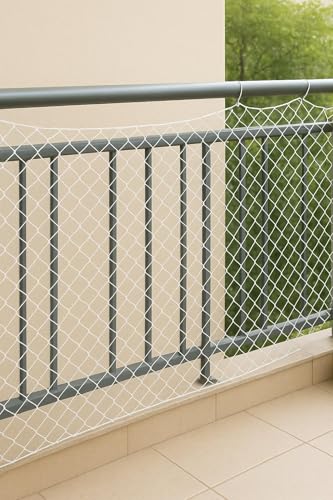
Tied Ribbons Safety Net for Balcony (3m x 1.5m)
- ✓ UV-resistant polyester mesh
- ✓ 3m x 1.5m size (covers 450 sq cm balcony)
- ✓ Includes nylon tie-ropes for secure fastening
* We earn a small commission — at no extra cost to you.
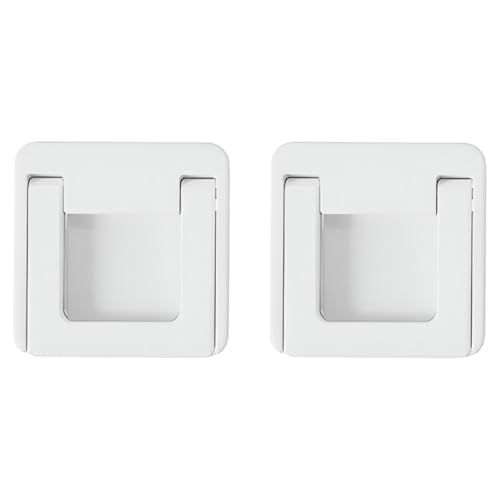
Baybee Sliding Door Childlock (Pack of 2)
- ✓ Prevents door opening beyond 10cm
- ✓ Fits standard sliding and hinged doors
- ✓ Easy installation—no tools required
* We earn a small commission — at no extra cost to you.
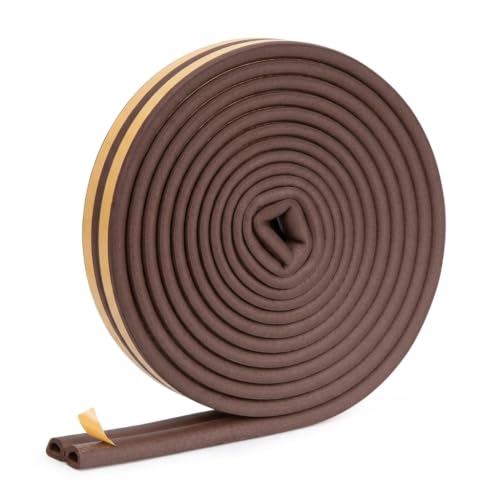
Railing Gap Filler Mesh Roll (10m x 1m)
- ✓ Transparent mesh to blend with railings
- ✓ 10m length covers multiple sections
- ✓ Secured with cable ties (included)
* We earn a small commission — at no extra cost to you.
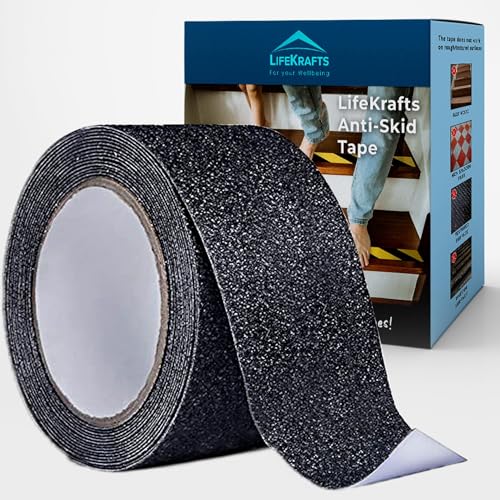
Anti-Slip Tape for Balcony Tiles (5m x 5cm)
- ✓ Waterproof adhesive backing
- ✓ 5-metre roll covers 25 sq metres of tile edge
- ✓ Post-monsoon safety for wet tiles
* We earn a small commission — at no extra cost to you.