
Baby's First Cold: When to Worry & Home Remedies That Actually Work

Most baby colds are mild viral infections that clear in 7-10 days. Saline nasal drops (under Rs. 150), a cool mist humidifier, and keeping your baby warm are the backbone of home care. Call your paediatrician if your baby has difficulty breathing, refuses feeds, or has a fever above 38°C in the first 3 months—these are red flags that need medical assessment.
When your baby first starts sniffling, the instinct is to panic. But here's what most Indian parents discover: a cold is one of the most common infant illnesses, and in most cases, it resolves at home with basic comfort measures. The real skill is knowing the difference between a mild runny nose and something that needs urgent attention.
Why Do Babies Get Colds So Easily?
Newborns and infants under 12 months have immune systems that are still learning to recognize threats. Maternal antibodies—protection passed from you during pregnancy and breastfeeding—fade over the first few months, leaving your baby vulnerable. Cold viruses (usually rhinoviruses) spread through the air when someone coughs or sneezes, or through touched surfaces. Autumn temperature swings in Indian cities like Delhi, Mumbai, and Bengaluru often trigger colds because the rapid change stresses babies' developing respiratory systems.
Baby First Cold Symptoms: What's Normal and What's Worrying?
A mild cold in a 0-12 month baby typically includes a runny or stuffy nose, occasional sneezing, mild cough, and sometimes fussiness. Your baby may feed slightly less or sleep more as their body fights the virus. This is not alarming—it means the immune system is working.
Worrying signs that need an immediate call to your paediatrician include: difficulty breathing or rapid breathing (more than 50 breaths per minute), high fever (above 38°C in babies under 3 months, or persistent fever above 38.5°C in older infants), refusal to feed for more than a few hours, persistent vomiting, lethargy or unusual sleepiness, or a persistent dry cough lasting more than 2 weeks. According to IAP (Indian Academy of Pediatrics) guidelines, any fever in a baby under 3 months should be reported to a doctor, as it may signal a more serious infection even if the baby seems well otherwise.
Safe Home Remedies for Baby's Cold: What Works and What Doesn't
Saline nasal drops are the gold standard. They relieve congestion naturally, have no side effects, and work by thinning mucus. Options include Nasodep saline drops (around Rs. 90 for a 15 ml bottle) or Otrivin Baby Normal Saline (Rs. 120). Use 1–2 drops in each nostril every 4–6 hours, or as needed. This is safe even for newborns.
A cool mist humidifier adds moisture to the air, which helps babies breathe easier. The Dr Trust Cool Mist Humidifier (around Rs. 1,500) or the Homedics UltraSonic model (Rs. 1,800–2,200) are popular on Amazon.in. The debate between steam and cool mist matters: steam inhalation can be dangerous for babies because their airways are delicate and steam can cause swelling. Cool mist only is the safe choice. Run it at night in your baby's room or wherever they sleep.
Mustard oil chest rubs are a traditional Indian remedy, but safety requires care. Pure mustard oil (not essential oil blends) can be gently warmed and massaged on the chest in circular motions for 2–3 minutes. Brands like Mamaearth Massage Oil or Mother Sparsh Baby Massage Oil (both under Rs. 250) are gentler than pure mustard oil and are designed for baby skin. Never apply hot oil—test it on your inner wrist first. Avoid the face and do not apply so much that your baby's clothes are soaked. The warmth and gentle massage provide comfort; the medicinal effect is debated, but parents report their babies sleep more deeply afterward.
Keep your baby warm (layer clothing, avoid air conditioning on high) and ensure feeds are on demand—breast milk or formula provides hydration and immune support. If breastfeeding, positioning matters: elevate your baby's head slightly to help mucus drain.
When to See a Doctor
Call your paediatrician immediately if your baby is under 3 months and has any fever; if breathing becomes laboured or rapid; if your baby refuses feeds for more than 4 hours; if there is persistent vomiting; or if the cold worsens instead of improving after 5 days. This is general information, not medical advice. Your doctor knows your baby's health history and can rule out ear infections, pneumonia, or other complications that can follow a viral cold.
What IAP and WHO Guidance Says
IAP recommends supportive care (fluids, saline, rest) as the first-line treatment for viral colds in infants; antibiotics are not effective against viruses and are reserved only for suspected bacterial secondary infection. WHO advises that babies under 6 months should continue exclusive breastfeeding or formula during illness—breast milk is itself a medicine, providing antibodies tailored to fight the virus in your environment.
Autumn Colds and Temperature Swings
In Delhi, Mumbai, Pune, and other Indian cities, the shift from summer heat to cooler autumn temperatures (usually September–October) triggers a spike in baby colds. The rapid change forces babies' respiratory systems to adjust, and contact with older siblings or caregivers indoors increases. Dress your baby in layers so you can adjust as temperature fluctuates. Avoid overheating—overheated babies are more prone to viral infections.
Products That Help: A Practical Overview
Saline nasal drops are non-negotiable—keep a bottle at home and in your diaper bag. A humidifier becomes your best friend, especially during high-pollen or high-dust seasons. Warm massage oil designed for babies adds comfort without risk. Paracetamol (Calpol Baby, around Rs. 120 for 30 ml) is used only if fever spikes above 38°C in babies over 3 months; consult your doctor on dosing for younger infants. Avoid vapor rub products like Vicks VapoRub on infants under 2 years—they contain menthol and eucalyptus, which can irritate tiny airways.
Our Top Picks

Nasodep Normal Saline Nasal Drops (15ml)
- ✓ 15 ml bottle
- ✓ Preservative-free
- ✓ Safe for newborns
* We earn a small commission — at no extra cost to you.

Dr Trust Cool Mist Humidifier with Ultrasonic Technology (2.2L)
- ✓ 2.2 litre capacity
- ✓ Cool mist only
- ✓ 12-hour runtime
* We earn a small commission — at no extra cost to you.
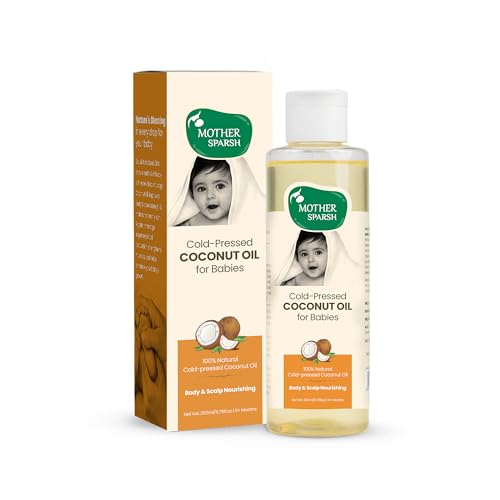
Mother Sparsh Gentle Baby Massage Oil (100ml)
- ✓ 100 ml bottle
- ✓ Mustard oil base
- ✓ Enriched with brahmi and ashwagandha
* We earn a small commission — at no extra cost to you.

Homedics UltraSonic Cool Mist Humidifier (4L Capacity)
- ✓ 4 litre tank
- ✓ 14-hour continuous mist
- ✓ LED display
* We earn a small commission — at no extra cost to you.
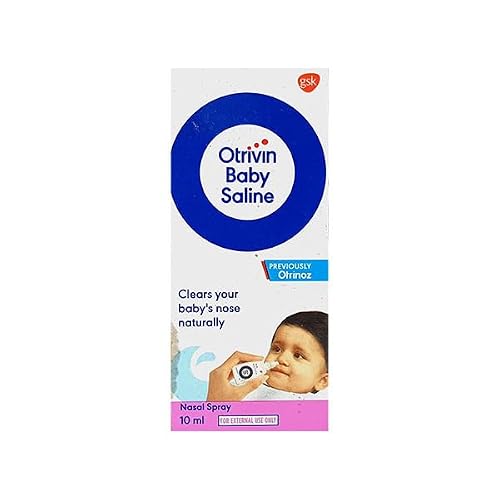
Otrivin Baby Normal Saline Nasal Spray (20ml)
- ✓ 20 ml spray bottle
- ✓ Isotonic solution
- ✓ No medications
* We earn a small commission — at no extra cost to you.

Calpol Baby Paracetamol Suspension (30ml)
- ✓ 30 ml bottle
- ✓ Paracetamol 120mg/5ml
- ✓ For fever and mild discomfort
* We earn a small commission — at no extra cost to you.