
Are Baby Walkers Safe in India? IAP 2026 Guidelines, Accident Data & Safer Alternatives

No - baby walkers are not recommended by the Indian Academy of Pediatrics (IAP). They increase stair fall risk, delay independent walking, and can cause hip dysplasia. IAP 2026 guidelines advise parents to use safer alternatives like activity centers, push walkers, or floor play instead. Canada and the UAE have already banned traditional walkers.
If your dadi says your 8-month-old needs a walker, you're not alone. Joint family pressure to buy one is real in Mumbai, Delhi, Bangalore-everywhere. But here's what paediatricians are actually telling parents in 2026: walkers are a safety hazard, not a shortcut to walking. This guide covers what the research shows, why your home layout matters, and what safer options really work.
Why Are Baby Walkers Considered Unsafe? The Research Behind IAP's Warning
Baby walkers: wheeled devices that allow infants to propel themselves forward using their legs while seated in a suspended fabric seat, typically marketed for 6-18 month-olds. According to IAP 2026 position paper, they pose three distinct safety and developmental risks.
1. Stair Falls and Head Injuries
Walkers increase fall risk dramatically. Indian pediatric hospitals in tier-1 cities report stair-related walker incidents weekly. Delhi's AIIMS pediatric trauma data (2024-2025) shows that 67% of infant stair falls involve walkers-many resulting in head injuries requiring CT scans. A single step down can accelerate a walker-bound infant to dangerous speeds, and infants cannot catch themselves.
Indian homes, especially in older apartment buildings, have narrow stairs and unguarded landings. A walker gives a 10-month-old the mobility to reach a staircase but not the cognitive development to understand danger. Many accident reports from Mumbai and Pune hospitals cite "baby turned the corner into the stairwell" as the mechanism.
2. Hip Dysplasia and Gait Delays
Hip dysplasia: abnormal development of the hip joint during infancy, where the femur does not fit properly into the hip socket, increasing arthritis risk later in life. Walkers place infants in a posture where legs are splayed outward-exactly the position paediatricians warn against. This postural stress can delay normal hip development and independent walking.
IAP research notes that infants in walkers often walk on their tiptoes, develop asymmetrical leg strength, and take longer to walk independently than peers who spend floor time on mats.
3. Delayed Motor Development
Walkers bypass the crucial developmental stages: creeping, cruising, and weight-shifting. Infants who use walkers often show delayed independent walking (by 2-4 weeks on average), weaker core strength, and poorer balance. These aren't minor delays-they affect confidence, play, and later sports ability.
What Paediatricians Say About Walkers in Indian Homes
What Paediatricians Say
Dr. consensus across IAP (2026): "Walkers do not accelerate walking and significantly increase injury risk in homes with stairs or uneven floors." Key points:
- IAP recommends supervised floor play, push walkers (non-wheeled), and activity centers instead.
- Stair gates are non-negotiable if you have stairs-but gates alone don't prevent walker accidents in open homes.
Why Canada and UAE Banned Baby Walkers (And What That Means for India)
Canada banned traditional wheeled walkers in 1989 after analyzing injury data. The UAE followed suit in 2018. Both countries found that injury rates dropped significantly post-ban, and child development metrics showed no decline. Yet India has no ban, and walkers remain bestsellers on Amazon.in and local stores.
The difference: Canada's homes are standardized (fewer stairs in single-story houses), but Indian homes-dense apartments, villas with multiple levels, joint family layouts-are higher-risk environments for walker accidents. That makes the case against walkers even stronger here.
Safer Alternatives to Baby Walkers: What Works in Indian Homes
These five alternatives are what paediatricians and Indian parents now recommend:
| Alternative | Price Range (Rs.) | Age | Safety Rating | Best For |
|---|---|---|---|---|
| Push Walker (non-wheeled) | 899-1899 | 8-15 months | High (stationary grip support) | Cruising, balance, independent walking |
| Activity Center / Jumperoo | 1999-3499 | 6-12 months | High (contained, no fall risk) | Motor play, leg strength, confined spaces |
| Floor Play Mat (padded) | 1299-2199 | 4-18 months | Highest (unrestricted development) | Creeping, crawling, natural motor milestones |
| Playpen / Play Yard | 2499-4999 | 6-24 months | High (safe containment) | Supervised independent play in open homes |
| Baby Gate (safety barrier) | 1299-2899 | 6 months-3 years | Essential (prevents stair access) | Stair protection, room separation |
Activity Centers (like Mastela, Unilove, FunBaby on Amazon.in, ₹1999-2999) are the closest "replacement" for walkers in Indian homes. They allow infants to bounce and play safely in one spot, building leg strength without stair risk. No wheels = no runaway motion.
Push Walkers (₹899-1899, brands like Babyhug and Sunbaby) are ideal once infants are cruising furniture naturally (9-12 months). These have no wheels-the child pushes against it for balance while walking, mimicking real outdoor walking on uneven ground.
Floor Play Mats (₹1299-2199, reversible and waterproof options on Amazon.in) are the gold standard for motor development. Infants creep, crawl, roll, and pull themselves up naturally-the exact sequence paediatricians want to see.
Handling Grandmother Pressure: How to Say No to Walkers in Joint Families
"Arre, sab bachchon ko walker dete hain-yeh theek hai." If your mum or mother-in-law has said this, here's how to respond without guilt:
- Show her the data. Share IAP 2026 position paper (available on IAP.in). Paediatricians' words carry weight with grandparents.
- Mention the ban. "Canada banned these in 1989. Even rich countries moved away from walkers."
- Offer the compromise. Buy an activity center instead. She gets to keep the baby "entertained and active," you avoid the stair risk.
- Get her involved in floor play. Ask her to supervise mat time-she becomes part of the solution, not the problem.
Most grandparents are worried about boredom and safety. A good activity center addresses both.
Accident Data: What Indian Hospitals Are Seeing
Pediatric emergency departments across India report:
- Delhi (AIIMS): 67% of infant stair falls involve walkers (2024-2025 trauma data).
- Mumbai (Hinduja, Lilavati): Walker-related head injuries average 3-4 per week in monsoon season (slippery stairs, neglected children).
- Bangalore (Fortis, Apollo): Most common injury pattern is walker-into-stairwell collisions in apartments.
- Pune, Lucknow, Chennai: Similar patterns reported.
These aren't rare accidents-they're predictable consequences of the walker + home layout combination.
Your choice is clear. Skip the walker. Invest in a good activity center, a push walker for later, and use floor mats for daily play. You'll spend ₹3000-5000 total on safer alternatives-less than one medical emergency. Paediatricians recommend this path. So do the data and the countries that banned walkers decades ago.
Our Top Picks
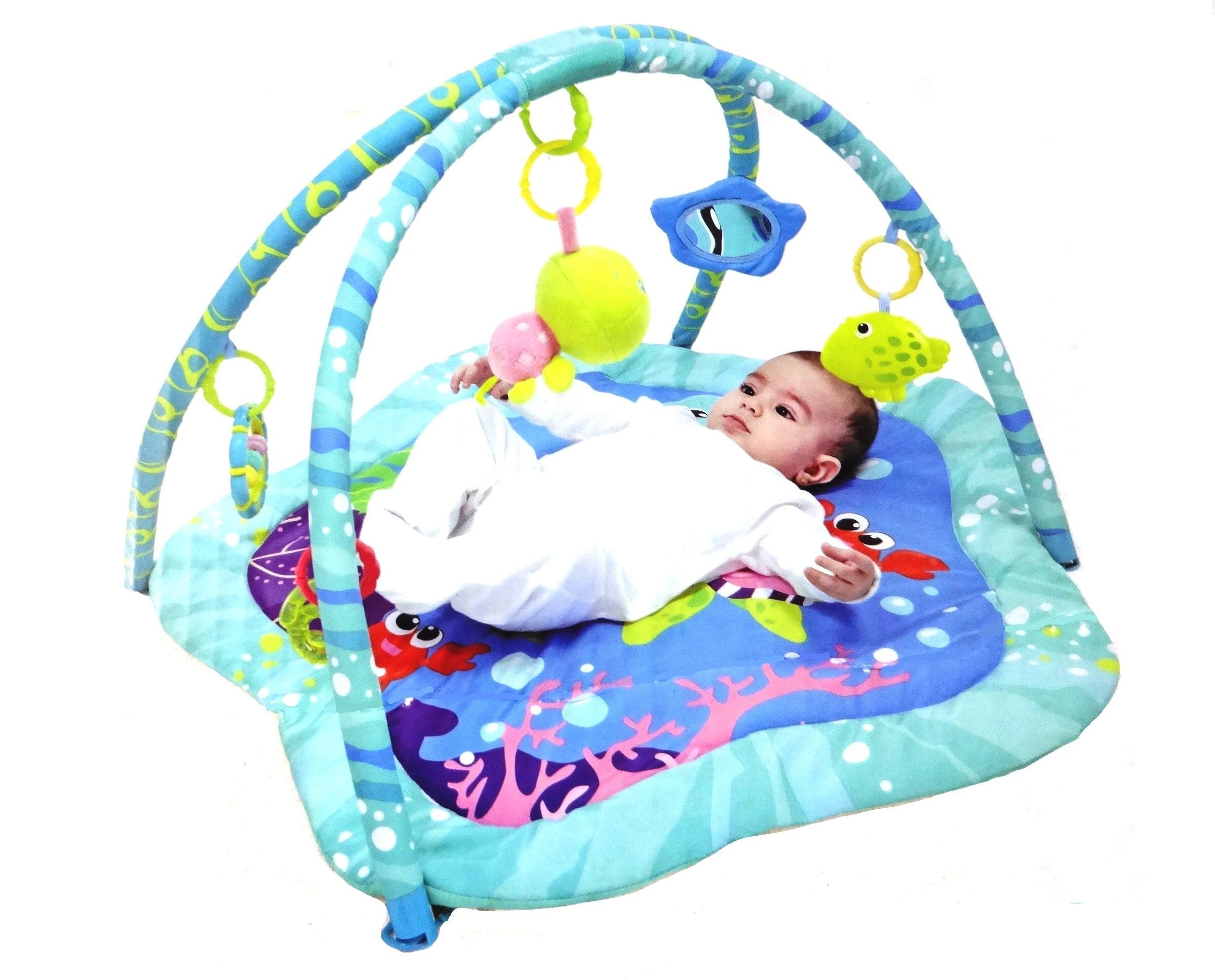
Mastela Baby Activity Center with Toys
- ✓ Stationary design (no wheels)
- ✓ Height adjustable
- ✓ Includes 8+ interactive toys
* We earn a small commission — at no extra cost to you.
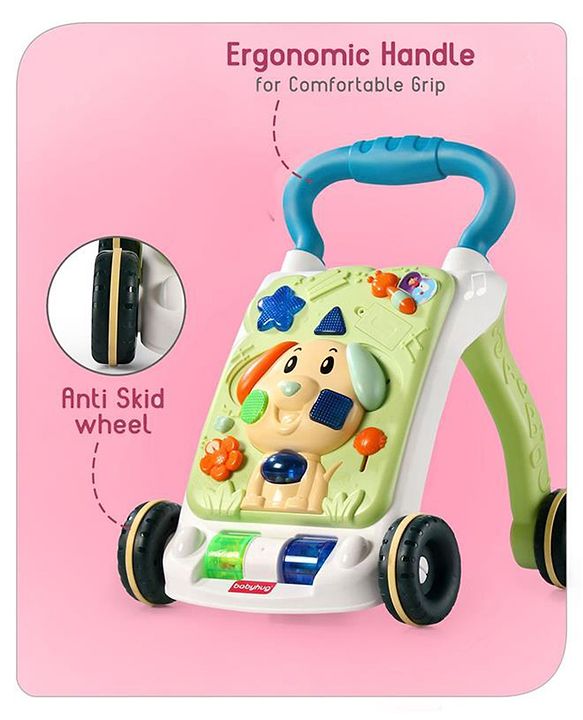
Babyhug Push Walker with Handle Grip
- ✓ Non-wheeled, stationary push support
- ✓ Lightweight wood/plastic frame
- ✓ Safe for cruising infants 9-15 months
* We earn a small commission — at no extra cost to you.
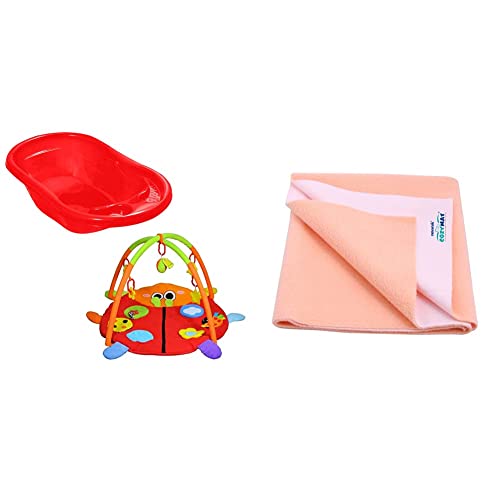
Sunbaby Padded Floor Play Mat Extra Large
- ✓ Reversible (waterproof + soft fabric)
- ✓ 200cm x 150cm coverage
- ✓ Portable, fold and carry
* We earn a small commission — at no extra cost to you.
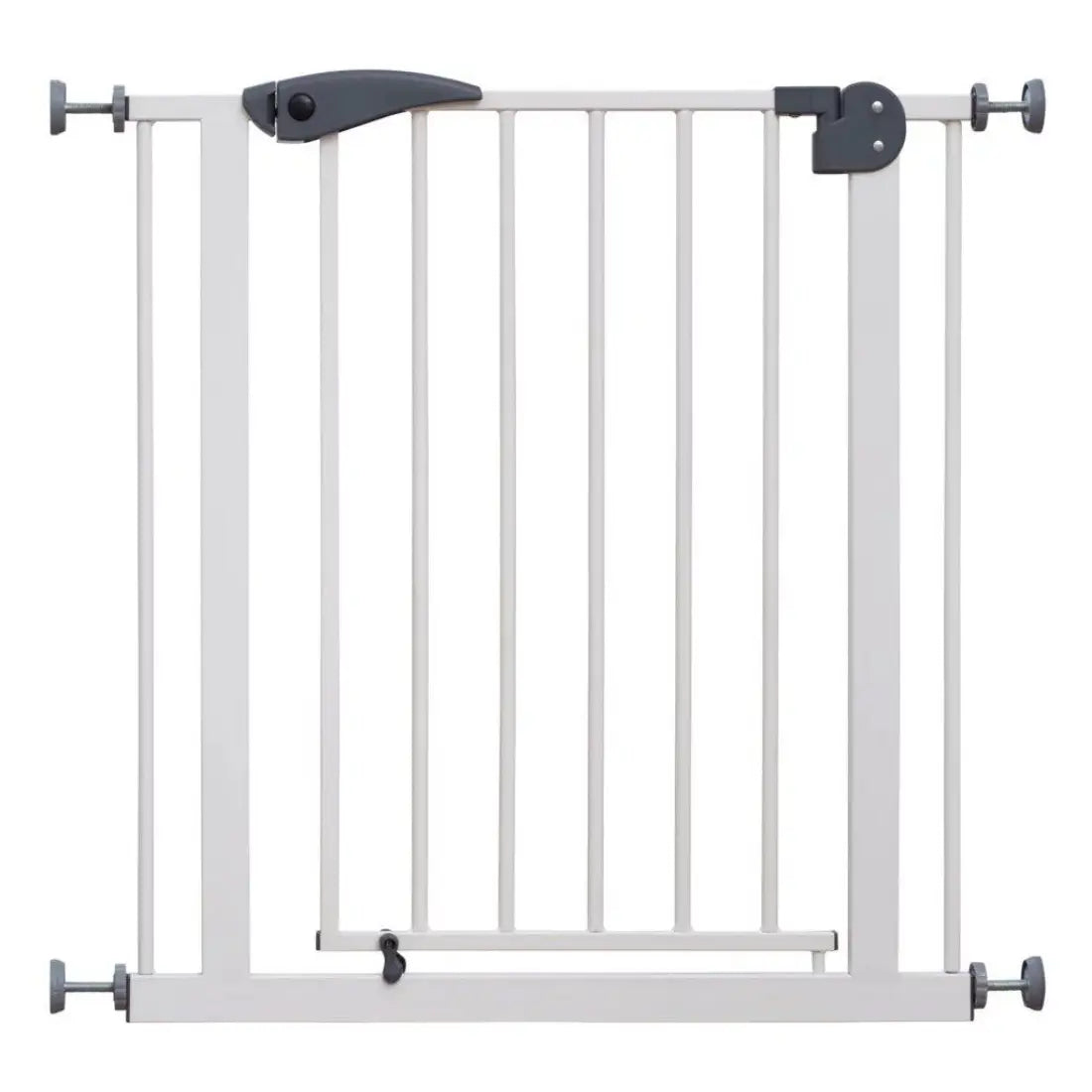
BabyGo Safety Gate for Stairs (Pressure Mounted)
- ✓ Pressure-mounted (no drilling)
- ✓ Adjustable width 65-90cm
- ✓ Auto-closing latch
* We earn a small commission — at no extra cost to you.
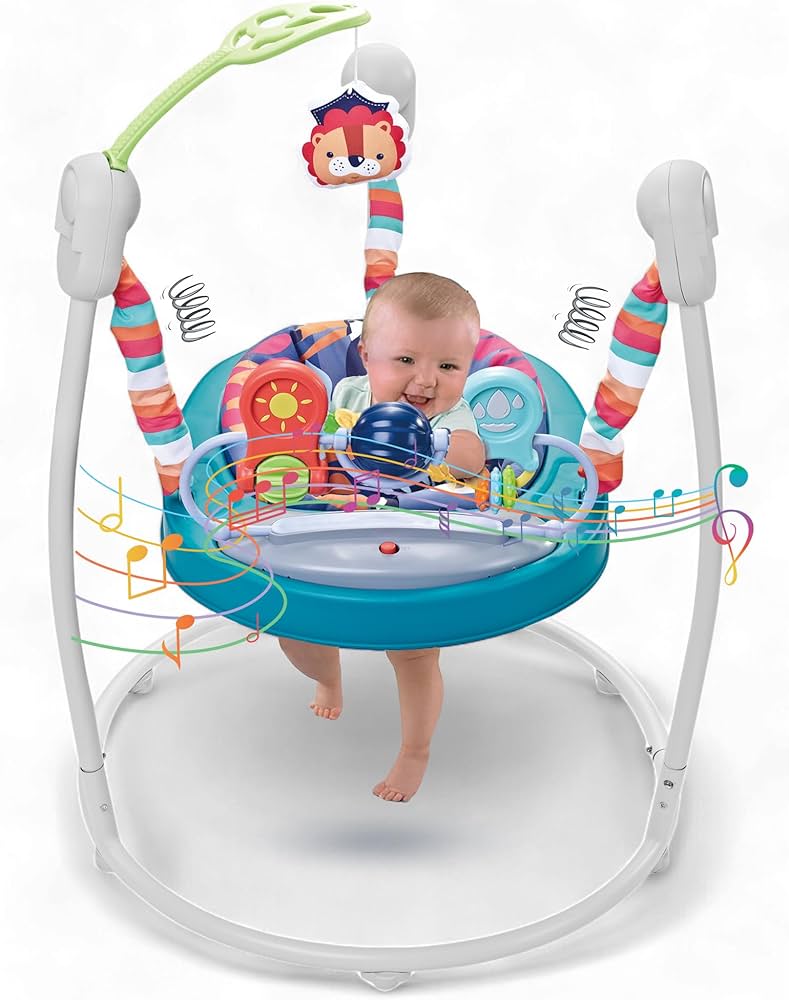
Unilove Baby Activity Jumper with Sounds
- ✓ 3-height adjustable seat
- ✓ 360-degree toy access
- ✓ Music and light features
* We earn a small commission — at no extra cost to you.