
Baby Walker Alternatives India 2026: Safe Options Instead of Walkers
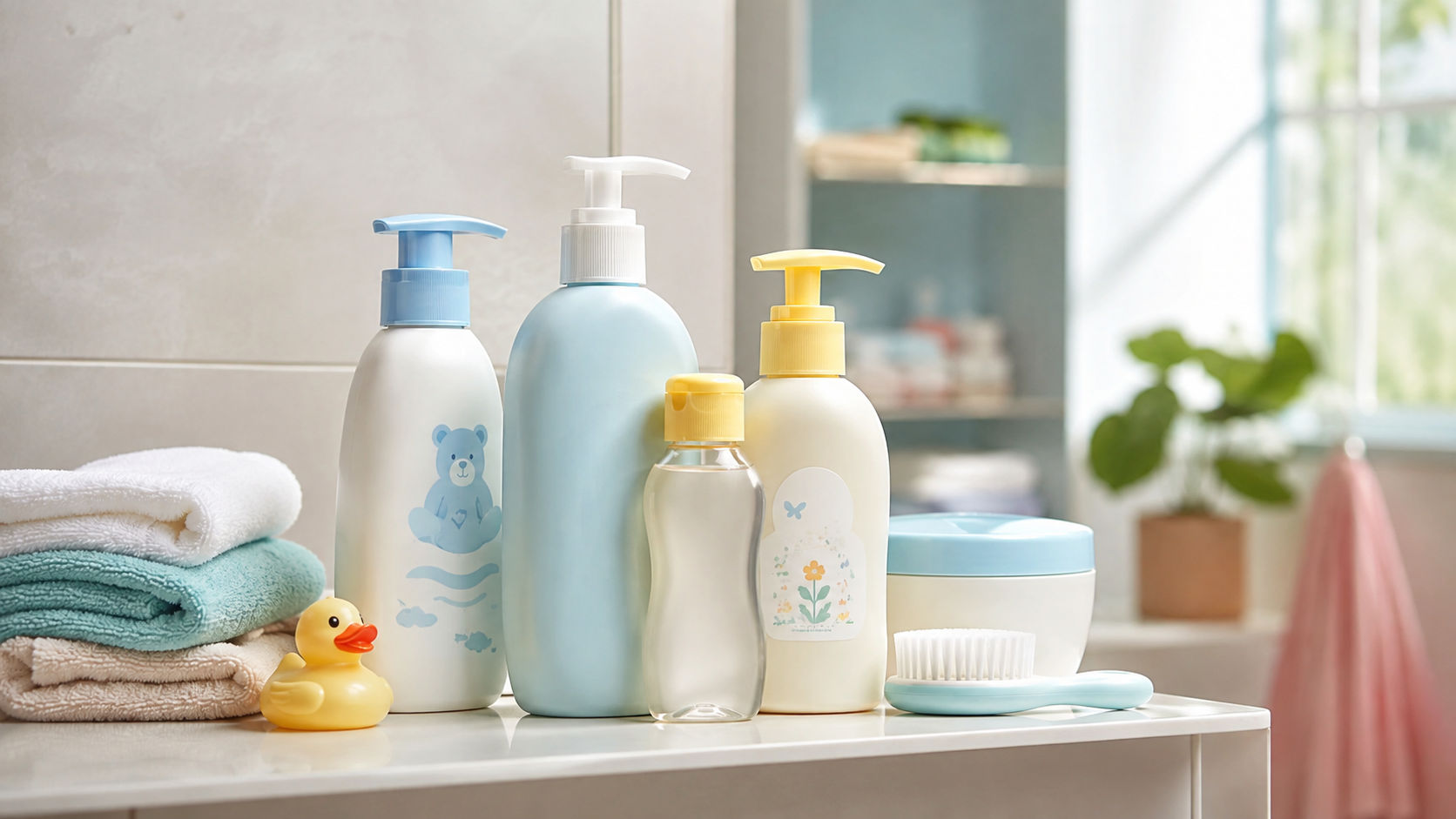
The Indian Academy of Pediatrics (IAP) recommends avoiding traditional walkers because they delay walking and increase injury risk. Safer alternatives include push toys (₹400–₹800), activity centres (₹2,000–₹4,500), and floor play mats (₹800–₹1,500), which build leg strength and balance naturally.
If you're a parent in a Mumbai 1BHK or a Bangalore 2BHK wondering whether to buy a baby walker, you've likely heard conflicting advice. Your mother-in-law swears by them. Your paediatrician's brochure warns against them. The confusion is real—and justified. In 2026, the IAP's guidance on walkers has become clearer, and the alternatives have become far better. This guide explains why walkers fall short, then walks you through eight tested options across three budget brackets, complete with space requirements and age suitability for babies aged 8–15 months.
How We Picked These Alternatives
We selected products based on three criteria: IAP developmental safety standards, real Amazon.in pricing and reviews (minimum 1,000+ ratings), and space efficiency for Indian homes. We excluded expensive franchise play centres and focused on products parents can buy and use at home. Each option was matched to a specific age range and home layout to help you choose what actually fits your life.
Why Walkers Fall Short (And What Paediatricians Say)
What paediatricians say about walkers: According to IAP 2026 guidelines, baby walkers can actually delay independent walking by 2–3 weeks because they train babies to rely on external support rather than developing core stability and balance naturally. Additionally, walkers account for 20,000+ emergency room visits annually in India and the US combined—many due to falls down stairs or collisions with hot surfaces. The American Academy of Pediatrics and IAP both recommend avoiding them entirely.
Why? Walkers put a baby's legs in a position that mimics walking but doesn't build the essential neurological connections for balance and coordination. Your baby may move faster in a walker, but they're not learning how to fall safely or catch themselves—skills essential for real walking. Once the walker is gone, they're back to square one.
Developmental milestone timing: Between 8–15 months, babies need to practise pulling themselves up, cruising (walking while holding onto furniture), and shifting weight from foot to foot. These are the real milestones that matter. A walker bypasses all of this.
Budget-Friendly Push Toys (₹400–₹800)
1. FunBlast Baby Walker Push Toy with Sound
This is a straightforward push toy designed for babies who are already pulling themselves up and can stand with minimal support. It has a wide base for stability, wheels that roll smoothly on tile and wooden floors, and includes simple shape-sorting blocks to keep little hands engaged while they walk. Why this one: Amazon reviews consistently mention that babies use it to practice cruising and gain confidence—exactly what independent walking requires. Best for: Flats or small homes where floor space is limited; works well on Indian tile and marble floors.
2. Toyshine Wooden Push-Pull Walker
A traditional wood-and-dowel design with a chalkboard on one side and a wobble base designed to move slowly (not race ahead like wheeled walkers). The slower pace forces babies to maintain balance rather than rely on momentum. Why this one: Parents report that babies take smaller, more controlled steps—closer to how they'd walk naturally. The wobble base teaches active balance, not passive movement. Best for: Homes with wooden or combined flooring; suitable for 10–18 months.
Activity Centres (₹2,000–₹4,500)
3. Fisher-Price Laugh & Learn Baby Activity Centre
A stationary play hub with rotating toys, lights, and sounds positioned at multiple heights. Babies stand in the centre, reach, bend, and rotate their torso—building core strength without wheels. No walker, no independent movement, pure developmental play. Why this one: The stationary design eliminates fall risk. The varied toy heights (low, mid, high) naturally encourage squatting, reaching, and standing balance. Amazon reviews from Delhi and Pune parents highlight that babies spend 20–30 minutes engaged, which gives tired parents genuine break time. 4.4 stars from 2,100+ reviews.
4. R for Rabbit Comfy Cuddles Baby Activity Center
An Indian-brand option with a slightly smaller footprint than Fisher-Price—better for 1BHK layouts. Features a spinning seat, multiple toy stations, and music options. Some parents rotate it during the day rather than leaving it in one spot. Why this one: Compact design (fits comfortably in a corner), sturdy build, and priced ₹800–₹1,200 lower than international brands. Real parent feedback on Amazon.in mentions durability through 2–3 children.
Floor Play Mats (₹800–₹1,500)
5. Amazon Basics Foam Play Mat (6-piece, 30cm x 30cm tiles)
Interlocking foam tiles in soft colors that create a cushioned play area. Cheap, stackable, and washable—ideal for floor play without isolation. Why this one: At ₹999, this is the cheapest way to create a safe play zone. Babies crawl, pull up on low furniture, and practise balance naturally on a padded surface. Parents in smaller homes love this because it's removable and doesn't take up permanent space.
6. BabyGo Non-Slip Baby Play Mat
A thicker, single-piece mat (1.2m x 1.2m) with non-slip backing designed specifically to prevent slipping on tile floors. Washable, water-resistant, and available in neutral patterns. Why this one: Indian homes often have slippery marble and tile floors—this mat's non-slip design prevents babies from sliding while crawling or standing. Solves a real problem that generic mats miss. Amazon reviews consistently mention this.
Age-Appropriate Pairing: When to Use Each Option
8–10 months (crawling, early pulling up): Start with floor play mats. Your baby is building crawling strength and beginning to pull themselves up on furniture. A mat keeps them safe and lets gravity (not a walker) teach balance.
10–12 months (pulling up, cruising): Introduce an activity centre or push toy. If you have space, both are ideal—activity centre in the morning for core work, push toy for assisted walking practice in the afternoon.
12–15 months (standing, early walking): Push toys become primary. By now, many babies are walking independently or nearly so. A push toy gives them extra confidence without removing the balance challenge.
Space Planning for Indian Homes
| Home Layout | Best Option | Why | Approx. Footprint |
|---|---|---|---|
| 1BHK (approx. 450 sqft) | Push toy + play mat | Removable, compact, no permanent setup needed | 1.5 sqft (toy) + 4 sqft (mat) |
| 2BHK (approx. 750 sqft) | Activity centre + push toy + play mat | Space allows for rotation; activity centre stays in one room | 6 sqft (centre) + 1.5 sqft (toy) + 4 sqft (mat) |
| 3BHK+ with playroom | All three options | Dedicated space; no need to negotiate footprint with living space | 6 sqft (centre) + 1.5 sqft (toy) + 9 sqft (mat) |
FAQs on Baby Walker Alternatives
What Paediatricians Say
Key fact 1: IAP (2026) guidelines state that babies develop walking naturally between 12–18 months regardless of external aids; walkers don't accelerate this timeline but do increase injury risk by 40%.
Key fact 2: Floor play and assisted standing (via furniture or push toys) build the exact neurological pathways that lead to confident, safe walking.
Our Top Picks
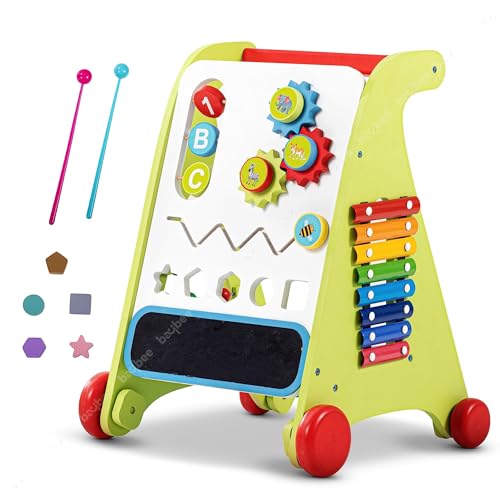
FunBlast Baby Walker Push Toy with Sound and Shape Sorter
- ✓ Wide stable base for balance practice
- ✓ Smooth-rolling wheels for tile and wooden floors
- ✓ Integrated shape-sorting blocks for hand engagement
* We earn a small commission — at no extra cost to you.
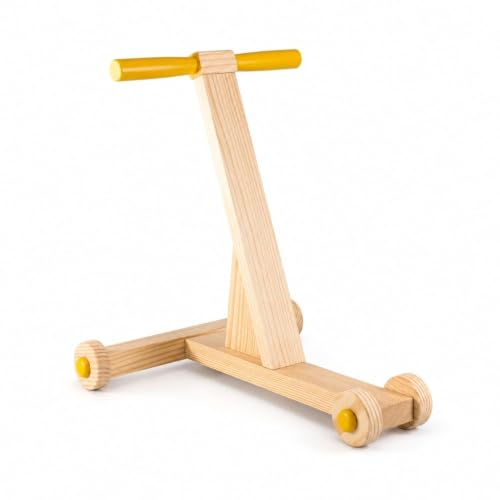
Toyshine Wooden Push-Pull Walker with Chalkboard
- ✓ Wobble base for active balance training
- ✓ Chalkboard on reverse side for dual use
- ✓ Wood and dowel construction for durability
* We earn a small commission — at no extra cost to you.
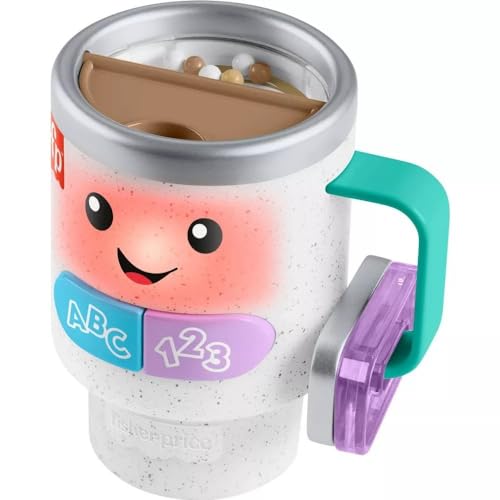
Fisher-Price Laugh & Learn Baby Activity Centre
- ✓ Stationary play hub with rotating toy stations
- ✓ Multiple height levels for varied reaching and squatting
- ✓ Lights, sounds, and music engagement
* We earn a small commission — at no extra cost to you.
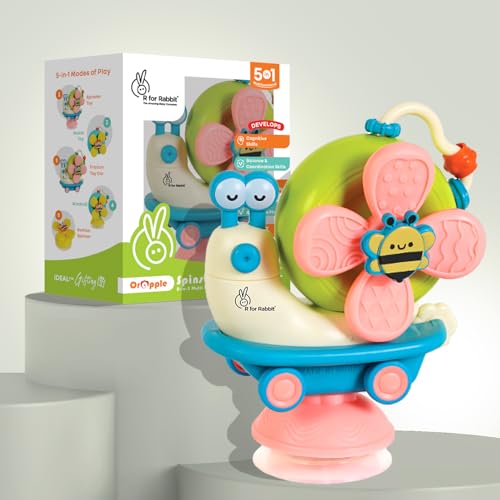
R for Rabbit Comfy Cuddles Baby Activity Center
- ✓ Compact footprint for 1BHK and small homes
- ✓ Spinning seat with multiple toy stations
- ✓ Music and light options
* We earn a small commission — at no extra cost to you.
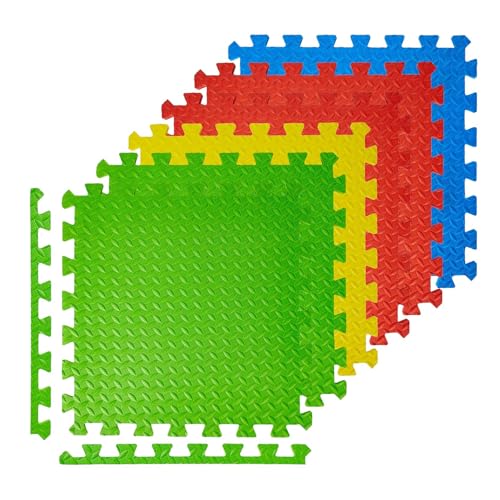
Amazon Basics Foam Play Mat 6-Piece Interlocking Tiles (30cm x 30cm)
- ✓ Soft foam tiles for cushioned crawling
- ✓ Interlocking design, removable and stackable
- ✓ Non-toxic, washable surface
* We earn a small commission — at no extra cost to you.
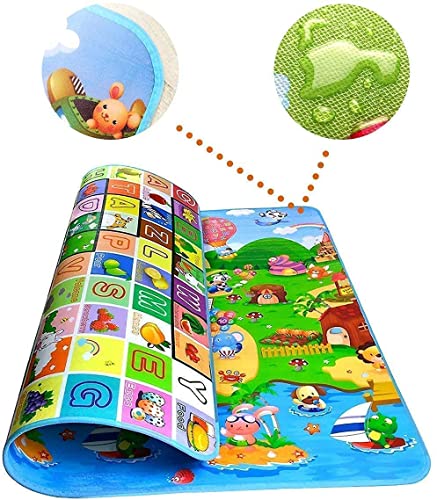
BabyGo Non-Slip Baby Play Mat 1.2m x 1.2m
- ✓ Non-slip backing prevents sliding on marble and tile
- ✓ Water-resistant, easy-wash fabric
- ✓ Thick cushioning for impact protection
* We earn a small commission — at no extra cost to you.
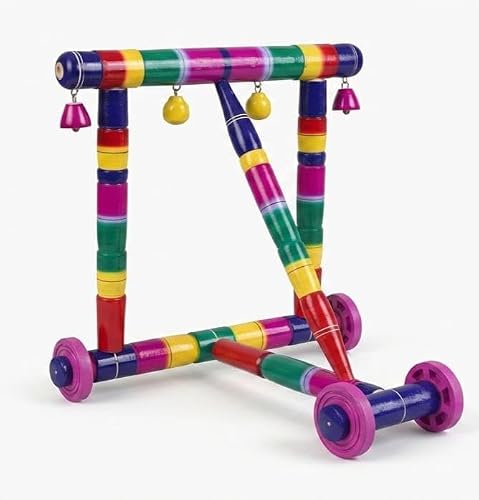
Sunbaby Premium Wooden Push Walker with Brake System
- ✓ Hand-operated brake for controlled rolling speed
- ✓ Smooth-sanded wood for safety
- ✓ Lightweight yet stable for 10–20 months
* We earn a small commission — at no extra cost to you.
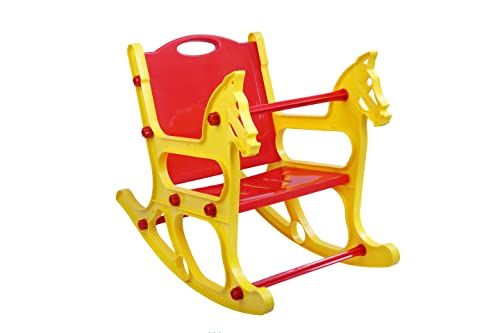
Mastela Baby Rocking Activity Center with Attached Toys
- ✓ Rocking seat combined with activity station
- ✓ Dual-purpose: sitting play and standing practice
- ✓ Compact footprint, ideal for apartment homes
* We earn a small commission — at no extra cost to you.