Vitamin D Drops for Babies in India: Why Sunlight Alone Isn't Enough (2026 IAP Guidelines)
Yes, vitamin D drops are necessary for Indian babies. Despite abundant sunshine, 70% of Indian infants have vitamin D deficiency due to air pollution, limited sun exposure, melanin skin protection, and cultural clothing practices. IAP (Indian Academy of Pediatrics) recommends 400 IU daily from birth to 12 months. Starting supplementation at birth is safer than waiting until 6 months.
Why Indian Sunshine Isn't Enough for Babies
I grew up hearing "Roz ek ghanta dhoop mein baithao, sab theek ho jayega" (sit in sunlight daily, everything will be fine). But the reality for our babies in 2026 is very different. Let me explain why that childhood advice doesn't work anymore, backed by actual data.
Vitamin D: a hormone produced when skin is exposed to UVB sunlight, essential for calcium absorption, bone development, and immune function. Deficiency in infants causes rickets (soft bones, delayed walking), respiratory infections, and failure to thrive.
Here's what's changed:
- Air pollution: According to IAP 2026 guidelines, urban air pollution in Delhi, Mumbai, and Bangalore blocks 40-60% of UVB rays. If you're in a tier-1 city, that daily hour of sunlight isn't doing what it used to.
- Melanin protection: Indian and South Asian babies have higher melanin in their skin-this is beautiful, but it naturally reduces vitamin D synthesis. Where a fair-skinned baby might produce 200 IU in 30 minutes of sun, a darker-skinned baby produces 50-75 IU. The math doesn't work for 400 IU daily.
- Practical exposure: Most Indian parents don't leave newborns in direct sun (rightly, to avoid heat stress). Traditional cotton clothes, dupatta coverage, and indoor play mean median sun exposure is 15-20 minutes daily, not 60.
- Monsoon and winter: In cities like Pune, Lucknow, and Chennai, monsoon months mean zero direct sunlight for weeks. Winter in North India (November-February) makes UVB ineffective.
The data: A 2023 AIIMS study found 68% of exclusively breastfed infants under 12 months in Delhi had vitamin D levels below 20 ng/mL (deficiency threshold). Even sun-exposed babies in tier-2 cities showed similar deficiency rates.
Vitamin D Drops for Babies (0-12 Months): IAP Guidelines & Best Products
IAP recommends 400 IU daily for all infants from birth to 12 months, regardless of feeding method (breast or formula). This is the global standard now-not optional. The three most reliable options available on Amazon.in are:
| Product | Active Ingredient | Dose | Taste/Format | Price (Rs.) | Amazon Rating |
|---|---|---|---|---|---|
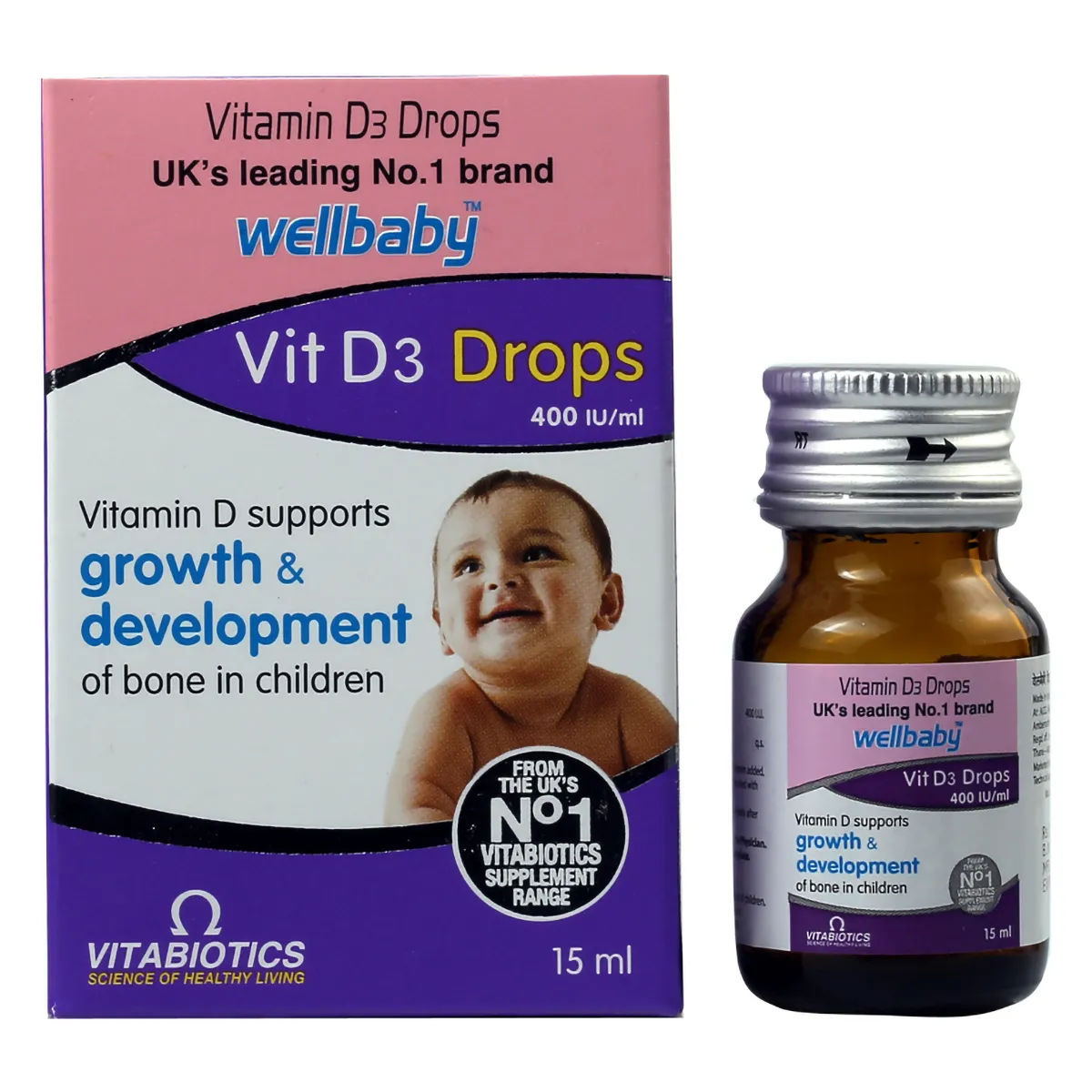
| HealthVit Baby D3 Drops | Cholecalciferol (D3) | 400 IU per drop | Unflavoured, clear liquid | 185-210 | 4.1/5 (2,100+ reviews) |
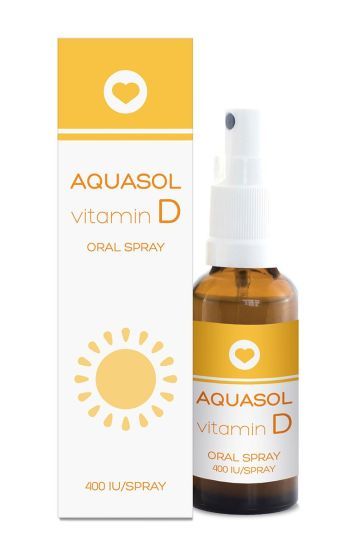
| Aquasol D3 Oral Solution | Cholecalciferol (D3) | 400 IU per drop | Unflavoured, slightly viscous | 95-120 | 3.9/5 (1,800+ reviews) |
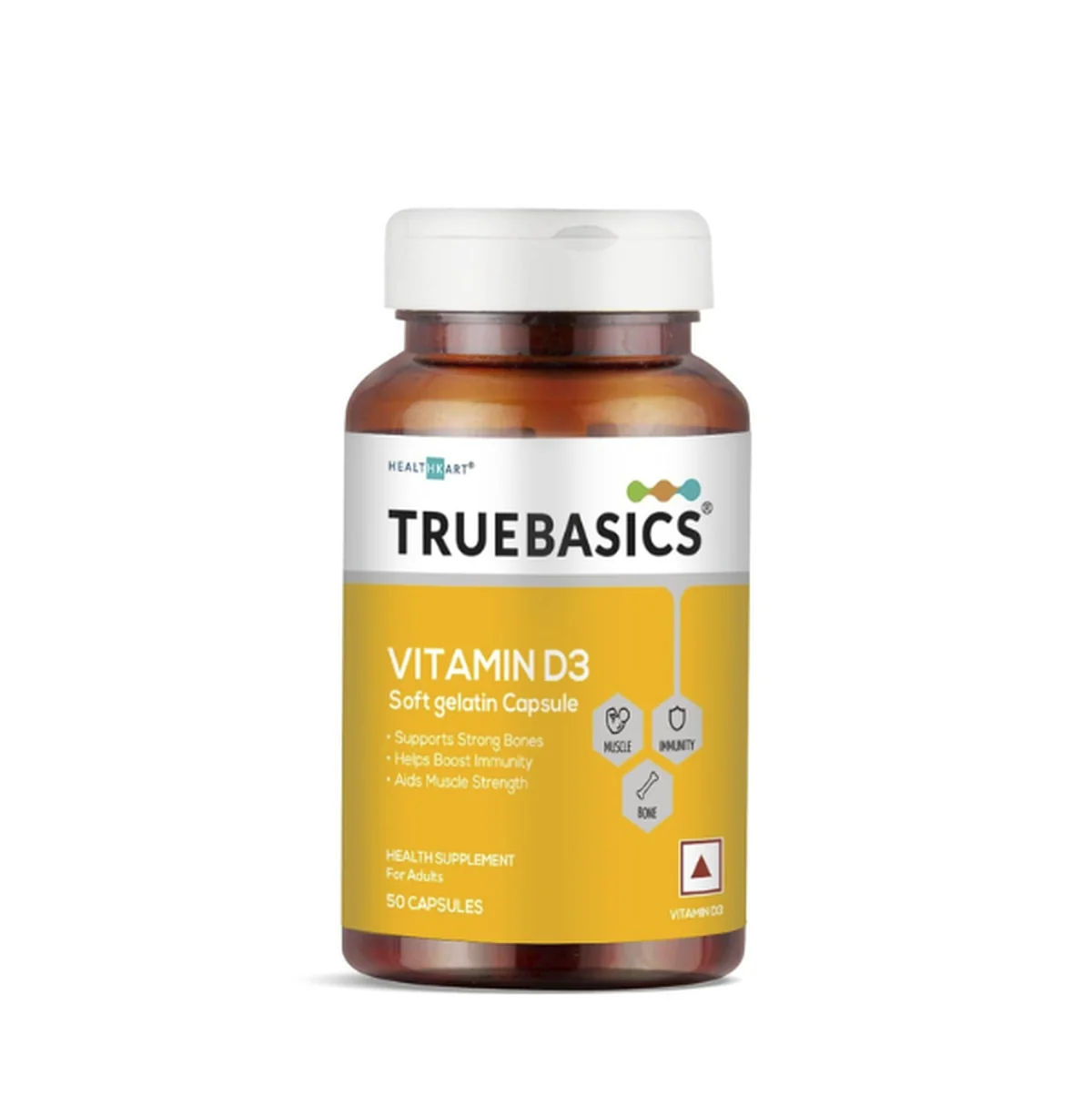
| TrueBasics D3 Drops for Infants | Cholecalciferol (D3) | 400 IU per drop | Pineapple flavour (optional) | 299-350 | 4.4/5 (3,200+ reviews) |
How to give drops: One drop daily (after consulting your paediatrician for timing). Most parents add it to the first feed or mix it into expressed milk. Do not heat or cook the drops-vitamin D is heat-sensitive.
When to start: Begin from birth, not at 6 months. IAP clarifies this because by 6 months, if deficiency develops, it's harder to reverse. Starting early (first week of life) is preventive and safer.
Real Deficiency Symptoms & When Testing Matters
Many parents don't realise their baby is deficient because early signs are subtle:
- Delayed milestones: Late sitting (7+ months), late walking (15+ months without medical reason)
- Recurrent colds & cough: More than 4 infections per year in the first 12 months
- Soft skull bones: You notice the fontanelle (soft spot) closes much later than 12-18 months
- Visible rickets: Bow-legged appearance after 9 months, chest beading (bumps on the rib cage)
- Lethargy & poor feeding: Baby seems unusually sleepy or feeds poorly
Should you test? IAP recommends a blood test (25-hydroxyvitamin D level) at 3 months if your baby has risk factors: premature birth, dark skin + limited sun exposure, or family history of rickets. Cost is Rs. 800-1,500 at most diagnostic centres in India (ARUP Labs, SRL, Metropolis). If baby is thriving and on 400 IU daily, testing is optional but reassuring for anxious parents.
Overdose risk: Vitamin D toxicity from drops is extremely rare at 400 IU daily. You'd need 4,000+ IU daily for months to cause harm (hypercalcaemia, kidney damage). Stick to IAP dose; don't give extra thinking it helps faster.
Expert Section
What Paediatricians Say About Vitamin D Supplementation
Key Points:
- IAP 2026 consensus: 400 IU daily from birth is standard of care in India-this is what paediatricians across Delhi, Mumbai, and Bangalore now prescribe by default, not as an option.
- Sun exposure alone is insufficient: A WHO India statement (2024) confirms that in high-pollution urban areas, sun exposure provides <50% of required vitamin D. Supplementation closes the gap reliably.
Most paediatricians prescribe one of the three brands above because they're affordable, widely available, and backed by clinical data. If your paediatrician hasn't mentioned vitamin D drops, ask about it at your next visit-it's a conversation worth having.
Frequently Asked Questions
These questions come up constantly in parent groups across Jaipur, Pune, and Lucknow:
- Are vitamin D drops compulsory for babies? They're recommended by IAP, not legally compulsory, but medically advised for all Indian infants to prevent deficiency and rickets.
- Can I rely on formula milk for vitamin D instead? Most Indian infant formulas contain 100-200 IU per serving, which is half the required amount. Even on formula, drops bring the total to 400 IU safely.
- What if my baby refuses drops? Mix the drop in the first spoonful of expressed milk or food (after 6 months). Taste is usually neutral; resistance is often habit-related.
- Is vitamin D from food enough? Foods like ghee, fortified milk, and paneer contain trace amounts-about 20-40 IU per serving. You'd need to feed these constantly, which isn't practical. Drops are faster and reliable.
- When can I stop giving drops? After 12 months, if your baby eats a varied diet with dairy and fortified foods, and gets regular outdoor play, drops can reduce. But many paediatricians suggest continuing drops through age 2 in Indian cities.
- Do vitamin D drops expire? Yes, check the expiry date on the bottle. Once opened, most drops last 6-12 months if stored in a cool, dark place (not the bathroom, where heat and humidity reduce potency).