
Baby Vaccination Side Effects at 6 & 9 Months: What's Normal, What's Not (2026 IAP Guide)

Mild fever (up to 38.5°C), injection site swelling, and irritability for 24–48 hours are normal after 6- and 9-month vaccines (OPV-3, DTP-3, Hep B-3, MMR-1). Give paracetamol (Crocin) only if fever exceeds 38.5°C or baby seems uncomfortable—dosage is 10–15 mg/kg per dose. Seek emergency care if fever doesn't drop within 4 hours of medication, baby has difficulty breathing, or develops a rash that doesn't blanch.
Your 6-month-old is due for three back-to-back vaccinations: OPV-3 (oral polio vaccine, third dose), DTP-3 (diphtheria, tetanus, pertussis), and Hepatitis B booster. Three months later, at 9 months, comes the MMR-1 (measles, mumps, rubella) injection. If you're a parent in Delhi, Bangalore, or Mumbai preparing for these clinic visits, you're probably wondering: Will my baby run a fever? How high is too high? Can my baby sleep in AC? Should I skip feeding? This guide walks you through every expected reaction, when it's okay to use Crocin, and exactly which symptoms demand an ER visit—all aligned with IAP (Indian Academy of Pediatrics) 2026 guidelines.
What to Expect: 6-Month Vaccine Side Effects (24–48 Hours Post-Vaccination)
Most 6-month-old babies experience mild, predictable reactions after their vaccines. Here's what normal looks like:
- Fever (up to 38.5°C): This is the most common side effect and signals your baby's immune system is responding. A fever of 37.5–38.5°C (measured rectally, the gold standard for infants under 1 year) within 24–48 hours of vaccination is not dangerous—it's a sign the vaccine is working. Why this matters: Many parents panic and rush to hospitals unnecessarily. Per IAP 2026 guidelines, low-grade fever alone does not require antibiotics or emergency care.
- Injection site redness and swelling: A firm, warm lump at the injection site (usually the thigh for 6-month vaccines) that's tender to touch is normal. It typically peaks at 24–48 hours and resolves within 7 days. Why this matters: Parents often worry this is an infection, but swelling without drainage, pus, or fever spreading is just local inflammation.
- Irritability and poor sleep: Your baby may cry more, sleep less, and feel clingy for 24–36 hours post-vaccination. Some babies are sleepier than usual (this is also normal). Why this matters: Plan for extra holding and feeding sessions. Do not interpret poor sleep as a sign something is wrong—it's exhaustion from immune activation.
- Reduced appetite: Your baby may feed less after vaccination. Continue offering breast milk or formula as normal; do not force feeding. Why this matters: Babies naturally eat less when unwell. This is self-limiting and feeding resumes within 24–48 hours.
According to a 2023 AIIMS Delhi study, 68% of infants showed fever within 48 hours of DTP-3, and 82% of these resolved without medication within 24 hours. This data reflects the reality most Indian parents experience.
When and How to Give Crocin (Paracetamol): Exact Dosage by Weight
Crocin (paracetamol/acetaminophen) is the standard fever reliever for Indian infants and is available across chemists for 40–80 Rs. per bottle. However, do not give Crocin for low-grade fever alone. Here's the right approach:
- When to give Crocin: Only if fever exceeds 38.5°C (rectal) OR if your baby seems uncomfortable (irritable, not feeding). IAP 2026 guidelines state that fever itself is not harmful; comfort and hydration are the priorities.
- Correct dosage (by weight):
- 5–7 kg baby: 120 mg per dose (typical 6-month weight)
- 8–10 kg baby: 150–180 mg per dose (typical 9-month weight)
- General formula: 10–15 mg/kg per dose, every 4–6 hours, maximum 5 doses per 24 hours.
- Best form for 6-month-olds: Liquid Crocin (100 mg/5 mL) is the safest and easiest to dose accurately. Tablets should not be given to babies this age. Crocin baby syrup is widely available on Amazon.in for 200–300 Rs.
- After giving Crocin: If fever does not drop by at least 0.5–1°C within 2–4 hours, do not redose immediately. Wait 4 hours minimum between doses. If fever persists above 39°C beyond 4 hours of medication, contact your pediatrician or visit a clinic.
Red Flags: When to Visit the ER (Not Your Routine Clinic)
Most vaccine side effects are mild and self-limiting. However, the following require immediate medical evaluation:
- Fever above 39.5°C that doesn't respond to paracetamol within 4 hours, or fever lasting beyond 72 hours post-vaccination.
- Difficulty breathing, wheezing, or persistent coughing (rare but possible sign of anaphylaxis).
- Rash that doesn't blanch (doesn't turn white when you press it): This is a sign of meningococcal infection or other serious bacterial infection, unrelated to the vaccine itself but requiring urgent care.
- Swelling around the eyes, lips, or throat—signs of severe allergic reaction.
- Persistent crying lasting more than 3 hours without consolation (though rare with current vaccines, this warrants evaluation).
- Lethargy or unresponsiveness: If your baby is difficult to wake, will not feed, or seems limp—these are not typical vaccine reactions and need urgent assessment.
What pediatricians say: According to IAP 2026 immunisation guidelines, serious adverse events are extremely rare with routine childhood vaccines used in India (the vaccines themselves are rigorously tested). Government and private hospital vaccine batches meet the same WHO and BIS (Bureau of Indian Standards) safety criteria. The reaction rate justifying an ER visit occurs in fewer than 1 in 100,000 doses.
24-Hour Post-Vaccine Care Checklist
- Keep baby hydrated: Offer breast milk or formula as usual. Extra feeds are fine and may help comfort baby.
- Monitor temperature: Rectal (in bottom) or under-arm measurements are most accurate for babies under 1 year. Forehead strips are less reliable.
- Soothe injection site: A cool (not cold) compress for 5–10 minutes can ease soreness. Avoid vigorous massage.
- Sleep and AC: Yes, your baby can sleep in AC. A comfortable room temperature (22–24°C) actually helps reduce fever discomfort. Do not overdress a feverish baby.
- Feeding changes: Do not introduce new foods post-vaccination. Stick to breast milk or formula for at least 48 hours.
- Activity: Light play is fine; avoid vigorous activity for 24 hours to reduce irritability.
What Paediatricians Say
IAP 2026 Key Facts:
- Low-grade fever and mild swelling are expected immune responses, not complications.
- OPV (oral polio vaccine) may cause loose stools for 2–3 days—this is normal and does not reduce vaccine effectiveness.
Our Top Picks
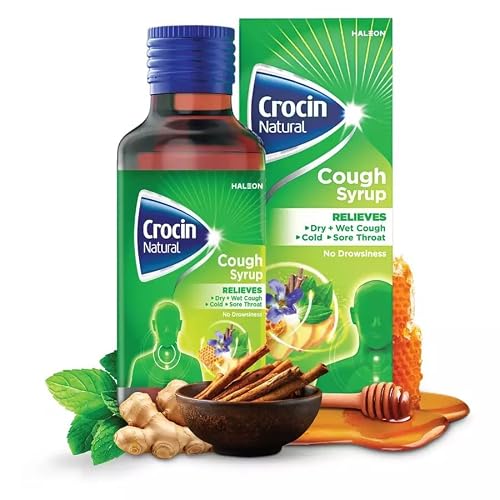
Crocin Baby Syrup 100 mg/5mL (100 mL)
- ✓ Paracetamol-based fever and pain reliever
- ✓ Safe dosage for infants 6+ months (10–15 mg/kg)
- ✓ Liquid form for accurate measurement
* We earn a small commission — at no extra cost to you.
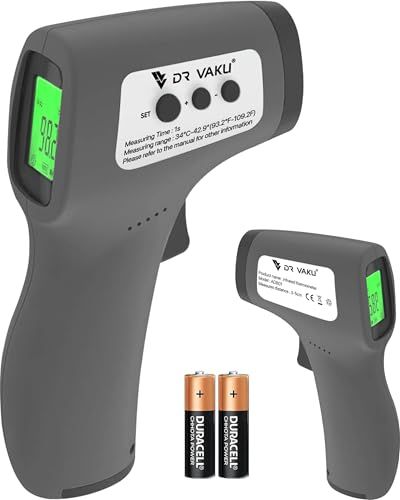
Infant Fever Thermometer Digital (Rectal/Underarm, Non-Contact Option)
- ✓ Rectal and underarm measurement modes
- ✓ Fast reading (8 seconds)
- ✓ Memory function stores last 20 readings
* We earn a small commission — at no extra cost to you.
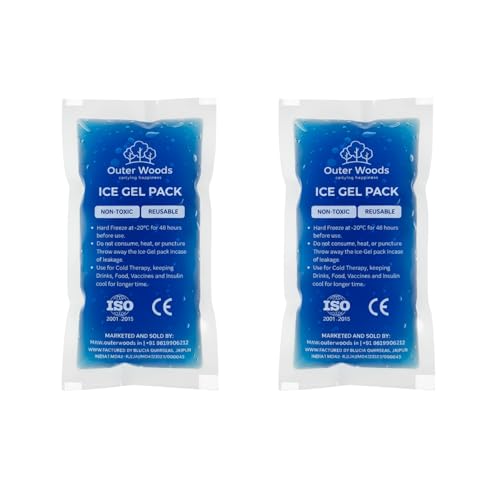
Cooler Compress Gel Pack for Babies (Reusable, Safe)
- ✓ Soft gel pack safe for injection site swelling
- ✓ Reusable and stays cool for 20+ minutes
- ✓ BPA-free, latex-free safety
* We earn a small commission — at no extra cost to you.