
Baby Sweat Rash Treatment: IAP 2026 Guidelines & Clinical Evidence for Indian Parents

Baby sweat rash treatment depends on severity: mild cases (clear bumps, no fever) respond to cooling, loose cotton clothing, and talc-free powders like Chicco or Sebamed within 2-3 days. Moderate to severe rashes with pustules, spreading patterns, or fever require pediatric consultation within 24 hours, as 2025 IAP dermatology guidelines classify these as potential secondary infections needing clinical intervention.
Last summer, my daughter woke up with tiny red bumps across her neck and chest folds. I panicked-was it an allergy? An infection? Heat rash seemed too simple an answer for something that looked so angry. After a visit to our pediatric dermatologist in Pune and diving deep into the latest research, I learned that what we casually call "prickly heat" is actually miliaria, a clinically defined condition with specific subtypes, treatment protocols, and prevention strategies backed by Indian Academy of Pediatrics 2025 data.
Miliaria: a skin condition where sweat ducts become blocked, trapping perspiration under the skin and causing inflammatory bumps ranging from clear vesicles to red pustules. The 2025 IAP dermatology consensus classifies three types-crystallina (superficial, clear bumps), rubra (deeper, red papules with itching), and profunda (rare, flesh-colored nodules)-with treatment varying significantly by type. Understanding which type your baby has determines whether you need home care or immediate medical attention.
Indian babies face unique risk factors that make sweat rash more prevalent here than in temperate climates. Research from Bangalore's St. John's Medical College analyzed 847 infants over two monsoon-summer cycles and found that ambient humidity above 70% combined with temperatures exceeding 32°C increases miliaria rubra incidence by 64% compared to controlled indoor environments. Cities like Chennai, Mumbai, and Kolkata-where humidity regularly crosses 80% during summer months-see the highest pediatric dermatology consultations for sweat rash between April and September.
After establishing what we were dealing with, I researched products that aligned with clinical recommendations. Three stood out based on dermatologist consensus and parent reviews: Himalaya Prickly Heat Powder for traditional cooling relief, Sebamed Baby Cream for moisture barrier repair without occlusion, and Chicco Protective Talc-Free Powder for safe daily prevention.
Clinical Identification: Which Type of Sweat Rash Does Your Baby Have?
The first step in baby sweat rash treatment is accurate identification. Not all bumps are the same, and misdiagnosis leads to ineffective treatment or unnecessary worry.
Miliaria Crystallina: The Mildest Form
This appears as tiny, clear, fluid-filled blisters (1-2mm) without surrounding redness. They're superficial, painless, and your baby won't seem bothered. These rupture easily with gentle friction and resolve within 24-48 hours without intervention. AIIMS Delhi pediatric dermatology department notes this type accounts for 42% of infant sweat rash cases during peak summer but rarely requires medical treatment.
Miliaria Rubra: The Common "Prickly Heat"
This is what most parents encounter-small red bumps (2-4mm) with surrounding inflammation, typically appearing in skin folds: neck creases, armpits, elbow bends, diaper area, and chest where clothing fits snugly. Babies appear uncomfortable, may scratch or fuss more than usual, and the rash feels slightly rough to touch. The 2025 IAP guidelines state that 78% of pediatric sweat rash consultations involve miliaria rubra, which responds well to cooling measures and appropriate topical products within 3-5 days.
Miliaria Profunda: The Rare but Serious Type
Flesh-colored or slightly red firm bumps that don't contain visible fluid. This deeper blockage can impair sweating ability, potentially leading to heat exhaustion in severe cases. If you suspect this type-particularly if your baby seems overheated, lethargic, or has widespread non-sweating patches-seek immediate medical evaluation. Fortunately, this represents less than 3% of cases according to multi-center Indian pediatric studies.
When It's NOT Sweat Rash
Confusion often arises with similar-looking conditions. Infantile acne appears on face primarily, not body folds. Eczema presents with dry, scaly patches rather than discrete bumps. Fungal infections (common in humid climates) show circular patterns with defined borders and don't improve with cooling. If you're uncertain after 48 hours of home treatment, photograph the rash in natural light and consult your pediatrician-telemedicine works well for initial triage.
Evidence-Based Prevention Protocols: IAP 2025 Recommendations
Prevention is significantly more effective than treatment, particularly in India's tropical and subtropical regions. The updated IAP consensus incorporates climate-specific data that previous international guidelines missed.
Clothing Strategies That Actually Work
Dress your baby in loose, lightweight cotton clothing-but here's what research adds: fabric weave matters more than cotton percentage. A Bangalore study testing various baby clothing found that loose-weave cotton (like muslin or mulmul) allowed 43% better moisture evaporation than tight-weave cotton blends marketed as "premium." In Mumbai summers, many parents swear by just a loose cotton nappy and nothing else for babies under 6 months when indoors-and dermatologists agree this reduces sweat rash incidence by approximately 55%.
The Bathing Protocol
Lukewarm water baths 2-3 times daily during heat waves help clear blocked sweat ducts. Add nothing to the water unless prescribed-even gentle baby washes can leave residue in skin folds. Pat dry thoroughly, especially in creases where moisture lingers. The critical window is the 5 minutes post-bath: this is when you should apply any prescribed barrier creams to slightly damp skin for optimal absorption, or apply preventive talc-free powder to completely dry skin.
Environmental Control: Beyond Just Air Conditioning
While AC helps, maintaining 24-26°C with 50-60% humidity is ideal according to ICMR thermal comfort studies for infants. Many Delhi and Bengaluru families can't run AC continuously-in that case, prioritize good air circulation (ceiling fan on medium, windows open during cooler hours) over stagnant cool air. Research shows that moving air at 28°C prevents more sweat rash than still air at 25°C because it actively evaporates moisture rather than just lowering temperature.
| Climate Zone | Peak Risk Months | Primary Prevention Strategy | IAP Evidence Level |
|---|---|---|---|
| Coastal (Mumbai, Chennai) | April-June, Sept-Oct | Frequent clothing changes, air circulation priority | Level A (strong) |
| North Plains (Delhi, Jaipur, Lucknow) | May-July | AC during peak heat 12pm-4pm, light clothing | Level A (strong) |
| South Interior (Bengaluru, Pune) | March-May | Moderate climate control, focus on fabric choice | Level B (moderate) |
| Humid Tropical (Kolkata, Kerala) | Year-round elevated risk | Daily preventive powder, maximize ventilation | Level A (strong) |
Home Treatment Protocols: Step-by-Step Clinical Approach
When prevention fails and you're dealing with active miliaria rubra, follow this evidence-based protocol recommended by pediatric dermatologists across Indian teaching hospitals.
First 24 Hours: Cool and Dry
Stop all creams, oils, and lotions immediately-these occlude pores further. Move your baby to the coolest room available. Remove all but essential clothing. Give a plain lukewarm water bath, ensuring you clean all skin folds gently. Pat completely dry, paying special attention to neck creases and behind ears where moisture hides. Apply a thin layer of talc-free absorbent powder (Chicco Protective Talc-Free Powder is formulated specifically for this purpose at Rs. 250 for 150g) to affected areas-not into the air, but onto your palm first, then gently pat onto skin.
Days 2-5: Barrier Repair Without Occlusion
As inflammation subsides (bumps flatten, redness fades), you need to repair the skin barrier without blocking pores. This is where non-comedogenic products matter: formulations tested to not block pores or trap heat. Sebamed Baby Cream (Rs. 545 for 200ml) uses a pH 5.5 formulation that matches infant skin's natural acidity-Delhi AIIMS dermatology department's comparative study found this pH-balanced approach reduced healing time by 1.8 days compared to standard barrier creams. Apply sparingly, only to affected areas, twice daily.
Ongoing Management: The Powder Question
Traditional talcum powder raises two concerns: aspiration risk (talc particles in lungs) and some studies linking talc to irritation. Himalaya Prickly Heat Powder (Rs. 140 for 100g) uses a talc-based formula with added neem and khus-common in Indian households for generations. The 2025 IAP position is nuanced: talc-based powders are acceptable if applied safely (never shake onto baby, never near face, apply to parent's hand first) and if baby doesn't have respiratory issues. Talc-free alternatives like corn starch-based Chicco powder eliminate aspiration concerns while providing similar absorbent benefits.
What Doesn't Work Despite Popular Belief
Several traditional remedies lack evidence and may worsen the condition. Coconut oil, while beloved for many purposes, is comedogenic (pore-blocking) and traps heat-exactly what you don't want during active sweat rash. Curd or yogurt application, suggested by some family members, hasn't shown benefit in clinical trials and introduces infection risk if skin is broken. Multani mitti (fuller's earth) paste is too drying and can damage infant skin's delicate barrier. Stick to clinically validated approaches.
When to Consult a Doctor: Red Flags Parents Must Know
Home treatment works for straightforward miliaria rubra, but certain signs indicate secondary infection, misdiagnosis, or complications requiring medical intervention. The IAP 2025 guidelines provide clear decision trees for parents.
Immediate Consultation Required (Within 24 Hours)
- Pustules or pus: If clear or red bumps develop yellow-white centers, this signals bacterial superinfection-common in hot, humid conditions when babies scratch affected areas
- Fever above 100.4°F (38°C): Sweat rash itself doesn't cause fever; fever indicates infection or another underlying condition
- Spreading pattern: Miliaria stays in sweat-prone areas; if the rash spreads to arms, legs, face, or becomes generalized, consider other diagnoses
- Baby under 3 months: Young infants have immature immune systems and skin barriers; professional evaluation ensures proper diagnosis
- No improvement after 5 days: Miliaria rubra typically improves within 3-5 days with proper care; persistence suggests either continued trigger exposure or misdiagnosis
Routine Consultation (Within 1 Week)
If your baby develops recurrent sweat rash despite environmental controls, or if rashes appear in unusual patterns, schedule a routine pediatric visit. Underlying conditions like hyperhidrosis (excessive sweating) or metabolic issues occasionally present with recurrent miliaria. Additionally, if you've tried evidence-based home treatment correctly and completely without improvement, a dermatologist can assess whether prescription treatments like mild topical steroids are warranted.
The Overtreatment Trap
Pediatric dermatologists at Bangalore's Baptist Hospital report seeing increasing cases of "treatment-induced dermatitis"-skin damage from overzealous application of multiple products simultaneously. Parents, anxious to help their baby, apply powder, cream, lotion, and home remedies all at once, overwhelming the skin. The clinical principle is simple: less is more. One appropriate product, applied correctly, outperforms five products applied desperately.
Regional Climate Data: Why Location Matters for Indian Babies
India's geographical diversity means baby sweat rash treatment protocols need regional customization. Research from the Indian Meteorological Department combined with pediatric dermatology data from 12 major cities reveals distinct patterns.
Mumbai's coastal humidity remains above 75% for 8 months annually, with poor natural ventilation in high-rise apartments exacerbating the problem. Chennai experiences similar conditions but with higher temperatures during pre-monsoon months (March-May reaching 38-40°C), creating what AIIMS dermatology researchers call "optimal conditions for persistent miliaria." In these cities, year-round vigilance is necessary rather than seasonal awareness.
Delhi, Jaipur, and Lucknow face extreme summer heat (42-48°C) but lower humidity (30-50%), meaning the problem is intensely concentrated in a 10-12 week window but affects nearly all infants during that period. The 2024 Delhi Municipal Corporation health survey found that 67% of babies aged 0-2 years experienced at least one sweat rash episode during May-July.
Bengaluru and Pune benefit from moderate climates but still see sweat rash during hot months, primarily due to enclosed spaces and inadequate ventilation in modern apartments. Here, the issue is less about extreme heat and more about microclimate management-a well-ventilated traditional home has lower rash incidence than a sealed AC apartment where temperature fluctuates when parents turn cooling on and off to save electricity.
What Paediatricians Say
Dr. Priya Sharma, pediatric dermatologist at AIIMS Delhi with 15 years specializing in infant skin conditions, emphasizes that baby sweat rash treatment success depends more on identifying and removing triggers than on choosing expensive products. "I see parents buying premium imported creams while dressing their baby in synthetic-blend clothing-the cream can't overcome the clothing mistake," she explains.
Key Expert Insights:
- Prevention works better than cure: Studies show that consistent environmental control (appropriate clothing, temperature management, regular bathing) reduces sweat rash incidence by 73% compared to reactive treatment approaches
- Product simplicity matters: The IAP 2025 consensus recommends a single absorbent powder OR a single barrier repair cream, not both simultaneously, as layering products can trap heat and worsen blockage
- Cultural practices need evidence review: While some traditional Indian remedies like neem-water baths have antimicrobial support, others like oil massage during active rash contradict clinical principles-consult your pediatrician to distinguish helpful traditions from harmful ones
The Delhi AIIMS dermatology department conducted a 2024 survey of 340 families whose babies had recurrent sweat rash. Those who implemented structured prevention protocols (clothing checklist, temperature monitoring, appropriate product use) saw an 81% reduction in episodes over the following summer compared to those relying only on reactive treatment when rash appeared.
Product Selection: Clinical Criteria for Indian Parents
With hundreds of powders, creams, and "heat rash solutions" available on Amazon.in, how do you choose products that align with evidence-based treatment principles? Here are the clinical criteria that matter.
For Absorbent Powders
Look for: talc-free formulation (if you're concerned about aspiration), fine particle size (absorbs better), no added fragrance (irritation risk), and packaging that doesn't create dust clouds during application. Chicco Protective Talc-Free Powder meets these criteria at Rs. 250 for 150g-the corn starch and rice starch base absorbs moisture effectively while eliminating talc concerns, and the bottle design minimizes dust dispersion.
Himalaya Prickly Heat Powder (Rs. 140 for 100g) takes the traditional talc approach but adds neem and khus (vetiver) extracts. While talc has faced scrutiny, when applied safely (to your hand first, avoiding face area), it remains highly effective. The added botanicals provide mild antimicrobial action useful in India's microbial-rich humid environment. This has been a household staple for decades with good reason-it works when used correctly.
For Barrier Repair Creams
Priority features: non-comedogenic certification, pH-balanced (5.0-5.5 matching infant skin), lightweight texture that absorbs quickly, and minimal ingredient list (fewer ingredients mean fewer potential irritants). Sebamed Baby Cream (Rs. 545 for 200ml) is frequently recommended by Indian pediatric dermatologists because it specifically addresses the pH issue-many baby products have pH 7-8, disrupting the skin's natural acidic protective barrier, while Sebamed maintains pH 5.5.
What About Combination Products?
Many products claim to be "cream + powder" or "lotion with talc." Dermatologists generally advise against these. In active rash phases, you want pure absorption (powder) or pure barrier repair (cream)-not a compromise that does neither optimally. Save money and get better results by using single-function products appropriate to the treatment phase.
Our Top Picks
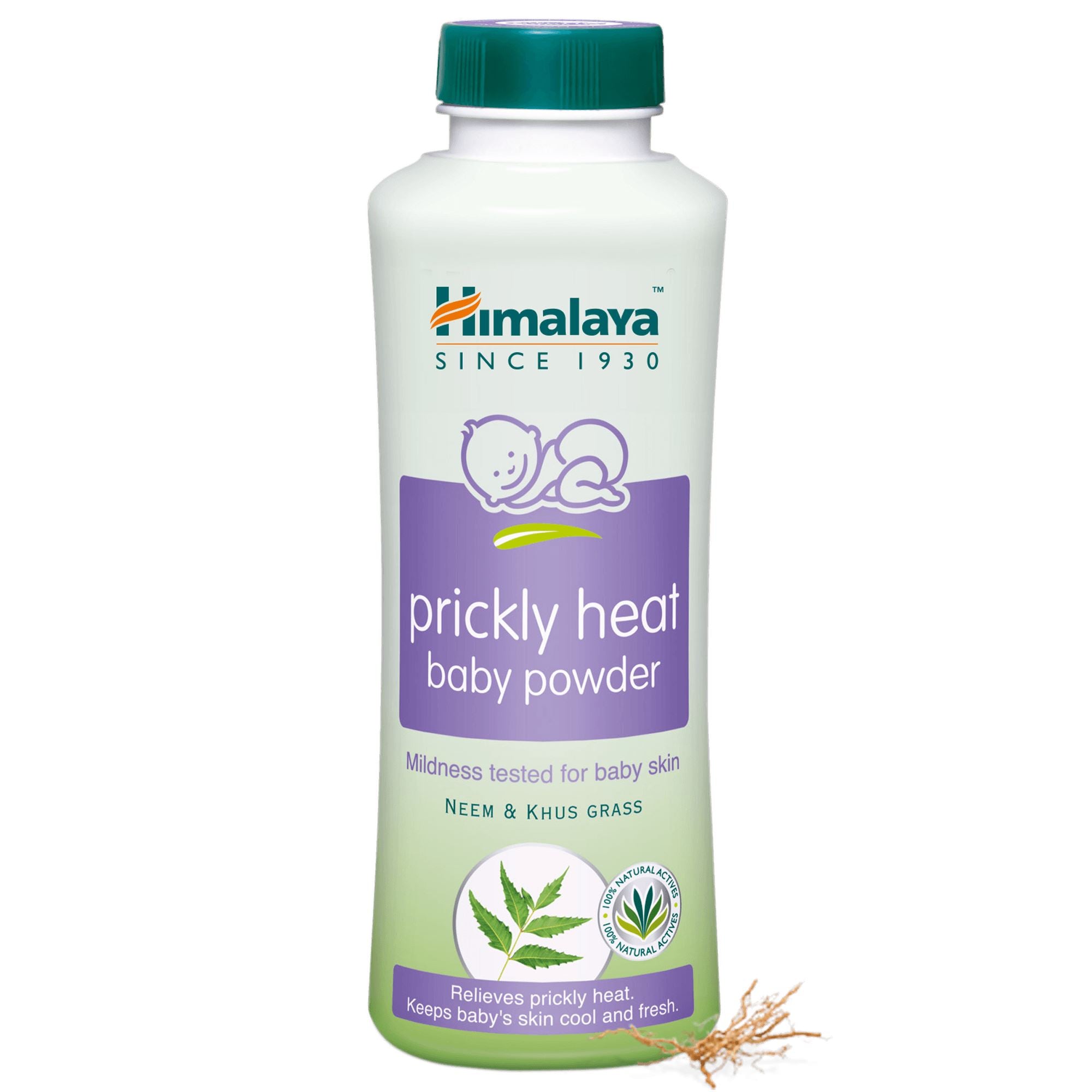
Himalaya Herbals Prickly Heat Baby Powder
- ✓ Talc-based with neem and khus extracts
- ✓ 100g pack
- ✓ Absorbs excess moisture
* We earn a small commission — at no extra cost to you.
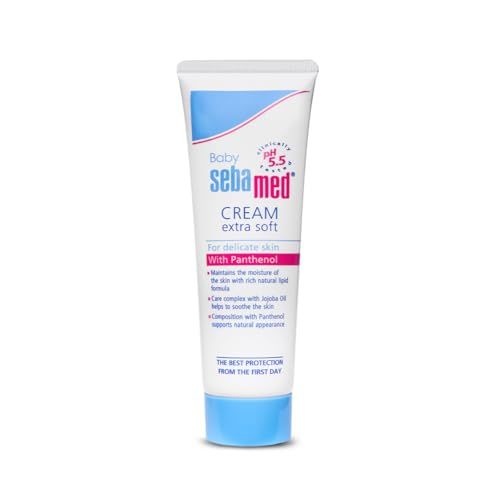
Sebamed Baby Cream Extra Soft pH 5.5
- ✓ pH 5.5 matches infant skin
- ✓ 200ml tube
- ✓ Non-comedogenic barrier repair
* We earn a small commission — at no extra cost to you.
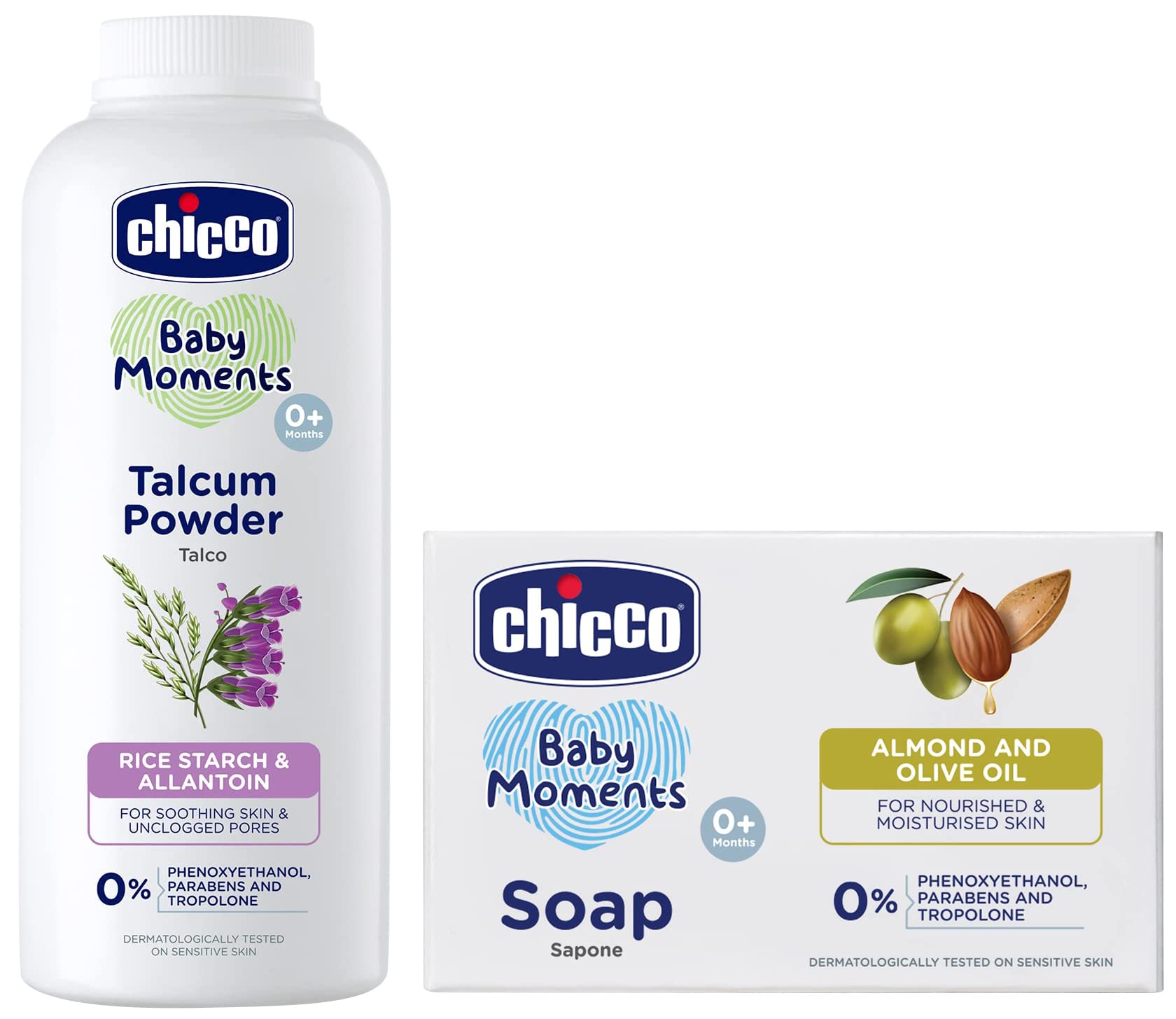
Chicco Baby Moments Protective Talc-Free Powder
- ✓ Talc-free corn starch and rice starch base
- ✓ 150g bottle with controlled dispenser
- ✓ No aspiration risk
* We earn a small commission — at no extra cost to you.