
Baby Swallowed Hair Dye: Emergency First Aid & What to Do in 2026
If your baby swallowed hair dye, do NOT induce vomiting. Call your nearest poison control center immediately (AICF Delhi: +91-11-4268-5556 or National Poison Bureau: 1800-11-6455) or take your child to the emergency room. Rinse the mouth with water, note the brand and ingredients (especially PPD/ammonia levels), and describe symptoms—nausea, drooling, difficulty swallowing, or rashes around the mouth—to the doctor. Most small ingestions (less than 5 ml) in toddlers do not cause severe poisoning if treated quickly.
Hair dye poisoning in babies is rare but genuinely frightening—and the first minutes matter. Whether your 2-year-old grabbed the Godrej bottle from the bathroom shelf or your 4-year-old took a taste from a Streax container, knowing the difference between "call for advice" and "go to the ER right now" can reduce panic and speed up treatment. This guide covers exactly what Indian parents need to do, what hospitals in Delhi, Mumbai, Bengaluru, and Pune will check for, and how to prevent this in the first place.
What the Evidence Actually Shows About Hair Dye Toxicity
PPD (para-phenylenediamine): the chemical responsible for most severe reactions in hair dyes, including all permanent and semi-permanent dyes sold in India under brands like Godrej, Garnier Casting, and Streax. According to research published in the Journal of Medical Toxicology, PPD is absorbed through the skin and mucous membranes; ingestion carries higher risk of systemic toxicity than dermal contact. Ammonia: a secondary irritant and alkaline agent that causes chemical burns to the mouth, throat, and esophagus on direct contact. Brands list ammonia percentages on the package; typically 4–10% in Indian permanent colour formulas.
The key finding that paediatricians across AIIMS, Fortis, and Apollo emphasise: symptom severity depends on three factors: (1) the amount ingested, (2) the concentration of PPD/ammonia, and (3) how quickly the child is treated. A baby who swallowed 2–3 ml of Godrej Expert Rich Crème (typical home use) has a different risk profile than one who drank 30 ml. This is why telling the doctor the exact brand and how much was swallowed is critical.
Immediate First Aid: The 10-Minute Checklist
Step 1: Do Not Induce Vomiting. This is the most common mistake. Vomiting brings the dye back up through the oesophagus, causing a second burn. Activated charcoal is also not recommended for dye poisoning because it does not bind PPD effectively. Simply rinse the mouth gently with water—do not scrub or force.
Step 2: Call Poison Control or the ER Now. Do not wait for symptoms. Indian poison control centres handle dye ingestions regularly and will advise you within 2 minutes whether home observation is safe or if you need the hospital. National numbers:
- All India Council for Technical Education Poison Information Centre (AICF), Delhi: +91-11-4268-5556 (24/7)
- National Poison Bureau hotline: 1800-11-6455
- Your state capital hospital's poison centre (e.g., KEM Hospital Mumbai: +91-22-2437-2556)
Step 3: Gather Information for the Doctor. Write down: (1) brand name (Godrej, Garnier, Streax, Lakme, etc.), (2) type (permanent, semi, demi), (3) estimated amount in ml or teaspoons, (4) time of ingestion, (5) any visible injuries in or around the mouth, (6) current symptoms. Have the product box or label ready—the poison centre will ask about PPD % and ammonia %.
Step 4: Watch for Red-Flag Symptoms in the First 2 Hours. Not all symptoms mean severe poisoning, but these warrant immediate ER visit:
— Difficulty swallowing or drooling excessively
— Severe vomiting or abdominal pain
— Difficulty breathing or wheezing
— Facial swelling or rash spreading beyond the mouth
— Lethargy or unusual drowsiness
— Dark urine or pale stools (sign of kidney involvement, rare but serious)
Mild symptoms like lip tingling, slight nausea, or small mouth blisters are common after small ingestions and often resolve with observation and supportive care at the hospital.
What Hospital Treatment Actually Looks Like in India
Most tier-1 hospitals (Apollo, Fortis, AIIMS in Delhi/Mumbai/Bengaluru) follow a standard protocol for dye poisoning: (1) Vitals check—heart rate, blood pressure, oxygen, temperature. (2) Mouth and throat examination using a torch to check for burns or swelling. (3) Blood tests (complete blood count, renal function, liver function) if the child ingested more than 10 ml or shows systemic symptoms. (4) Abdominal examination to rule out internal burns. (5) Supportive care—IV fluids if the child cannot drink, pain management, and monitoring for 4–6 hours. Most children are discharged the same day if stable after observation.
Activated charcoal and gastric lavage (stomach pumping) are not routinely used for dye poisoning in Indian hospitals because PPD does not bind well to charcoal and the trauma of pumping can worsen oesophageal burns. Treatment is supportive: manage symptoms, prevent infection, and monitor kidney and liver function.
Safer Hair Dye Storage: Practical Solutions for Indian Bathrooms
Indian bathrooms are typically small and humid, making lockable storage tricky. Here are realistic options parents actually use:
Lockable Medicine Cabinet (₹1,500–3,500): Brands like Godrej and Hafele sell compact lockable cabinets that fit above the toilet or sink. Keeps all hair dye, cleaning products, and medicines out of reach. Requires wall mounting; renters can use adhesive strips.
Lockable Plastic Storage Box (₹200–400): Small, affordable, and portable. Store under the bathroom sink or in a bedroom cupboard. Brands like Milton and Tupperware India sell child-safe lockable boxes for ₹250–350. This is the cheapest option and works well for renters.
High Shelf Out of Reach (Free–₹500): Store dye bottles on the topmost shelf of your bathroom cabinet or a wall-mounted shelf at least 6 feet high. Children under 5 cannot climb to this height. Ensure the shelf is sturdy (use L-brackets if needed) and items will not topple.
Label Everything Clearly in Hindi/English: Write "ZEHRI" (poison) on the label in bold red tape. Some parents use old medicine bottles with child-proof caps, but this is unreliable—a determined toddler can open most old bottles.
What Paediatricians Say
According to IAP (Indian Academy of Paediatrics) guidelines on poisoning management, hair dye ingestion in children under 5 is classified as a "contact poison emergency" requiring phone consultation with a poison centre before home management is considered safe. Two key facts: (1) the first 2 hours are critical—symptoms may not appear immediately but will develop as PPD is absorbed. (2) Never assume "just a lick" is safe; even small amounts of permanent dye can cause mucosal burns and systemic effects in infants and toddlers with immature kidney function.
Frequently Asked Questions
Q: What happens if a baby eats a small amount of hair dye (less than 5 ml)?
A: Small ingestions often cause only mild local irritation—tingling lips, slight nausea, small mouth blisters. However, PPD is still absorbed systemically, so call poison control immediately rather than waiting for symptoms; treatment depends on your child's age, weight, and the dye concentration.
Q: Is there an antidote for hair dye poisoning?
A: There is no specific antidote for PPD poisoning. Treatment is supportive: IV fluids, pain relief, and monitoring for organ damage. This is why prevention and rapid ER care are the only real protections.
Q: What happens if you get a little bit of hair dye in your mouth accidentally?
A: Accidental contact (e.g., a dab on the lip from wet hands) causes immediate stinging and may cause a small blister, but does not usually require hospital care; rinse well with water. Ingestion (swallowing) is far more serious because PPD enters the bloodstream.
Q: Can hair dye harm a newborn or very young baby (under 1 year)?
A: Yes, harm risk is higher in babies under 1 because their kidneys and liver are immature. Even 2–3 ml of permanent dye can cause serious systemic toxicity in a 6-month-old. If your baby under 12 months swallowed dye, go to the ER immediately without calling a poison centre first.
Q: Which Indian hair dye brands are safest?
A: No hair dye is "safe to ingest." All permanent and semi-permanent dyes sold in India (Godrej, Garnier, Streax, Lakme, L'Oréal, Schwarzkopf) contain PPD or similar synthetic dyes classified as toxic on ingestion. Semi-permanent dyes (which use lower PPD concentrations) are slightly less risky than permanent dyes, but ingestion of any is an emergency.
Q: Should I keep my baby's stomach empty before calling poison control?
A: No. Give your baby small sips of water to drink (this dilutes the dye) but do not force food or large amounts of liquid. Inform poison control whether your child has eaten recently; they will advise based on stomach contents.
Our Top Picks
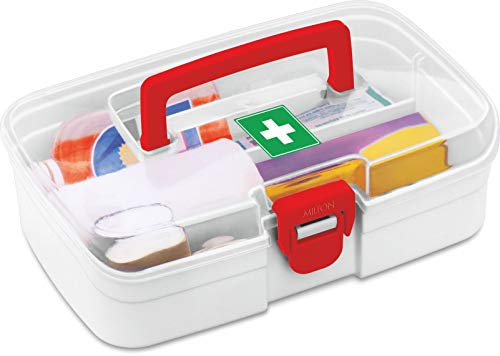
Milton Lockable Storage Container for Medicine and Baby Products - 15L
- ✓ Lockable child-safe lid
- ✓ Portable and stackable
- ✓ BPA-free plastic
* We earn a small commission — at no extra cost to you.
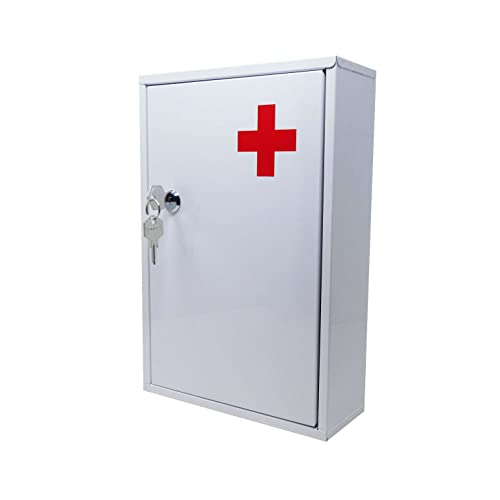
Godrej Compact Wall-Mounted Lockable Medicine Cabinet
- ✓ Stainless steel with secure lock
- ✓ Fits small Indian bathrooms
- ✓ Wall-mounted installation
* We earn a small commission — at no extra cost to you.
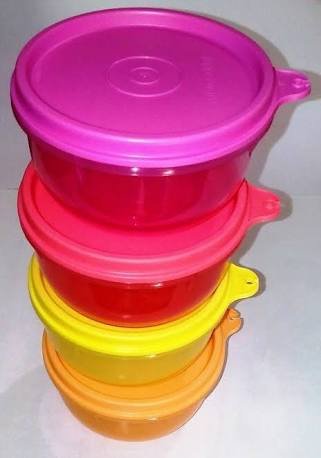
Tupperware India Child-Safe Lockable Storage Box - Medium
- ✓ Dual-lock mechanism
- ✓ Transparent for easy identification
- ✓ Food-grade, BPA-free plastic
* We earn a small commission — at no extra cost to you.