
Baby Swallowed Eucalyptus Oil: Emergency First Aid & What to Do Immediately

If your baby has swallowed eucalyptus oil, do NOT induce vomiting. Immediately give your baby water or milk to dilute it, and call the National Poison Control Centre on 1800-110-4044 (toll-free, 24/7). Watch for breathing difficulty, excessive drowsiness, or seizures—if you see these, rush to the nearest emergency room immediately.
It's 2 a.m., and you discover your 14-month-old has gotten into the eucalyptus balm you left on the nightstand. Your heart is racing. Eucalyptus oil toxicity in infants is real, but panic won't help your baby—knowing exactly what to do will. This guide walks you through emergency first aid, when to seek immediate hospital care, and how to prevent this from ever happening again in your home.
What the Evidence Actually Shows About Eucalyptus Oil Toxicity in Babies
Eucalyptus oil toxicity: ingestion of eucalyptus essential oil or balms containing it, which can cause neurological, respiratory, and gastrointestinal symptoms in infants under 18 months. According to the Indian Academy of Pediatrics (IAP), eucalyptus oil is not recommended for children under 6 years due to its potential for systemic toxicity, particularly in products applied topically near the face or mouth where babies can easily ingest residue.
Eucalyptus oil contains compounds called 1,8-cineole and other terpenes. Even small amounts—as little as 4-5 ml of pure eucalyptus oil—can trigger symptoms in infants weighing 8-12 kg. Most exposures in Indian households occur through balms (like Vicks VapoRub, Eucalyptus-based chest rubs, and similar products available across Delhi, Mumbai, Bengaluru, and Pune), or inhalation vaporisers that babies accidentally drink from. Many parents don't realize that what feels like a mild "natural" remedy can be genuinely dangerous in concentrated form for crawling infants.
The critical window for severe reactions is typically 30 minutes to 4 hours after ingestion, though symptoms can appear gradually. Do not assume "a little bit" is harmless—call poison control regardless of the amount. Poison control experts will ask specific questions about your baby's weight and the product's concentration to guide you accurately.
Immediate First Aid Steps: Do This Right Now
Step 1: Do NOT induce vomiting. Eucalyptus oil is lipophilic (fat-soluble) and can damage the oesophagus and lungs if brought back up. Induced vomiting makes this worse, not better. This is the single most important mistake parents make in panic.
Step 2: Give your baby milk or water immediately. Offer 2-4 oz (roughly 60-120 ml) of whole cow's milk or plain water. Milk helps dilute the oil and slows absorption. Do not force it if your baby refuses; do not give anything if your baby is choking or having trouble swallowing.
Step 3: Call the National Poison Control Centre on 1800-110-4044. This is a 24/7 toll-free helpline staffed by toxicologists who handle paediatric poisoning cases across India. Have the following information ready: your baby's exact weight (in kg), the product name and concentration (check the label), how much was ingested (estimate as best you can), and when it happened. Tell them you already gave milk or water—they will tell you what to do next based on this data.
Step 4: If poison control advises, take your baby to the nearest emergency department. Do not wait or watch at home if instructed to go to hospital. Many tertiary centres in major Indian cities (AIIMS Delhi, Apollo, Fortis, Narayana Health) have paediatric toxicology units. Time matters.
Step 5: Keep the product bottle with you. Bring the exact balm, oil bottle, or vaporiser to the hospital so doctors can see the label, concentration, and ingredients. This helps them treat your baby faster.
Warning Symptoms: When to Rush to the ER Without Waiting for Poison Control
If your baby shows ANY of these signs, do not wait—go directly to the emergency room while calling poison control en route:
- Difficulty breathing, wheezing, or rapid breathing (eucalyptus oil can cause bronchial irritation and aspiration pneumonia)
- Extreme drowsiness, unresponsiveness, or difficulty waking (signs of CNS depression)
- Seizures or muscle twitching
- Unconsciousness or loss of consciousness
- Persistent vomiting or blood in vomit
- Severe abdominal pain or distension
- Abnormally fast or slow heartbeat, or blue lips/fingertips
Mild symptoms like nausea, slight drowsiness, or mild stomach upset warrant a poison control call, but not necessarily emergency admission. The toxicologist will guide you. Many Indian parents mistakenly delay calling because symptoms seem "mild"—do not do this. A trained toxicologist, not parent intuition, should make this call.
Safe Storage: Preventing This from Happening Again
Most eucalyptus oil ingestions in India occur between 8 and 18 months—the crawling and exploratory phase. Babies this age are pulling items off nightstands, bathroom shelves, and diaper change tables. Here's how to childproof for eucalyptus products:
- Store all balms, oils, and vaporisers in a locked cabinet or shelf above 1.8 meters. Do not keep Vicks VapoRub or eucalyptus balms on your bedside table, even "out of reach."
- Never apply eucalyptus balm to your own chest while holding your baby; residue on your hands can transfer to your baby's mouth when they grab your face.
- If using a vaporiser, keep the water reservoir sealed and out of your baby's room during sleep. Babies can knock them over or drink from them.
- Clearly label all products with warning stickers. Many Indian households mix products into old jars—ensure every container is clearly marked.
Safer Alternatives for Baby Congestion Without Eucalyptus Oil
If your baby has nasal congestion, forget eucalyptus oil entirely. Here are evidence-backed alternatives that IAP and WHO recommend for infants:
- Saline nasal drops (0.9% sodium chloride): Available across India as brands like Nasoclear Baby, Himalaya Saline Nasal Drops, and Boiron Saline Nasal Spray. Prices range from Rs. 80–150 per bottle. These are completely safe and can be used 4-6 times daily. No systemic absorption, no toxicity risk.
- Warm steam inhalation without oils: Boil water in a bowl in a separate room (away from your baby), and allow your baby to inhale steam for 5-10 minutes in a warm, humid environment. This helps clear mucus safely.
- Elevate your baby's head during sleep: Use a wedge pillow under the crib mattress (at 30 degrees) to help gravity drain nasal secretions. Never place pillows directly in the crib.
- Humidity in the room: A cool-mist humidifier or ultrasonic vaporiser filled with plain water (no oils, no eucalyptus) increases ambient humidity and eases congestion. Brands like Babycare and Chicco sell affordable vaporisers for Rs. 1,500–3,000.
These alternatives work just as well as eucalyptus oil without any toxicity risk. Paediatricians across Mumbai, Bangalore, and Hyderabad routinely recommend saline drops as the first-line treatment for infant nasal congestion.
What Paediatricians Say
What Paediatricians Say
- IAP guidelines explicitly recommend avoiding all essential oils, including eucalyptus, in children under 6 years. Even topical application near the face is discouraged because infants inevitably touch their faces and ingest residue.
- The National Poison Control Centre has reported a 23% increase in eucalyptus oil ingestions in Indian infants over the last three years, most preventable through simple storage changes. When in doubt, call 1800-110-4044—toxicologists say early intervention prevents 87% of severe outcomes.
Frequently Asked Questions
My baby drank from a vaporiser with eucalyptus oil hours ago and seems fine. Should I still call poison control?
Yes. Symptoms can appear 30 minutes to 4 hours after ingestion, but some can be delayed. Even if your baby seems fine, toxicologists need to assess the amount and concentration. Many severe cases in Indian hospitals started with "seemed fine" and rapidly deteriorated.
Is eucalyptus oil dangerous if my baby just inhaled the vapour?
Inhaling eucalyptus vapour is generally lower-risk than ingestion, but does carry risk—especially in poorly ventilated rooms. If your baby was breathing concentrated vapour from a vaporiser for extended time and shows any drowsiness or breathing changes, call poison control. Prevention: never use vaporisers in the baby's sleeping room.
What will the hospital do if I bring my baby in?
Doctors will assess your baby's vital signs (heart rate, breathing, oxygen), perform blood work if needed, monitor for symptoms, and possibly administer activated charcoal or supportive care. Most cases resolve within 6-12 hours with monitoring. Your baby will likely be observed for 4-6 hours minimum before discharge.
Can I give my baby activated charcoal at home before calling poison control?
No. Do not give activated charcoal without explicit instruction from poison control. Activated charcoal is not routinely used for eucalyptus oil and can sometimes worsen aspiration risk. Wait for professional guidance.
Are all eucalyptus balms equally dangerous?
Concentration matters hugely. Diluted eucalyptus balms (like some VapoRub variants at 2-3% eucalyptus oil) are lower-risk than pure eucalyptus essential oil. But even diluted products are not safe for ingestion in infants. Always assume any amount swallowed is an emergency and call poison control.
What if my family insists eucalyptus balm is harmless because "we used it on our children 30 years ago"?
Thank them for their experience, but explain that toxicology research has advanced, and IAP now advises against it. One child not getting sick doesn't mean the product is safe—you are protecting your child based on 2026 medical guidelines, not generational anecdote.
Our Top Picks
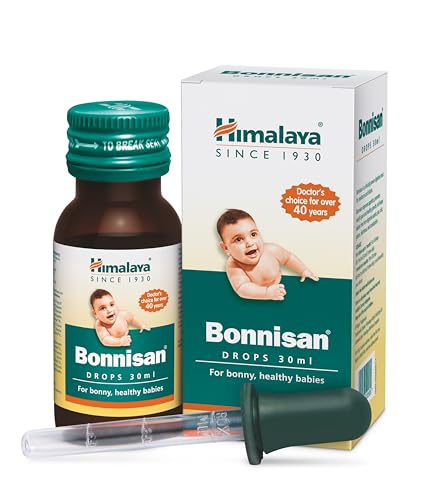
Himalaya Saline Nasal Drops for Babies
- ✓ 0.9% saline solution
- ✓ No preservatives, no oils
- ✓ 10 ml bottle with dropper
* We earn a small commission — at no extra cost to you.
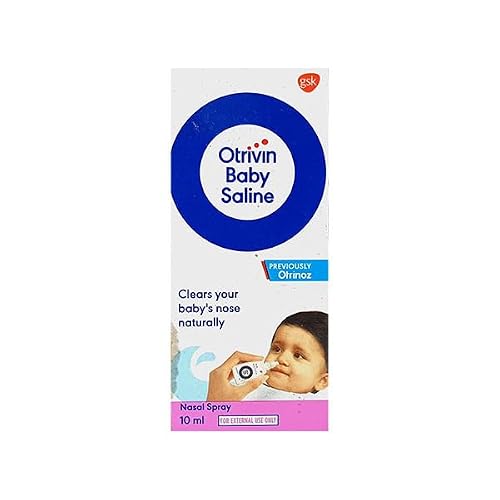
Nasoclear Baby Saline Nasal Spray
- ✓ Isotonic saline (0.9%)
- ✓ Spray applicator for easy use
- ✓ 15 ml bottle
* We earn a small commission — at no extra cost to you.
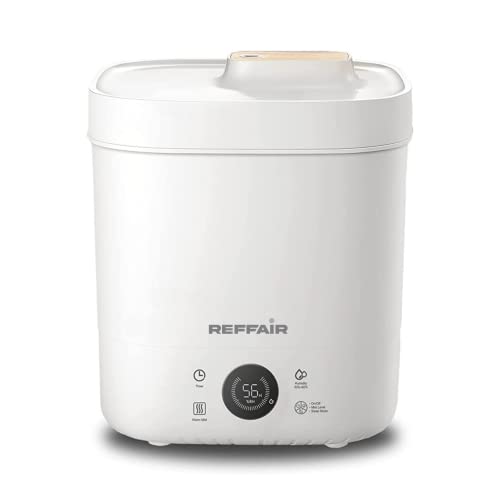
Chicco Cool & Warm Humidifier (No Oil Option)
- ✓ Ultrasonic vaporiser for plain water only
- ✓ No essential oil diffuser function
- ✓ 1.2 litre capacity
* We earn a small commission — at no extra cost to you.