
Baby Ate Cockroach Chalk: What to Do Right Now—Toxicity, First Aid & Safety
If your baby swallowed a small amount of cockroach chalk (usually containing boric acid), stay calm—most ingestions cause mild or no symptoms. Give water or milk to drink, do NOT induce vomiting, and call Poison Control (1800-180-1180 in India) immediately. Watch for vomiting, loose stools, or lethargy over 4-6 hours. Rush to the ER if your child shows severe symptoms or ingested a large amount.
That moment when you spot your toddler with white powder on their mouth and realize they just ate the cockroach chalk you left on the kitchen shelf—it's genuinely one of the scariest parenting moments. I've been there, and I know the panic. But here's what you actually need to know: most small ingestions of cockroach chalk do not cause serious poisoning, and knowing the right steps now can make all the difference.
This article covers what cockroach chalk actually contains, what symptoms to watch for, exactly when to seek emergency care, and how to prevent this from happening again—especially if you have crawlers or toddlers in your home.
What the Evidence Actually Shows
Cockroach chalk (also sold as "Hit Chalk" or "Laxman Rekha chalk" in India) is a solid pesticide powder typically containing boric acid: a naturally occurring compound used in many insecticide products. Most brands sold on Amazon.in and in local shops list boric acid as the active ingredient on their packaging. Boric acid is toxic in concentrated doses—but the amount in a single chalk piece is relatively small, and the outcome depends heavily on how much your child actually ingested.
According to IAP (Indian Academy of Pediatrics) poisoning guidelines, boric acid toxicity is dose-dependent: ingesting less than 5 grams is usually low-risk, 5–10 grams poses moderate risk, and over 10 grams is high-risk. A single piece of cockroach chalk weighs roughly 2–4 grams, so accidental swallowing of one piece rarely causes severe toxicity—though symptoms can still appear.
Medical literature on accidental boric acid poisoning in children shows that most cases present with gastrointestinal symptoms (vomiting, diarrhea, abdominal discomfort) within 2–6 hours of ingestion. Serious systemic toxicity (affecting skin, kidneys, or the nervous system) is much less common in small ingestions and typically appears only after larger exposures or chronic ingestion over days.
Key Symptoms to Watch For (First 6 Hours)
- Vomiting or nausea: Most common symptom; usually appears within 30 minutes to 2 hours.
- Loose stools or diarrhea: Often mild; may last 4–8 hours.
- Abdominal pain or cramping: Your child may seem uncomfortable or pull their knees to their chest.
- Lethargy or drowsiness: Your child seems unusually tired or unresponsive—this requires immediate ER visit.
- Excessive drooling or difficulty swallowing: Red flag for throat irritation; call Poison Control.
- Skin rash (rare but possible): Boric acid can cause contact dermatitis if ingested in large amounts; usually appears after 24 hours.
What NOT to Do (Critical)
Do NOT induce vomiting. This is the most important rule. Many old home remedies suggest forcing your child to vomit, but inducing vomiting can cause additional harm—boric acid is a powder and can irritate the throat and oesophagus on the way back up. Modern poison management (endorsed by WHO and IAP) advises against vomiting induction unless explicitly told to do so by a Poison Control doctor.
Do NOT assume it's safe because the ingestion was small. Even small amounts can cause symptoms; the right move is to observe and call for guidance immediately.
First Aid Steps You Should Take Right Now
Step 1: Call Poison Control immediately. India's toll-free Poison Control number is 1800-180-1180 (available 24/7). Have ready: your child's age, approximate weight, and how much chalk was swallowed (if you can estimate). They will guide you on whether home observation or immediate ER visit is needed.
Step 2: Give water or milk. Offer your child cool water or milk (about 200 ml) to drink if they are conscious and can swallow normally. Do NOT give anything acidic (lemon juice, orange juice, vinegar). This helps dilute the boric acid in the stomach.
Step 3: Remove any remaining chalk. Wipe your child's mouth, hands, and skin with a damp cloth to remove any powder residue.
Step 4: Observe closely for the next 6 hours. Watch for any of the symptoms listed above. Write down the time of ingestion, the time symptoms start (if any), and what they are—this information is crucial for the doctor.
Step 5: Seek emergency care if: Your child is vomiting repeatedly, has severe abdominal pain, seems unusually drowsy or unresponsive, has difficulty breathing, or shows a widespread rash. Take them to the nearest hospital ER; mention the boric acid ingestion clearly to the staff.
When You Can Safely Observe at Home
If Poison Control confirms low-risk ingestion (small amount, child over 2 years, mild or no symptoms appearing within 30 minutes), you may observe at home. Keep your child hydrated, avoid dairy-heavy food for the next few hours, and monitor for 12–24 hours. Most mild cases resolve on their own without medical intervention.
Safer Pest Control Options for Homes with Babies
The obvious solution is to stop using cockroach chalk altogether if you have crawling babies or curious toddlers. Here are two safer alternatives available on Amazon.in:
HIT Anti-Roach Gel (typically around Rs. 85): Comes in sealed tubes with application nozzles; you place small dots behind appliances and walls—your child cannot access them as easily as loose chalk. The active ingredient is fipronil (a different pesticide class), and the gel hardens once applied, reducing accidental ingestion risk.
Mortein Cockroach Baits (typically around Rs. 95): Sold as small plastic stations that clip under sinks and behind furniture. Baits are contained within the station, making them far less accessible to toddlers than chalk left on the shelf. Efficacy is comparable to chalk, but safety profile is much better for homes with young children.
Both products work better than chalk anyway—they're targeted delivery systems that kill cockroaches before your baby ever sees the pesticide. The upfront cost is nearly the same, but the peace of mind is priceless.
Storage Checklist for Homes with Crawlers
If you must use cockroach chalk: Store it in a locked cabinet or drawer that your child cannot reach. Never leave it on kitchen shelves, windowsills, or floor corners—crawlers move faster than you think. Keep it in its original packaging so you can instantly identify what your child swallowed if an accident happens. Label the container with the active ingredient (boric acid) and the Poison Control number. Consider storing it in a labelled container in a high cupboard, away from your child's bedroom and play areas.
Better yet: switch to gels or baits. Your child will thank you—and you'll sleep better at night.
What Paediatricians Say
IAP guidelines emphasize that most accidental boric acid ingestions in children do not result in permanent harm if managed correctly. The key is early Poison Control consultation and avoiding home remedies like vomiting induction. Dr. guidelines also stress prevention over management: homes with infants under 3 years should use gel or bait-based pest control, not chalk. Every year, Indian poison centres receive calls from parents across Bengaluru, Mumbai, and Delhi about cockroach chalk ingestion—most resolve well with proper first aid.
Our Top Picks
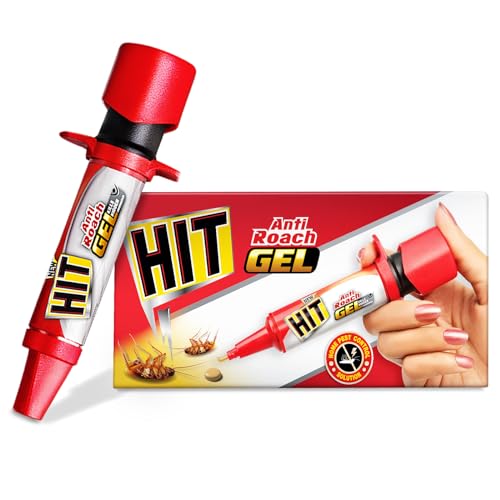
HIT Anti-Roach Gel Cockroach Killer
- ✓ Tube applicator for precise placement
- ✓ Active ingredient: fipronil
- ✓ Non-loose powder formula—safer for homes with babies
* We earn a small commission — at no extra cost to you.
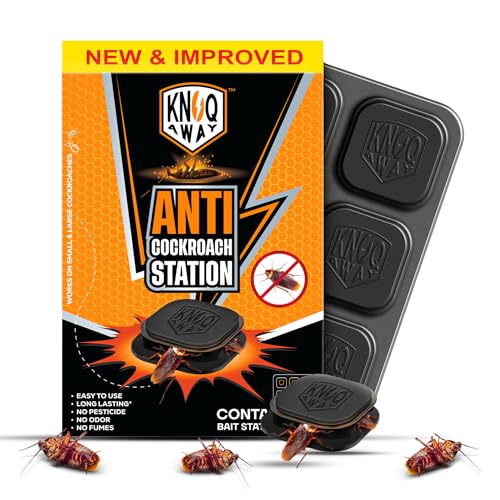
Mortein Cockroach Baits Indoor Station
- ✓ Sealed plastic bait stations
- ✓ Clips under sinks and behind furniture
- ✓ Child-resistant design
* We earn a small commission — at no extra cost to you.