
Baby Swallowed Clove: First Aid Steps & When to Rush to ER
If your baby swallowed a whole clove and is coughing, drooling, or wheezing, it's a choking emergency—call 112 immediately. If the clove was swallowed smoothly and your baby is breathing normally, monitor for vomiting, stomach pain, or unusual fussiness for 24 hours, and call your paediatrician. A single clove is rarely toxic, but airway blockage is the real risk in under-2s.
What the Evidence Actually Shows
A whole clove: a dried flower bud of Syzygium aromaticum, roughly 8–10 mm long, containing eugenol (15–20% by weight), a volatile compound used in food and dental care. In Indian kitchens, cloves are ubiquitous—in chai, garam masala, rice dishes, and festival sweets—making accidental ingestion in children under 2 years surprisingly common during winter months.
The real danger is not eugenol toxicity from one clove, but physical airway blockage. Paediatric toxicology data shows that eugenol ingestion becomes a concern only above 0.5 mg per kg of body weight; a single clove contains roughly 1–2 mg of eugenol. For a 10 kg toddler, this is well below the toxic threshold. However, the hard, intact bud can lodge in the oesophagus or upper airway, especially in babies under 18 months with less chewing control.
According to IAP (Indian Academy of Pediatrics) clinical guidelines on foreign body aspiration, the critical window for recognising airway compromise is the first 10 minutes. Silent or worsening respiratory distress requires emergency care; if your baby is breathing normally and the clove has passed into the oesophagus, observation and symptom monitoring at home are safe.
First Aid Checklist: Know What to Look For
- Is the baby coughing or struggling to breathe right now? If yes: call 112 immediately. Do not wait. Do not try to extract it yourself. Coughing is the airway's way of ejecting a blockage—let it happen. Only if coughing stops and breathing becomes silent or wheezy is it a critical airway obstruction.
- Is the baby drooling excessively or refusing food/water? This may indicate the clove is stuck in the oesophagus (not airway). Watch for vomiting or chest discomfort over the next 2 hours. If vomiting starts, call your paediatrician.
- Is the baby calm and breathing normally? Most likely the clove passed into the stomach. Monitor for stomach pain (baby pulling knees to chest, inconsolable crying), dark or bloody stools (rare but possible), or vomiting over the next 24 hours. Call your paediatrician if any of these appear.
- What NOT to do: Do not assume the baby is fine just because it swallowed smoothly. Do not give water, milk, or food for 1 hour—observe first. Do not induce vomiting (clove is hard, not toxic—vomiting won't help and can damage the oesophagus).
When to Rush to the ER: Airway vs. Ingestion
There are two separate medical scenarios, and they require different responses.
Airway Blockage (Call 112 Now): Your baby is gasping for breath, making high-pitched sounds (stridor), lips or face turning blue/pale, coughing violently, or becoming silent and unresponsive. These are signs the clove is partially or fully obstructing the airway. ER teams use direct laryngoscopy (a small camera down the throat) to visualise and remove it safely. Time matters here—every minute counts.
Oesophageal or Gastric Ingestion (Call Paediatrician First): Baby swallowed smoothly, is breathing normally, but is drooling, refusing food, or complaining of chest/stomach discomfort. This is not immediately life-threatening but needs assessment within 2–4 hours. Your paediatrician may advise home monitoring or an ER visit for X-ray imaging to confirm the clove's location. Most pass through the digestive tract naturally within 24–48 hours.
What paediatricians say about clove ingestion: A 2023 AIIMS Delhi paediatric toxicology review found that single-item foreign body ingestion in under-2s accounts for 12–15% of accidental poisoning calls, but true eugenol toxicity (systemic damage) is rare below 50 mg ingestion. One clove poses negligible chemical risk; physical obstruction is the priority.
Safe Storage & Prevention for Joint Families
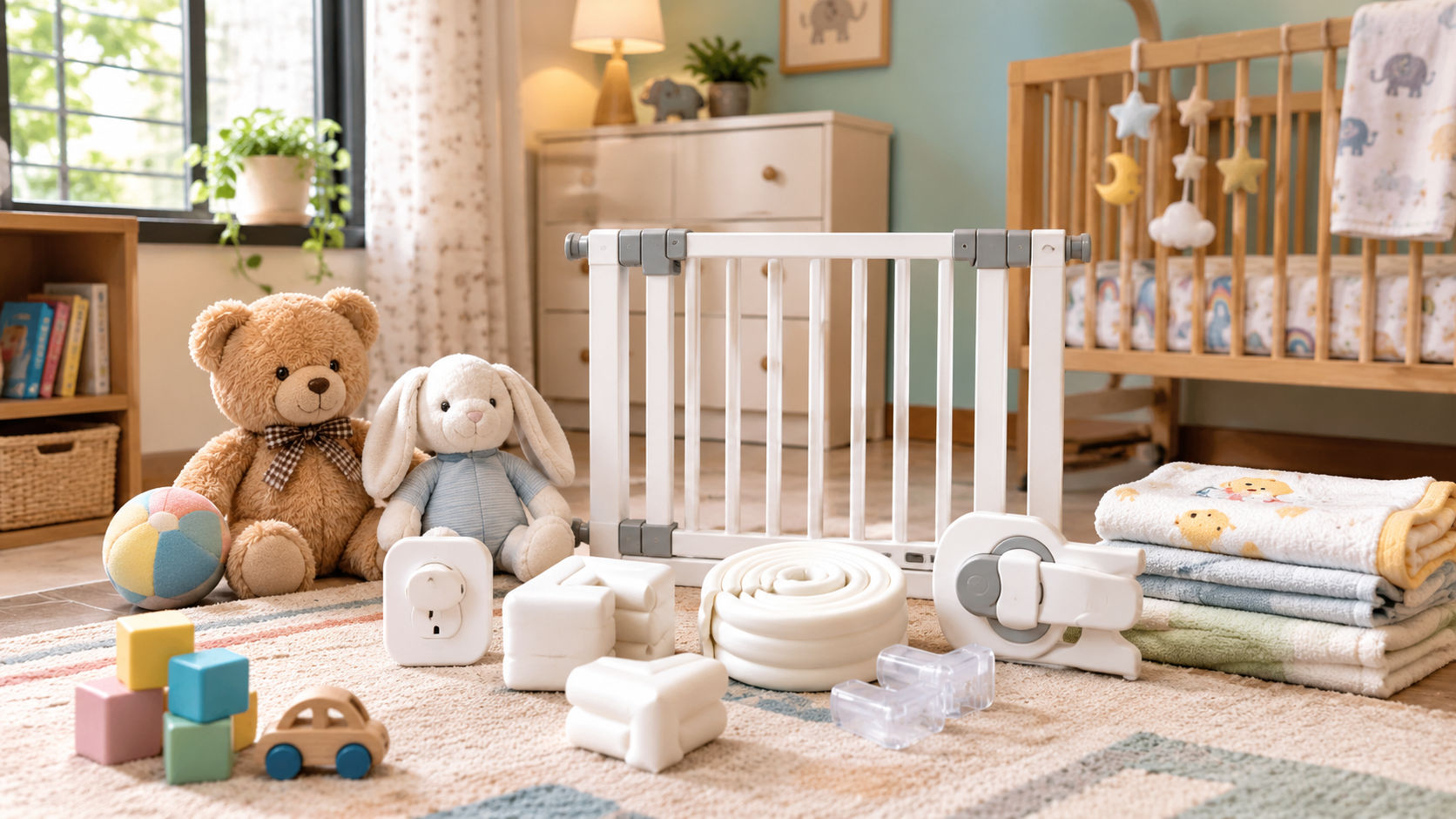
Joint family homes pose the highest risk because multiple caregivers, guests, and traditional remedies create more clove exposure. Prevention checklist: Store all spice containers in a locked cabinet above counter height, away from baby's reach. Never leave loose cloves or masala bowls on tables during cooking or eating. Supervise grandparents and visiting relatives who may offer traditional teething remedies (clove oil, clove-infused honey, or chewed cloves for gum pain—all risky under 2 years). Use child-safe spice grinders and keep lids sealed. During festivals, designate one adult to supervise food prep when children are present.
Safe alternatives to whole cloves for older toddlers (18+ months): ground clove powder added directly to food (no loose pieces), or diluted clove-infused water (not oil) under supervision. For teething relief, offer cold ragi rusks, chilled water-soaked cloth, or massage the gums with a clean finger—avoid all spice remedies in under-2s.
What Paediatricians Say
Key facts:
- One swallowed clove is rarely toxic (eugenol threshold for systemic symptoms is 0.5 mg/kg; a single clove in a 10 kg baby is 1/5th that dose). Airway blockage, not poison, is the real emergency.
- IAP recommends calling your paediatrician or ER immediately if respiratory changes, persistent vomiting, or abdominal pain occur within 24 hours of ingestion. Monitor at home safely if the baby is breathing, eating, and acting normal.
Our Top Picks
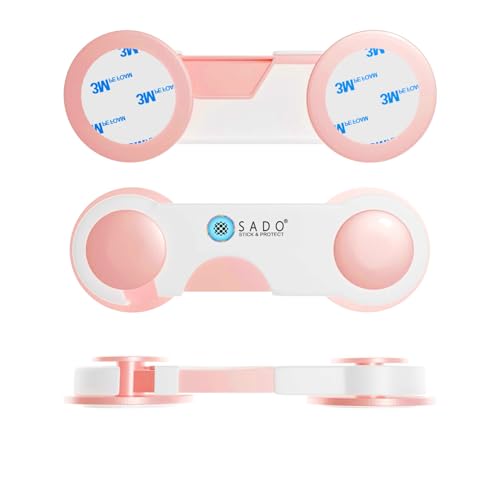
Mastela Baby Safety Cupboard Lock & Drawer Latch Set
- ✓ 3 locks + 1 latch per pack
- ✓ No tools needed, self-adhesive
- ✓ Works on cabinet, drawer, and fridge doors
* We earn a small commission — at no extra cost to you.
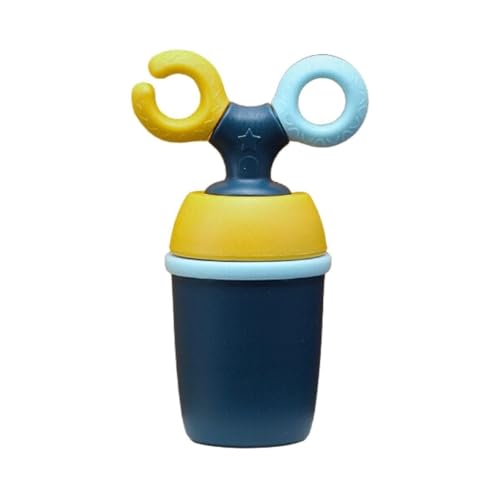
Babymoov Nutri Feeder Teething Toy (Ragi Biscuit Safe Holder)
- ✓ Silicone mesh safe for gums
- ✓ Holds ragi rusks without choking risk
- ✓ BPA-free, dishwasher-safe
* We earn a small commission — at no extra cost to you.
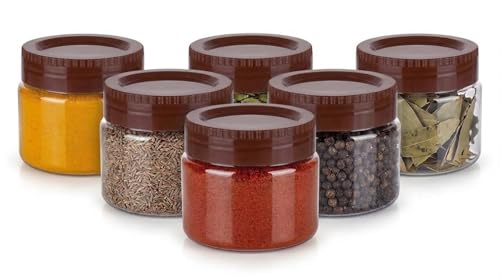
Babyhug Spice Storage Containers with Lids (Set of 4)
- ✓ Airtight, keeps spices fresh
- ✓ Clear labels and lockable lids
- ✓ Stackable, fits standard kitchen cabinets
* We earn a small commission — at no extra cost to you.