
Baby Swallowed Camphor: First Aid Steps & When to Rush to ER
If your baby swallowed camphor, do NOT induce vomiting. Call the National Poison Information Centre (1800-11-1139) immediately and rush to the nearest emergency room. Camphor poisoning can cause seizures, vomiting, and confusion within 15 minutes. Keep the camphor container with you to tell doctors the exact amount ingested.
Camphor (karpuram in Hindi/Tamil) is in almost every Indian home—tucked into pooja boxes, stored with winter clothes to repel moths, rubbed on chests for congestion. But camphor is toxic when ingested, especially for babies under 3 years. If your baby has just swallowed camphor, this article tells you exactly what to do in the first 10 minutes and why waiting is not an option.
What the Evidence Actually Shows About Camphor Toxicity
Camphor toxicity threshold: the amount of camphor that causes poisoning in a baby, measured per kilogram of body weight. Toxicity is known to begin at approximately 10 mg/kg—meaning a 10 kg (22 lb) baby can be poisoned by ingesting just 100 mg of pure camphor. Most over-the-counter camphor blocks, oils, and creams contain 5–20% camphor by weight; a single block or teaspoon of oil can exceed this threshold.
Camphor poisoning: acute toxicity from ingesting camphor, characterized by rapid onset of neurological and gastrointestinal symptoms. Case reports in medical journals document seizures appearing within 15 minutes of ingestion in infants, followed by vomiting, confusion, rapid heart rate, and respiratory distress in severe cases.
Why camphor enters Indian homes so easily: camphor is sold without restriction as a pooja item, a traditional remedy for chest colds, and a clothes protectant. No prescription is needed. Packages are often stored on low shelves, in open pooja cabinets, or left on bedside tables—exactly where crawling babies explore. Parents often do not realise camphor's toxicity because it feels like a harmless home remedy, not a poison.
Immediate Action: First 10 Minutes After Ingestion
Step 1: Do NOT induce vomiting. This is the most critical mistake parents make. Camphor is volatile and caustic; forcing it back up burns the oesophagus further and can cause aspiration (camphor entering the lungs). Leave the vomiting to medical staff if they decide it is necessary.
Step 2: Call poison control immediately. Dial 1800-11-1139 (National Poison Information Centre, India—operates 24/7). Have the camphor container in your hand. Tell them: the baby's age, weight (if you know it), the exact type of camphor (block, oil, cream, incense), and how much you think was swallowed. Poison control will tell you whether your baby needs emergency care based on the toxicity level.
Step 3: If poison control advises it, or if your baby shows any symptoms, rush to the nearest emergency room. Do not wait to see if symptoms develop. Camphor poisoning progresses fast. Bring the camphor container, the packaging, and any information about how much was ingested.
Step 4: Do NOT give activated charcoal, milk, oil, or any home remedy. These do not neutralise camphor and can delay treatment. If your baby is conscious and not vomiting, plain water is acceptable in small sips only.
Symptoms to Watch For (and Why You Cannot Wait)
Camphor poisoning symptoms often appear within 5–30 minutes in infants. Do not assume your baby is fine because she has not vomited yet—neurological symptoms can appear suddenly.
- Seizures or jerking movements: the most common severe symptom in infants; may last seconds to minutes.
- Vomiting or retching: often accompanied by stomach pain.
- Confusion, drowsiness, or loss of consciousness: the baby seems unusually sleepy or unresponsive.
- Rapid or irregular breathing: gasping, wheezing, or breathing faster than normal.
- Rapid heartbeat or feeling warm to touch.
- Burning sensation in the mouth or throat (older babies may cry or refuse to drink).
If you see any of these, call 1800-11-1139 and go to the ER immediately. Do not drive yourself if you are panicked—call an ambulance (dial 102 in most Indian cities).
What Doctors Will Do in the ER
The emergency team will monitor your baby's heart rate, breathing, oxygen levels, and neurological status. They may perform gastric lavage (stomach washing) if ingestion was very recent and the amount was significant, though this decision depends on how much camphor was swallowed and the timing. Blood tests or imaging may be done to check for aspiration or organ involvement. Treatment is supportive: fluids, oxygen if needed, anti-seizure medication if seizures occur, and observation until symptoms resolve. Most infants who reach the ER recover fully with prompt care.
Why Your Home Storage Matters: A Safety Checklist
Camphor poisoning is entirely preventable. Here is how to store camphor safely after today:
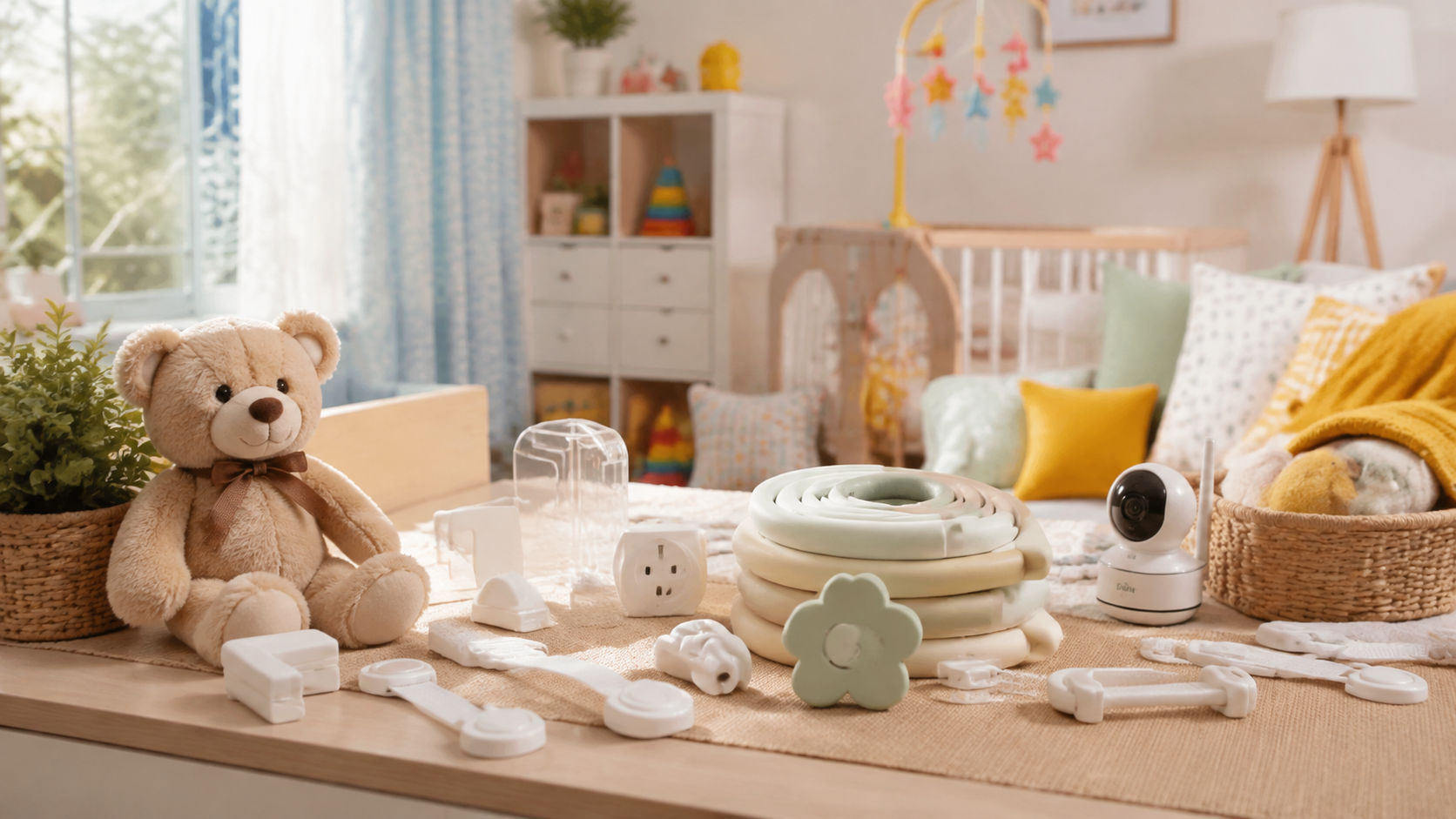
- Lock camphor in a high cabinet or cupboard—not in a drawer a crawling baby can reach or a shelf at chest height. Use a childproof lock if you have a toddler who can climb or open drawers.
- Never leave camphor on bedside tables, dressing tables, or low shelves. Babies pull up on furniture and grab whatever is in reach.
- Keep camphor in its original container with the label intact. If you transfer it to another jar, label it clearly and store it the same way.
- Do not use camphor on a baby's chest, even diluted in oil. IAP (Indian Academy of Pediatrics) recommends steam inhalation or saline drops for infant congestion—not camphor rubs, which are absorbed through the skin and lungs and pose a toxicity risk, even in small amounts.
- Inform grandparents, nannies, and carers of camphor's toxicity. Many traditional caregivers may apply camphor oil without realising the risk to an infant.
- Check pooja boxes regularly. Camphor blocks in pooja areas are often forgotten; babies can grab them during crawling or exploration.
- Dispose of old or unused camphor safely. Do not leave it in the bin where a baby can tip it over and access it. Wrap it in newspaper and place it in a locked or high-shelf bin.
What IAP and WHO Guidance Says
- IAP guidelines (2026): Indian Academy of Pediatrics advises that camphor and camphor-containing products should not be applied to infants under 3 years and should be stored out of reach of all children. For fever or congestion, use age-appropriate saline solutions or steam inhalation instead.
- WHO poison protocol: In case of camphor ingestion, immediate contact with a poison centre and supportive medical care are the standard of care; induced vomiting is contraindicated.
When to See a Doctor (Even After You Get Home)
After the ER visit, your baby may go home if symptoms resolve within a few hours and medical staff are confident no aspiration occurred. However, contact your paediatrician or return to the ER if you notice: lethargy lasting more than a few hours after discharge, recurrent vomiting, difficulty breathing, fever, or any unusual behaviour. This is general information, not medical advice. Always follow your doctor's discharge instructions.
Our Top Picks

Littles Baby Safety Cabinet Lock (Adhesive & Screw Fit)
- ✓ Dual locking mechanism (adhesive + screw)
- ✓ Fits drawers, cabinets, refrigerators
- ✓ BPA-free silicone
* We earn a small commission — at no extra cost to you.
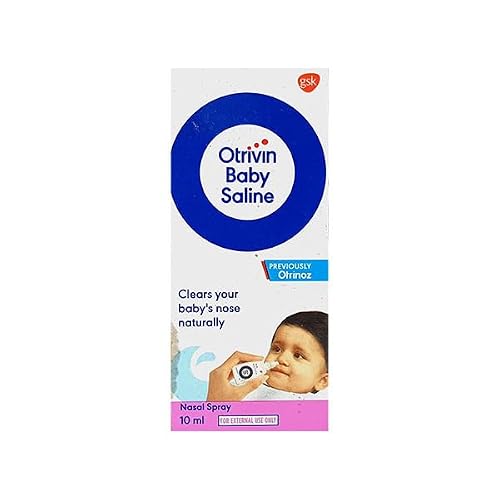
Mee Mee Saline Nasal Spray for Babies (20 ml)
- ✓ Saline solution for nasal congestion (safe camphor-free alternative)
- ✓ For babies 0+ months
- ✓ No side effects, recommended by paediatricians
* We earn a small commission — at no extra cost to you.

Chicco Cordless Room Humidifier (Ultrasonic)
- ✓ Silent ultrasonic steam for congestion relief
- ✓ Safe alternative to camphor rubs
- ✓ Runtime up to 8 hours, 2-litre capacity
* We earn a small commission — at no extra cost to you.