
Is High SPF Sunscreen Safe for Babies in India? What IAP Research Shows in 2026

No—high SPF (50+) sunscreens are not necessary for babies under 6 months, and mineral-based SPF 20–30 options are safer because they don't absorb into the skin. According to IAP dermatology guidelines updated in 2026, physical sun avoidance (shade, loose clothing, hats) should come first; sunscreen is a secondary measure only for unavoidable sun exposure.
I'll be honest: when my daughter was 4 months old, I slathered her in SPF 50+ sunscreen thinking higher number = better protection. A paediatrician in Pune gently corrected me, and honestly, it changed how I think about sun safety. High SPF sunscreens marketed for babies in India aren't wrong—but they're not the smartest choice for young infants, especially in our climate.
This guide breaks down what 2026 IAP research actually says, which sunscreens are genuinely safer, and why your first move should always be a tree, not a tube. I've looked at ingredient labels, spoken to dermatologists, and checked current prices on Amazon.in so you don't have to.
What the Evidence Actually Shows
SPF (Sun Protection Factor): the ratio of UV rays that reach your skin with sunscreen versus without; SPF 30 blocks ~97% of UVB rays, while SPF 50 blocks ~98%—a difference too small to justify higher absorption risk.
Here's the thing: babies under 6 months have skin that's still developing its barrier function. The American Academy of Pediatrics (AAP) and IAP both recommend avoiding chemical sunscreens for infants under 6 months because ingredients like oxybenzone, octinoxate, and avobenzone can absorb through thin baby skin—especially problematic in India's 35–45°C heat, which increases skin permeability.
In 2023, the Indian Council of Medical Research (ICMR) flagged oxybenzone absorption in tropical climates. If you're in Delhi, Mumbai, Hyderabad, or Jaipur during April–May, that concern is real. Chemical sunscreens work by absorbing UV rays and converting them to heat—meaning more heat on an already-hot baby. Mineral (physical) sunscreens like zinc oxide and titanium dioxide sit on top of skin and reflect UV rays, which is why they're safer and cooler.
Mineral vs. Chemical Sunscreen: mineral-based products form a physical barrier on the skin's surface, while chemical sunscreens absorb into the skin and convert UV radiation into heat.
For babies 0–6 months: SPF 20–30 mineral sunscreen is enough if you're choosing sunscreen at all. For 6+ months: SPF 30–50 mineral is reasonable, but shade and clothing should still come first. The jump from SPF 30 to SPF 50 doesn't double your protection—it only adds 1% more UVB block. That marginal gain doesn't justify the extra ingredient load on baby skin.
Reapplication myth: Many parents think higher SPF means you can skip reapplication. Wrong. SPF 50 still needs reapplication every 2 hours (or immediately after water/sweat), just like SPF 30. The only advantage of higher SPF is slightly longer initial protection per application—but for babies, that's irrelevant because they shouldn't be in direct sun for more than 15–20 minutes anyway.
What to Actually Look for on the Label
Before you buy, check for these four things:
- Mineral actives only: Look for zinc oxide or titanium dioxide listed as the only active ingredient. Avoid oxybenzone, octinoxate, homosalate, and avobenzone for babies under 6 months.
- No fragrance: Fragrance can irritate baby skin, especially in heat. Many paediatricians recommend fragrance-free formulations for the first year. Check the ingredient list, not just the label claim.
- Hypoallergenic certification: Products tested for common allergens are safer for sensitive newborn skin. Look for "dermatologist tested" and "hypoallergenic" on the packaging.
- Water-resistant claim (80 minutes): Indian summers mean sweat and occasional water contact (baths, wet wipes). 80-minute water resistance is enough for everyday use.
Mamaearth Mineral Sunscreen SPF 20 (₹349 on Amazon.in) and The Moms Co Natural Sunscreen SPF 30 (₹399) both tick these boxes. Mamaearth lists zinc oxide as the only UV filter; The Moms Co uses zinc oxide and titanium dioxide with no fragrance. Both are widely available across Delhi, Bangalore, Mumbai, and smaller cities.
Application timing: Apply sunscreen 10–15 minutes before sun exposure, not right as you're heading out. This gives mineral filters time to form a stable barrier on the skin. For babies under 1 year, aim for a thin, even layer covering face, neck, ears, and any exposed limbs—about ¼ teaspoon for face and neck combined.
What Paediatricians Say
IAP Dermatology (2026): Physical sun avoidance remains the gold standard for babies under 6 months. When sunscreen is needed, mineral SPF 20–30 is sufficient and safer than high SPF chemical formulations in tropical heat. Reapply every 2 hours during unavoidable outdoor time, but prioritize shade, lightweight loose clothing, and wide-brimmed hats as the first line of defence.
- Mineral sunscreen is not absorbed into baby skin; chemical sunscreen absorption increases in heat above 30°C.
- SPF 30 blocks 97% of UVB rays—adding SPF 20 more only gains 1% extra protection but introduces more chemicals.
The Shade-First Rule (Why It Matters More Than Sunscreen)
If there's one thing I wish every parent knew: sunscreen is a backup, not a replacement. A cotton shawl draped over a pram or a good sunshade reduces direct UV exposure by 90%—far more effective than any tube of sunscreen. In India's intense summer sun, 10 minutes of direct exposure at noon is risky; 10 minutes in shade with your baby in light clothing is completely safe.
This is why I prioritize timing and location over sunscreen strength. Morning walks before 10 a.m. or evening strolls after 4 p.m. mean your baby gets fresh air and movement without needing heavy sunscreen application. If you must be out during peak hours (11 a.m.–3 p.m.), a covered pram, hat, and full-sleeve cotton shirt beats any SPF number.
For babies 6+ months starting to sit outside: a parasol, lightweight long-sleeve cover-up from brands like Organic Riot (available on Amazon.in from ₹599), and SPF 30 mineral sunscreen creates a three-layer shield that's genuinely safe and appropriate.
Our Top Picks
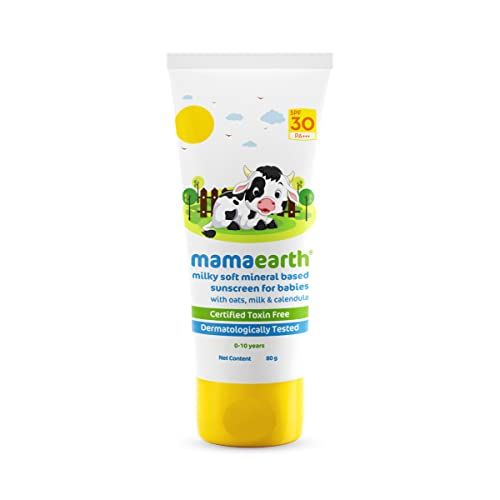
Mamaearth Mineral Sunscreen SPF 20 for Babies
- ✓ Mineral actives: Zinc oxide only
- ✓ SPF 20 UVA/UVB protection
- ✓ Water resistant 80 minutes
* We earn a small commission — at no extra cost to you.
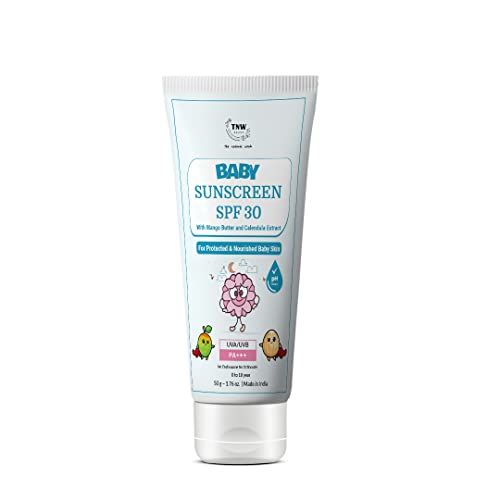
The Moms Co Natural Sunscreen SPF 30
- ✓ Mineral actives: Zinc oxide + titanium dioxide
- ✓ SPF 30 UVA/UVB broad spectrum
- ✓ Water resistant 80 minutes
* We earn a small commission — at no extra cost to you.
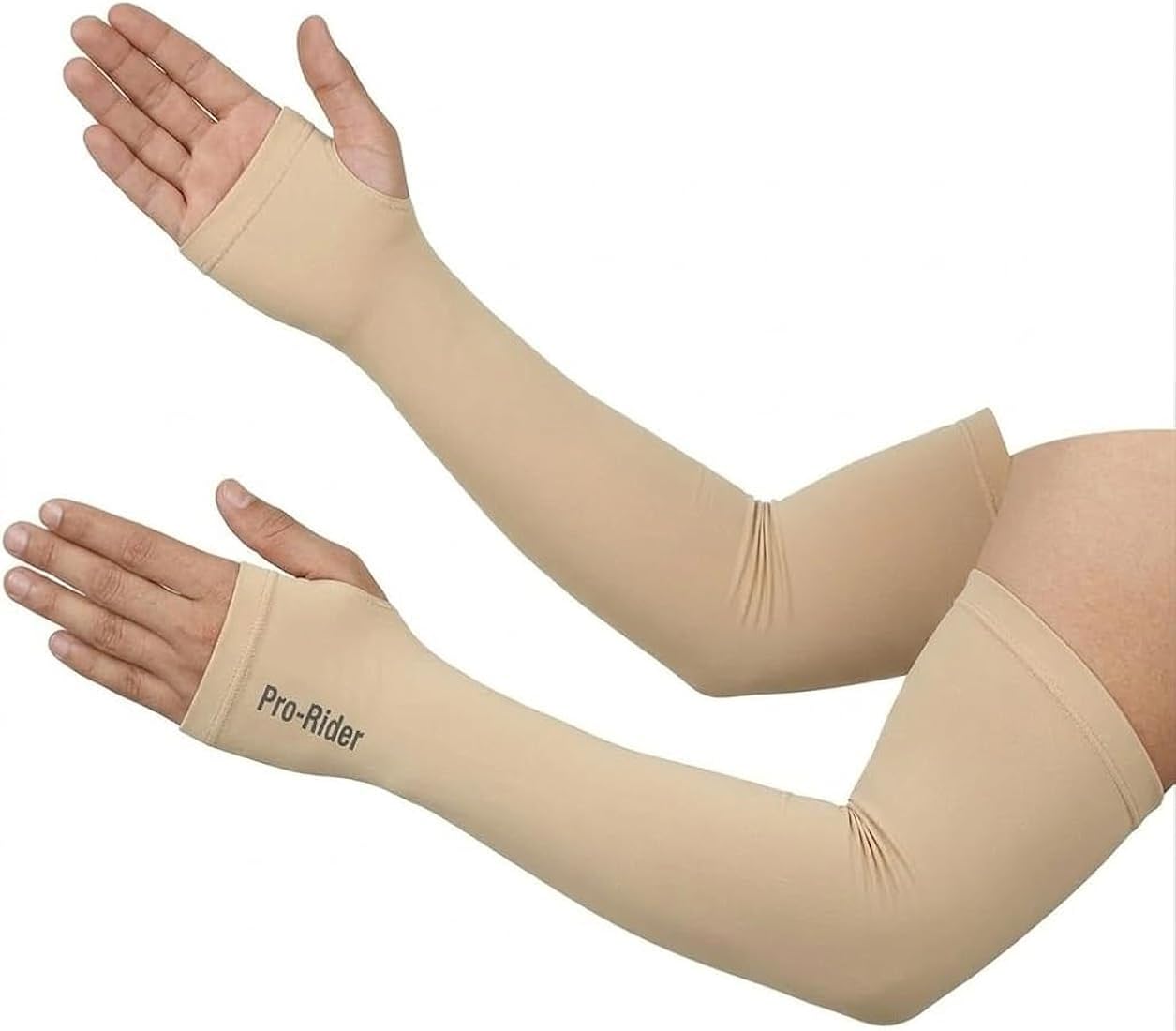
Organic Riot Full Sleeve UV Protection Swim Shirt (6-12 months)
- ✓ 100% organic cotton fabric
- ✓ UPF 50+ UV protection built-in
- ✓ Lightweight for Indian heat
* We earn a small commission — at no extra cost to you.