
Best Stroller for Indian Train Travel: Size, Storage & Comfort for 6–24 Month Babies
For train travel with 6–24 month babies, a compact stroller under 60 cm folded width fits through coach doorways (62 cm entry) and tucks under berths (23 cm depth). LuvLap Sunshine (₹4,200) and R for Rabbit Pocket (₹6,500) are space-efficient; R for Rabbit offers better seat padding for long hours. A soft carrier works for aisles, but strollers prevent fatigue on 16-hour journeys.
Traveling by train with a baby aged 6–24 months means navigating narrow aisles, tight doorways, and confined storage—what works at home or in a car won't fit. Sleeper and AC coach layouts aren't designed for standard full-size strollers. A compact stroller: a pushchair weighing under 7 kg with a folded width of 55–62 cm, designed to collapse without removing wheels or reclined seats. On 16-hour Mumbai–Delhi Rajdhani routes, parents often face a real choice: pack a lightweight stroller, use a soft carrier for aisles and berths, or do without one and carry the baby for hours.
The three models most mentioned by Indian parents taking sleeper-class trains are LuvLap Sunshine, R for Rabbit Pocket, and Chicco Liteway. Let's look at what matters: doorway fit, under-berth storage, aisle maneuverability, and how much comfort a baby actually gets on long journeys.
The Train Travel Stroller Checklist: What Matters Before You Pack
- Folded width 55–62 cm (fits 62 cm doorway with margin). Coach entry doors are 62 cm wide; a stroller wider than 58 cm folded becomes a squeeze or won't fit at all. Why this matters: if you can't get it through the door, it stays on the platform.
- Under-berth storage depth fit (under 23 cm when folded). Lower and upper berths sit 23 cm above floor level; strollers stowed horizontally must not exceed this to avoid blocking the walkway or foot space. Why this matters: your suitcase stays under the berth, and the stroller doesn't become a hazard for other passengers.
- Aisle width maneuverability (seat depth under 45 cm unfolded). Coach aisles are 45 cm wide between rows; a stroller with a deep reclining seat takes up too much aisle space. Why this matters: you can navigate to the restroom and back without blocking other passengers or your child's seat frame hitting the armrest.
- Weight under 7 kg. You will carry it up overhead racks, fold and unfold it 4–6 times per journey, and hold it while boarding. Why this matters: after 16 hours, a 10 kg stroller becomes a physical burden; lighter models reduce fatigue and back strain.
- Reversible or lay-flat seat for naps. Babies aged 6–12 months need near-flat reclining for safe sleep on long journeys. Toddlers (12–24 months) tolerate semi-recline but prefer lay-flat for deeper naps. Why this matters: a baby who sleeps is a quieter, less restless baby—and parents get rest.
- Brakes that grip on a moving coach. Trains sway; a stroller without reliable brakes will roll if parked on the berth platform or at your seat. Why this matters: safety and one less thing to worry about during sudden acceleration or braking.
LuvLap Sunshine Compact Stroller: The Budget Fit
The LuvLap Sunshine (₹4,200 on Amazon.in) is designed specifically for city and travel use. Folded width is 58 cm, weight 6.5 kg, and it folds into a compact column with wheels attached. The seat reclines to semi-flat (not fully lay-flat), suitable for toddlers 12–24 months; younger babies may need extra padding to stay comfortable. Parents on trains report it fits through coach doorways with a small margin and tucks under berths when vertical. The hood is minimal, and in summer AC coaches, this isn't a concern. No reversible seat—it faces forward always. At this price, it's the entry point; durability reports over 18+ months of regular use are mostly positive on Amazon.in (3.8 stars from 1,200+ reviews), though some mention seams loosening after frequent folding.
R for Rabbit Pocket Stroller: The Mid-Range Comfort Choice
The R for Rabbit Pocket (₹6,500 on Amazon.in) offers better seat padding and a reversible seat, meaning you can face your baby toward you for eye contact during berth sits or extend fully reclined for naps. Folded width is 60 cm, weight 6.8 kg. The deeper reclining angle (closer to flat than LuvLap) is gentler on infant spines aged 6–9 months. Aisle fit at 44 cm seat depth leaves 1 cm buffer in a 45 cm coach aisle—tight but workable if you angle it slightly. Amazon.in ratings stand at 4.2 stars from 2,100+ reviews; parents frequently note the reversible seat as a deciding factor on trains because it lets you keep the baby in view while sitting beside them on a berth. The trade-off: slightly heavier than LuvLap and a more complex fold (three steps vs. two), which matters on a crowded platform.
Chicco Liteway Stroller: The Premium Spec (and the Trade-off)
The Chicco Liteway (₹8,200 on Amazon.in) is lighter at 5.9 kg and folds to 62 cm width—it just touches the doorway limit. It has a full lay-flat seat (best for 6–12 month babies), a reversible option, and excellent wheel suspension. However, reviews from parents using it on trains note that at 62 cm folded, there is zero margin; entry feels tight, and any slight mis-angle means repositioning. Some mention it doesn't store neatly under berths because the fold shape is wider at the top. For short 4–6 hour journeys, it's ideal; for long Rajdhani routes where you're packing/unpacking twice and navigating narrow corridors multiple times, the tighter fit becomes frustrating. Amazon.in shows 4.4 stars from 1,600+ reviews, but train-specific comments tend to mention the fit anxiety.
Stroller vs. Soft Carrier on Trains: When to Use Each
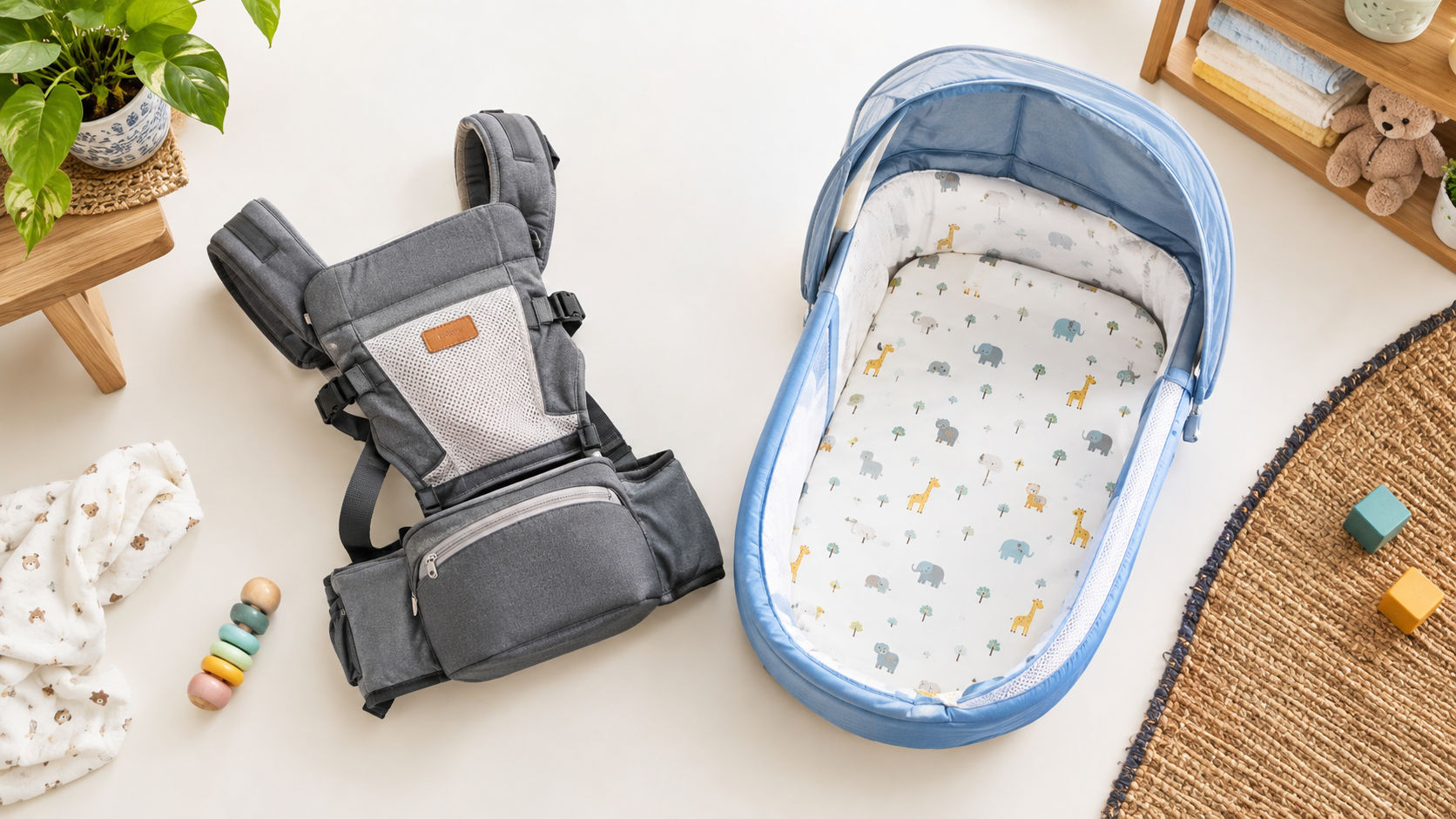
A soft carrier (structured wrap worn on chest) lets you keep your hands free and navigate aisles without a stroller. For berth time, walking to the restroom, or getting refreshments from the pantry car, a carrier is lighter (1–2 kg) and means no folding. Many parents use both: a stroller parked at your seat for longer stationary periods (eating, settled naps), and a carrier for movement through the coach.
Where carriers fall short on trains: restless 18–24 month toddlers often want down time, and holding a 15 kg child in a carrier for more than 30 minutes is exhausting. A stroller gives the child a seated, semi-contained space and you a break. On a 16-hour journey, parents typically use a stroller for 60–70% of the time and a carrier for the other 30% (corridor transitions, berthing, etc.).
What Parents Regretted Packing: Common Train Stroller Mistakes
Based on feedback from Indian parents who've done this journey, the most common regrets are: bringing a standard full-size stroller that doesn't fit doorways (forcing it to stay checked below, inaccessible for 16 hours); buying a stroller with a very reclined seat that makes the aisle footprint too deep (blocking aisles and annoying other passengers); and packing a stroller that weighs over 8 kg (backs ache by hour 12). One recurring mention: parents who bought the cheapest option and saw the fabric seams separate after three train journeys regretted skipping R for Rabbit's reinforced stitching.
Packing tip that worked: one parent noted folding the stroller vertically and placing it in the overhead rack above your own berth (if space permits), rather than storing under-berth, freed up the 23 cm clearance and meant no fumbling under seats in darkness.
What IAP and WHO Guidance Says
Baby positioning on long journeys: IAP guidelines note that infants under 12 months should have support for the spine and head during extended sitting, whether in a stroller or carrier. Babies aged 6–12 months need near-flat or reclined seating to prevent postural strain on 8+ hour trips. Hydration and breaks: WHO guidance on infant travel emphasizes frequent position changes and breaks every 2–3 hours, even on trains. A stroller allows you to park safely, get up, and let your baby move while you rest.
Quick Comparison Table: Train-Fit Stroller Models
| Model | Folded Width | Weight | Price (Amazon.in) | Lay-Flat Seat | Reversible | Best For |
|---|---|---|---|---|---|---|
| LuvLap Sunshine | 58 cm | 6.5 kg | ₹4,200 | Semi-recline | No | Budget, toddlers 12–24m |
| R for Rabbit Pocket | 60 cm | 6.8 kg | ₹6,500 | Full recline | Yes | Comfort, 6–24m, long trips |
| Chicco Liteway | 62 cm | 5.9 kg | ₹8,200 | Full lay-flat | Yes | Lightweight, short routes |
For a 16-hour sleeper journey with a 6–12 month baby, R for Rabbit Pocket offers the best balance of doorway fit, comfortable recline, and reversible bonding time. For budget-conscious families with toddlers (12–24 months) on a Rajdhani, LuvLap Sunshine works fine. Chicco Liteway is ideal if your route is shorter (under 8 hours) and you value minimal weight over storage headroom.
When to See a Doctor
If your baby develops unusual fussiness, refuses to lie back, or shows signs of spinal discomfort (back arching, crying when reclined) during or after train travel, consult your pediatrician. This is general information, not medical advice. Any concerns about your child's comfort or posture belong with a qualified pediatric provider.
Our Top Picks
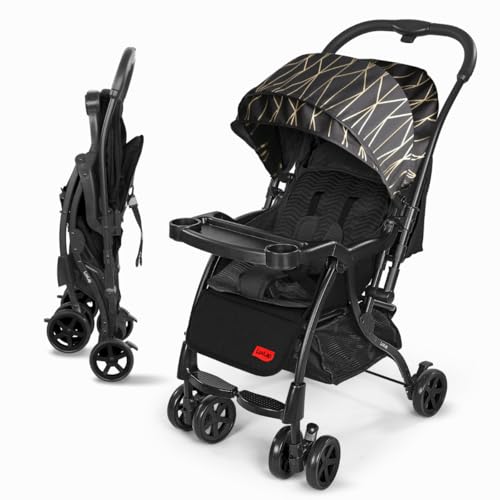
LuvLap Sunshine Compact Stroller
- ✓ Folded width: 58 cm
- ✓ Weight: 6.5 kg
- ✓ Semi-recline seat
* We earn a small commission — at no extra cost to you.

R for Rabbit Pocket Stroller
- ✓ Folded width: 60 cm
- ✓ Weight: 6.8 kg
- ✓ Full recline + reversible seat
* We earn a small commission — at no extra cost to you.
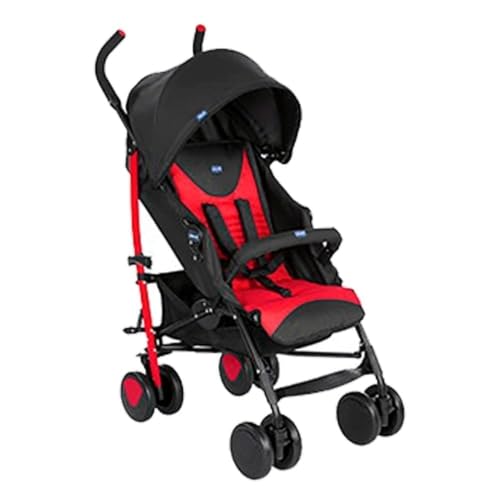
Chicco Liteway Stroller
- ✓ Folded width: 62 cm
- ✓ Weight: 5.9 kg
- ✓ Full lay-flat + reversible
* We earn a small commission — at no extra cost to you.