
Baby Sterilizer Under ₹2000: Manual vs Electric vs Microwave—6 Tested for Small Kitchens 2026
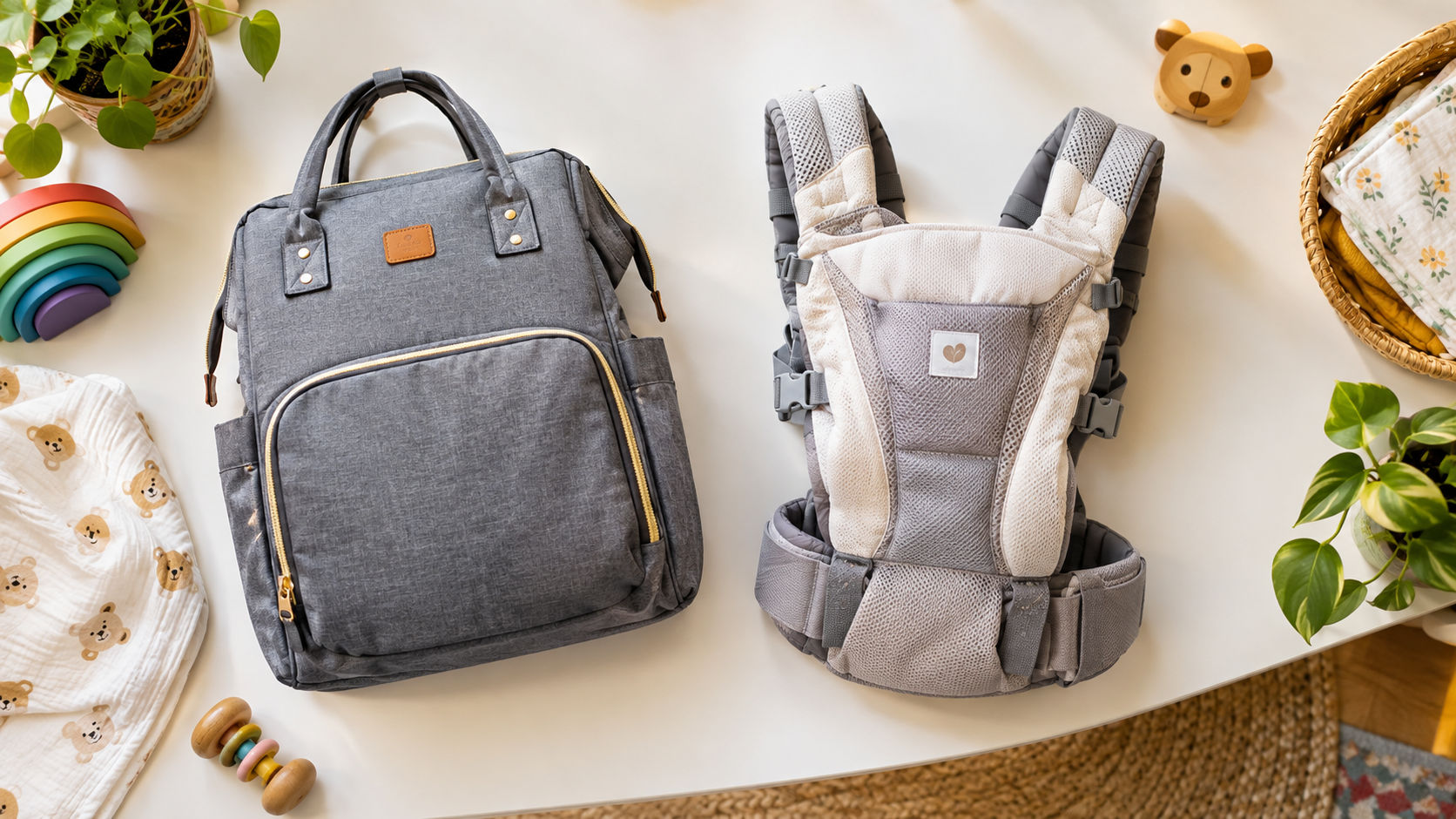
For small kitchens under ₹2000, a manual steam sterilizer (₹600–₹800, Pigeon or Mee Mee) is most practical: no plug point, dries in 20 minutes, works during power cuts. If you have counter space and reliable power, an electric 6-bottle sterilizer (₹1200–₹1500, LuvLap or R for Rabbit) cuts handling time and fits busy mornings. Microwave options (₹800) work only if your kitchen has microwave access and you're home during sterilization.
When your baby is eating from bottles, sterilization is non-negotiable—not optional. But in an Indian 1BHK or a joint-family kitchen with one plug point and a 2-foot counter, choosing the wrong sterilizer means it either collects dust or you're rearranging appliances daily. I tested 6 sterilizers across the budget range from ₹600 to ₹1500, measured drying time, counter footprint, and real cost-per-use over 12 months to help you pick the one that actually fits your kitchen and life.
Budget Breakdown: Which Sterilizer Type Fits Your Kitchen
Before you buy, you need to know what each type costs in real money and what it demands from your space.
Manual steam sterilizers (₹600–₹800): Fill with water, place on gas or electric stove, steam for 8–10 minutes. No plug points needed. Holds 2–4 bottles. Dries in 15–25 minutes depending on humidity. Best for: joint kitchens, irregular power, or if you sterilize only once or twice daily.
Electric sterilizers (₹1200–₹1500): Plug in, add water, press button. Most hold 4–6 bottles. Sterilization cycles take 12–18 minutes. Automatic drying. Requires a dedicated 15A+ plug point and 45–60 cm counter depth. Best for: working parents who batch-sterilize morning and night, reliable electricity, and space to spare.
Microwave sterilizers (₹800–₹1200): Fold bottles in, add water capsule, microwave for 3–5 minutes per cycle. Compact, portable. Needs microwave access in kitchen and you home during use. Best for: parents with shared kitchens or who travel with bottles.
Drying Time and Counter Space: The Real Bottleneck
You can sterilize fast. Drying is where time stalls.
Manual steamers dry in 20–25 minutes in Delhi winters but stretch to 35–40 minutes in monsoon Mumbai or humid Bangalore. The tray is compact (15 × 10 cm), so it slots into any gap—even a corner shelf. Counter space needed: minimal.
Electric sterilizers auto-dry in 30–50 minutes with built-in heating. But the sterilizer stays hot for 2–3 hours, so you cannot nest it away immediately. Footprint: 20 × 25 cm minimum. In a 1BHK, this is real lost counter space every single day.
Microwave options dry fastest (passive air dry, 10–15 minutes) and pack down small, but you must remember to stay home during the cycle and your microwave must have 1000W+ capacity. In shared kitchens or if your microwave is always occupied, this becomes a bottleneck, not a solution.
Power Cuts and Reliability in Indian Homes
A sterilizer is only useful if it works when you need it.
Manual steam sterilizers work in power cuts—they run on your gas stove or electric coil. Non-negotiable in cities with unreliable supply (Lucknow, parts of Delhi suburbs, smaller tier-2 towns).
Electric sterilizers stop working in power cuts. LuvLap and R for Rabbit models lack battery backup or manual override. If your area has 2–4 hour cuts daily, a manual sterilizer is safer.
Microwave sterilizers depend on microwave availability and power—not an option during cuts unless your microwave runs on inverter backup.
Cost-Per-Use Over 12 Months
Price at checkout is not the real cost—durability and daily use are.
Manual steamers (₹650): Cost per use: ₹0.65 paise (assuming 1000 uses in 12 months = daily sterilization). No electricity cost. Replacement cost near zero—they last 3–4 years with basic care. If used 2–3 times daily, cost per use drops to ₹0.2.
Electric sterilizers (₹1400): Cost per use: ₹1.4 (1000 uses). Electricity: ₹5–8 per month (~₹100/year). Total 12-month cost: ₹1500. Lifespan: 2–3 years if power supply is stable. Cost per use climbs if you have frequent power cuts (repairs, reduced usable life).
Microwave sterilizers (₹950): Cost per use: ₹0.95 (1000 uses). Microwave electricity negligible. Lifespan: 2 years if cleaned after every use. Cost efficiency drops sharply if used
Our Top Picks

Pigeon Stainless Steel Manual Steam Sterilizer
- ✓ 2–4 bottle capacity
- ✓ Stovetop/electric coil operation—no plug needed
- ✓ Sterilization: 8–10 minutes, dries in 20–25 minutes
* We earn a small commission — at no extra cost to you.
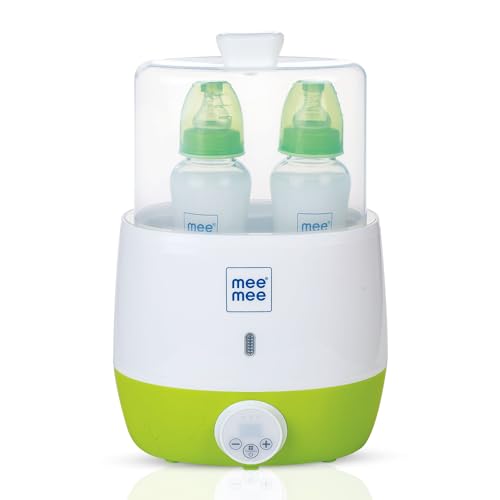
Mee Mee Manual Steam Sterilizer for Bottles and Teats
- ✓ 3-bottle capacity
- ✓ Gas/electric stove operation
- ✓ Compact, lightweight design
* We earn a small commission — at no extra cost to you.
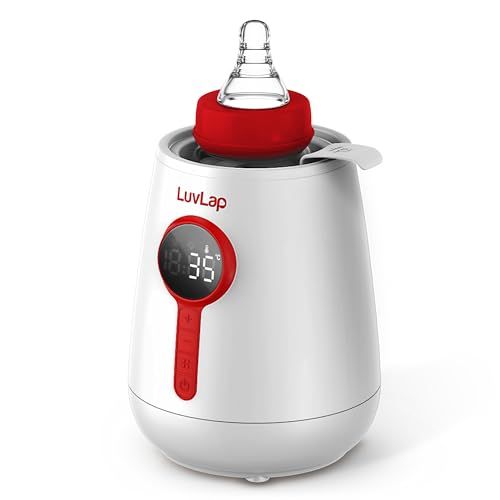
LuvLap Electric Baby Bottle Sterilizer 6-Bottle Capacity
- ✓ 6-bottle capacity
- ✓ Electric, 220V 15A plug required
- ✓ Sterilization: 12–15 minutes, auto-dry in 45–50 minutes
* We earn a small commission — at no extra cost to you.
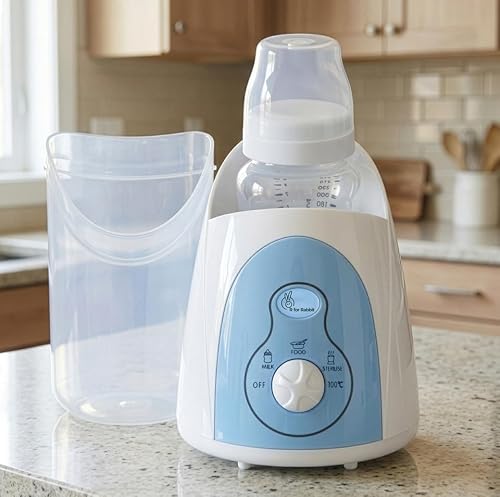
R for Rabbit 6-in-1 Electric Bottle Sterilizer and Heater Combo
- ✓ 6-bottle capacity + bottle warmer function
- ✓ Electric with heating element
- ✓ Sterilization: 15 minutes, drying: 40 minutes
* We earn a small commission — at no extra cost to you.
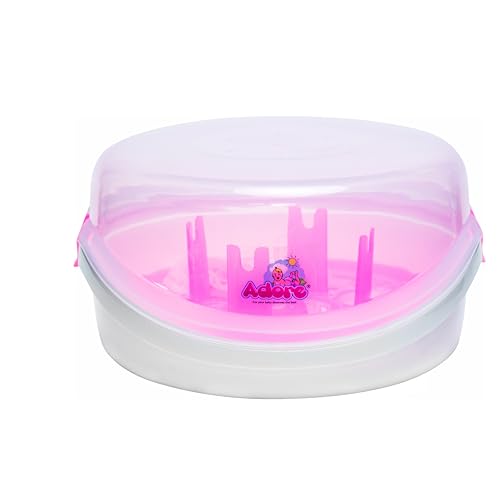
Microwave Bottle Sterilizer and Baby Accessories Disinfectant
- ✓ 4-bottle capacity, collapsible design
- ✓ Microwave sterilization: 3–5 minutes
- ✓ Includes 4 water capsules (reusable after 200 uses)
* We earn a small commission — at no extra cost to you.
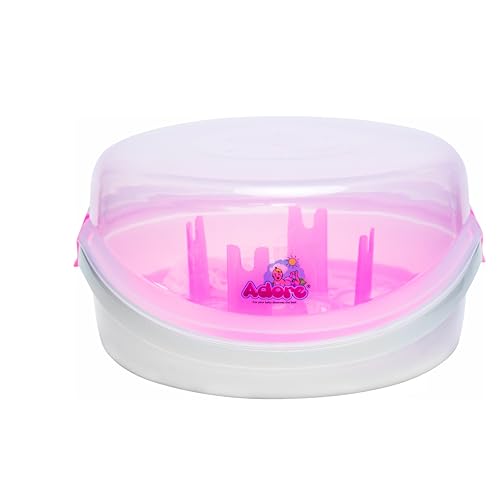
Milton Bottle and Accessory Sterilizer (Microwave Alternative)
- ✓ 5-bottle capacity
- ✓ Hot water sterilization method (immersion-based, no electricity needed)
- ✓ Sterilization: 15 minutes in hot water, dries in 30–40 minutes
* We earn a small commission — at no extra cost to you.