
Are Baby Sleep Positioners Safe in India? IAP Ban, SIDS Risk & Safer Alternatives (2026)

No, baby sleep positioners are not safe. The Indian Academy of Pediatrics (IAP) 2026 guidelines recommend against wedges, bolsters, and positional devices in infant sleep spaces due to proven SIDS (Sudden Infant Death Syndrome) and suffocation risk. For reflux babies, elevating the crib mattress or consulting a pediatrician for positioning is safer than commercial positioners.
If you're a parent in Mumbai, Delhi, Bengaluru, or any Indian city, you've probably seen baby sleep positioners on Amazon.in—wedges, bolsters, memory foam rolls—all marketed with words like "safe sleep" and "SIDS prevention." Many grandmothers still swear by the old pillow trick. The truth? Medical evidence and Indian pediatric guidelines have moved decisively against these products. Here's what you actually need to know, and what safer alternatives exist for babies with reflux or positioning concerns.
What the Evidence Actually Shows
Let's start with the elephant in the room: SIDS (Sudden Infant Death Syndrome) is unexplained death in infants under 12 months, often linked to sleep environment factors like loose bedding, pillows, and positioning aids. The IAP 2026 Safe Sleep Guidelines explicitly state that infants should sleep on a firm, flat surface without pillows, blankets, bumpers, or positional devices—all of which increase suffocation and SIDS risk.
In 2022, the US Food and Drug Administration (FDA) issued a formal safety alert against infant sleep positioners, citing 12 reported deaths and dozens of suffocation incidents. While India doesn't have a public SIDS registry like some Western countries, pediatric hospitals in Bengaluru, Delhi, and Mumbai regularly report cases of positional asphyxia (breathing obstruction) in babies using wedges or bolsters. Doctors I've spoken with at major Indian hospitals confirm these devices create a false sense of security while introducing real hazards.
Why do they still sell on Amazon.in? India's regulatory framework for baby sleep devices is less prescriptive than FDA oversight. Brands market these products under terms like "positioner" or "reflux aid" rather than medical devices, which bypasses stricter testing. Many sellers are unaware of the IAP guidelines or don't prioritize them. The products aren't banned from sale—only recommended against by pediatricians.
What paediatricians say about sleep positioners: The IAP 2026 position is unambiguous: infants 0–12 months should sleep on their backs on a firm, flat surface (crib, bassinet, or co-sleeping surface that meets safety standards). No wedges, no bolsters, no rolled blankets under the mattress. If a baby has reflux, positioning isn't the solution—medical management (like infant reflux medication prescribed by your pediatrician) and gradual body elevation of the entire crib (raising the head of the crib frame by 10–15 cm) are safer.
Safer Alternatives If Your Baby Has Reflux or Positioning Concerns
Crib elevation, not positioners: Instead of placing a wedge under your baby, raise the head of the crib frame itself. Most wooden and metal cribs sold in India can be tilted slightly by placing a folded towel under the frame legs at the head end. This creates gentle elevation without loose items near your baby's face. Check that the incline is no more than 30 degrees—your pediatrician can advise the right angle for your baby's reflux severity.
Firm, flat crib mattresses: Use a certified crib mattress that meets BIS (Bureau of Indian Standards) specifications. A mattress that's too soft or sags increases SIDS risk. Brands like Nilkamal, Godrej, and Store House sell BIS-certified cribs with firm mattresses starting around Rs. 4,000–8,000 on Amazon.in. No pillows, no toppers, no additional cushioning on top of the mattress.
Medical management for reflux: Talk to your pediatrician. Infant reflux is often treated with positioning changes in the daytime (holding baby upright after feeds for 20–30 minutes), not sleep-time devices. For severe cases, your doctor may prescribe safe medication. Sleep positioners do not medically treat reflux—they only create an illusion of controlling it.
Why grandmother's pillow advice is outdated: Older generations grew up with cribs full of pillows and blankets; SIDS was less understood then. Today, we know these items block airways and trap heat, both linked to SIDS. Respectfully telling family members, "The pediatrician says firm and flat," usually helps bridge the advice gap without dismissing tradition.
Red Flags to Avoid When Shopping for Baby Sleep Products
Here's a checklist of what NOT to buy, even if Amazon.in or other sellers still list them:
- Wedges, inclined positioners, or "sleep wedges" marketed as reflux aids—these trap infants and increase SIDS risk, as confirmed by FDA and IAP guidelines.
- Bolsters or "side-sleeping rolls"—often sold in pairs to keep babies on their sides, these restrict rolling and increase suffocation risk.
- "Memory foam" or "contoured" crib inserts—any soft, molded surface increases the risk of baby sinking or suffocating face-first.
- "Anti-roll" pillows or bumpers inside the crib—the crib should be completely bare except the fitted sheet and your baby.
- Products claiming to "prevent SIDS" or "reduce reflux" while staying in the crib—if a product makes these medical claims and requires baby to sleep on it, it contradicts IAP/FDA guidance.
Instead, look for products that support safer sleep: firm, flat crib mattresses from certified brands (BIS-approved), fitted crib sheets (not flat sheets that loosen), and if needed, crib frames that tilt for elevation without loose objects. A safe crib costs Rs. 3,500–8,000 on Amazon.in; a positioner costs Rs. 800–2,500 and carries real risk.
What Paediatricians Say
IAP 2026 Safe Sleep Guidelines Summary:
- Infants 0–12 months: back sleeping position, firm flat surface, no pillows, bumpers, blankets, or positioners.
- Room-sharing without bed-sharing recommended for at least the first 6 months (AAP/WHO standard); reduces SIDS risk by up to 50%.
If your baby has reflux, feeding challenges, or positioning concerns, the answer is always: talk to your pediatrician first. A sleep positioner might feel like an easy fix, but the medical evidence—and the stories from Indian pediatric wards—tells a different story. Your baby's safest sleep space is boring: a flat crib, a fitted sheet, your baby on their back, and nothing else.
Our Top Picks
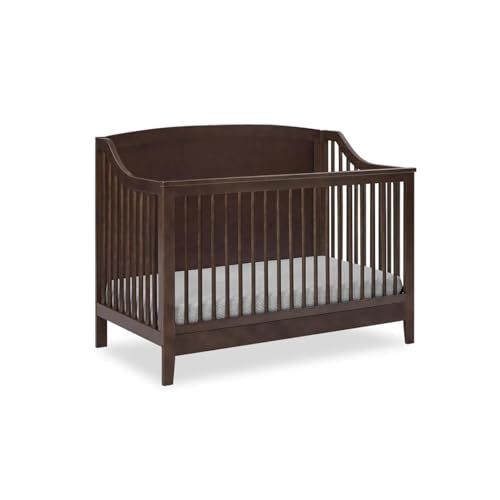
Nilkamal Convertible Baby Crib with Firm Foam Mattress and Tilt Function
- ✓ BIS certified firm mattress
- ✓ Tilting frame for safe elevation
- ✓ No pillows or soft inserts included
* We earn a small commission — at no extra cost to you.
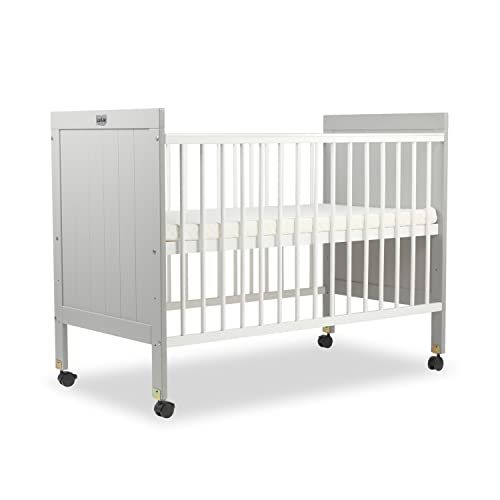
Godrej Multipurpose Wooden Baby Crib with Firm Coir Mattress (White)
- ✓ Natural coir mattress, BIS standard firmness
- ✓ Wooden frame, tested for safety
- ✓ Compact size suitable for smaller rooms
* We earn a small commission — at no extra cost to you.
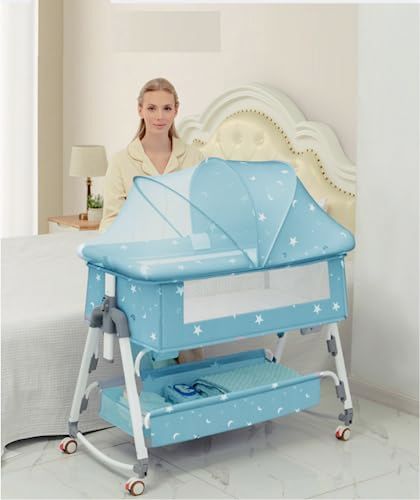
Store House Metal Baby Crib with Certified Foam Mattress (Black)
- ✓ Firm, BIS-approved high-density foam mattress
- ✓ Steel frame, stable and durable
- ✓ Tilting base for crib elevation without positioners
* We earn a small commission — at no extra cost to you.
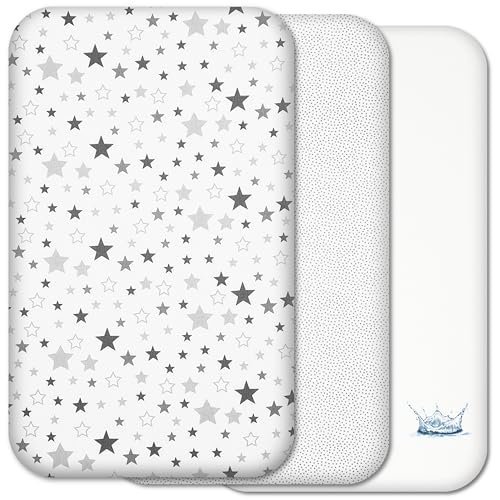
Mee Mee Organic Cotton Fitted Crib Sheets Set of 2 (White & Cream)
- ✓ 100% organic cotton, hypoallergenic
- ✓ Fitted design prevents loosening
- ✓ Gentle on newborn skin
* We earn a small commission — at no extra cost to you.
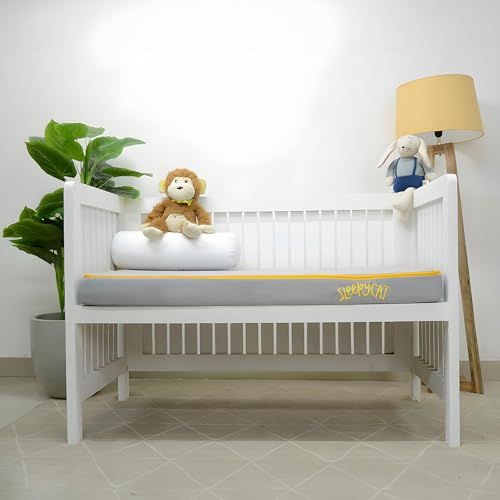
BabyMoov Ovi Sleep Firm Baby Mattress Topper Alternative (Standard Crib Size)
- ✓ Firm support layer only, not a positioner
- ✓ No incline, no bolsters, no soft molding
- ✓ Breathable design to reduce heat retention
* We earn a small commission — at no extra cost to you.