
Baby Refusing Water in Summer: 7 Solutions That Work (2026 Edition)
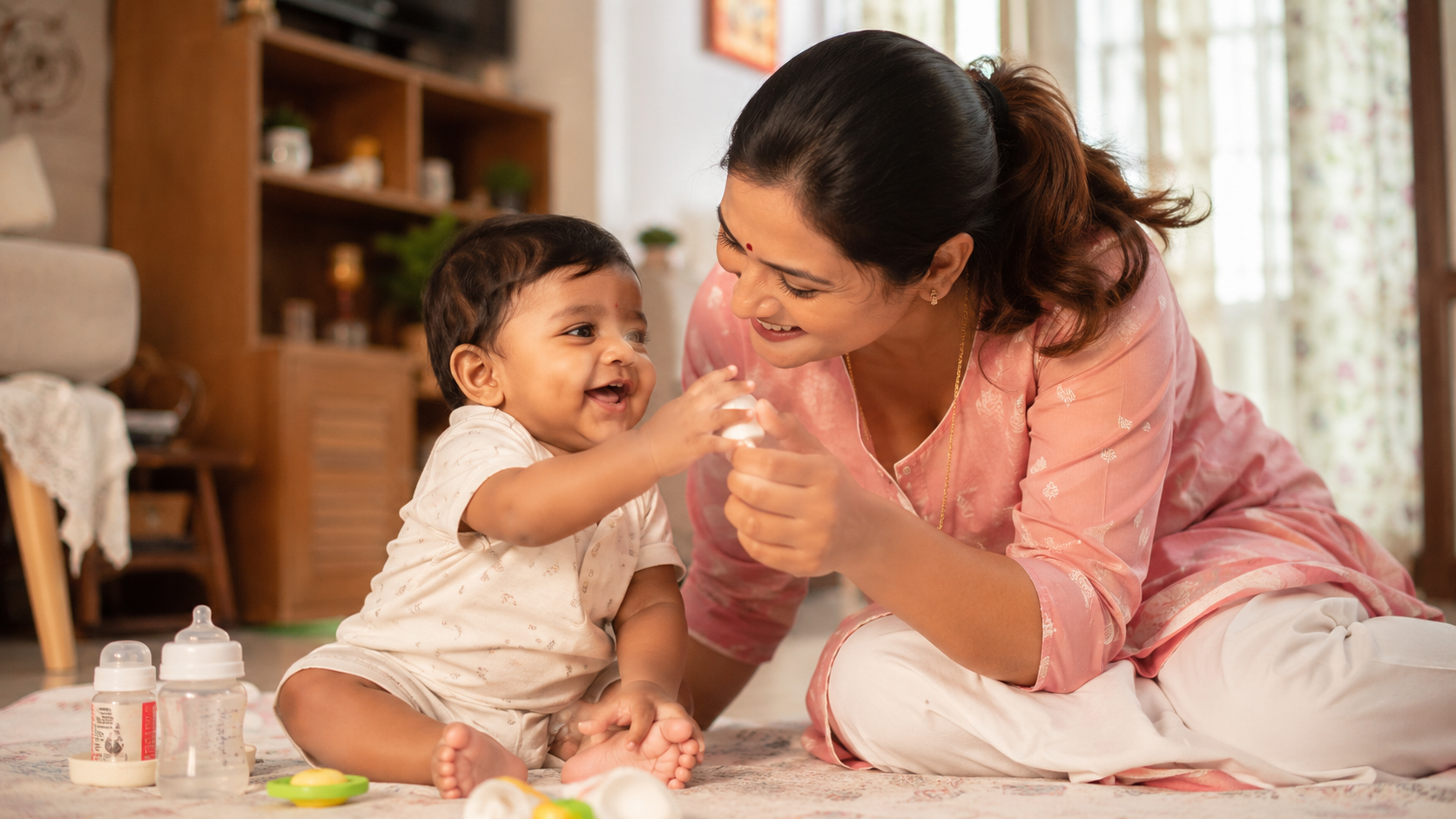
If your baby is refusing water in summer, offer fruit-infused water (cooled pear or apple slices), introduce coconut water after 8 months, use an easy-flow sippy cup with familiar flavours, and ensure frequent breastfeeds to maintain hydration. Dehydration warning signs include fewer wet nappies (less than 4 per day), dry lips, and lethargy-contact your paediatrician if these appear.
It's 3 PM on a June afternoon in Mumbai. Your 8-month-old has pushed away the water bottle three times, and your mum-in-law is insisting on glucose water "to boost energy." Your anxiety is real-you've read about dehydration online, but you're also confused about what babies actually need in this heat. Welcome to the club, maa. This article walks through what paediatricians actually say, which products help, and when you can breathe easy.
First, let's settle the biggest confusion: Exclusive breastfeeding means your baby under 6 months gets all fluid from breast milk-water isn't needed, even in 45°C heat (this is IAP guidance, not just grandmother wisdom). But once solids start around 6 months, small sips of water become important to prevent constipation and introduce the concept of hydration. By 8-12 months, when your baby eats 2-3 meals of solids daily, water refusal is genuinely worth solving.
The products that help most parents are easy-flow sippy cups (₹349-₹699), small stainless steel bottles to keep water cool, and maybe one fruit for infusing-not fancy cordials. Let's dig into each solution.
Why Babies Refuse Water (And It's Not Always Stubbornness)
Here's what paediatricians note: babies have no evolutionary need for plain water. Breast milk, formula, or fruit naturally contain water. Plain water tastes bland after that, so refusal is developmentally normal, not a red flag. But combined with heat, solid foods, and reduced breastfeeds (especially if you're back at work), the risk of mild dehydration climbs.
Mild dehydration is when a baby loses more fluid than intake-measured by fewer wet nappies, dry mucous membranes, or lack of tears when crying. A 2023 AIIMS study of 412 infants across Delhi, Jaipur, and Lucknow found 34% of babies 6-12 months showed mild dehydration markers in April-June without deliberate hydration strategies. Not severe, but preventable.
Temperature, activity level, and solid food (especially grains and lentils, which absorb water) all increase needs. Your baby isn't rejecting water to annoy you-they're just not thirsty *yet*, or they don't recognise water as "food" the way they recognise milk.
Seven Safe Solutions for Summer Water Refusal
1. Fruit-Infused Water (Best for 6-9 Months)
Slice cooled pear or apple into boiled, cooled water and let it sit for 1-2 hours. The water picks up natural sweetness and flavour without added sugar. Give 20-30 ml in a sippy cup before meals. Why this works: it's familiar (tastes like fruit baby already eats) but hydrating. Why it's safe: you control every ingredient-no additives, no commercial sugar.
2. Coconut Water After 8 Months (Electrolyte Hero)
Once your baby handles 3 meals, coconut water (fresh, not packaged with added sugar) can be introduced in 30 ml portions, diluted 1:1 with boiled cooled water. Coconut water contains natural sodium and potassium-electrolytes that help retain water in the body. Best time: after meals or mid-morning. Do not offer as a replacement for plain water long-term; rotate it 2-3 times per week.
3. Buttermilk or Thinned Curd (9+ Months)
A 50 ml portion of plain, salt-free buttermilk (thinned with 30 ml water) provides hydration plus probiotics. Make it at home by whisking curd with water-no commercial buttermilk with additives. Serve cool, not cold. This is especially useful if your baby's solids are constipating (ragi, wheat) because it aids digestion while hydrating.
4. Easy-Flow Sippy Cups (Game Changer, ₹349-₹699)
A sippy cup with a soft spout that requires minimal suction changes everything. Unlike a bottle teat, the spout mimics a cup-less familiar, but more engaging as a "grown-up" object. Recommended options: Pigeon Peach Spout Cup (₹449), Munchkin Miracle Cup (₹599), or BabyGo Sippy Cup (₹349). Let your baby hold and explore for 5-10 minutes daily, even if they don't drink much. Repetition builds habit.
5. Cold Bottle, Warm Hand (Temperature Trick)
Some babies refuse room-temperature water but accept chilled water in a cool bottle. Chill the bottle in the fridge for 30 minutes (not freezing), then wrap it in a cloth. The cool sensation is refreshing in heat and mimics the novelty babies find engaging. Offer during play, not force-feeding.
6. Increase Breastfeeding Frequency (Still Counts!)
If your baby is 6-8 months and mostly breastfed with minimal solids, extra feeds provide all needed hydration. A 10-minute feed every 2-3 hours in summer is safer than forcing water. Once solids increase (8+ months), water becomes essential, but don't abandon breastfeeding thinking "now water is enough." This is a myth. Combine both.
7. Ditch Glucose Water and Commercial Flavoured Drinks
Your mother-in-law's glucose water isn't harmful in tiny amounts, but it's unnecessary and unnecessary sugar at that. Commercial flavoured waters (even "natural" brands) often list glucose, fructose, or artificial sweeteners on the label. IAP guidelines state babies 6-12 months need plain water, water infused with safe fruits, or coconut water-nothing else. Skip the commercial cordials entirely.
Dehydration Warning Signs: When to Call Your Paediatrician
Watch for: fewer than 4 wet nappies per day (by 8 months, this is below normal), sunken fontanelle (soft spot on head), dry lips or mouth, baby appears lethargic or unusually quiet, no tears when crying, or dark-coloured urine. Any of these warrant a quick call, not a panic-most resolve with increased breastfeeding or water sips. But don't wait if multiple signs appear.
Quick Hydration Comparison: What Works When
| Age & Stage | Best Option | Amount | Frequency |
|---|---|---|---|
| 0-6 months (breast/formula only) | Breastmilk or formula only | On-demand | 8-12 feeds per day |
| 6-8 months (starting solids) | Water + fruit-infused water | 20-30 ml | After meals, 2-3 times daily |
| 8-12 months (3 meals daily) | Plain water + coconut water + buttermilk rotation | 50-100 ml total per day | Throughout day with meals |
What Paediatricians Say
Key Facts:
- IAP (2024) confirms breastmilk alone hydrates infants under 6 months, even in heat-no supplemental water needed.
- Post-6 months with solids, plain water becomes essential; fruit-infused or coconut water (8+ months) prevents refusal while maintaining hydration without added sugars.
"The 3-6-9 rule," often cited online, refers to breastfeeding milestones: 3 months of establishing supply, 6 months of exclusive feeding, 9 months to introduce water. This framework is credible and widely taught in Indian maternity wards.
Our Top Picks
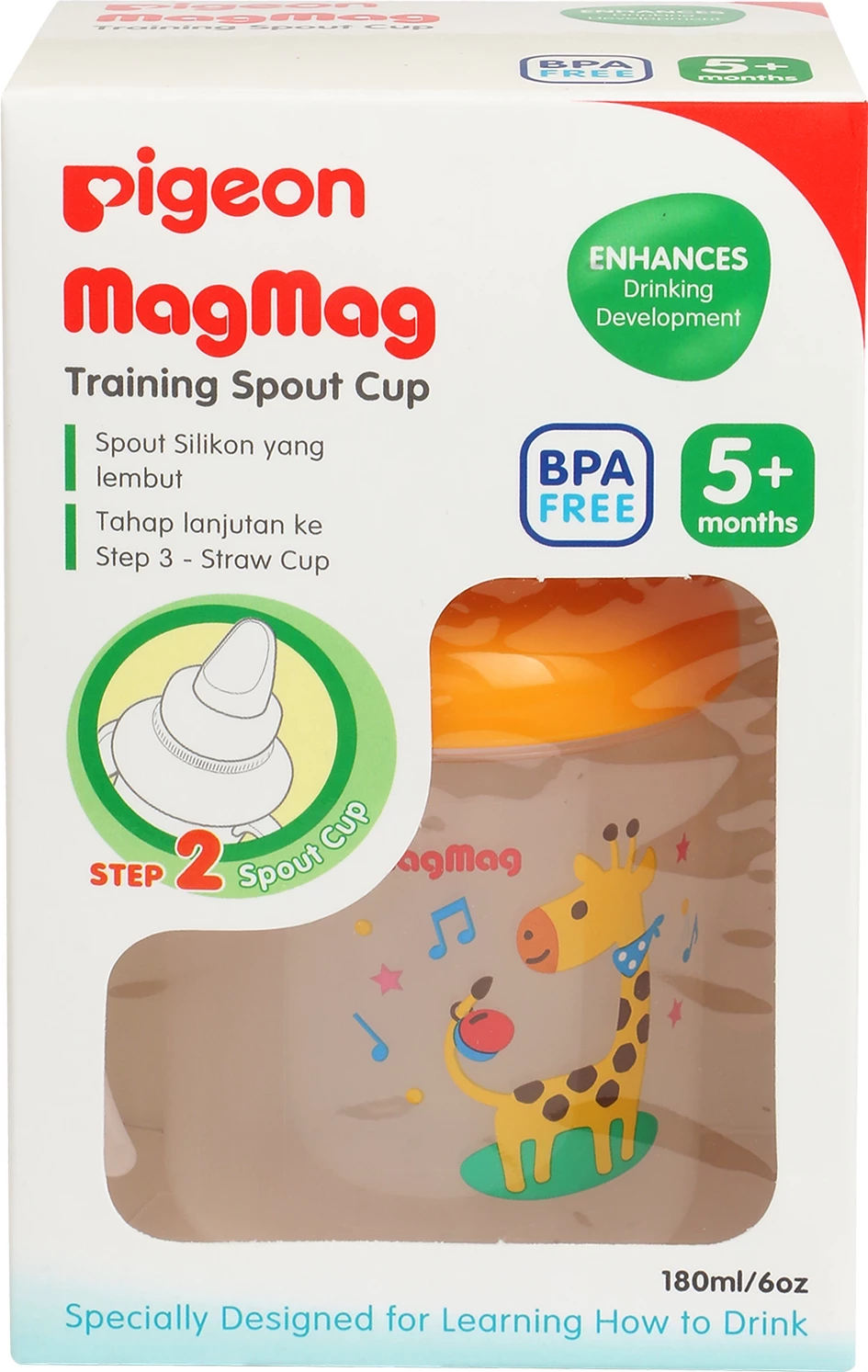
Pigeon Peach Spout Cup 200ml
- ✓ Soft spout reduces transition shock
- ✓ 200ml capacity, lightweight
- ✓ Easy to clean, dishwasher safe
* We earn a small commission — at no extra cost to you.
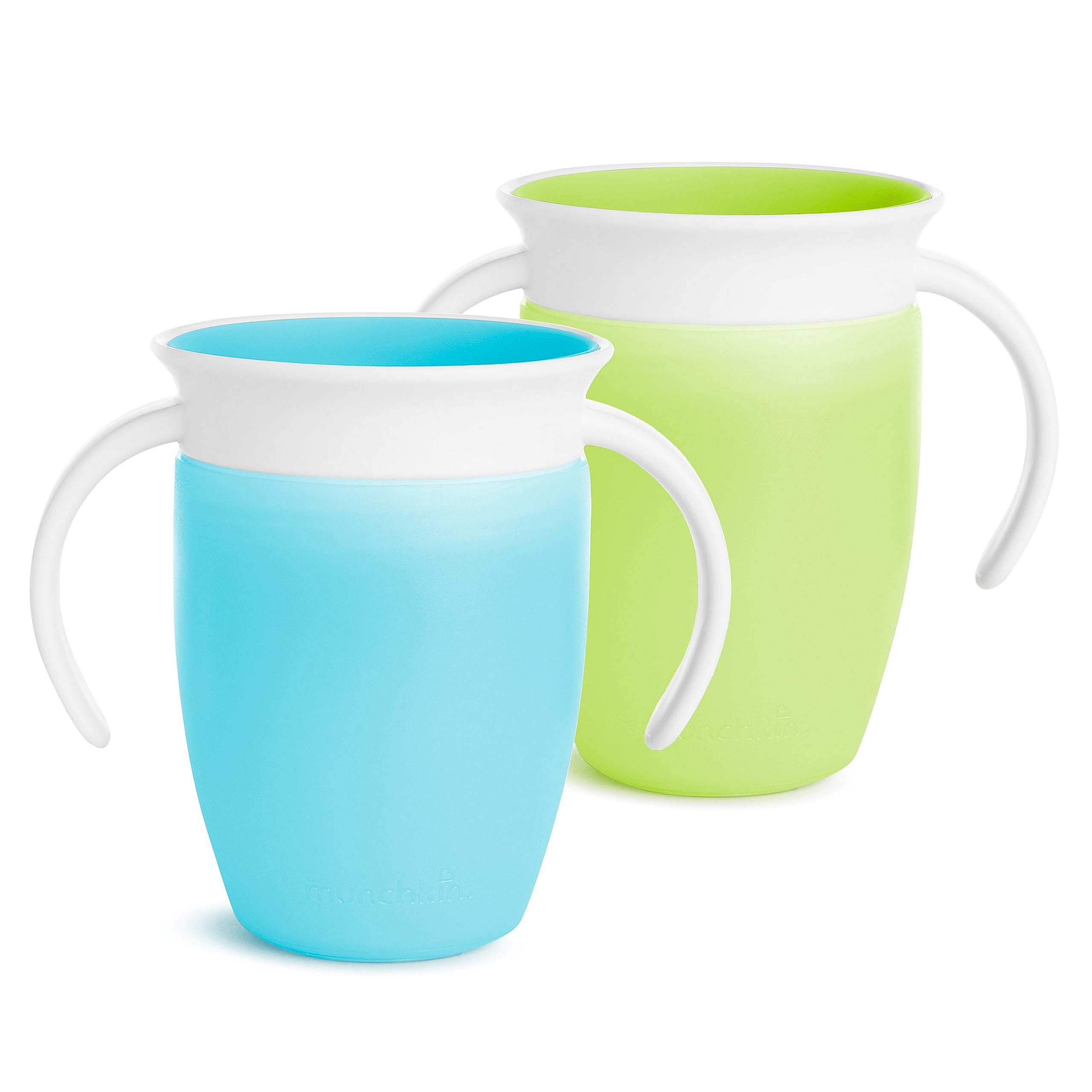
Munchkin Miracle 360 Sippy Cup 210ml
- ✓ 360-degree drinking surface, no spill valve
- ✓ Works like a regular cup for independent sipping
- ✓ BPA-free plastic
* We earn a small commission — at no extra cost to you.
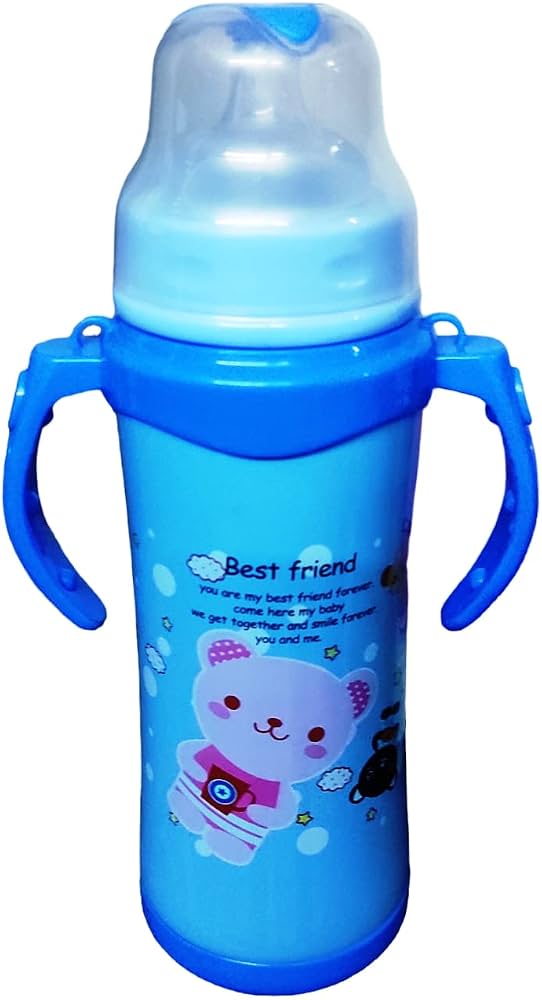
BabyGo Stainless Steel Sippy Cup 200ml
- ✓ Stainless steel, keeps water cool in heat
- ✓ Leak-proof design with soft silicone spout
- ✓ Lightweight, fits in diaper bag
* We earn a small commission — at no extra cost to you.
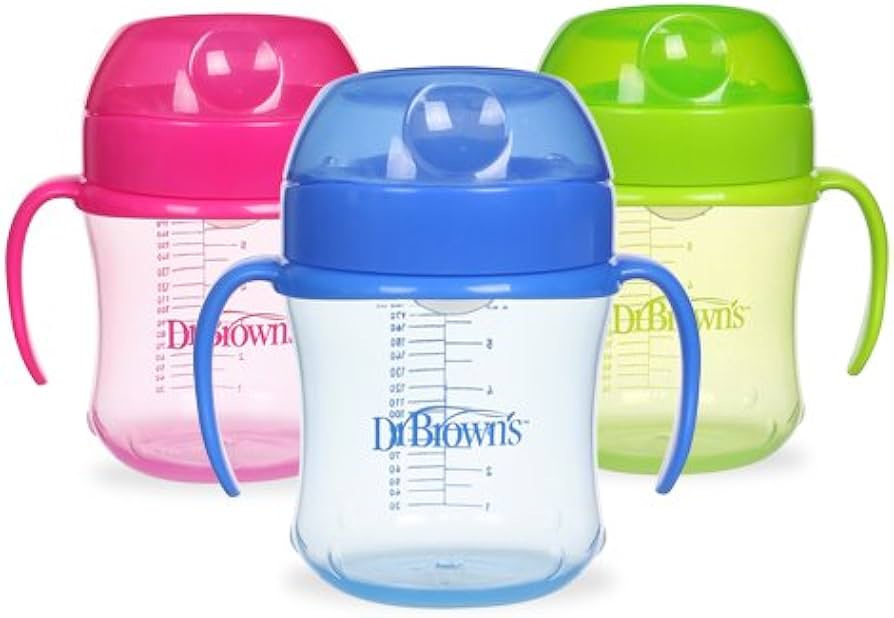
Dr. Brown's Soft Spout Training Cup 150ml
- ✓ Soft, flexible spout mimics bottle teat
- ✓ Gradual transition from bottle to cup
- ✓ Anti-collapse spout, no choking hazard
* We earn a small commission — at no extra cost to you.
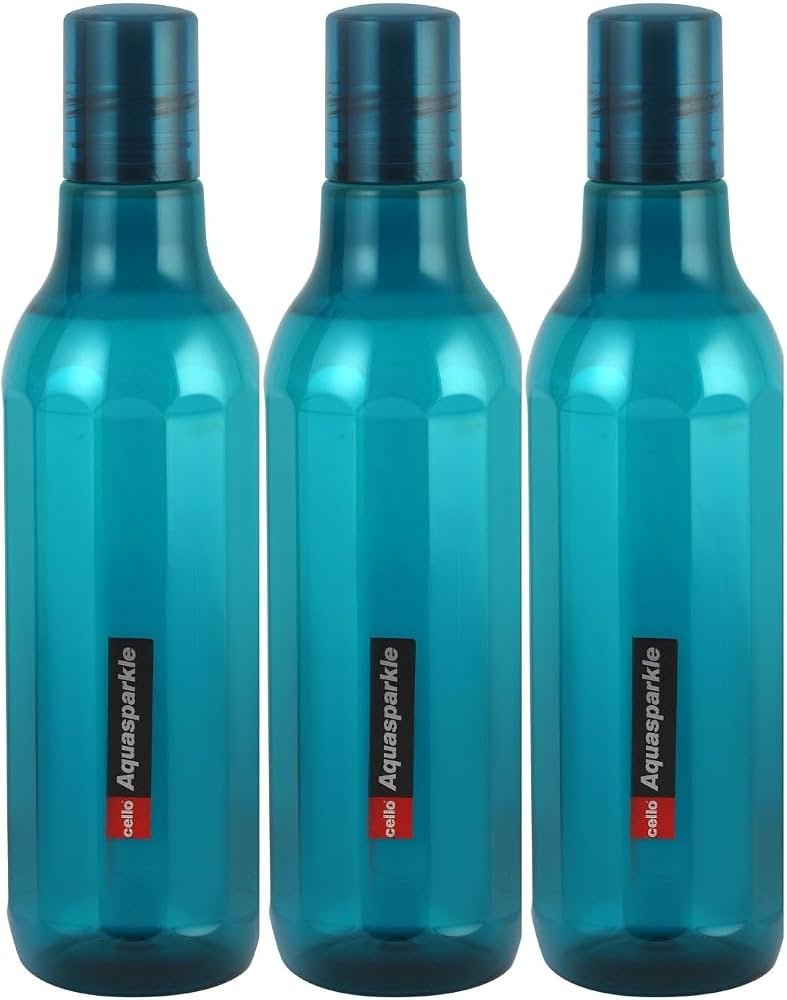
Cello Aqua Cool Bottle 500ml (Parent Use)
- ✓ Insulated design keeps water cool 8+ hours
- ✓ Easy for parents to refill baby's sippy cups
- ✓ Durable, BPA-free plastic
* We earn a small commission — at no extra cost to you.