
Baby Refuses Bland Food After Salt: Why It Happens & The Reset Plan
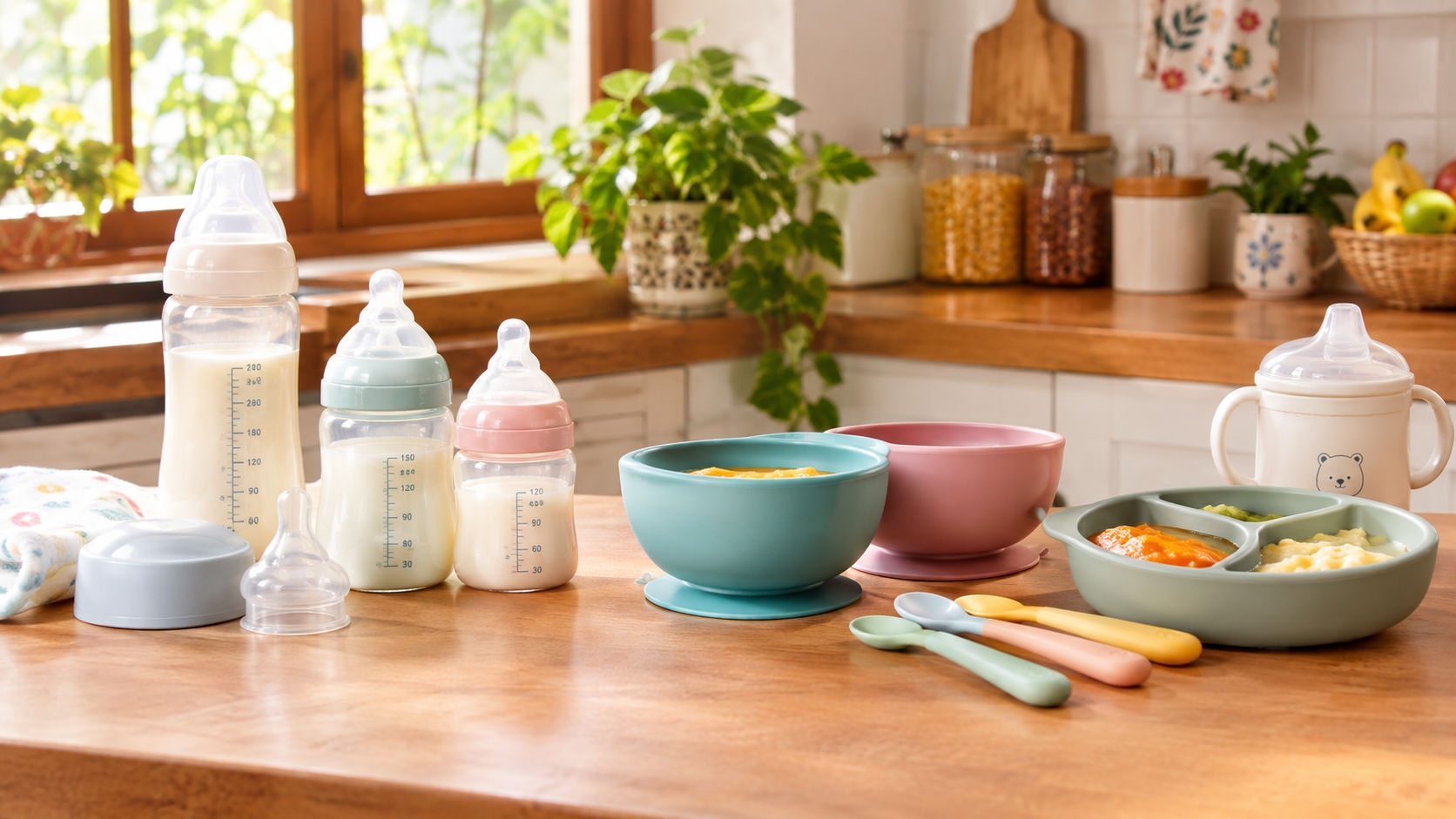
Once a baby tastes salt, their brain's reward pathway is activated, making bland foods taste boring by comparison. This is normal, not permanent. You can reset preferences in 4–6 weeks by gradually reintroducing salt in controlled amounts while maintaining patience and not force-feeding. The key is slow, consistent mixing rather than sudden switches.
If you've given your baby even a small taste of salted food—a spoonful of your curry, a lick of mild dal with salt—and now she refuses her plain khichdi or unsalted porridge, you're not alone. This is one of the most common feeding crossroads in Indian households, especially in joint families where well-meaning grandparents slip a taste of home-cooked food to the baby. The good news: it's reversible. The hard part: it takes patience, not punishment.
Why Babies Reject Bland Food After One Taste of Salt
When a baby tastes salt for the first time, her taste buds and brain respond more intensely than to bland food. Salt triggers the umami and salty taste receptors, activating the brain's reward pathway—the same system that responds to sweetness and fat. Plain dal, pumpkin, or ragi suddenly feel boring by comparison. This isn't stubbornness; it's neurology. Her palate has been introduced to a flavour intensity her bland baby food can't match. The younger the baby when exposed (say, 7–8 months instead of 10–11 months), the more pronounced this shift feels, because her taste memory is still forming.
IAP (Indian Academy of Pediatrics) recommends no added salt until after 12 months, not for taste preference, but because infant kidneys are still maturing and cannot process excess sodium efficiently. However, once salt has been introduced accidentally, the issue becomes behavioural rather than medical—she simply finds unsalted food less rewarding.
The Problem: Why Plain Food Now Tastes Boring
Here's what happens in a typical Pune or Mumbai household: a 9-month-old has been eating mild, unsalted khichdi for weeks. Then, during a family meal, dadi offers a tiny taste of the family dal, which is lightly salted. The baby likes it—she smiles, opens her mouth for more. That single exposure changes her expectation. The next day, her plain khichdi sits in the bowl untouched. She cries, turns her head, or spits it out. Parents panic and think: Should I add salt now? Will she starve? Is she being too picky? The answer is no, no, and no. But the solution requires retraining, not giving in.
The Week-by-Week Reset Plan: Gradual Desensitisation
The most effective method is not to remove salt entirely (which can feel like punishment and cause frustration), but to reintroduce plain foods very gradually alongside a tiny, measured amount of salt in the right ratio. This takes 4–6 weeks and works best when consistent.
Weeks 1–2: The Introduction Phase (1:100 Ratio)
Mix 1 pinch of salt into 100 spoonfuls of khichdi or dal. This is so faint your baby won't taste it, but her brain registers that food is slightly different. The goal is to stop the rejection reflex. Make no fuss—just offer it as normal. Most babies will eat without complaint at this ratio. If she refuses, wait 2–3 days and retry; hunger often overrides pickiness.
Weeks 3–4: The Consolidation Phase (1:50 Ratio)
Now increase to 1 pinch of salt per 50 spoonfuls. Her taste buds are adjusting. At this stage, many babies start treating plain food as acceptable again. Continue offering without commentary. If she still refuses, do not add more salt—this phase is designed to fail gently, teaching her that plain food is still food worth eating.
Weeks 5–6: The Stabilisation Phase (1:25 Ratio or as per IAP guidance)
By 12 months, as per WHO and IAP guidelines, a quarter-pinch to half-pinch of salt per small bowl (around 100ml) is acceptable for babies transitioning to family meals. At this ratio, food has flavour but is not oversalted. Most babies by this point will eat both this and unsalted options without complaint.
The Critical Rules for This Plan:
- Never rush the ratios. Each phase needs 10–14 days of consistency. If you jump to higher salt too early, you undo the retraining.
- Measure salt using a proper pinch (about 1/8 teaspoon), not a handful or guess. Use the same bowl, same spoon, for consistency.
- Prepare fresh daily or store in airtight containers to maintain texture and prevent mould growth.
- Never force-feed. Offer once, take it away if refused, and try again at the next meal. Pressure backfires.
- Involve only one primary caregiver during this period to avoid conflicting signals (e.g., dadi adding extra salt to "help").
Food Prep Tools That Help Preserve Natural Taste
The right equipment makes consistent, bland-to-salted transitions easier. A good food maker or blender ensures smooth texture (which babies find more acceptable than lumpy food) and doesn't introduce unwanted flavours through old, stained plastic or metal.
The Philips Avent 4-in-1 Blender and Steamer (around Rs. 5,500–6,000 on Amazon.in) is popular because it steams, blends, and reheats in the same jug—no transfer, no oxidation of nutrients. The stainless steel blade and glass bowl don't retain salt or spice flavours from previous batches, which matters when you're resetting palate preferences.
For budget-conscious families, the BabyBullet Compact Blender (Rs. 3,200–3,500) does similar work: single-serve containers, minimal fuss, and easy to clean. Both preserve the mild, natural taste of plain dal and pumpkin—important when you're asking your baby to accept food without strong umami cues.
If you prefer a versatile kitchen blender, the Inalsa Compact Mixer Grinder (Rs. 1,800–2,200) is affordable and reliable for making smooth khichdi purees. Just ensure it's cleaned thoroughly after use to remove salt residue from adult cooking.
A Real Scenario: The Pune Joint Family Reset
Priya's 8-month-old son, Arjun, had eaten unsalted mashed pumpkin and dal for 6 weeks without complaint. One Sunday, Priya's mother-in-law gave him a spoon of dal from the family pot (lightly salted). He ate it happily. By Tuesday, he rejected his plain porridge entirely—crying, turning his head, refusing milk as a top-up. Priya was frustrated; her mother-in-law said, "Just add a pinch, na—he's clearly ready." Instead, Priya involved her paediatrician, who recommended the gradual reset. She started by mixing a tiny amount of salt into his dal (Week 1 ratio). Her mother-in-law was skeptical but agreed to let Priya lead feeding times. By Week 3, Arjun was eating his dal again without fussing. By Week 5, he accepted both salted and unsalted versions without preference. At 12 months, he transitioned smoothly to family meals. The reset took 5 weeks, not 5 days, but it worked—and it prevented the power struggle that often follows forced feeding.
When to See a Doctor
If your baby refuses all food for more than 2–3 days, loses energy, has diarrhoea, or shows signs of dehydration (dry mouth, fewer wet nappies), consult your paediatrician immediately. Pickiness alone is not an emergency, but sudden loss of appetite across all foods warrants evaluation. This is general information, not medical advice.
What IAP and WHO Guidance Says
Salt timing: IAP recommends no added salt until 12 months; WHO aligns with this to protect infant kidney function during the critical first year. Transition: After 12 months, small amounts of salt (1/8 teaspoon per small meal) are appropriate as babies join family meals. Gradual exposure—rather than sudden introduction—helps prevent preference hijacking and teaches babies to enjoy a range of flavours.
Our Top Picks
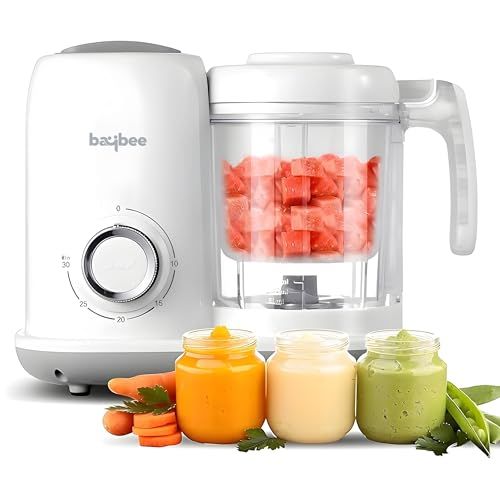
Philips Avent 4-in-1 Baby Food Maker and Steamer
- ✓ Steams, blends, and reheats in one jug
- ✓ Glass bowl (no BPA, easy to clean and doesn't retain flavour residue)
- ✓ Single-serve containers for portion control
* We earn a small commission — at no extra cost to you.

BabyBullet Compact Baby Food Maker and Blender
- ✓ Compact size, ideal for small kitchens
- ✓ Multiple single-serve cups for easy storage
- ✓ Steamer, blender, and cooker in one
* We earn a small commission — at no extra cost to you.

Inalsa Compact Mixer Grinder 750W
- ✓ Affordable, multi-purpose kitchen grinder
- ✓ Suitable for making smooth dal and khichdi purees
- ✓ Durable stainless steel blades
* We earn a small commission — at no extra cost to you.