
Baby Not Eating Solids at 7 Months? 6 Real Causes & Fixes That Work
Most 7-month-olds who refuse solids are reacting to texture, timing, or pressure—not hunger or readiness. Stop pushing, switch your approach (mashed instead of pureed, offer when fully alert, let them self-feed), and watch for real warning signs like weight loss or reduced wet diapers.
It's 2 am and your 7-month-old still hasn't eaten more than two spoonfuls of dal mash. Dadi is convinced it's hunger. Your mum-in-law says you're doing it wrong. The WhatsApp group suggests you start feeding "properly"—but every time you put food near your baby, they turn away or cry. You're terrified they're not growing. This is the moment when baby not eating solids at 7 months in India becomes a crisis in your head, even though it might not be one.
The truth that nobody tells you: refusing solids at 7 months is almost never a feeding problem. It's a texture problem, a timing problem, a pressure problem, or a confidence problem. And every single one has a fix that doesn't involve force-feeding or more guilt.
The Six Reasons Your 7-Month-Old Won't Eat
Texture Sensitivity (Most Common)
Your baby has spent six months with milk only—smooth, consistent, temperature-controlled. Now you're introducing moong dal mash, and the granules feel wrong. They gag. You interpret this as refusal. It's not. It's texture shock.
The fix: Start thinner than you think. If you're making dal mash with a spoon, try blending it first. If it's already blended, thin it with a little expressed milk or warm water until it's closer to yoghurt consistency. Offer mashed ragi porridge (which is naturally smooth) before chunky khichdi. Let your baby's mouth adjust for 2–3 weeks before moving to thicker textures. This is not going backward; this is building tolerance.
Timing: Your Baby Isn't Actually Awake
You offer solids after a feed, when your baby is droopy and content. Their eyes are half-closed. You're surprised they won't eat. Of course they won't—they're ready to sleep, not explore new food.
Paediatricians recommend offering solids when your baby is alert and interested, usually 1–2 hours after a milk feed (not immediately after, not during). In Indian homes, this often means mid-morning or late afternoon, when babies are naturally most awake and curious. If your routine has solids at 6 pm when your baby is tired, shift it to 10 am and watch the difference.
Utensil Fear or Loss of Control
You're holding the spoon, controlling the pace, deciding how much goes in. Your 7-month-old hates it. They're developmentally at the stage where they want to grab, explore, and put things in their mouth themselves. A spoon in your hand = loss of control = resistance.
The fix: Offer a second spoon to your baby while you feed with a first spoon, or simply offer soft pieces of food (ragi cake, mashed pumpkin, soft paneer crumbs) on their high chair tray and let them pick it up. Yes, it's messier. Yes, most of it goes on the floor. But this is how babies learn to self-feed and build confidence with solids. Within 1–2 weeks, many babies who refused spoon-fed food eat enthusiastically when they're in control.
Taste Monotony
You've been offering the same moong dal for a week. Your baby is bored. You think it's refusal; it's rejection of boredom.
Rotate textures and tastes: moong dal one day, ragi porridge the next, mashed pumpkin on day three, mashed chikoo on day four, khichdi on day five. Each has a different taste and texture profile. You'll usually find your baby eats one or two flavours eagerly while rejecting others—that's normal preference, not a problem. Keep offering the rejected ones occasionally (babies take 10–15 exposures to accept new tastes), but prioritise the ones they eat.
Pressure and Force-Feeding Backfires
Everyone around you is commenting. "Why isn't your baby eating?" "Babies at 7 months should eat three meals." "You're not feeding enough." You tense up. Your baby feels it. You unconsciously start insisting, coaxing, or gently pushing the spoon in despite your baby's cues. Your baby associates solids with pressure and refuses harder.
What paediatricians say: The IAP (Indian Academy of Pediatrics) recommends the division of responsibility—you decide what, when, and where food is offered; your baby decides whether and how much. The moment you override "whether," eating becomes a power struggle. Most babies who refuse solids after pressure will start eating voluntarily within 5–7 days if you completely stop pushing and simply offer food without expectation.
Feeding Setup Mismatch
You're trying to feed your baby in your lap, which is how joint families often do it. But your baby can't see the food clearly, can't grab it if they want to, and is in a position that feels vulnerable. Or your high chair is wobbly, and your baby doesn't feel secure.
The fix: Invest in a basic high chair (Ikea's Antilop is under Rs. 1,500 and used across Delhi, Mumbai, and Bengaluru). Even budget high chairs from Amazon.in cost Rs. 1,200–2,000 and give your baby a stable, elevated, independent eating position. Many babies refuse solids from laps but eat cheerfully from a proper seat. If a high chair isn't possible, at least ensure your baby is upright, secure, and can see the food.
When to Worry: The Real Warning Signs
Refusing solids at 7 months is almost always behavioural. But here's what actually matters: Is your baby growing and hydrated? Check these three things:
- Weight: Has your baby gained weight since the last check-up? A drop or stall (no gain for 3+ weeks) combined with refusal to eat is worth a paediatrician visit.
- Wet diapers: Is your baby still wetting 6+ diapers daily? If wet diapers are dropping, that's dehydration, which is a real concern.
- Milk intake: Is your baby still taking regular breastfeeds or formula? Solids are a supplement at 7 months, not the main meal. As long as milk is going in, a few weeks of minimal solids won't hurt.
If all three are normal, your baby is fine. You're dealing with a texture, timing, or behavioural issue—not a medical one. If weight is dropping or wet diapers are fewer, call your paediatrician before trying home fixes.
The Indian Joint Family Feeding Reality
In Indian homes, feeding advice comes from four directions: your mother, your mother-in-law, the paediatrician, and the aunty next door. It's chaos. One person insists your baby should eat rice, another insists on only dal, someone else is certain the room is too cold and that's why the baby won't eat. Your baby senses the uncertainty and eats less.
Here's what actually helps: Agree with one caregiver (usually the primary parent) on a simple 2-week experiment. Pick one timing (say, 10 am), one texture (thin mashed dal), and one feeding approach (let baby self-feed or use a spoon, consistently). Don't change it for 14 days. Reduce commentary from others. Most babies show marked improvement within this window because the routine becomes predictable and pressure drops.
What Paediatricians Say
- IAP recommends introducing solids at 6 months, but acceptance builds gradually over weeks—not days. Refusal at 7 months is developmentally normal and almost always reversible with technique change.
- Dehydration and weight loss are red flags; refusing solids alone, with normal growth and wet diapers, is not. Most babies who "refuse" solids at 7 months are eating adequately from milk and just need a different approach to semi-solid foods.
Our Top Picks
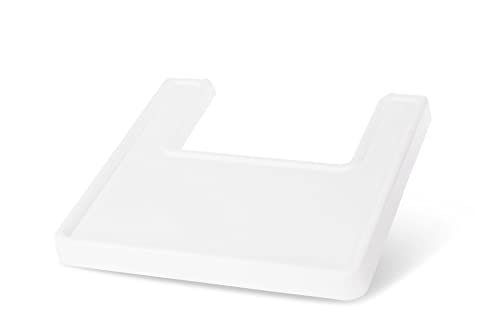
Ikea Antilop High Chair with Tray
- ✓ Lightweight and portable
- ✓ Easy to clean removable tray
- ✓ Adjustable height positions
* We earn a small commission — at no extra cost to you.
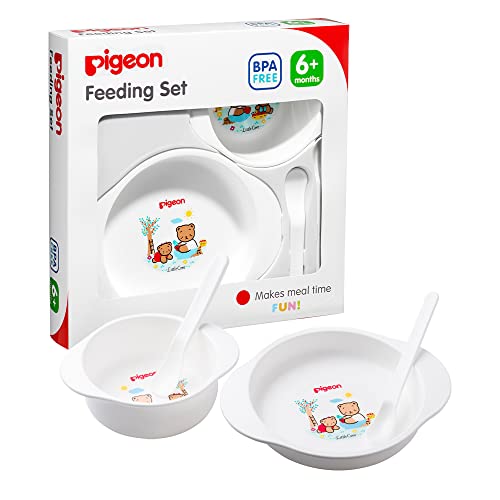
Pigeon Feeding Bowl with Spoon Set
- ✓ BPA-free plastic
- ✓ Non-slip base
- ✓ Soft spoon safe for gums
* We earn a small commission — at no extra cost to you.
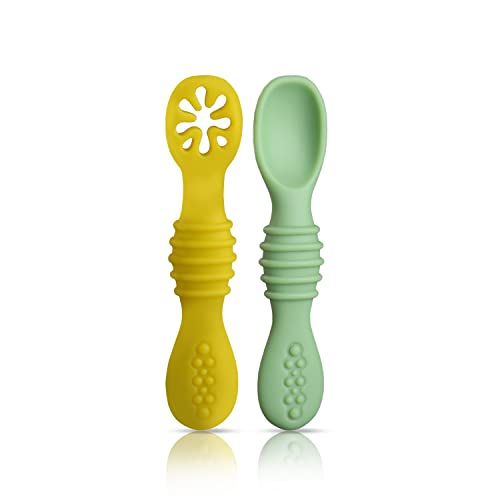
Nuby Self-Feeding Spoon Set (Pack of 3)
- ✓ Ergonomic grip for baby hands
- ✓ Soft silicone spoon head
- ✓ Easy to grip and chew
* We earn a small commission — at no extra cost to you.