
Baby Proofing Washing Machine Area: Room-by-Room Checklist for 8-18 Month Crawlers in India

Baby proofing a washing machine area means securing the machine door with a child lock, storing detergent pods and chemicals in high cabinets above crawling reach (minimum 4-5 feet high), covering electrical sockets, and isolating drain hoses. In India, also store buckets, phenyl, Dettol, and cleaning liquids locked away, ensure dryer vents are sealed, and maintain ventilation to prevent monsoon mold that attracts babies to damp corners.
The washing machine area is one of the most overlooked hazard zones in Indian homes with crawling babies. Between 8 and 18 months, babies pull themselves up on furniture, investigate small objects, and taste anything within arm's reach. Unlike kitchens or bathrooms where parents naturally stay alert, laundry areas—often tucked into corners of balconies, bathrooms, or utility rooms—become forgotten safety blind spots. A curious 10-month-old can open a front-loader door, pull a drain plug, or reach a shelf of cleaning bottles faster than you'd think. This checklist covers every danger in that space, plus the Indian-specific risks most guides miss: bucket hazards, phenyl storage, monsoon mold prevention, and balcony-washing setups.
The Essential Baby Proofing Washing Machine Checklist for Crawlers
- Front-Loader Door Lock (or Dryer Door Lock) — Install a child safety lock that prevents babies from opening the door during or after cycles. The lock must be accessible only from the adult side. Why: A 12-month-old can pull a front-loader door open mid-cycle and be face-to-face with wet laundry, detergent residue, or hot water pooling at the bottom. Even post-cycle, the door seal harbors mold and bacteria babies might lick.
- Detergent Pod & Liquid Storage in High Cabinets — Move all detergent pods, washing machine liquids, and fabric softeners to a locked cabinet at least 4–5 feet high. Pods are especially dangerous because babies mistake them for toys or candy. Why: Liquid detergent and concentrated pods can cause chemical burns to lips, mouth, and throat if ingested, even in small amounts. Indian mothers often keep bottles on low shelves while loading/unloading—a 10-month-old crawler can access these in seconds.
- Drain Hose Isolation — Secure the drain hose with clips so it doesn't dangle at baby's eye level. Ideally, tuck it behind the machine or into a wall-mounted conduit. Why: Drain hoses can spray dirty water or harbor mold. Babies pull hoses, chew on them, and ingest water or debris. In monsoon months, hoses are a common mold-growth site.
- Electrical Socket Covers — Install tamper-proof socket covers on any outlets near the washing machine or dryer. Standard plug-in covers (not push-to-insert) are less effective because crawlers learn to remove them. Why: Wet fingers + electrical socket = severe risk. Laundry areas are humid, increasing electrical hazards.
- Bucket & Water Container Lockdown — In Indian homes, buckets for hand-washing clothes, rainwater collection, or emergency water storage are often left near washing machines. Lock these away or store upside-down. Why: A 9-month-old can drown in as little as 2 inches of water. Even a half-filled bucket is a drowning hazard. This is the #1 preventable water-related death risk in Indian homes with toddlers.
- Phenyl, Dettol & Chemical Storage — Never store floor cleaning liquids, phenyl, or disinfectants on open shelves in laundry areas. Use a locked cabinet away from the washing area. Label all containers clearly. Why: In India, phenyl and Dettol are ubiquitous in laundry areas and bathrooms. Even small sips cause poisoning. IAP guidelines warn that phenol-based cleaners are among the top 10 ingestion risks in 6-18 month babies.
- Outlet Covers for Hot Water Connections — If you have a water heater or hot-water outlet near the machine, insulate the outlet or install a guard. Why: Crawling babies pull on anything protruding at their height. Hot water can cause immediate scalding.
- Cord & Cable Management — Secure all power cords, hose connections, and cables with clips or conduit so they don't hang loose. Why: Dangling cords look like toys to crawlers. Babies pull them, and machines can fall or electrocute.
- Ventilation & Mold Prevention — Install or maintain exhaust fans in laundry areas. Run fans during and 15 minutes after each wash cycle. Ensure the dryer vent is sealed and not leaking moisture into the room. Why: Monsoon mold in laundry corners attracts crawlers who lick damp walls and inhale mold spores. IAP notes that mold exposure in infancy increases asthma risk by 40%.
- Non-Slip Flooring or Rugs — Laundry areas are slippery when wet. Use non-slip mats or rugs to prevent crawlers from sliding into machines. Why: A baby crawling on a wet floor can slide under or into the machine area, or knock over the machine itself if it's not anchored.
Indian-Specific Washing Area Hazards Most Parents Miss
Balcony Washing Setups: In Mumbai, Delhi, Bengaluru, and other Tier 1 cities, many families wash clothes on balconies or verandas. If your washing machine or manual setup is on a balcony, install a safety gate at the balcony entrance so crawlers cannot access the edge. Use guardrails that meet BIS standards (minimum 90cm height for balconies). Drain hoses hanging over balconies attract babies—secure them completely out of reach.
Monsoon Mold & Moisture: Between June and September, laundry areas develop rapid mold growth. Use a dehumidifier or leave a desiccant (silica packs) in the room. Clean drain hoses monthly with a dilute bleach solution (never phenyl). Babies aged 8-18 months put fingers and mouths on damp walls and hoses, leading to respiratory infections and gastric upsets.
Bucket Drowning Risk: A real story from a Jaipur parent: while folding clothes, she filled a bucket with water for mopping. Her 11-month-old crawled behind her and leaned into the bucket. She heard the splash in time. According to WHO data, drowning is the leading cause of unintentional injury death in Indian children aged 1-14. Home water containers are the #1 source in the 0-3 age group.
Phenyl & Chemical Confusion: In many Indian homes, phenyl bottles are stored right next to detergent bottles on low shelves. Crawlers cannot distinguish—they pull both bottles. Even 1-2 teaspoons of phenol-based cleaner (standard phenyl concentration is 4-5%) can cause vomiting, diarrhea, and chemical burns in a 10-month-old. Dettol, while less concentrated, is still toxic in ingestion amounts.
What Paediatricians Say
The Indian Academy of Pediatrics (IAP) emphasizes that the 8-18 month period is peak "reach and grab" development—babies triple their ability to pull themselves upright and explore. Chemical ingestion and drowning are the two leading preventable injuries in this age group at home. Key facts: Detergent pods cause 3x more severe poisoning outcomes than liquid detergent. Unsupervised access to buckets, wells, or water containers accounts for 30-40% of preventable deaths in rural Indian homes and 15% in urban homes.
Real Parent Mistakes to Avoid
Mistake 1: "My child won't go in the laundry area." Babies are drawn to machines because of sounds, lights, and unfamiliar textures. Never assume avoidance. Lock it anyway.
Mistake 2: Detergent pods in a drawer below the washing machine. Many homes keep pods in a low drawer for "convenience." By 14 months, babies learn to open drawers. Move pods to a high, locked cabinet immediately.
Mistake 3: Leaving the machine door open between cycles. Drain hoses, lint traps, and residual detergent are all accessible. Always close and lock the door.
Mistake 4: "Monsoon only" attitude to ventilation. Run exhaust fans year-round in humid climates like coastal India. Mold grows even in dry seasons if ventilation is poor.
Mistake 5: Using baby gates instead of locks for chemical cabinets. Gates are for doorways. Chemicals need locked cabinets. A 16-month-old can climb over gates or squeeze through.
Product Recommendations for Your Washing Area
Several tried-and-tested products from Amazon.in can help secure your laundry space. Safety 1st door locks (around Rs. 350) work on front-loaders and are available in most Indian cities. Electrical socket covers (Rs. 150 for 10-packs) from trusted brands like Syga or Cozy Castle are durable in humid environments. For drain hose clips, stainless steel cable organizers (Rs. 200-400) are better than plastic clips that degrade in moisture. Monsoon-specific: grab a small dehumidifier (Rs. 2,000-4,000) or silica desiccant packs to control moisture in enclosed laundry areas.
Baby proofing your washing machine area is not optional—it's a critical part of home safety for 8-18 month crawlers. Start with the door lock and chemical storage, then work through the checklist room-by-room. In India's humid climate and multi-use home spaces, the washing area is often forgotten until an accident reminds parents. Don't let that be you.
Our Top Picks
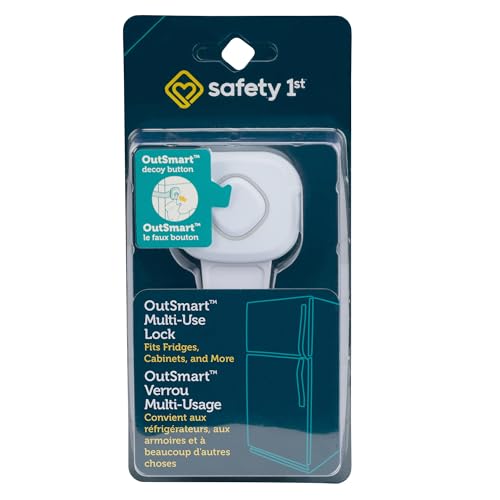
Safety 1st Multi-Use Door Lock
- ✓ Fits most front-loader and appliance doors
- ✓ Easy one-hand operation for adults
- ✓ Durable plastic and metal construction
* We earn a small commission — at no extra cost to you.
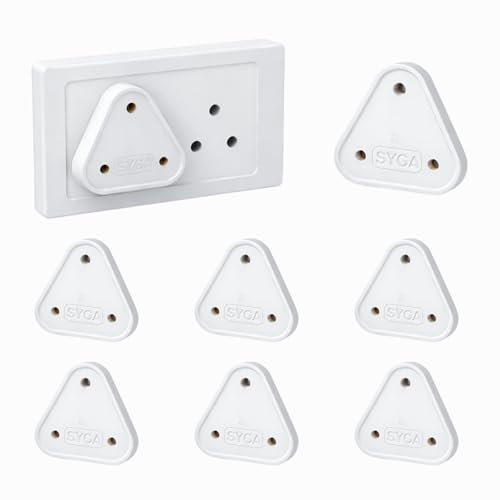
Syga Electrical Socket Covers (10-Pack)
- ✓ Tamper-resistant design for 8-18 month crawlers
- ✓ BIS certified, moisture-resistant for humid areas
- ✓ Fits standard Indian three-pin sockets
* We earn a small commission — at no extra cost to you.
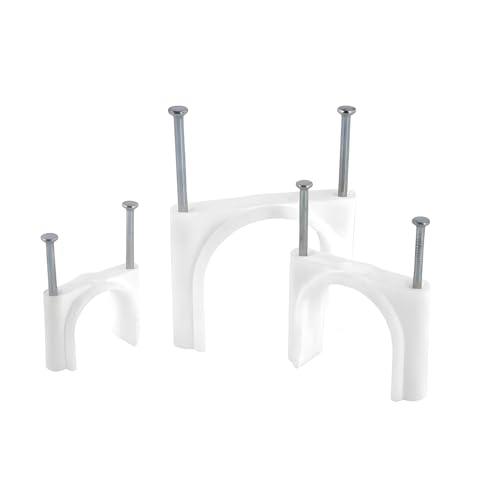
Cozy Castle Stainless Steel Cable Clips (Pack of 8)
- ✓ Rust-proof for monsoon use
- ✓ Secures drain hoses and cords
- ✓ Non-slip grip, tool-free installation
* We earn a small commission — at no extra cost to you.
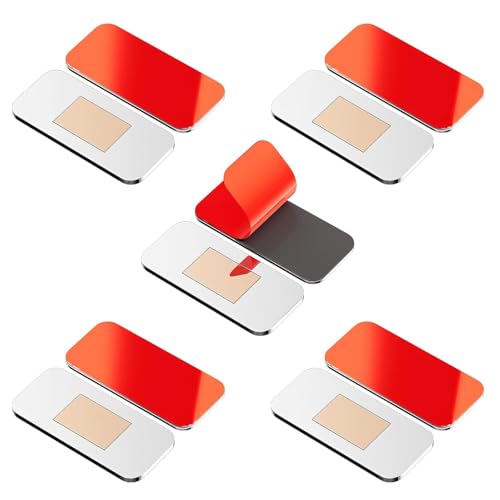
Magnetic Cabinet Lock (10-Pack with Keys)
- ✓ Locks cabinets containing detergent and chemicals
- ✓ Key-based, not push-lock (safer from toddlers)
- ✓ Universal fit on cabinet doors
* We earn a small commission — at no extra cost to you.
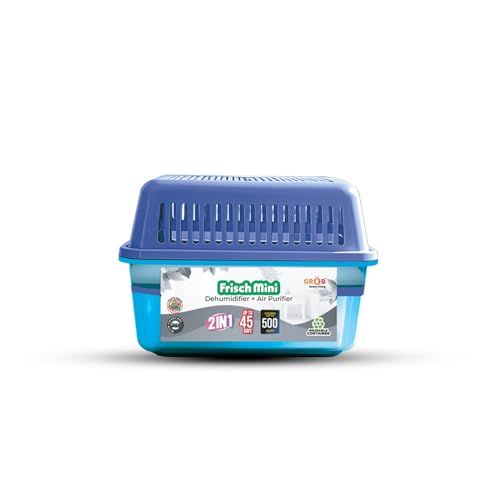
Eureka Forbes Dehumidifier 750ml (for Monsoon Laundry Areas)
- ✓ Prevents mold growth in humid laundry areas
- ✓ Compact, energy-efficient design
- ✓ Capacity: 750ml per refill, replaceable cartridges
* We earn a small commission — at no extra cost to you.