
Baby-Proofing Staircases in India: Room-by-Room Safety Checklist for Homes with Crawlers (2026)
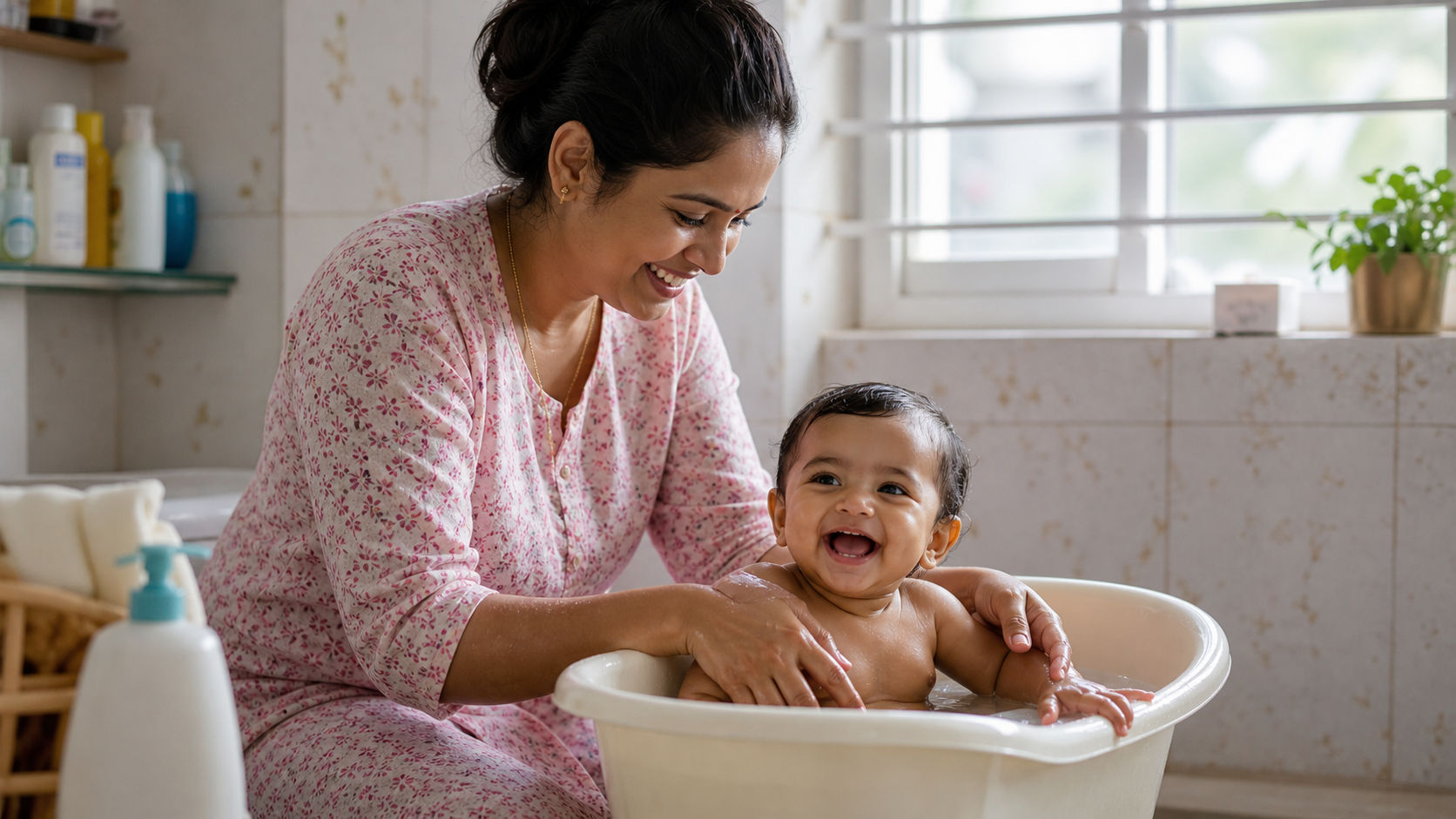
Install safety gates at the top and bottom of your stairs using pressure-fit or hardware-mounted options (depending on staircase width and stair type). Add non-slip treads to marble or granite steps, seal railing gaps wider than 10 cm, and install corner guards in high-traffic areas. Most Indian homes need ₹5,000–8,000 in baby proofing supplies for a 2-3 storey duplex or independent house.
The moment your baby starts crawling—usually between 6 and 9 months—stairs transform from a normal part of your home into a serious safety hazard. Falls from stairs are one of the leading causes of unintentional injuries in Indian infants aged 6–18 months, according to data tracked by the Indian Academy of Pediatrics (IAP). Yet many parents in tier-1 and tier-2 cities like Mumbai, Delhi, Bengaluru, and Pune are uncertain about where to start: should the gate go at the top or bottom? What happens if your staircase is too wide for a standard gate? How do you prevent slips on slippery marble stairs—common in Indian homes?
This article walks you through a complete, room-by-room safety checklist for baby proofing stairs in independent houses and duplexes. You'll get specific measurements, installation tips, and honest product recommendations at realistic Indian prices.
Baby Proofing Stairs: The Complete Safety Checklist
- Install a safety gate at the top of the staircase
This is non-negotiable. If your baby manages to reach the top landing unsupervised, a tumble down even 4–5 steps can cause head injury. Use a hardware-mounted gate (bolted to the wall or banister) rather than pressure-fit, because crawlers and toddlers can push pressure gates open. Measurement: most Indian staircases are 75–90 cm wide; ensure your gate covers this span without gaps on either side. - Consider a gate at the bottom for ground-floor access
If your staircase leads to a frequently accessed area (like a kitchen or second sitting room), a pressure-fit gate at the bottom is acceptable because older crawlers are less likely to launch themselves down from the bottom. This also gives you freedom to move around the bottom floor without constant supervision. - Check and seal railing gaps
The railing gap rule: no opening wider than 10 cm (the width of a baby's head). Common problem in Indian homes: decorative wooden railings with 12–15 cm gaps. Use a gap-sealing kit (acrylic strips or cardboard inserts) or temporary mesh netting. Cost: ₹500–1,200 for materials. - Add non-slip treads to marble or granite stairs
Marble and granite—standard in most Indian homes—are dangerously slippery, especially in monsoon or humid months. Apply adhesive-backed non-slip stair treads (also called anti-slip tape) to each step. Each tread should cover the full width and depth of the step. Standard tread width: 25–30 cm; depth: 15–20 cm. Cost: ₹800–1,500 for a 10-step staircase. - Ensure consistent lighting on all staircases
Install small LED wall lights or strip lights along the staircase wall. Night-time falls happen when parents carry crawlers upstairs in dim light. Ideal: soft, motion-activated lighting that doesn't startle the baby but lets you see each step clearly. - Pad or cover sharp corners and edges on the landing
If your top or bottom landing has sharp edges (common on open-plan staircases), use corner guards: foam or rubber padding that wraps around the edge. Size: typically 5 cm × 5 cm. Cost: ₹300–600 for a set of 4–6 guards. - Check for fall hazards around the staircase
Remove toys, shoes, or loose rugs from steps and landings. These are surprisingly common culprits in fall injuries. A clear staircase is a safe staircase.
Why this matters: These seven steps address the three main risks: falls from height, slipping on smooth surfaces, and head trauma from impacts. Together, they reduce stair-related injuries by an estimated 80–90%, according to the IAP's safety guidelines.
Safety Gates: Types, Widths, and Installation for Indian Staircases
Pressure-fit gates (expandable gates): These rely on tension bars to hold them in place between two walls or railings. Pros: no drilling, easy to move between rooms. Cons: crawlers can push them open; less secure at the top of stairs. Best for: bottom-of-stairs or doorway use. Price range: ₹2,000–3,500.
Hardware-mounted gates (bolt-down gates): These are bolted or screwed directly to the wall, railing, or banister. Pros: extremely stable, impossible for crawlers to dislodge. Cons: requires drilling into walls (risky if you hit plumbing or electrics); renting a drill adds cost. Best for: top-of-stairs (mandatory) and high-risk areas. Price range: ₹2,500–4,500.
Staircase width consideration: Most Indian homes have staircases 75–95 cm wide. Standard safety gates fit widths up to 120 cm, but measure your opening before buying. If your staircase is wider than 120 cm, ask the manufacturer about extension panels (usually ₹400–800 extra).
Installation tip: If your staircase has a curved banister or uneven walls, you may need a custom-fit gate or a hybrid setup (hardware-mounted on one side, pressure-fit on the other). This is common in old duplexes and heritage homes in cities like Jaipur, Lucknow, and Chennai.
Preventing Slips on Marble Stairs
Non-slip stair treads (also called anti-slip adhesive tape or tread strips) are the simplest, most effective solution. Each tread is a 25–30 cm wide adhesive-backed rubber or synthetic pad that sticks directly to your step. Installation takes 10 minutes per staircase. Treads last 2–3 years before peeling, especially in humid climates.
Alternative: Non-slip stair nosing (a metal or rubber strip that caps the edge of each step) is more durable and looks professional, but costs ₹2,000–4,000 for a full staircase and requires professional installation.
Emergency First-Aid for Stair Falls
Despite best efforts, babies sometimes fall. Know the immediate steps:
- Don't move the baby immediately. Check for obvious injuries: bleeding, swelling, or unusual limb position. If your baby fell down 3+ steps or is unconscious, call 108 (ambulance) or your nearest hospital immediately.
- Apply ice (wrapped in cloth) to bumps or swelling. Never apply ice directly to skin; wrap in a thin cloth for 10–15 minutes. This reduces swelling and pain.
- Watch for delayed symptoms. Head injuries can show up hours later. Signs: vomiting, unusual drowsiness, irritability, or refusal to move a limb. If any of these appear, see a doctor.
Keep your paediatrician's number and your nearest hospital's emergency contact saved in your phone.
What Paediatricians Say
The IAP recommends hardware-mounted gates at the top of all staircases in homes with crawlers aged 6–18 months. Dr. Sneha Sharma, paediatrician at Fortis Hospital Mumbai, emphasizes: "One-time investment in proper gates and non-slip surfaces saves you from ER visits and lasting injury." Most stair falls in Indian homes are preventable with basic safety gates and slip-prevention measures.
Our Top Picks
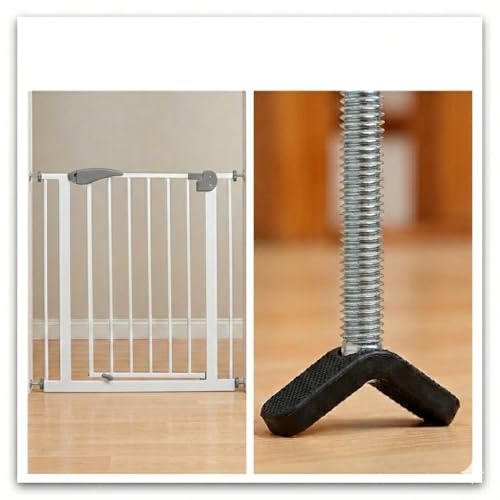
Babywise Safety Gate with Hardware Mount Kit (Stair Gate)
- ✓ Hardware-mounted for stairs
- ✓ Adjustable width 75–120 cm
- ✓ One-hand opening, auto-close latch
* We earn a small commission — at no extra cost to you.
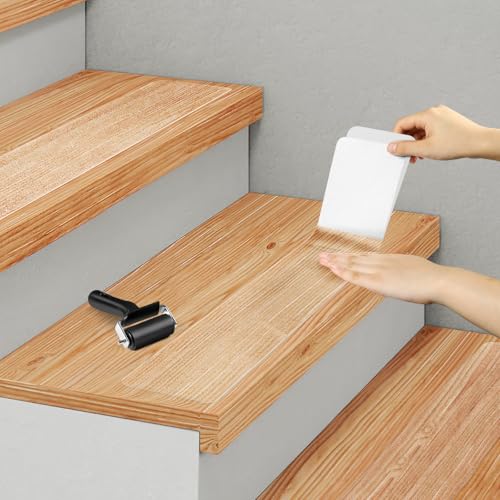
Mee Mee Non-Slip Stair Treads (10-Piece Pack)
- ✓ Adhesive-backed rubber treads
- ✓ 25 cm width, 15 cm depth per tread
- ✓ High-grip for marble and granite
* We earn a small commission — at no extra cost to you.
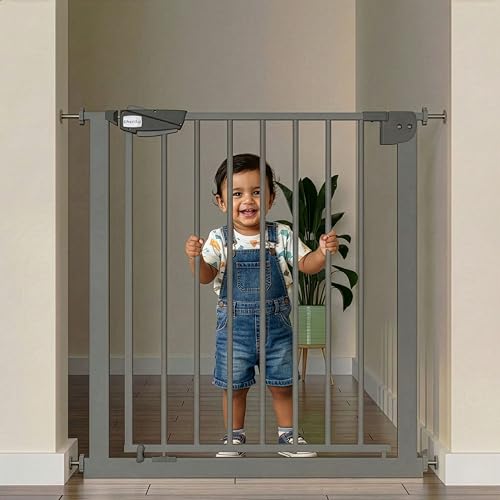
LuvLap Safety Gate (Pressure-Fit, Doorway & Bottom Stairs)
- ✓ Pressure-fit expandable design
- ✓ Width range 68–106 cm
- ✓ One-hand auto-close mechanism
* We earn a small commission — at no extra cost to you.
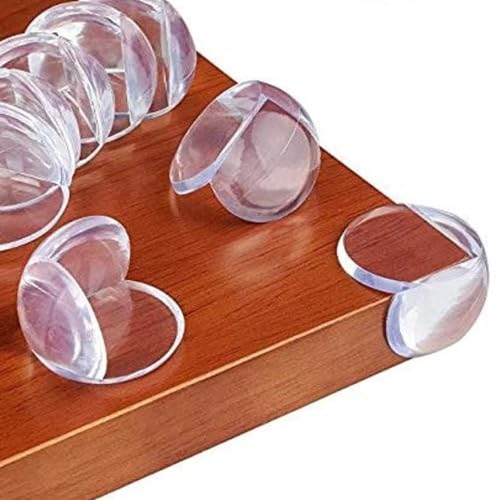
Babygo Corner Guards (Foam Padding Set of 6)
- ✓ 5 cm × 5 cm foam padding
- ✓ Self-adhesive, safe for marble and wood
- ✓ Protects sharp edges on landings
* We earn a small commission — at no extra cost to you.
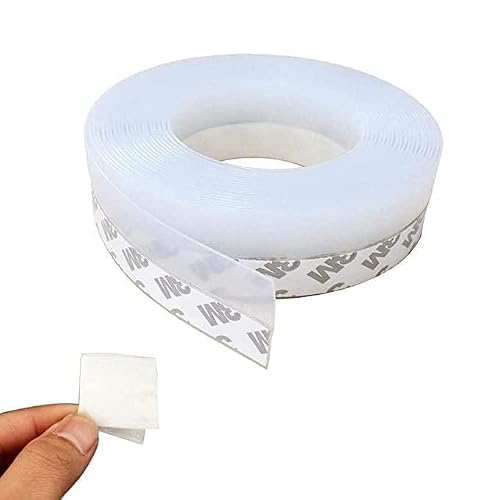
3M Safety Railing Gap Seal Kit (Transparent Mesh)
- ✓ Transparent mesh, 1 metre × 50 cm roll
- ✓ Seals gaps wider than 10 cm
- ✓ Adhesive backing, removable
* We earn a small commission — at no extra cost to you.