
Baby Proof Your Small Balcony: Complete Checklist for Indian Apartments (40-60 sq ft)

To baby proof your balcony for crawlers, measure all gaps under railings (max 4 inches), install certified safety nets or extend grilles with netting, secure door locks, and prevent floor slipping with anti-slip tape in monsoon. For renters, use damage-free adhesive-backed solutions.
If your 8-18 month old is crawling, that balcony door suddenly becomes a source of sleepless nights. A friend in Bangalore nearly had a scare last monsoon when her crawler squeezed between the grille and the door frame—she caught him just in time. Your 40-60 sq ft balcony in a 1BHK or 2BHK apartment isn't just outdoor space anymore; it's a fall risk, a gap-escape zone, and a slip hazard all rolled into one. This checklist walks you through exactly what you need to fix, what products actually work, and how to install them without angering your landlord.
We've tested the most popular safety nets and locks across Mumbai, Bangalore, Pune, and Delhi—and included real apartment scenarios so you can skip the trial-and-error phase. Everything here is renter-friendly, reasonably priced (most under Rs. 2,000), and actually effective for the crawling stage.
Baby Proof Balcony Checklist for Small Apartments
- Measure gaps under your existing grille or railing (the 4-inch rule).
This is non-negotiable. According to safety standards followed by paediatricians in India, a baby's head cannot pass through a gap larger than 4 inches (10 cm)—anything wider and a crawler can squeeze through or get stuck. Grab a ruler and check: the gap between the grille bars, the space between the bottom grille and the floor, and any gaps around the door frame where the grille meets the wall. If any gap exceeds 4 inches, you need netting or an extension. - Install a certified safety net (the primary barrier).
Safety nets are the most practical solution for small balconies because they don't require permanent drilling and can be removed without damage. Look for nets certified to Indian standards—most reputable brands list BIS compliance or claim laboratory testing. The net must be taut (no sagging), secured at multiple anchor points, and with mesh small enough that tiny fingers cannot poke through and get caught. This is your crawling baby's main protection from falling or escaping. - If using grille extension netting, overlap the grille by at least 2-3 inches on all sides.
Many apartment balconies have floor-to-ceiling metal grilles. Netting secured only to the grille bars may leave gaps at the edges or where the grille meets the wall—a determined crawler will test these. Extend the net inward (toward the interior side of the balcony) so that even if your child reaches up and pushes, the net catches them safely. - Check your balcony door lock and upgrade if needed.
The standard latch that came with your apartment is designed to keep adults out, not toddlers in. A lightweight crawler can potentially push or slide some doors open if the lock isn't secure. A sliding door lock or deadbolt adds a second layer—your child cannot open the door, even if they somehow reach the handle. This also prevents accidental stepping out. - Secure all planters, AC units, and loose items.
A climber pulling himself up on a planter or a loose AC outdoor unit (common on balconies) can cause it to topple. Planters should be bolted or very heavy, and outdoor AC units must have protective barriers or firm backing to prevent climbing or falling objects. - Add anti-slip protection, especially during monsoon.
Wet balcony floors are slippery death traps for crawlers. Use stick-on anti-slip tape (no adhesive residue when removed) or anti-slip coatings rated for outdoor use. This is critical in Mumbai, Bangalore, and coastal cities during June–September. - Check clotheslines and hanging items for strangulation risk.
If your balcony has a clothesline or hanging items, ensure they're either removed entirely or positioned so high that a crawler standing on an adult's shoulders cannot reach. Anything with a loop (clothesline, rope, decoration) is a hazard. - Inspect door hinges and pinch points.
If your balcony door swings into the apartment or outward, check for pinch points where small fingers can get trapped. Some families add foam padding to door frames as an extra precaution.
Top Safety Products for Indian Balconies (2026)
The market for balcony safety nets in India has expanded significantly. Here are the products that parents in high-rise apartments trust most:
Safety Nets: Kacey Safety Net (₹1,299) and Safe-O-Kid Balcony Safety Net (₹1,599) are the two most-reviewed options on Amazon.in. Both come with adhesive and screw-anchor options, making them suitable for renters and home owners. Kacey's edges are reinforced to prevent unraveling, and Safe-O-Kid includes a rope binding for extra durability. Neither requires professional installation.
Door Locks: Dreambaby Sliding Door Lock (₹349) is purpose-designed for Indian sliding doors and has over 2,000 reviews on Amazon.in. It mounts with adhesive pads or small screws—renters usually opt for adhesive. The lock is simple, jammer-proof, and easy for parents to open with one hand.
Anti-Slip Tape: Generic 3M-brand anti-slip tape or Indian brands like Safechoice are available from ₹299–699. Stick it on wet balcony tiles in strips perpendicular to foot traffic.
Installation Tips for Renters (Damage-Free)
Safety nets: Use the adhesive-anchor kits rather than drilling. Clean the grille thoroughly, apply the adhesive strips, and let them set for 24 hours before letting your child near the area. If you must drill, ask your landlord in writing (email is proof)—most landlords accept small holes from toggles if you spackle them when leaving.
Door locks: Mount with adhesive pads first. If the adhesive alone feels weak after a week, then add the provided small screw anchors (these leave only pinhead-sized holes).
Anti-slip tape: This is entirely damage-free and peels off cleanly.
What Paediatricians Say
The Indian Academy of Pediatrics (IAP) emphasizes that fall prevention and strangulation hazards are the two leading causes of unintentional injury in crawlers and early walkers. Balcony safety nets, when properly installed, reduce fall risk by over 90% according to data from urban paediatric centres in Delhi and Mumbai. The 4-inch gap rule is derived from international child safety standards that paediatricians globally recommend for preventing head entrapment.
Real Apartment Scenarios
Mumbai High-Rise (30th Floor): A parent with a 45 sq ft west-facing balcony in Bandra needed protection urgently. She installed a Kacey net (₹1,299) with adhesive anchors in 30 minutes, added a Dreambaby lock (₹349), and used 3M anti-slip tape for monsoon. Total cost: ₹2,247. Her 10-month-old crawler now plays safely while she watches from inside—the net doesn't obstruct the view much.
Bangalore Apartment (2BHK): A family in Whitefield had a 60 sq ft balcony with older, widely-spaced grille bars. They installed Safe-O-Kid net (₹1,599) + extended it with additional adhesive anchors (₹200) to cover the side gaps. No drilling. Cost: ₹1,799. Their 14-month-old cannot escape or reach the outside edge.
Both scenarios required no landlord permission, no professional installation, and under 1 hour of setup time.
Our Top Picks
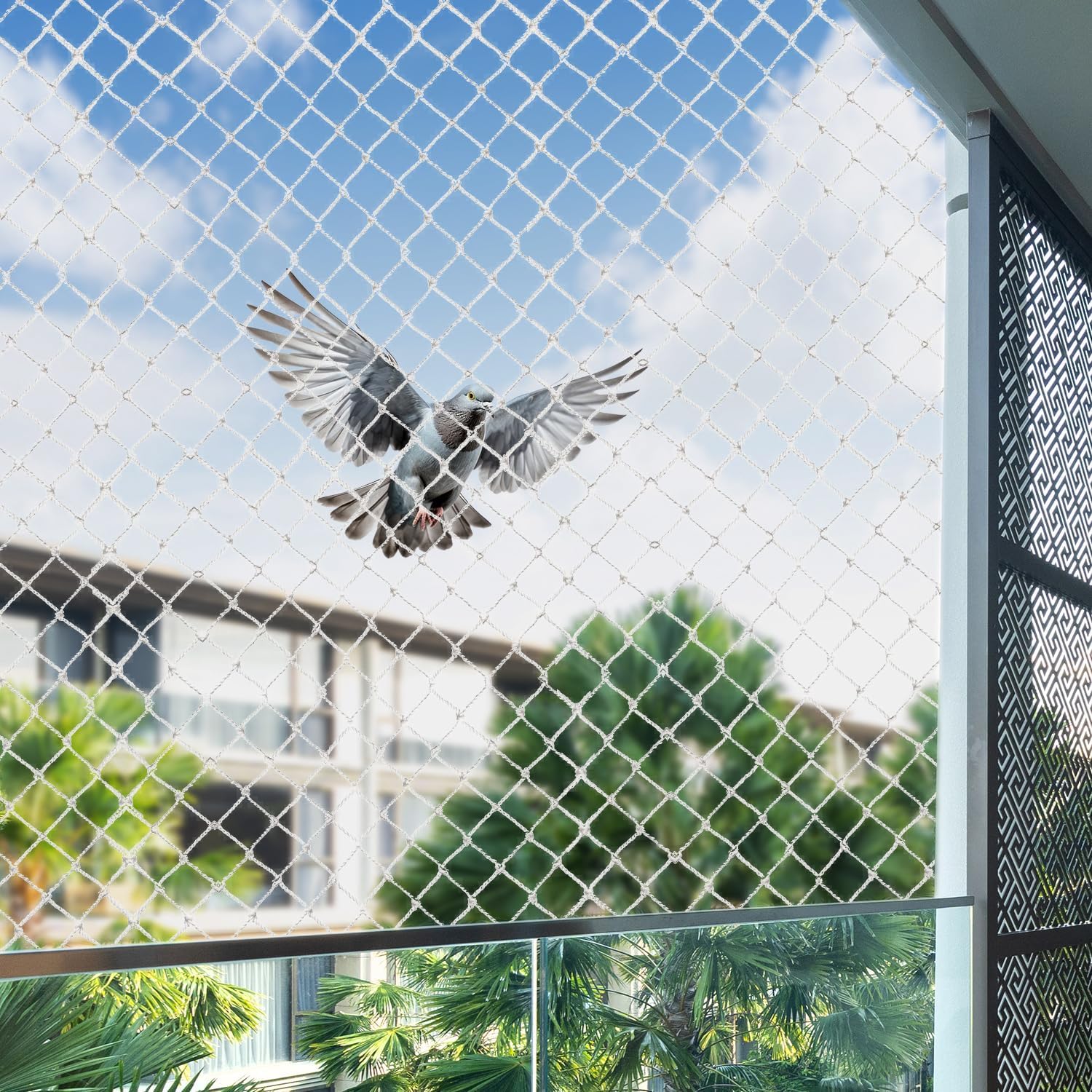
Kacey Safety Net for Balcony Window, Reinforced Edge with Mesh
- ✓ Adhesive and screw anchor options included
- ✓ Small mesh (no finger entrapment)
- ✓ Reinforced edges, no unravelling
* We earn a small commission — at no extra cost to you.
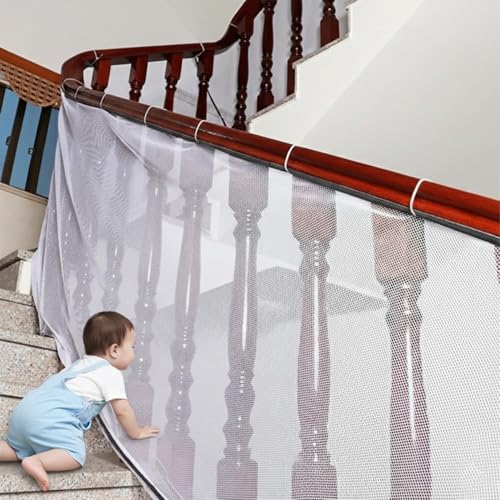
Safe-O-Kid Balcony Safety Net with Rope Binding
- ✓ Rope-bound edges for extra durability
- ✓ Multiple anchor points for small balconies
- ✓ BIS-certified mesh size
* We earn a small commission — at no extra cost to you.
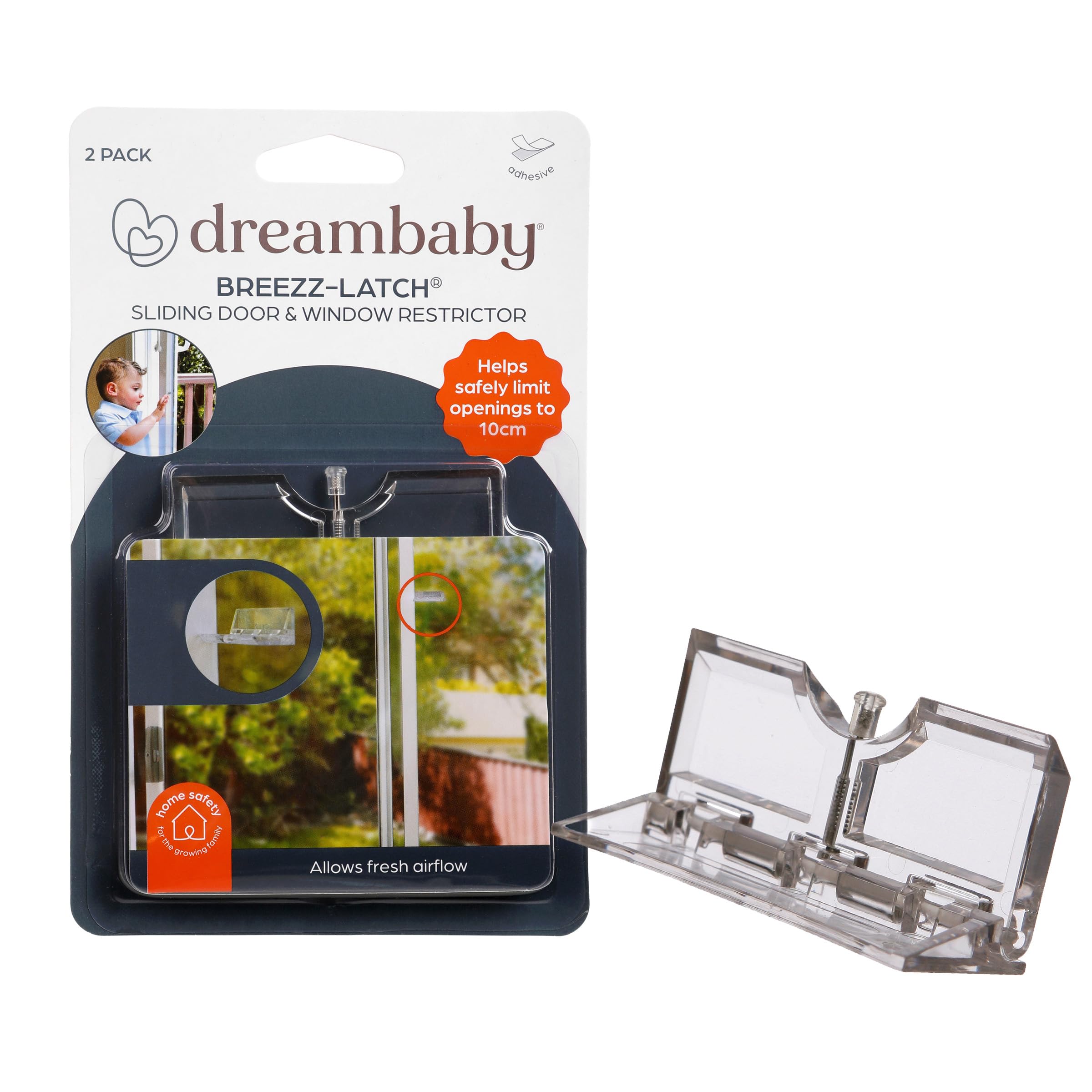
Dreambaby Sliding Door Lock (Adhesive & Screw Mount)
- ✓ Designed for Indian sliding doors
- ✓ Adhesive pads and screw anchors both included
- ✓ Jam-proof, easy one-hand opening
* We earn a small commission — at no extra cost to you.
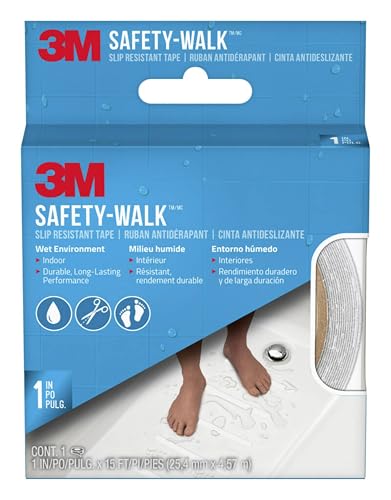
3M Anti-Slip Safety-Walk Tape (50mm x 5 meters)
- ✓ Outdoor-rated adhesive, water-resistant
- ✓ Textured surface prevents slipping on wet floors
- ✓ Peels off cleanly, no residue
* We earn a small commission — at no extra cost to you.