
Unsafe Baby Proofing Products in India 2026: Red Flags & Safer Alternatives
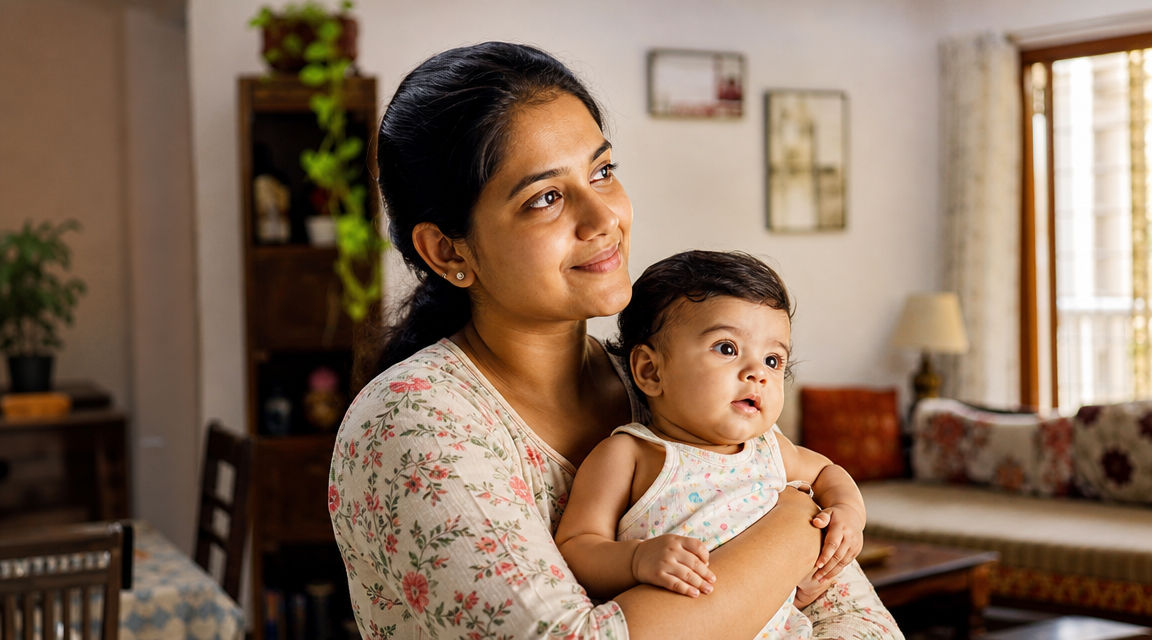
Many popular baby proofing products sold on Amazon.in fail within 30–90 days in Indian heat and humidity: adhesive corner guards peel, pressure gates lose spring tension, plastic socket covers come loose, and cupboard locks crack. Safer alternatives use stainless-steel hardware, silicone adhesive rated above 40°C, and draw-bolt mechanisms instead of push-clips.
Babyproofing is non-negotiable, but choosing the right products matters more in India's climate than you'd think. The dust, humidity and temperature swings from 15°C winter to 45°C summer put real stress on adhesives, springs and plastic hinges. What works in a climate-controlled apartment in Singapore can fall apart in three months in Mumbai or Delhi. This guide walks through the unsafe baby proofing products that show up repeatedly in parent complaints, what makes them fail, and which brands and types actually hold up.
What the Evidence Actually Shows
Safety gates with pressure mounts (the kind that wedge between door frames without drilling) are convenient—until the spring weakens. Parents report gates from brands like Mastela and generic Amazon-only labels loosening after 60–90 days of use. In India's climate, thermal expansion of plastic frame clips and metal springs creates a constant micro-stress cycle. The gate doesn't fail catastrophically; it just stops being reliable. By month four, you're checking the tightness every week. That defeats the purpose of a safety gate entirely.
Adhesive corner guards face a different problem. Brands like Baby Jee and Sunbaby use acrylic adhesive, which performs well in labs at 20–25°C. But when your room hits 38°C for six months straight—common in north and central India—the adhesive loses grip. Parents on Amazon.in report peeling edges by week eight, especially on textured walls. The worst failures happen on walls painted with low-quality emulsion or on unprimed surfaces. Silicone-based adhesives (rated for 40–50°C continuous) are more expensive but don't peel.
Socket covers and outlet plugs designed with simple push-fit mechanisms are dangerous precisely because they're too easy to remove. Toddlers aged 12–24 months develop finger strength and curiosity fast. A socket cover that requires finger-strength to pop out (6–8 kg grip force) protects better than a loose one. Many budget brands on Amazon.in don't specify insertion force on the label. Test them yourself: if you can remove the cover with thumb and forefinger in under three seconds, it's a liability, not a safeguard.
Cupboard and drawer locks using plastic hinges or soft-metal screws fail because kitchen humidity and repeated opening-closing stress accumulates. Brands like Babymate and Mee Mee use metal cam-locks (like a bicycle lock), which hold up better. But even these can fail if the cupboard door is heavier than rated—many parents don't check weight limits. A 4 kg door on a lock rated for 2 kg will strip the screw threads within 30 uses.
Drawer stoppers and safety latches that work via friction (rubber pads pushing against the drawer) cause the most injuries. When the drawer still opens 2–3 cm and a child's fingers get pinched, you've failed at prevention entirely. Better designs use a positive stop—a bar that physically blocks the drawer at 1 cm opening, preventing any pinch risk.
Red Flags to Check Before Buying
When shopping for baby proofing products, use this checklist:
- Check adhesive type on the label: Silicone adhesive is better than acrylic for Indian climates. Some brands don't disclose this—skip those.
- Test insertion force yourself: For socket covers and outlet plugs, try removing the cover before checkout. It should take real effort.
- Look for weight limits: Cupboard locks should specify maximum door weight. If the label doesn't state it, ask seller customer service before buying.
- Choose metal hardware over plastic: Springs, hinges and cam-locks in stainless steel or brass last 3–4x longer than plastic clips in Indian heat.
- Thermal rating: Pressure gates and adhesive products should state they're tested above 40°C. Many don't—that's a sign they weren't tested for Indian summer.
- Positive stops over friction: For drawer locks, choose products that physically block motion, not rubber pads that grip.
Safer Alternatives to Consider
Instead of pressure gates, wall-mounted gates bolted to the frame are slower to install but permanent and reliable. Brands like Safety 1st offer drill-in models on Amazon.in starting at ₹3,500—higher upfront cost, but they don't weaken.
For corner guards, silicone bumpers cost 40–50% more than acrylic foam (₹280–450 for a 4-pack vs. ₹150–200) but peel-free is worth the premium. Look for brands stating silicone explicitly: Sunbaby Premium Silicone Guards and MomsCare Silicone Edge Guards are on Amazon.in.
Socket safety is easier: UK-style safety switches (outlets with recessed pins that only open when both contacts are pressed) are standard in new Indian homes. If you have old two-pin sockets, replace them—it costs ₹300–500 per outlet and eliminates the need for removable covers entirely. If you must use covers, buy ones from Safety 1st or Hauck with friction-fit testing visible (they list insertion force in N or kg on the label).
Cupboard locks: Babymate's push-button locks (with metal barrel screws) run ₹380–520 for a pair and hold up to three years. Mee Mee Heavy-Duty Cabinet Locks (₹420 for two) use a similar design. Both specify 3–5 kg load ratings on the box. For heavier kitchen cabinets, a single cabinet latch bar (₹200–300, screwed across two doors) is the safest option—no lock to jam or break.
Drawer stops: Avoid friction-only models. Buy only drawer safety latches that include a positive metal stop—brands like Babysafety.in and MomsCare Premium Drawer Stops (₹240–380 per pair) use a shaft that physically blocks the drawer at 1 cm, eliminating pinch injury risk entirely.
How to Install Correctly in Indian Homes
Installation mistakes negate good products. For adhesive products, clean walls with a dry cloth and wait 24 hours after painting before applying guards—paint curing makes adhesion stronger. For pressure gates, measure the door frame width three times and apply even pressure on both sides; uneven mounting loosens springs faster. For wall-mounted gates, use the correct wall-type anchor (plaster anchors for old concrete, toggle bolts for hollow walls). Most gate failures are installation errors, not product defects.
Test installed products weekly during the first month. Retighten pressure gates after one week, one month, and three months. Check adhesive edges monthly, especially near the floor where dust and moisture concentrate.
What IAP and WHO Guidance Says
IAP (Indian Academy of Pediatrics) recommends environmental modification—not just barriers—as the primary injury prevention method for infants 6–24 months. This means reliable, tested hardware matters more than the number of devices. WHO guidelines emphasize that injury-prevention equipment must be age-appropriate, installed correctly, and checked regularly. Cheap, failing products create a false sense of security and are worse than no barriers at all.
When to See a Doctor
If your child has a pinch injury from a drawer or gate, or ingested plastic from a failed socket cover, seek care immediately. Watch for bleeding, swelling that doesn't reduce after 10 minutes, loss of sensation in fingers, or any object lodged in the mouth or throat. This is general information, not medical advice—always consult your pediatrician if you're unsure.
Our Top Picks
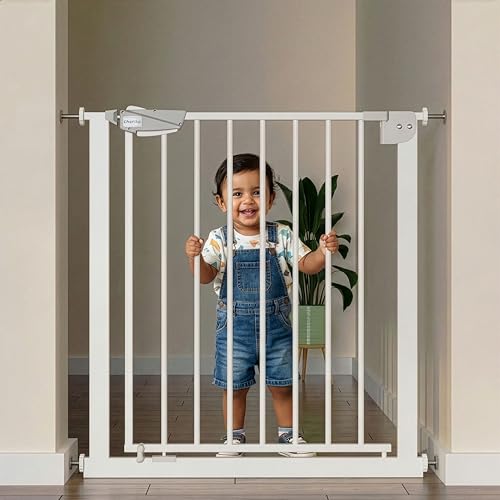
Safety 1st Wall Mounted Pressure Fit Safety Gate
- ✓ Stainless steel frame and springs
- ✓ Wall-mount option with drill-in brackets
- ✓ Fits doorways 75–110 cm wide
* We earn a small commission — at no extra cost to you.

MomsCare Silicone Edge Guards for Furniture Corners (4-pack)
- ✓ 100% silicone, no acrylic adhesive
- ✓ Rated for 40–50°C continuous heat
- ✓ Self-adhesive, repositionable
* We earn a small commission — at no extra cost to you.

Babymate Heavy-Duty Cabinet Lock with Metal Barrel Screws (2-pack)
- ✓ Metal cam-lock mechanism, stainless steel screws
- ✓ Rated for 3–5 kg door weight per lock
- ✓ Installation screws included, no drilling required
* We earn a small commission — at no extra cost to you.

MomsCare Premium Drawer Safety Latch with Positive Stop Bar
- ✓ Metal shaft with positive stop at 1 cm opening
- ✓ Eliminates pinch injury risk entirely
- ✓ Fits standard kitchen drawers
* We earn a small commission — at no extra cost to you.

Safety 1st UK-Style Recessed Pin Safety Outlet Covers (12-pack)
- ✓ Requires simultaneous pressure on both pins to open
- ✓ Friction-fit, 6–8 kg grip force to remove
- ✓ Fits standard 2-pin and 3-pin Indian sockets
* We earn a small commission — at no extra cost to you.
Babysafety.in Cabinet Latch Bar for Double Doors
- ✓ Single bar secures two cabinet doors simultaneously
- ✓ Metal hardware, no individual locks to jam
- ✓ Fits cabinet doors up to 80 cm wide
* We earn a small commission — at no extra cost to you.