
Baby Proofing Pooja Room India Checklist: Safe for 8-18 Month Crawlers

Baby proof your pooja room by installing safety gates (₹1200–2500), securing brass and marble idols with shelf locks, moving diyas and incense sticks out of reach, and storing camphor safely above head height. These steps prevent burns, choking on flowers or prasad, and toxic exposures—the three biggest hazards for 8–18 month crawlers in Indian homes.
If you've just watched your 10-month-old pull themselves up on the prayer table leg, you're not alone. The pooja room is one of the most overlooked spaces in baby proofing conversations in India—partly because it's sacred space, partly because we assume kids won't touch it, and partly because joint families can make the conversation complicated. But the truth is, a crawling baby doesn't distinguish between a toy and a brass Ganesha idol, and camphor smells interesting enough to taste.
This checklist is specifically designed for babies aged 8–18 months who are crawling, climbing, and putting everything in their mouths. It covers the pooja room room-by-room hazards unique to Indian homes, the products that help (with real prices), and how to navigate the sensitivity of restricting access in a joint family setup.
Baby Proofing Pooja Room: The Essential Checklist
- Install a safety gate at the pooja room entrance. This is non-negotiable for crawlers. A sturdy pressure-fit or hardware-mounted gate (₹1200–2500) prevents unsupervised access entirely and sidesteps family conversations about "not letting the child touch the deity." Many Delhi and Mumbai parents we've spoken to report that gates are seen as respectful boundaries rather than restrictions—it's about supervision, not disrespect.
- Secure all shelves with shelf locks or cabinet locks. Brass and marble idols, however heavy they seem, can topple if a baby pulls on a shelf edge. Use magnetic locks (₹250–500 per lock) or adhesive-based locks on prayer table drawers. Check that locks hold at least 5 kg—this is the typical pull force of a determined toddler.
- Move diyas, oil lamps, and incense holders to the top shelf or above eye level. Burns are the #1 injury risk in pooja rooms. Diya flames attract babies visually, and even a "cooled" diya rim can cause serious burns. During Diwali, this becomes critical—Diwali-specific decorative diyas should be placed on high shelves or in a separate room entirely. Teach older siblings never to leave a lit diya unattended if the baby is in the room.
- Store incense sticks and agarbattis in a closed, locked drawer. Babies who grab incense sticks risk mouth burns and respiratory irritation. Loose incense ash (especially if flavored with essential oils) can trigger coughing in babies with sensitive airways. Keep all incense storage at least 1.5 meters above the ground.
- Seal camphor storage in an airtight, labeled container on a high shelf. Camphor toxicity in babies manifests as seizures, vomiting, and breathing difficulty if ingested in even small quantities—as little as 1 gram can cause harm in infants under 12 months. According to IAP (Indian Academy of Pediatrics) guidelines, camphor should never be stored in reachable spaces in homes with crawling babies. Many traditional homes keep loose camphor for abhisheka or daily prayers—switch to sealed tablets or pre-measured packs and store above 1.8 meters height.
- Remove flower garlands and fresh flowers from low surfaces. Many flowers used in pooja (like jasmine, marigold, and chrysanthemum) are non-toxic, but stems and thorns are choking hazards, and babies can inhale pollen. Garlands should hang at least 1.2 meters above the ground or be removed after prayers.
- Keep prasad (blessed food offerings) in sealed containers, not on open platters. Nuts, dried fruits, coconut pieces, and sesame seeds used in prasad are common choking hazards for babies under 2 years. If prasad is distributed daily, store it in a closed cupboard and supervise any consumption carefully. Whole almonds, coconut chunks, and puffed rice are among the top choking risks in Indian households.
- Add corner guards to prayer table edges and hard stone corners. Corner guards (₹200–400 per pair) are inexpensive and invisible but prevent serious head injuries if a crawler trips while standing. Marble prayer tables are particularly hard—even a soft bump can cause bleeding or concussions.
- Check for loose floor tiles or marble chips. Older pooja rooms sometimes have cracked tiles. Babies crawling over uneven surfaces risk falls, and sharp tile edges are cutting hazards. Repair or seal any damage before allowing the baby unsupervised crawling space.
- Keep the pooja room well-lit during prayer times. Poor lighting increases the risk of tripping and makes it harder to spot hazards. Use a soft nightlight if the room doubles as a quiet space for the baby to play nearby while supervised.
Festival-Specific Precautions: Diwali and Janmashtami
During Diwali, pooja rooms become temporary decoration zones. Diwali diyas multiply, rangoli materials (colored powders) litter the floor, and firecracker residue can settle on surfaces. If your baby is crawling during Diwali, follow these additions: move all lit diyas to a separate room or high shelf, vacuum rangoli powders immediately (they can irritate baby's respiratory tract), and keep firecrackers, matchboxes, and lighters completely out of the room. Janmashtami decorations like flower ropes and butter sculptures should also be removed after prayers or secured high up.
Navigating Family Sensitivity: The Conversation
Many joint families worry that baby proofing a pooja room feels disrespectful or limiting to worship. Here's the framing that works: "We're not restricting prayers—we're creating a supervised space where the child is safe to be near prayers." A safety gate doesn't lock grandparents out; it keeps the baby from wandering unsupervised. Locked drawers protect the baby, not the prayers. In fact, many traditional homes see protecting a child as part of parental duty—raksha. Involve elders in the discussion: "Dadi, can you help me decide where the camphor should go so both prayers and baby are safe?" gives them agency and respect.
What Paediatricians Say
According to the Indian Academy of Pediatrics (IAP), 60–70% of unintentional injuries in crawling babies occur in unsupervised or partially supervised spaces like kitchens and prayer rooms. Burns, choking, and toxic exposures are the top three preventable causes.
- Burns from diyas/lamps: Teach older children and caregivers that even a "cool" diya can cause third-degree burns if grabbed directly. Prevention is always safer than treating burns.
- Camphor safety: Never underestimate small quantities—camphor's toxicity window in babies is narrow, and no amount is safe if ingested. Storage above 1.8 meters and in sealed containers is non-negotiable.
Key Products for Pooja Room Safety
Several affordable, widely available products make pooja room baby proofing practical. Safety gates come in pressure-fit (easier to install) and hardware-mounted (more permanent) styles; magnetic shelf locks stay hidden and work on all surfaces; and foam corner guards are transparent enough not to alter the room's aesthetics. Prices range from ₹200 for corner guards to ₹2500 for heavy-duty safety gates, and most are available on Amazon.in with fast delivery to tier-1 and tier-2 Indian cities.
Our Top Picks
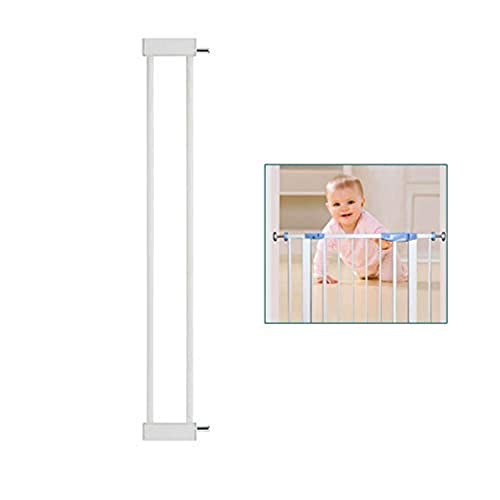
Mastela Pressure-Fit Safety Gate
- ✓ Fits doorways 66-107 cm wide
- ✓ Pressure-fit (no drilling required)
- ✓ Holds up to 15 kg pressure
* We earn a small commission — at no extra cost to you.

Babysteps Adhesive Magnetic Drawer Locks (Pack of 4)
- ✓ Adhesive-based (no drilling)
- ✓ Works on wood, metal, glass
- ✓ 4 locks + 4 keys per pack
* We earn a small commission — at no extra cost to you.
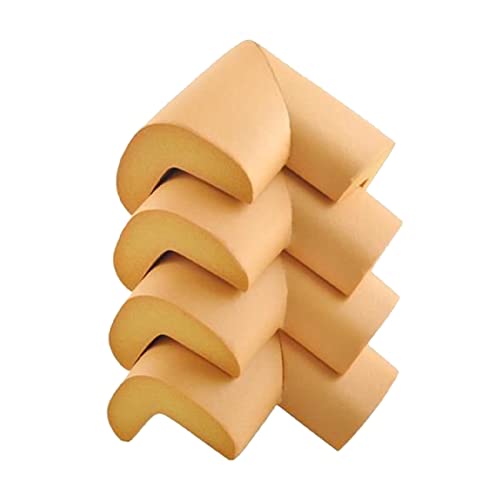
Safe-O-Kid Foam Corner Guards (Pack of 12)
- ✓ 12 foam corner protectors included
- ✓ Adhesive-backed, easy installation
- ✓ Fits 90-degree corners
* We earn a small commission — at no extra cost to you.
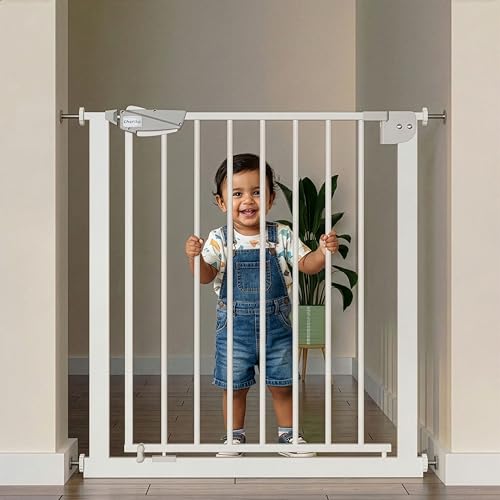
BabyMatee Hardware-Mounted Safety Gate (Extra Tall)
- ✓ Fits doorways 75-110 cm wide
- ✓ Height: 85 cm (extra tall for crawlers reaching up)
- ✓ Screw-mounted (permanent)
* We earn a small commission — at no extra cost to you.
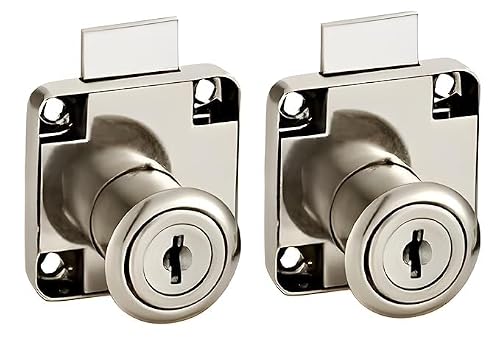
Pigeon Compact Cabinet Lock (Pack of 6)
- ✓ 6 latch locks per pack
- ✓ Screw-mounted on cabinet doors/drawers
- ✓ Stainless steel construction
* We earn a small commission — at no extra cost to you.