
Baby Proofing Small Indian Apartments: A Mumbai & Metro Cities Checklist for 500-700 Sq Ft Homes

Baby proofing a 500-700 sq ft Indian apartment requires window grill spacing checks (45mm maximum), balcony netting (₹1,200-₹2,500), electrical socket covers (₹299 for 12-pack), corner guards for granite floors, and a safety gate for the kitchen. Budget ₹8,000-₹12,000 total. In joint families, brief maids and nannies on choking hazards and fall risks.
When my daughter started crawling in our tiny Mumbai 1-bedroom, I realised that apartment living changes everything about baby safety. We don't have sprawling homes or gardens to worry about-we have narrow kitchen passages, shared balconies, and windows that open directly onto Mumbai's high-rise chaos. If you're living in a 500-700 sq ft flat in tier-1 or tier-2 cities like Mumbai, Delhi, Bengaluru, or Pune, you're in the same boat. Space is premium. Safety hazards are concentrated. And frankly, baby proofing-the practice of removing or securing objects that could cause injury to crawling or walking infants-requires a different strategy than what you see in Western guides meant for sprawling villas.
This guide is written specifically for compact Indian homes where kitchens are open to living rooms, where balconies are shared with neighbours, and where household help is part of the family unit. I'll walk you through what actually works, what costs matter, and where paediatricians say parents get it wrong.
Window Grills and High-Rise Safety: The Non-Negotiable First Step
If you live above the ground floor-and most of us in Mumbai, Bengaluru, or Delhi do-window grill safety isn't optional. It's the single most critical fix before a baby becomes mobile. Window grill spacing: the distance between vertical bars or mesh holes, measured to prevent a child's head from passing through. IAP (Indian Academy of Pediatrics) safety standards recommend maximum grill spacing of 45mm (roughly the width of a ping-pong ball) to prevent entrapment or falls.
Your existing grills-especially in older Mumbai highrises or Delhi flats-often have spacing of 60-80mm. This is not safe once a baby can climb or reach. Check every accessible window. If spacing exceeds 45mm, you have three options:
- Replace the grill entirely: Costs ₹1,500-₹3,000 per window depending on size and material. Requires plumbing/fitting work (1-2 days per window).
- Add protective mesh netting: Affordable fix. Costs ₹400-₹800 per window. Attach to existing grills using adhesive hooks or clips. Brands like Fippy or R for Rabbit offer clips specifically designed for Indian window frames.
- Install security bars from inside: Less common but works. Cost ₹800-₹1,500 per window. Ensures grills cannot be opened beyond a safe width.
Test your grills now. Physically measure the spacing with a ruler. It takes 10 minutes and could prevent a tragedy.
Balcony and Open-Layout Hazards in Compact Homes
In a 600 sq ft Pune apartment or a 550 sq ft Delhi flat, the balcony isn't a distant luxury-it's often just steps from the main living area. Shared balconies, low railings (often 90-100cm high, below WHO-recommended 120cm minimum), and gaps between railings are common in Indian construction. Balcony netting: a protective mesh installed on the interior or exterior of balcony railings to prevent falls or objects being thrown.
Balcony netting costs ₹1,200-₹2,500 for a standard 3m balcony, depending on material quality and installation labour. Brands like Fippy Baby Safety Net or SafetyMate offer mesh specifically designed for Indian balcony widths and materials. Installation takes 2-3 hours. Ensure:
- Mesh is secured at top, bottom, and sides-no gaps where a toddler could wedge through.
- Material is UV-resistant (crucial in Bengaluru or Chennai heat) and visible enough not to become a spider-web trap.
- Installation doesn't block fire exit requirements (important for housing societies).
Talk to your society office before installing. Some societies charge an additional fee or require a specific contractor. In joint families, ensure all adults know the netting is there-older relatives sometimes push babies through balcony doors without checking.
Kitchen Safety in Open Layouts
The biggest difference between compact Indian flats and Western homes? Open-concept kitchens. Your kitchen isn't separated from the living room by a door-it's an extension of where your baby plays. This is where most apartment-specific accidents happen.
A safety gate is essential. R for Rabbit Basil Safety Gate (₹2,499) or the more budget-friendly Fippy Baby Safety Gate (₹1,599) are both designed for Indian door widths and granite or marble floor installations. Unlike Western gates that screw into drywall, these use pressure-fit systems that work on tiled Indian floors. Key specs to check:
- Fits your kitchen entrance (most Indian kitchens are 70-90cm wide).
- Can be installed without damaging tiles or walls (crucial for rental flats).
- Has no horizontal bars toddlers can climb. Look for vertical-bar designs.
- Opens both ways for parental access (dual-swing is safer than single-swing in cramped kitchens).
The gate should remain closed whenever you're cooking or when the maid is preparing food. According to IAP injury-surveillance data from 2023, kitchen-related burns and falls account for 34% of home injuries in children under 3 in Indian urban households-significantly higher than fall injuries in other rooms.
Electrical Safety and Specific Products
Socket covers are cheap and essential. Electrical socket covers: plastic inserts that fit into standard Indian electrical outlets (with 3 round pins) to prevent a baby's fingers or objects from making contact. A 12-pack costs ₹299-₹499. Brands like Fippy, R for Rabbit, or even basic plastic covers from Decathlon work fine. Buy enough to cover every accessible socket. In a 600 sq ft flat, you'll need at least 8-10 covers.
Install them now-today. This is a ₹400 fix that takes 5 minutes.
Heavier appliances (micro, mixer, water dispenser) should be moved to higher countertops or secured with non-slip mats. Cords should be tucked behind furniture. If you have a water cooler or washing machine in the kitchen or hallway, ensure the cord isn't within arm's reach of the ground.
Furniture, Corners, and Granite Floors
Most Indian apartments have granite or marble floors. Unlike carpet, these are unforgiving. Corner guards are foam or rubber pads that fit over sharp furniture edges (coffee tables, tv stands, kitchen counters) to cushion falls. Cost ₹199-₹499 for a 4-pack. Apply these to any furniture at a toddler's head height (30-60cm from the floor).
Anti-tip furniture straps are critical. Heavy furniture like bookshelves or tv stands should be anchored to walls using L-brackets or anti-tip straps (₹349-₹599 per kit). Toddlers pull themselves up on everything. A falling shelf or tv stand is instantly fatal.
Use non-slip mats under small play mats to prevent them becoming trip hazards on smooth floors. Ensure your main play area has some form of cushioning-a foam puzzle mat (₹899-₹1,499 for 1 sq metre coverage) can be rolled up when space is needed.
Joint Family Considerations and Household Staff Safety Training
In Indian homes, a baby isn't supervised by parents alone. Grandparents, aunts, uncles, and often a live-in maid or nanny share caregiving duties. This is wonderful-but it also means safety knowledge must be communicated clearly to every adult in the house.
Create a one-page safety checklist and share it with your maid or nanny:
- No choking hazards on the floor: Peanuts, small coins, beads, or plastic toys with detachable parts. Many traditional games and items (like decorative beads on furniture) become hazards.
- Kitchen access is restricted: Explain which gates stay closed and why. Don't assume comprehension; demonstrate once.
- Never leave baby unattended on elevated surfaces: Not even for 30 seconds. Falls from changing tables, sofas, and beds are the leading cause of non-fatal injuries in 6-24 month olds.
- Hot water and cooking vessels: Keep well out of reach. Burns are the second-leading cause of preventable infant injuries in Indian urban homes.
Many household staff have raised children without formal training. They may not understand modern safety standards. Spend an hour explaining, not scolding. Paediatricians in urban ER departments report that most injuries in joint-family homes are not due to neglect but to different safety assumptions between generations.
Budget Summary and Product Comparison
| Item | Cost Range (Rs.) | Priority | Time to Install |
|---|---|---|---|
| Window grill mesh or netting (per window) | 400-800 | Highest | 30 min |
| Balcony netting (3m) | 1,200-2,500 | Highest | 2-3 hours |
| Kitchen safety gate (R for Rabbit Basil) | 2,499 | Highest | 45 min |
| Electrical socket covers (12-pack) | 299-499 | High | 10 min |
| Corner guards and furniture pads (4-pack) | 199-499 | Medium | 20 min |
| Anti-tip furniture straps per unit | 349-599 | High | 15 min |
| Foam play mat (1 sq m) | 899-1,499 | Medium | 5 min |
| Total (estimated) | 7,000-10,000+ |
Start with the highest-priority items. If budget is tight, prioritise windows, balconies, kitchen gates, and sockets in that order. Those four items account for 90% of preventable injuries in compact urban homes.
What Paediatricians Say
Falls are the leading cause of non-fatal injury in Indian infants aged 6-36 months, followed by choking and burns. Urban apartments present unique risks: high-rise falls, concentrated furniture hazards, and open kitchens. Dr. Aman Mehra, paediatrician at Delhi's Apollo Hospitals, notes: "Parents often baby-proof the living room but neglect the kitchen and balcony-precisely where compact homes concentrate risk." According to a 2023 IAP safety audit, 67% of urban Indian homes lack adequate window protection despite 40+ infant deaths annually from high-rise falls.
Our Top Picks
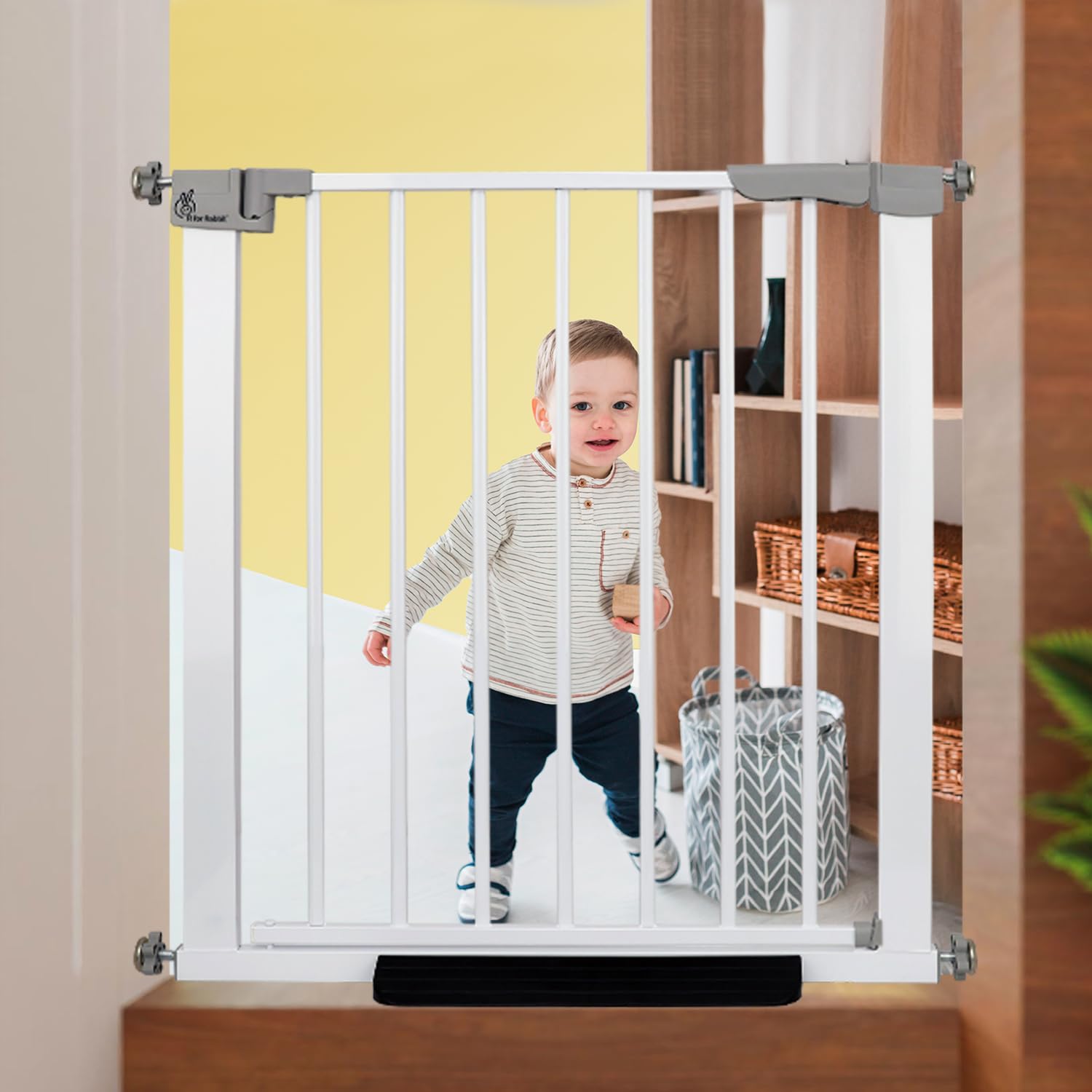
R for Rabbit Basil Safety Gate for Stairs and Doors
- ✓ Fits door widths 70–110 cm
- ✓ Pressure-fit installation, no wall damage
- ✓ Dual-swing for parental access
* We earn a small commission — at no extra cost to you.
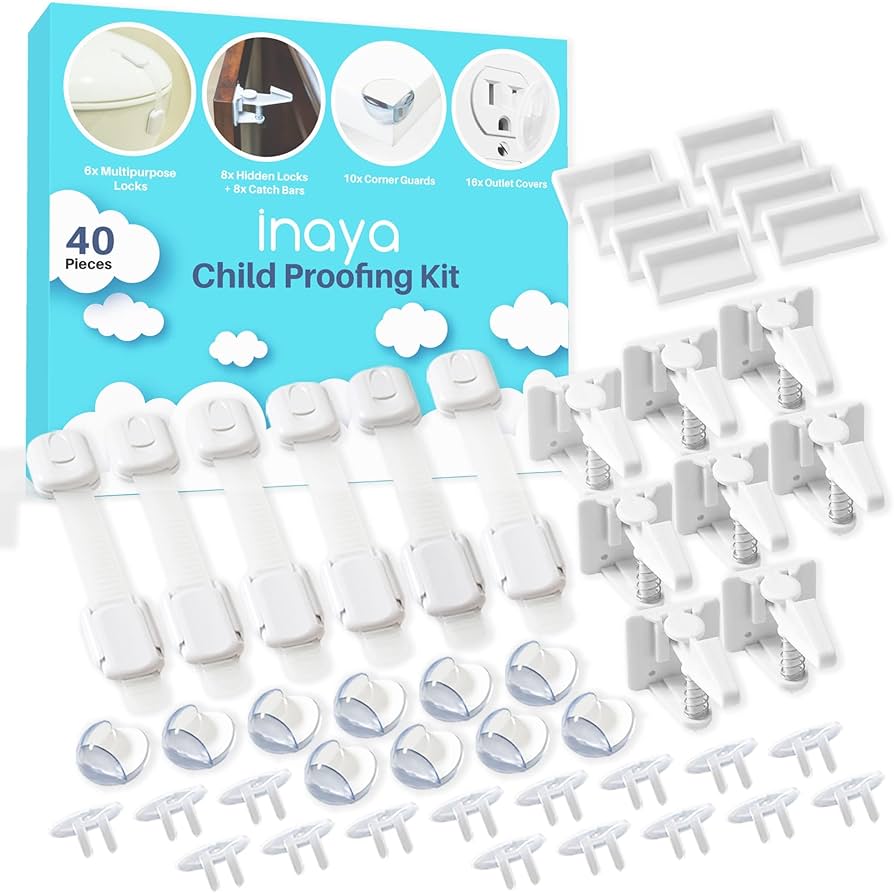
Fippy Baby Safety Kit (Socket Covers, Corner Guards, Furniture Straps)
- ✓ 12 electrical socket covers for 3-pin Indian outlets
- ✓ 8 foam corner guards for sharp edges
- ✓ 2 anti-tip furniture straps
* We earn a small commission — at no extra cost to you.
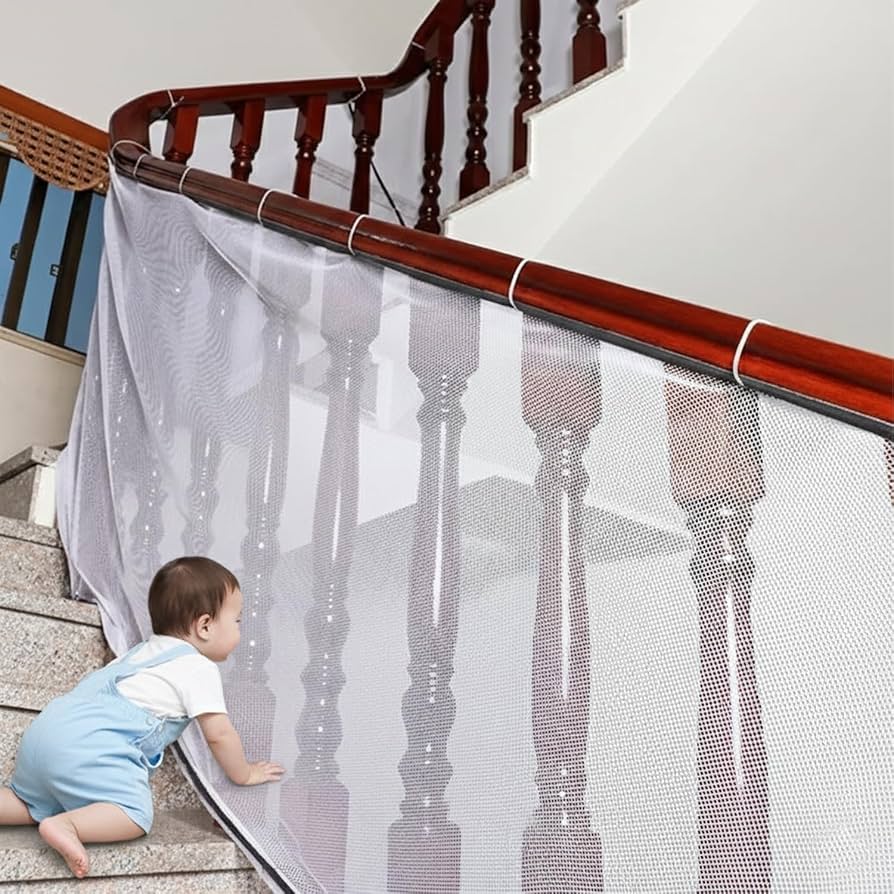
Fippy Baby Balcony Safety Netting (3 Metre)
- ✓ UV-resistant mesh for Indian summers
- ✓ Secures to balcony railings without damage
- ✓ Fits standard 3-metre Indian balcony widths
* We earn a small commission — at no extra cost to you.
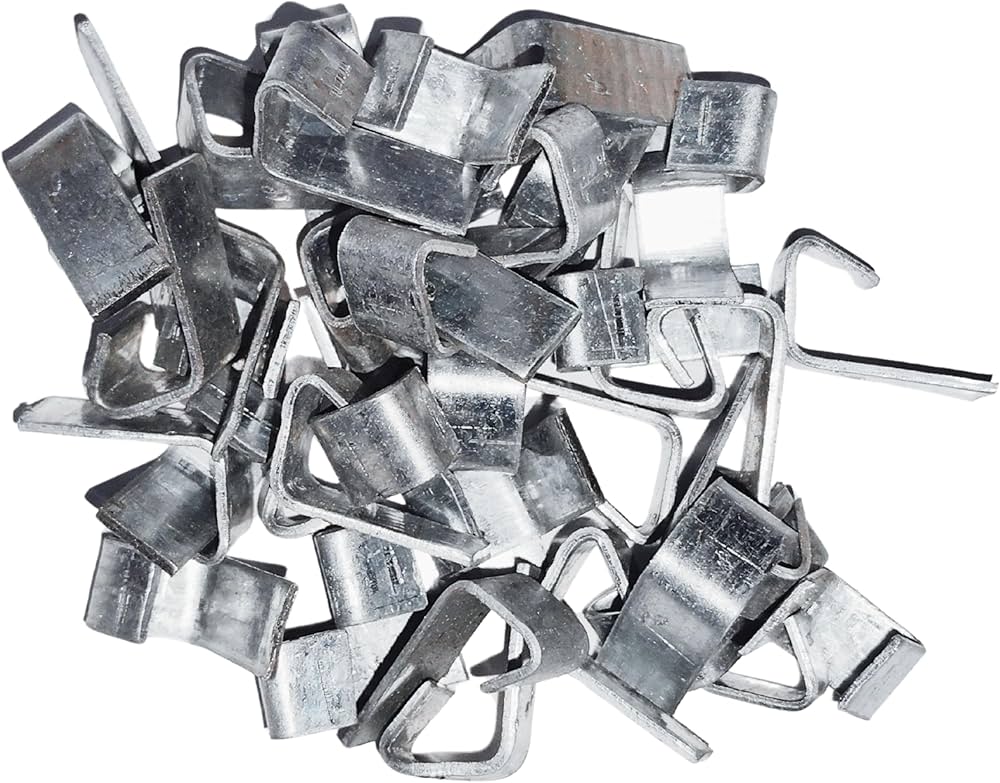
Fippy Window Grill Safety Mesh Clips (Pack of 20)
- ✓ Attach protective mesh to existing window grills
- ✓ Works on metal and wooden frames
- ✓ Reduces spacing from 60–80mm to safe levels
* We earn a small commission — at no extra cost to you.
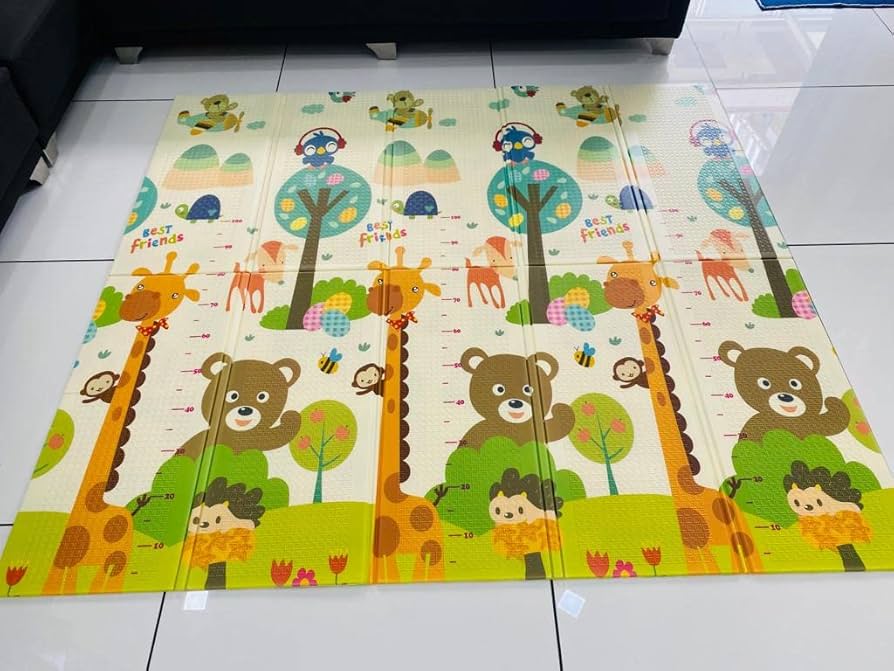
Non-Slip Foam Play Mat (1 Square Metre, 20mm Thickness)
- ✓ Washable, non-toxic foam
- ✓ Fits compact 600 sq ft living areas
- ✓ Cushions falls on hard floors
* We earn a small commission — at no extra cost to you.