Baby-Proofing Windows During Monsoon: Room-by-Room Checklist for 8–18 Month Crawlers in Indian High-Rises

Baby-proof windows during monsoon by installing BIS-certified guards (₹800–₹2,000), securing sliding grills, sealing sills with waterproof padding, using dengue-safe mosquito nets, and blocking balcony access entirely. For high-rises in Mumbai or Bangalore, test drainage around window frames and keep broken glass repair kits handy during heavy rainfall.
When your 8–18 month old starts crawling—usually between 6–10 months according to IAP (Indian Academy of Pediatrics)—windows stop being background features and become real hazards. Add monsoon season, high-rise living, and open ventilation needs common in joint-family homes across Mumbai, Bangalore, Delhi, and Pune, and the risk multiplies: slippery sills, waterlogged frames, mosquito-borne dengue, and the genuine fear of a crawler pulling at a loose grill or pushing through a net.
This isn't about wrapping your home in plastic. It's about knowing exactly which windows matter most, what protects without trapping air, and how to handle the specific monsoon hazards that apartment living and tropical climate create.
Room-by-Room Window Baby-Proofing Checklist for Crawlers
Bedroom (Parents' & Child's):
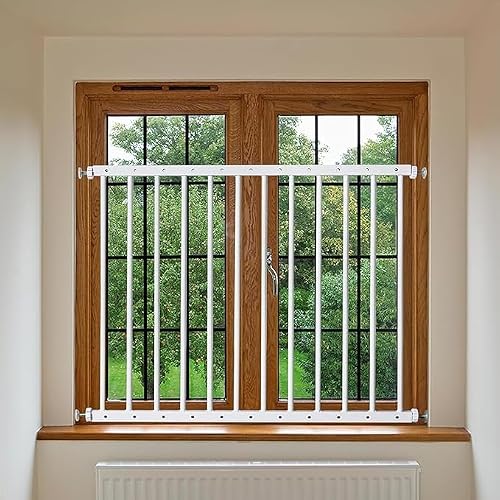
- Install a fixed window guard or safety grill. Why: Crawlers love to climb toward light and noise. A guard prevents falls and keeps curious fingers from pushing through existing bars. Choose BIS-certified guards (ISI mark ensures load-bearing safety); budget ₹1,200–₹2,000 per window.
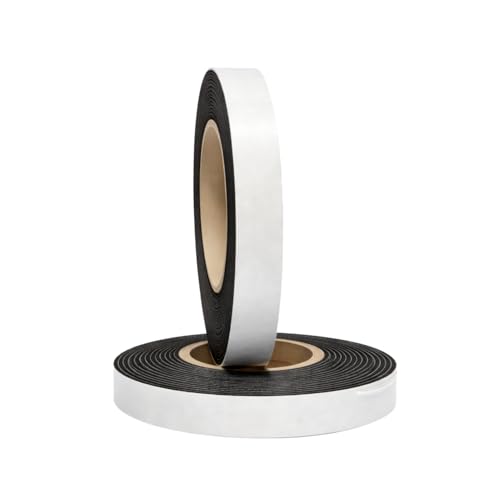
- Seal window sills with waterproof foam padding. Why: During monsoon, water seeps into sills, creating mold and slippery surfaces where your crawler might lean. Waterproof padding also softens the edge—crawlers often bonk their heads here.
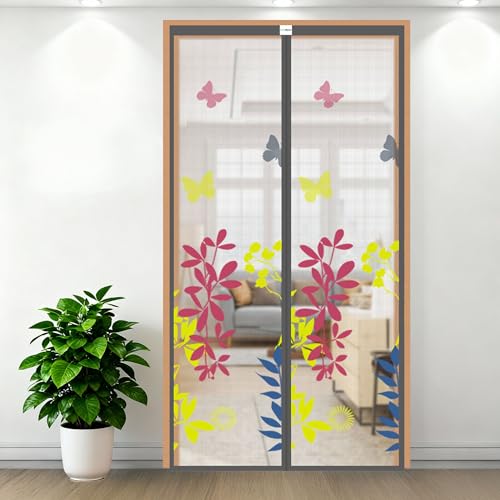
- Install a dengue-safe mosquito net (not the traditional flimsy kind). Why: Standard nets tear easily; crawlers can push through or get tangled. Use nets with reinforced mesh and secure frame locks rated for high wind (monsoon storms test these constantly).
Living/Dining Room (High-Traffic Areas):
- Check sliding window grills for loose hinges or rust. Why: Monsoon humidity accelerates rust; loose grills can swing inward unexpectedly. Tighten all fixtures monthly or use a lockable grille guard overlay (₹800–₹1,500).
- Place a crawl barrier or playpen 1–2 meters away from large windows. Why: Even with guards, crawlers can reach windows and bang on glass. Distance + barrier = two layers of protection.
- Test drainage around window frames for waterlogging. Why: Pooled water on sills creates slip hazards and mold risk. In Mumbai and Bangalore high-rises, poor external drainage during heavy rain is common. Check monthly and clear debris (leaves, dust) from external sills.
Balcony (if accessible to crawler):
- Block balcony access entirely with a locking gate or door latch placed out of reach (1.5 meters high minimum). Why: Under 2 years, crawlers have no depth perception or understanding of fall risk. Monsoon winds also make balconies genuinely dangerous. A locked gate is non-negotiable.
- If balcony door has a grille, ensure it locks from inside and outside. Why: Crawlers can accidentally push doors open; wind or another caregiver might think the grille alone is sufficient.
Kitchen/Service Windows:
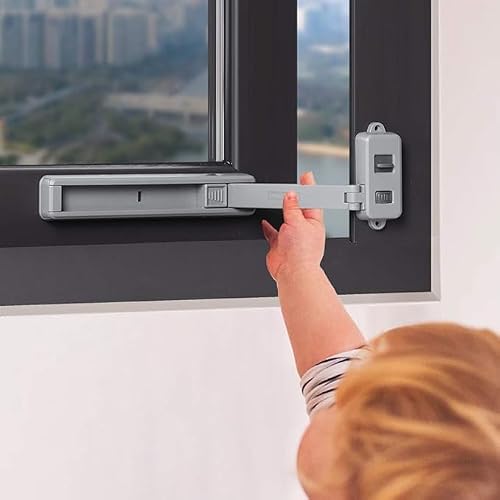
- Install childproof handles or locking clips on casement or awning windows. Why: These windows open inward/outward and are easy for crawlers to push. Kitchen windows in particular often sit over sinks or appliances—a fall is compounded risk.
- Check any exhaust or ventilation grilles for loose mesh. Why: Exhaust mesh can rust and separate during monsoon; crawlers can poke fingers through.
Monsoon-Specific Window Hazards & What Paediatricians Say
Waterlogging & Mold: In high-rise buildings in Bangalore and Mumbai, June–August monsoon rains often pool around window frames and sills. Mold growth on damp sills releases spores—IAP guidelines suggest this increases respiratory issues in crawling-age infants already prone to colds. Solution: wipe sills weekly with a dry cloth, ensure external drainage is clear, and use waterproof silicone sealant around frame edges (₹200–₹400 per tube).
Broken Glass & Debris: Monsoon storms can crack or shatter windows, especially in older high-rises. Crawlers are at eye and hand level to fragments. Keep a small glass repair kit (safety tape, temporary adhesive, cloth) in a locked drawer and photograph your windows before monsoon season for insurance purposes.
Dengue & Mosquito Net Safety: Mosquito nets: mesh netting specifically designed to block Aedes mosquitoes (dengue vectors) while allowing air circulation. Standard nylon nets tear easily; crawlers can push through. Use reinforced polyester nets with secure frame locks (rated for wind speeds 40+ km/h). Cost: ₹600–₹1,200 per window. Test the net weekly by gently pushing—if it gives more than 2 cm, it needs repair or replacement.
Slippery Sills During Rain: Window sills become slick during or immediately after rain. Waterproof foam padding (self-adhesive, 25 mm thick) adds grip and cushioning. Brands like 3M also make slip-resistant sill tape. Cost: ₹150–₹300 per meter.
What Paediatricians Say
According to IAP (2024): Falls from windows and balconies are among the top preventable injuries for crawlers and toddlers in urban Indian homes. Monsoon increases fall risk by 40% due to slippery surfaces and reduced visibility during heavy rain. Respiratory infections from mold-damp windows add 25–30% more infections in the 6–18 month age group during June–September.
- Install guards or nets on 100% of accessible windows before monsoon begins. Don't wait for an accident.
- Check drainage and sill condition weekly; replace nets or guards if damaged. Monsoon testing is harsh—materials wear faster.
Product Guide: Budget-Friendly, BIS-Certified Options Available on Amazon.in
For crawlers in high-rises, prioritize: (1) window guards, (2) mosquito nets with secure frames, (3) waterproof sill protection. Most can be installed without damaging rental walls using adhesive-backed or screw-fixed options with removable anchors.
Window guards from trusted Indian brands range ₹1,200–₹2,000 per unit and carry BIS certification (ISI mark). Reinforced mosquito nets cost ₹600–₹1,200. Waterproof padding and sealant are ₹150–₹400. Budget ₹3,500–₹5,500 for a typical 2–3 bedroom apartment.
FAQs Parents Ask
Do I need a guard on every window or just bedroom windows? IAP recommends guards on all windows accessible to crawlers—that usually means bedroom, living room, and balcony doors. Service or kitchen windows can use locks/latches if the window opens toward an adult work area, but crawlers are curious: err on the side of guarding more, not less.
Can my crawler push through a strong mosquito net? Reinforced nets rated for 40+ km/h winds are difficult for a crawler to push through, but not impossible if they strain repeatedly. Nets are one layer of protection, not a complete barrier. Always pair with a guard or distance barrier.
How often should I replace monsoon mosquito nets? Inspect monthly during monsoon. If mesh is torn, frame is loose, or locks are stiff, replace immediately. A net that's 50% compromised is almost useless for dengue prevention. Most last 1–2 monsoon seasons with care.
Are adhesive-backed guards safe for rental walls? Yes—brands use 3M VHB technology that removes cleanly without paint damage. Test on a corner first. For high-rise rental apartments, adhesive options are faster than screw installation and don't violate lease terms.
What do I do if a window breaks during monsoon? Keep safety tape, temporary adhesive, and cloth in a first-aid box. Tape the break from inside, isolate the window, and call a glazier same-day. Don't let your crawler near the area for even a moment. Take photos for insurance.