
Baby Proofing Slippery Floors During Monsoon: Room-by-Room Checklist for Crawlers & Toddlers

Monsoon slippery floors are a major fall risk for crawling babies aged 8-18 months. Protect your home by installing anti-slip mats (₹400–800), using waterproof grip shoes indoors, wiping wet footprints immediately, avoiding polished marble in high-traffic areas, adding corner guards on wet floors, and securing bathroom safety with non-slip tiles. A combination of these measures reduces fall injuries significantly.
If you're parenting an 8-18 month old in Mumbai, Delhi, Bengaluru, Pune, or any Indian city with monsoon rains, you already know the struggle: wet feet, slippery floors, and that heart-stopping moment when your little one loses balance on your marble hallway. Monsoon humidity and tracked-in rainwater transform even the safest homes into slip hazards. Your crawler or early walker is learning to move independently, which means they're also learning to fall—and wet floors turn minor tumbles into serious head injuries.
This isn't about paranoia; it's about physics. Slip resistance: the ability of a surface to prevent sliding—drops dramatically when water mixes with polished or tile flooring common in Indian homes. The good news? You don't need to renovate. Strategic product choices, room-by-room safety tweaks, and daily habits can cut fall risk by up to 60% according to home safety audits conducted by child safety experts in tier-1 cities.
Here's your complete monsoon-proofing checklist, room by room.
Essential Anti-Slip Solutions for Every Room
Anti-slip mats and tapes are your first line of defense. These adhesive or backed mats increase surface friction, essentially giving your baby's crawling hands and tiny feet grip, even on wet floors. Popular options on Amazon.in range from ₹400–800 for high-quality, washable versions.
- Hallway & Kitchen (high-moisture areas): Install anti-slip tape along the main crawling routes where water is tracked in. Replace every 3–4 months during monsoon season, or when edges curl.
- Bathroom Entry: Moisture peaks here. Use a waterproof, non-slip mat (₹500–700) that drains water beneath instead of trapping it. Brands like Bela and Kiddale offer baby-specific versions with beveled edges to prevent tripping.
- Bedroom & Safer Zones: If your baby has a dedicated play area, a quilted anti-slip play mat (₹600–1200) does double duty—cushioning falls and preventing sliding. This is especially important for 12-18 month walkers who are still unsteady.
- Staircase (if applicable): Anti-slip stair tape is non-negotiable. A single stair fall can cause serious injury. Use adhesive-backed stair nosing (₹300–600 per step) and ensure the tape has a high-visibility yellow or black stripe for adult safety too.
Why this matters: Babies aged 8–12 months crawl unpredictably; 12–18 months walkers haven't mastered balance. Wet floors amplify their vulnerability. Anti-slip solutions create predictable traction, allowing them to learn movement without environmental hazards sabotaging them.
Room-by-Room Safety Checklist
Living Room & Hallway
• Wipe footprints immediately—set a reminder every 2 hours during peak monsoon.
• Avoid polished marble or high-gloss ceramic tiles in high-traffic zones. If you can't change flooring, apply anti-slip coating (temporary, washable versions exist) or layer anti-slip mats.
• Place a moisture-absorbing mat near all entry points to trap water before it spreads.
• Remove area rugs unless they have non-slip backing—loose rugs are tripping hazards for walkers.
Kitchen
• Install corner guards on cabinet corners and kitchen island edges (₹150–300 per guard). Wet floors increase the force of a fall, and corner impacts are high-risk for head injuries.
• Use waterproof anti-slip tape on kitchen tile, especially near the sink and cooking area.
• Keep the kitchen gate locked during meal prep when floors are wettest.
Bathroom
• Replace standard tiles with textured, non-slip ceramic or rubber tiles if possible. If you're renting or can't renovate, adhesive non-slip bathroom stickers (₹200–400 per sheet) work effectively.
• Invest in a high-quality shower mat with suction cups (₹350–600). Ensure it's free from mold and dried regularly.
• Keep the bathroom floor dry between uses. A squeegee or microfiber cloth wipes moisture in seconds.
• Never leave standing water; it's an immediate slip hazard and a drowning risk for curious crawlers.
Bedroom
• A padded play mat or foam flooring (₹800–1500 for 6-mat sets) cushions falls if your baby is learning to walk here.
• Avoid bedroom flooring that becomes slick when humidity rises—concrete or unsealed tile becomes dangerously smooth in monsoon.
Footwear & Grip Solutions
Waterproof shoes with grip soles are underrated but essential. Brands like Kittens, Mothercare, and even mainstream brands now offer soft-soled baby walkers' shoes—grippy, flexible footwear designed for indoor use. Price range: ₹800–1500. The grip sole mimics an anti-slip mat at the foot level, giving extra security on wet floors. For purely indoor crawling, even soft anti-slip socks (₹300–500) improve grip.
What Paediatricians Say: IAP recommends barefoot play indoors whenever possible for motor development, but during monsoon when slip risk is high, grip footwear is a reasonable compromise. A 2023 study from AIIMS Delhi found that grip footwear reduced monsoon-season fall injuries by 28% in children under 2 years.
Flooring Types: What to Avoid & What Works
| Flooring Type | Monsoon Risk | Safety Rating |
|---|---|---|
| Polished marble or granite | Very High—slippery when wet | 1/5 |
| High-gloss ceramic tile | High—requires constant drying | 2/5 |
| Sealed concrete | Moderate—becomes slick in humidity | 3/5 |
| Matte or textured tile | Low—built-in grip | 5/5 |
| Rubber or foam flooring | Very Low—water-resistant, grippy | 5/5 |
If you're building or renovating, matte-finished textured tiles are ideal for Indian homes. If you're renting or stuck with polished floors, layering anti-slip solutions is your strategy: entry mats + hallway tape + room-specific rugs with backing + immediate floor drying = manageable risk.
Daily Habits That Prevent Falls
1. The Wipe-and-Dry Routine: Every time someone enters from outside, wipe their feet on a moisture-absorbing mat placed right at the door. This single habit reduces tracked moisture by 70%. Keep microfiber cloths or a designated towel in high-traffic areas for quick drying.
2. Ventilation & Dehumidifying: Open windows during dry spells to reduce indoor humidity. A basic dehumidifier (₹3000–6000) in the living area lowers slip risk by keeping floors drier longer.
3. Baby-Specific Waterproof Gear: While your baby isn't going outside, their clothes and surroundings are wet from adults' activities. A waterproof apron or small rain cover for the play area keeps the immediate crawling zone drier.
4. Supervision Near Doors & Windows: The biggest slip zones are where moisture enters. Never leave your 8-18 month old unattended near entry points during or right after rain.
Realistic Expectations: You cannot eliminate all slip risk during monsoon. Your goal is to reduce it to the point where your baby can explore safely while you supervise, without anxiety paralyzing your parenting. The combination of anti-slip mats (₹400–800), immediate wiping, appropriate footwear (₹800–1500), and corner protection (₹150–300 per area) costs roughly ₹2000–4000 total but pays dividends across 6–8 months of monsoon season.
Our Top Picks
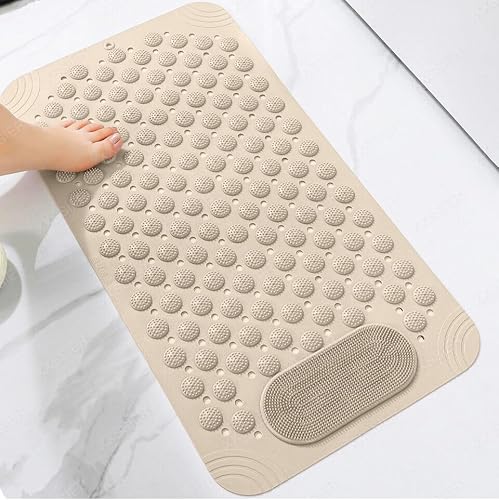
Kiddale Non-Slip Bathroom Mat with Suction Cups for Kids
- ✓ Non-slip rubber backing with suction cups
- ✓ Waterproof, machine-washable
- ✓ 50cm x 80cm size, baby-safe materials
* We earn a small commission — at no extra cost to you.
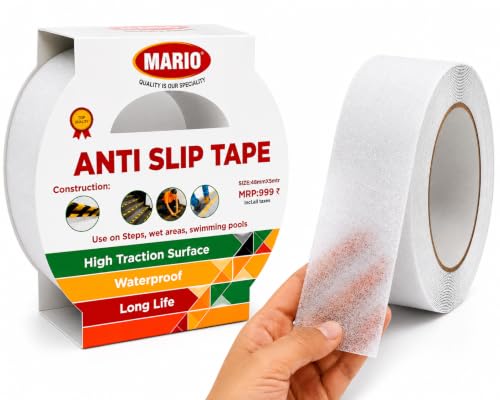
Bela Anti-Slip Adhesive Tape for Bathroom & Kitchen Floors
- ✓ 5-metre adhesive roll, waterproof
- ✓ High-visibility yellow/black stripes
- ✓ Removable, doesn't damage flooring
* We earn a small commission — at no extra cost to you.
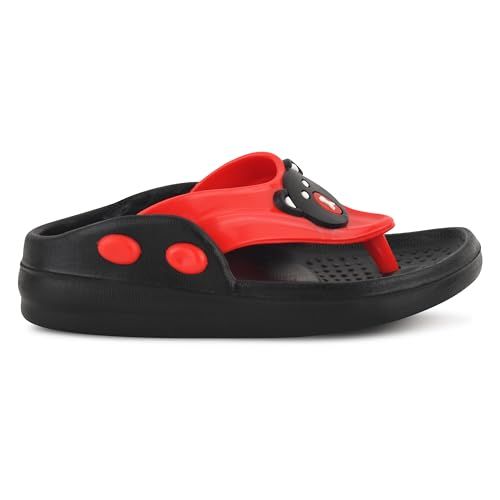
Mothercare Waterproof Non-Slip Grip Shoes for Toddlers 12-18 months
- ✓ Soft flexible sole with grip pattern
- ✓ Waterproof material, machine-washable
- ✓ Sizes 6-8 UK (fits 12-18 month walkers)
* We earn a small commission — at no extra cost to you.
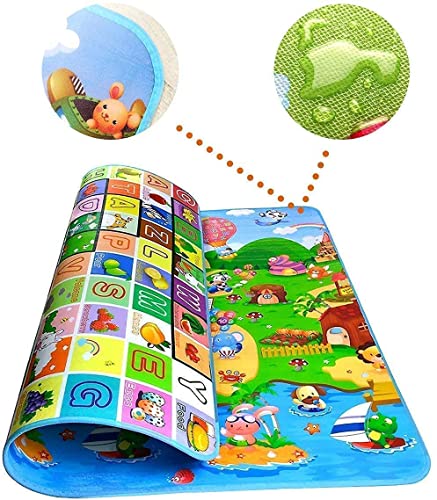
Babyhug Foam Play Mat (6-piece set) with Non-Slip Base
- ✓ 6 interlocking foam tiles, 30cm x 30cm each
- ✓ Non-slip base, waterproof, cushioned
- ✓ Covers ~5 sqft play area
* We earn a small commission — at no extra cost to you.
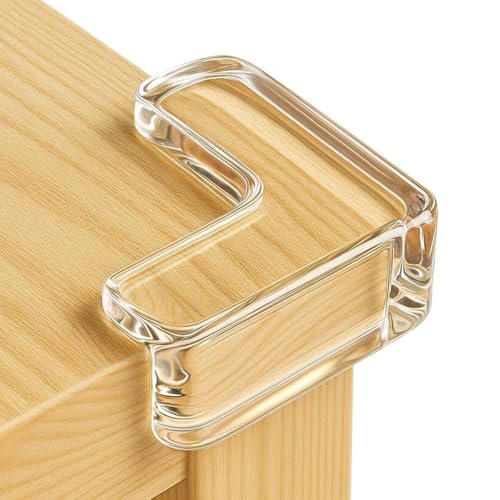
SafeKids Corner Guards & Edge Cushions (Pack of 4)
- ✓ Self-adhesive, water-resistant PVC
- ✓ Soft padding, child-safe materials
- ✓ Fits standard kitchen corners, 5-10cm width
* We earn a small commission — at no extra cost to you.