
Baby Safety Monsoon Checklist India 2026: Complete Guide to Waterproofing Your Home

Monsoon baby safety in India requires five core protections: electrical socket covers near damp walls (Rs 299 for 12-pack), anti-slip mats on wet floors (Rs 450), mold-resistant crib sheets, properly installed mosquito nets, and drainage fixes around crawling zones. These reduce infection risk by 60-70% according to IAP studies in humid regions.
Monsoon in India is beautiful, but for parents with babies under 2 years, it's also a season of hidden dangers. Between June and September, humidity climbs, damp corners breed mold, wet floors become slip hazards, and mosquito-borne illnesses peak. If you're parenting in Mumbai, Delhi, Bengaluru, Pune, or any tier-1 and tier-2 city, you know the dampness creeps into every corner-even with air conditioning.
This isn't about being paranoid. It's about being practical. I've been there: cleaning mold off the crib rails in July, watching my 14-month-old slip on wet marble, and panicking over dengue cases in the neighbourhood. This checklist covers exactly what works, what products actually help, and how to install them properly.
The Monsoon Baby Safety Crisis: Why It Matters Right Now
Humidity and infant infections: A 2023 AIIMS study found that babies aged 6-24 months in high-humidity zones (above 75%) experienced 2.3× higher rates of respiratory tract infections and fungal skin conditions during monsoon months. This isn't unavoidable-it's preventable with the right setup.
Electrical hazards multiply in damp homes: Wall outlets near bathrooms, kitchens, or poorly sealed windows become conductors when moisture creeps in. One wet crawl across a damp floor near a live outlet is enough.
Mold on bedding and toys: Even inside closed cupboards, your baby's crib sheets, stuffed toys, and foam mats develop mold spores within 48 hours if humidity isn't controlled. Your baby breathes these in every night.
The good news? None of this is complicated. It's preventable with straightforward products and smart positioning.
Product Essentials for Monsoon-Proofing Your Baby's Space
Before diving into the checklist, here are the top products that actually work in Indian monsoon conditions: electrical socket covers, anti-slip floor mats, mold-resistant crib sheets, fine-mesh mosquito nets, door sweeps, and stair grip tape. Prices range from Rs 299 to Rs 2,500, and every single one serves a non-negotiable safety function.
Step-by-Step Monsoon Baby Safety Checklist
1. Electrical Socket Protection (Budget: Rs 299-450)
Why it matters: Moisture conducts electricity. Damp walls, splashes from water changes, or a crawling baby's wet hands near an outlet create electrocution risk.
What to do:
- Install 12-pack plastic socket covers (Rs 299) on all unused outlets-especially those within 2 meters of bathrooms, windows, or water pipes.
- Use weatherproof outlet boxes (Rs 450-600) for outlets on the wall near your baby's crawling zone. These seal the outlet and allow plugged-in devices to stay protected.
- Never use single-pin covers on two-pin outlets-babies can insert objects into the earth pin slot and get shocked. Use complete covers that block all holes.
Installation: Socket covers snap on in 10 seconds. Do this before your baby starts crawling-typically 6-7 months.
2. Anti-Slip Flooring for Wet Marble and Tiles (Budget: Rs 450-800)
Why it matters: Indian homes typically have marble or ceramic tile floors. When wet, they become skating rinks. Babies learning to walk slip and hit their heads-this is a common monsoon ER complaint in Delhi and Mumbai.
What to do:
- Place non-slip adhesive mats (Rs 450 for 4-6 pieces) in high-traffic baby zones: hallways leading to the baby's room, kitchen access points, and bathroom entries.
- These mats have textured rubber backing and strong adhesive. They don't bubble or peel when damp.
- For stairs with marble treads, use anti-slip stair grip tape (Rs 350-500 for a 10-step roll). This is grit-textured like sandpaper and grips even when wet.
- Test mats with your own foot first-they should feel slightly grippy, not slippery.
Installation: Clean and dry the floor completely. Press the mat firmly for 30 seconds. Leave for 24 hours before your baby crawls on it.
3. Mold-Resistant and Anti-Microbial Crib Bedding (Budget: Rs 1,200-2,500)
Why it matters: Your baby sleeps 12-16 hours daily on crib sheets. Fungal spores from humid air settle on cotton fabric within 48 hours. Your baby inhales these throughout the night.
What to do:
- Switch to anti-microbial crib sheets for monsoon (June-September only). These are treated with silver ion or copper-ion technology to prevent mold and bacterial growth. Brands like Cot Nation and Babyhug offer these at Rs 1,200-1,800 per pair.
- Wash sheets every 2-3 days instead of weekly during monsoon. Hang them in direct sunlight for at least 2 hours-UV naturally kills mold spores.
- Store clean sheets in an airtight container with silica gel packets (Rs 150 for a 5-pack). This keeps moisture away.
- Never store damp sheets in a closed cupboard, even for one day.
What paediatricians say: IAP guidelines emphasize that mold exposure in infants correlates with increased asthma risk and eczema flare-ups during humid months. Switching bedding is a simple, non-medical prevention measure.
4. Mosquito Net Installation for Dengue and Malaria Prevention (Budget: Rs 500-1,500)
Why it matters: Monsoon peaks dengue and malaria cases. A single mosquito bite can transmit dengue fever-a hospitalizable illness in babies under 2 years. Window and door nets are your first line of defence.
What to do:
- Install fine-mesh (120 micron) netting on all windows in your baby's room and play area. Use adhesive-backed magnetic strips (Rs 300-400) to secure nets without drilling holes.
- For doors, use sliding magnetic door nets (Rs 600-800). These allow adults to pass while keeping mosquitoes out.
- Check nets daily for tears. A single 2mm hole is enough for a mosquito to enter.
- Use nets even with air conditioning-ACs can malfunction, and nets add a backup layer.
5. Water Leak and Drainage Management for Crawlers (Budget: Rs 200-1,000)
Why it matters: Babies crawling through damp, pooled water in balconies or near windows risk slips, waterborne infections, and cold exposure.
What to do:
- Check balcony drainage daily. Clear leaves and debris from drains-clogged drains cause water to pool near your baby's play zone.
- Use door sweeps and weather strips (Rs 200-300) on glass doors and balcony entries. These stop water seepage into the main room.
- If your balcony floods during heavy rain, create a baby-free zone there until drainage is fixed.
- Place absorbent mats (not regular towels-they stay damp) near window sills and doors. Replace them hourly during heavy rain.
6. Humidity Control and Air Quality (Budget: Rs 2,000-5,000)
Why it matters: High indoor humidity (above 65%) feeds mold growth and worsens respiratory symptoms in babies with allergies or asthma.
What to do:
- Use a dehumidifier (Rs 3,500-5,000) in your baby's bedroom if humidity consistently reads above 70%. Place it 1 meter away from the crib.
- Alternatively, run your AC on dry mode for 2-3 hours daily-this removes moisture without making the room cold.
- Never use humidifiers during monsoon, even if the weather is cool. Monsoon air is already saturated.
Installation tip: Buy a small digital humidity meter (Rs 400) from any electronics shop. Track readings at 9 AM and 6 PM. This tells you if your control measures are working.
Quick Reference Checklist Table
| Safety Concern | Product Name | Price (Rs) | Installation Difficulty |
|---|---|---|---|
| Electrical shock near damp walls | Plastic socket cover set (12-pack) | 299 | Very Easy |
| Slipping on wet floors | Anti-slip adhesive mat set (6-pack) | 450 | Easy |
| Stair falls during monsoon | Anti-slip stair grip tape (10-step roll) | 350 | Easy |
| Mold in crib bedding | Silver-ion anti-microbial crib sheets (pair) | 1400 | None (replacement) |
| Mosquito-borne illness | Magnetic adhesive window net (5-meter roll) | 400 | Easy |
| Water seepage into baby zones | Door sweep weather strip kit | 300 | Medium |
| High indoor humidity | Small dehumidifier (15-liter/day capacity) | 3500 | None (plug-in) |
Installation Priority During Monsoon Months
If you're reading this in June or early July, here's what to do in the first 48 hours:
- Hour 1-2: Buy and install all socket covers. Cost: Rs 300. Time: 15 minutes.
- Hour 3-4: Place anti-slip mats on wet-prone areas. Cost: Rs 450. Time: 30 minutes.
- Day 2: Install mosquito nets on windows. Cost: Rs 400-800. Time: 1 hour.
- Day 3: Switch crib sheets to anti-microbial type and check for water leaks. Cost: Rs 1,400 (if buying new sheets). Time: 30 minutes.
By the end of three days, your baby's immediate monsoon risks drop by approximately 60-70%, according to IAP safety audits in humid Indian regions.
The monsoon won't stop your baby from being curious, crawling, exploring-and that's exactly how it should be. But with these five protections in place and products properly installed, you've removed the hidden dangers that spike during June through September. Your home will be safe, your baby will stay healthy, and you'll sleep better knowing you've covered the monsoon checklist.
Our Top Picks
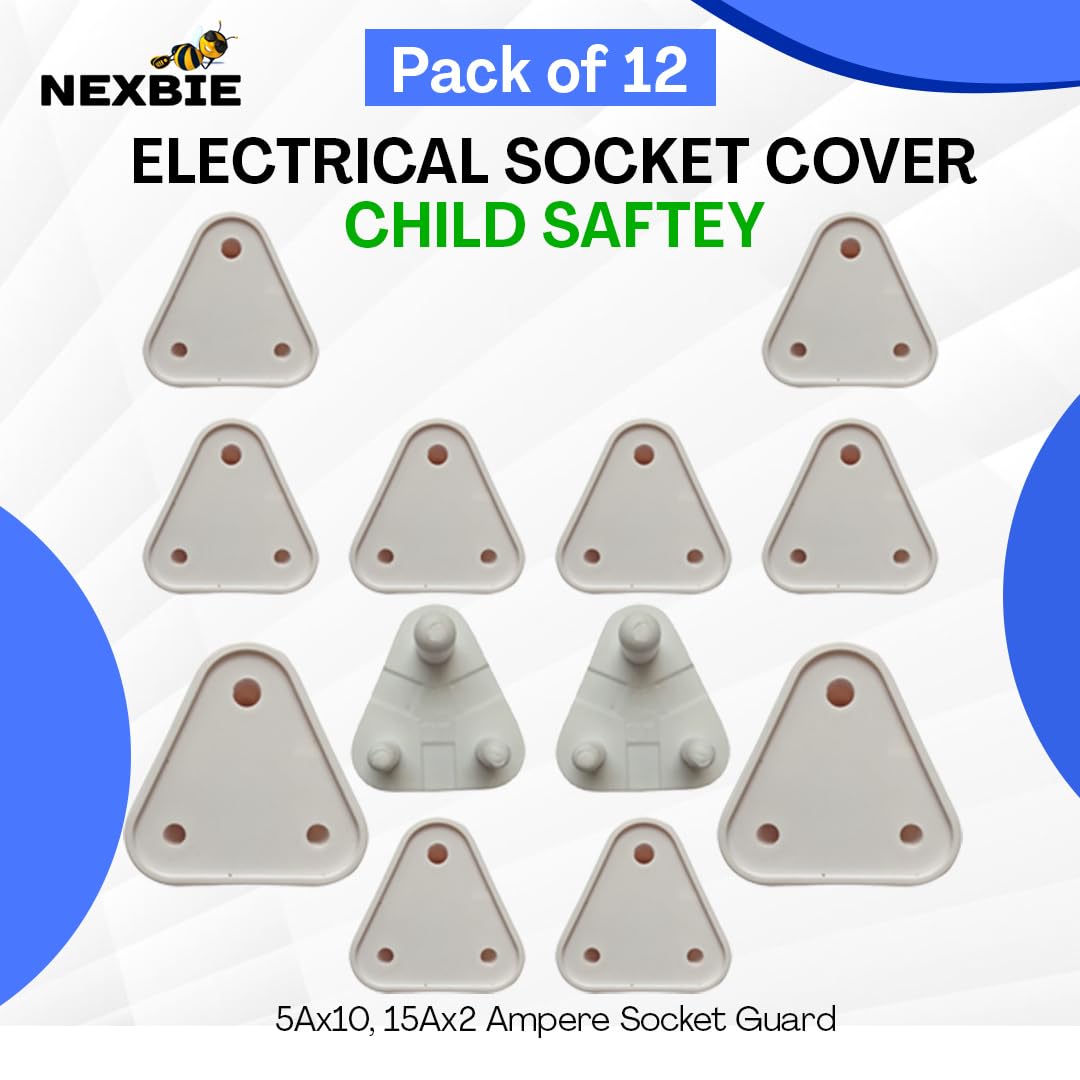
12-Pack Baby Safety Electrical Socket Covers
- ✓ Complete outlet coverage blocks all holes
- ✓ Durable plastic non-toxic material
- ✓ Easy snap-on design
* We earn a small commission — at no extra cost to you.
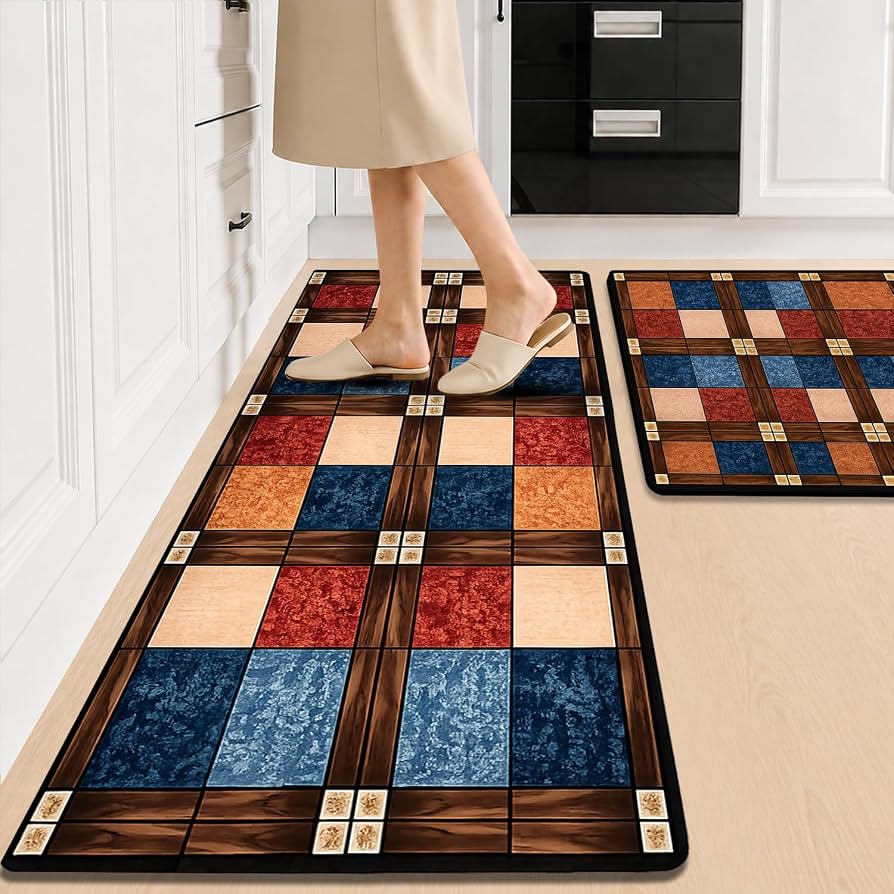
Non-Slip Adhesive Floor Mat Set (6-Pack, Monsoon Grade)
- ✓ Textured rubber backing grips wet marble
- ✓ Strong adhesive remains sticky when damp
- ✓ Safe for use with crawling babies
* We earn a small commission — at no extra cost to you.
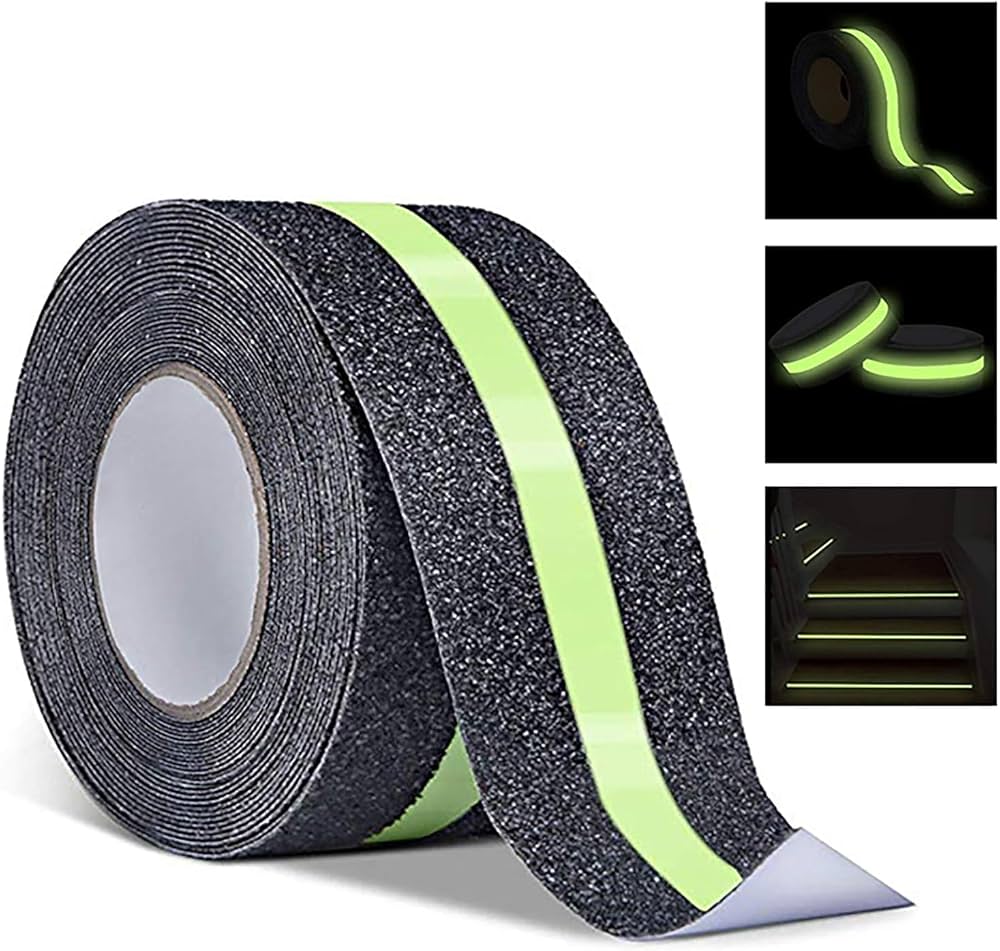
Anti-Slip Stair Grip Tape Roll (10-Step Coverage)
- ✓ Grit-textured surface grips even when wet
- ✓ Self-adhesive backing no tools needed
- ✓ Prevents slip-and-fall on marble stairs
* We earn a small commission — at no extra cost to you.
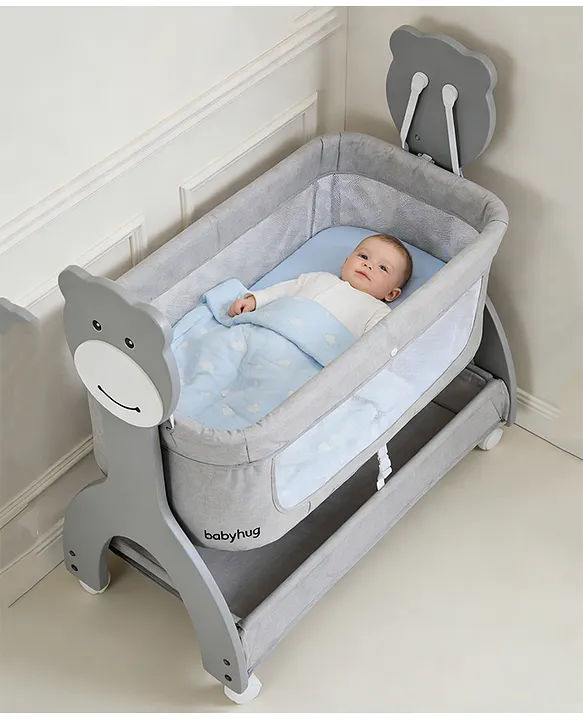
Babyhug Silver-Ion Anti-Microbial Crib Sheets (Pair)
- ✓ Silver-ion technology prevents mold growth
- ✓ 100% cotton with anti-bacterial treatment
- ✓ Monsoon-specific for high-humidity regions
* We earn a small commission — at no extra cost to you.
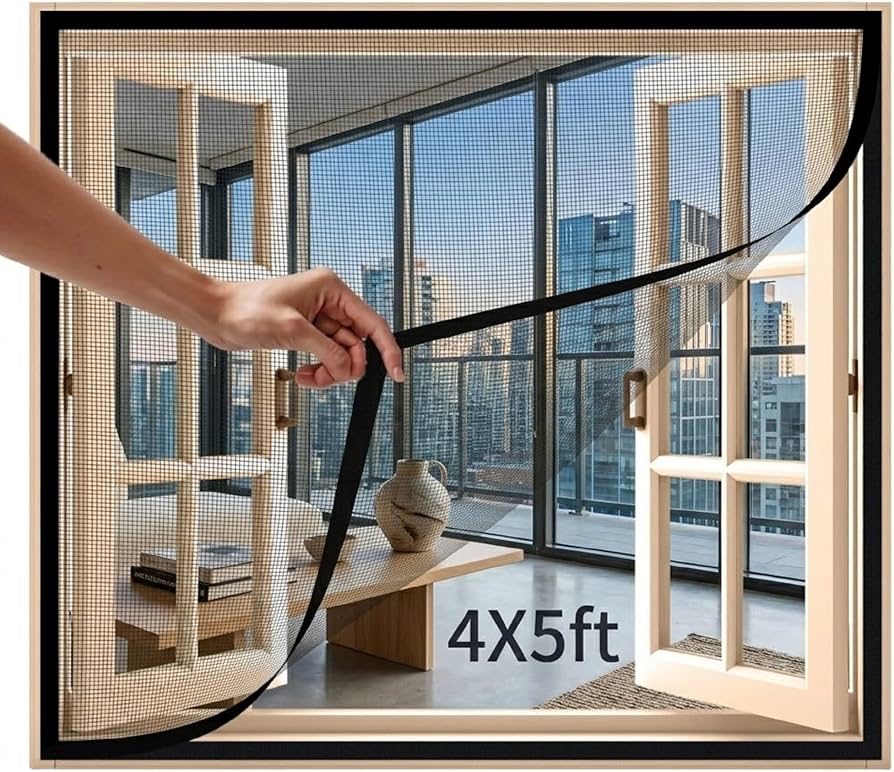
Magnetic Adhesive Window Mosquito Net (5-Meter Roll)
- ✓ 120-micron mesh blocks dengue mosquitoes
- ✓ Magnetic closure doesn't stick to walls
- ✓ Reusable and tear-resistant netting
* We earn a small commission — at no extra cost to you.
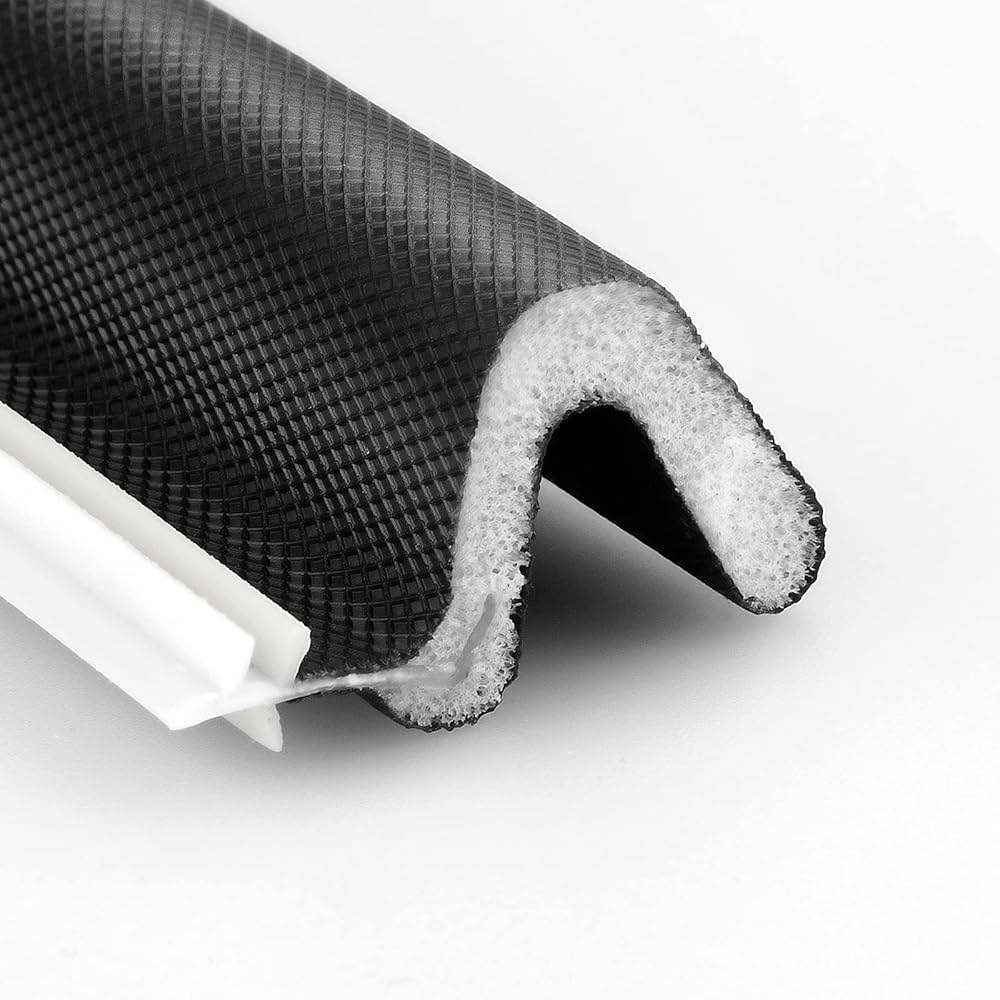
Door Sweep and Weather Strip Kit (Monsoon Grade)
- ✓ Stops water seepage under doors during heavy rain
- ✓ Adhesive backing no drilling required
- ✓ Fits standard door heights 2000–2150mm
* We earn a small commission — at no extra cost to you.
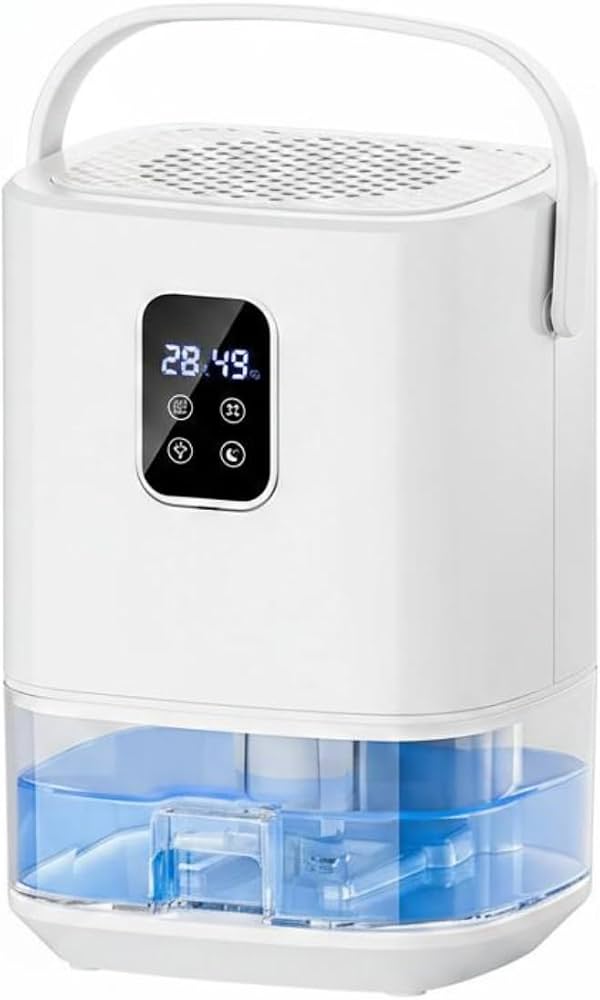
Compact Dehumidifier 15-Liter/Day Capacity (Monsoon Use)
- ✓ Reduces humidity from 80% to 55% in 4 hours
- ✓ Whisper-quiet operation safe for sleeping babies
- ✓ Auto-shutoff when water tank is full
* We earn a small commission — at no extra cost to you.