
Baby Safe from Mold: Room-by-Room Monsoon Checklist for Indian Homes (2026)
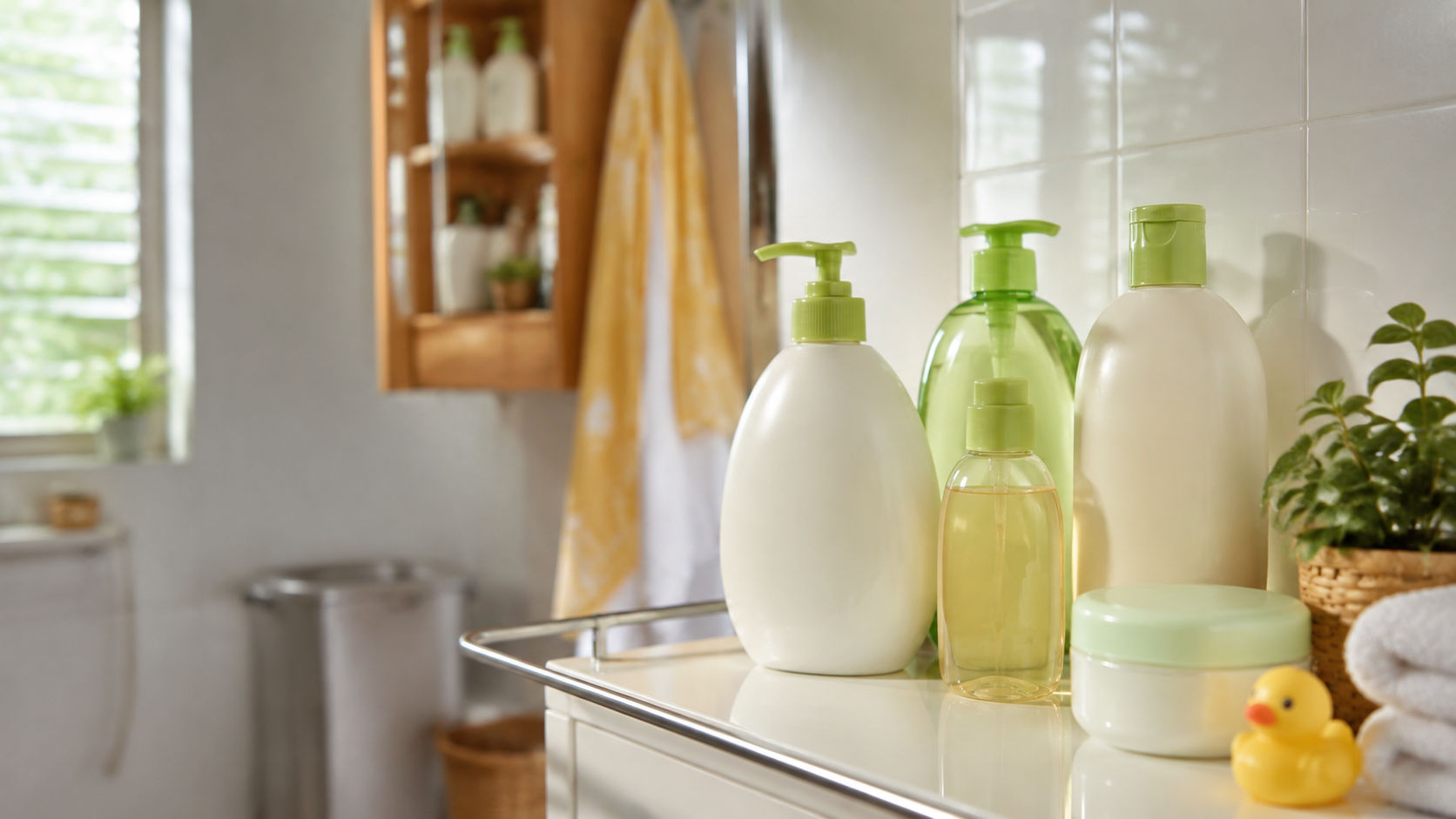
During India's monsoon season, babies face respiratory risks from mold spores in high-humidity homes (80–90% humidity). Protect them by rotating crib sheets every 2 days, using dehumidifiers (₹3000–₹8000) in bedrooms, installing exhaust fans in bathrooms, washing toys weekly, and storing kitchen utensils in airtight containers. IAP guidelines recommend maintaining indoor humidity below 60% to prevent fungal growth.
Monsoon in India brings relief from heat but also brings uninvited guests into our homes: mold, mildew, and fungal spores. For babies under 2 years whose immune systems are still developing, prolonged mold exposure can trigger respiratory issues, allergies, and infections. Your baby breathes 30–40 times per minute (compared to our 12–20), making them far more sensitive to air quality. This checklist covers every room in your home where mold lurks during the rains—and how to stop it before it affects your little one.
Below, we've listed the top dehumidifiers, anti-fungal sprays, mold-resistant mattresses, and storage solutions trusted by Indian parents. Every product mentioned is available on Amazon.in and aligns with safety standards from the Indian Academy of Pediatrics (IAP) and WHO guidelines for infant respiratory health.
Room-by-Room Baby Safe from Mold Checklist
Bedroom: The Crib & Sleep Zone
1. Rotate crib sheets every 2 days during monsoon.
Why: Moisture accumulates in bedding overnight, especially in high-humidity zones like Mumbai and Kolkata. Wet sheets create the perfect breeding ground for mold spores. Have at least 3–4 crib sheets on rotation so you always have a dry, freshly laundered one ready. Wash in hot water and dry completely in sunlight (if possible) or in a dryer set to high heat.
2. Install a dehumidifier in the bedroom (₹3000–₹8000).
Why: Dehumidifiers are devices that remove moisture from the air, maintaining humidity levels below 60%—the threshold at which mold stops growing. According to IAP recommendations for monsoon months, keeping indoor humidity between 40–50% significantly reduces respiratory infections in infants. Brands like Honeywell, Symphony, and Eveready offer compact, whisper-quiet models suitable for nurseries. Place it 3–4 feet away from the crib to ensure your baby isn't directly exposed to the device's air stream.
3. Use a mold-resistant crib mattress (₹4000–₹9000).
Why: Standard foam or cotton mattresses absorb moisture and develop mold within weeks during monsoon. Mold-resistant crib mattresses are made with hypoallergenic memory foam and anti-microbial covers that prevent fungal growth. Brands like Nilkamal, The Sleep Company, and Babyhug offer options with BIS certification.
4. Check behind the crib and under the mattress weekly.
Why: Air doesn't circulate well in tight spaces, so moisture and mold accumulate silently. Inspect for black spots, musty odours, or white fuzzy patches. If found, wipe with a diluted white vinegar solution (1:1 with water), allow to dry completely, and increase air circulation using a ceiling fan on low speed.
Bathroom: Moisture Control
5. Run the exhaust fan during and 20 minutes after every bath.
Why: Bath time releases hot, humid air directly into the bathroom—the most mold-prone room in any home. Running the exhaust fan removes this moisture before it settles. If your bathroom has no exhaust fan, consider installing one (₹2000–₹4000) or opening a window immediately after bathing your baby.
6. Use anti-fungal spray safe for babies (₹150–₹400).
Why: Brands like Godrej aer, Savlon, and Citronella offer anti-fungal sprays formulated to be safe around infants—they don't contain harsh ammonia or bleach that can irritate baby lungs. Spray bathroom walls, tiles, and corners once weekly. Always ensure the room is well-ventilated before and after spraying.
7. Hang towels outside the bathroom to dry.
Why: Damp towels in a closed bathroom accelerate mold growth. Hang baby's towels, washcloths, and your towels outside or in a sunny, airy spot. Wash all towels every 3 days during monsoon.
Kitchen: Dry Storage
8. Store baby bottles, sippy cups, and feeding utensils in airtight containers.
Why: Kitchen humidity during monsoon can cause mold to form inside bottle caps, spouts, and stored utensils—even after they've been washed and dried. Use food-grade plastic or glass containers with tight-fitting lids. Store containers in a cool, dry cupboard away from the sink. Check every 5 days to ensure no moisture has accumulated inside.
9. Dry bottles completely before storing (use a bottle drying rack, ₹200–₹500).
Why: Bottle drying racks allow air to circulate around each bottle, preventing moisture pockets where mold thrives. Brands like Pigeon, Mee Mee, and Babyhug offer compact, affordable racks designed to fit most kitchen spaces.
Living Room: Toy & Play Zone
10. Wash plastic toys weekly with warm soapy water.
Why: Babies explore the world by putting toys in their mouths. Mold spores on toys directly enter their respiratory tract. Soak toys in warm water with mild baby-safe soap, scrub thoroughly with a soft brush, rinse completely, and air-dry in sunlight. Store toys in breathable mesh or ventilated plastic bins (never sealed bags).
11. Use washable storage bins (₹400–₹1000) with drainage holes.
Why: Solid plastic toy boxes trap moisture and create mold colonies inside. Choose storage bins with small drainage holes or ventilation slots. Brands like Nilkamal and Urban Living offer monsoon-friendly options. Line the bottom with a thin layer of uncooked rice or silica gel packets (kept in a small cloth pouch) to absorb excess moisture.
12. Rotate toys outdoors once a week.
Why: Even with weekly washing, toys can develop mold if they remain indoors constantly. On dry days (or use a sunny balcony), place toys outside for 2–3 hours to air out completely. This breaks the mold spore cycle.
General Home Measures
Beyond room-specific steps, maintain at least 4 hours of natural ventilation per day—open windows early morning or late evening when humidity is lower (typically before 9 a.m. or after 6 p.m. in coastal cities like Mumbai and Goa). Use ceiling fans on low speed continuously to improve air circulation. Avoid using humidifiers during monsoon; your home already has excess moisture. If you notice musty smells or persistent dampness, consider a whole-house dehumidifier system (₹8000–₹15,000) or consult a mold remediation specialist.
What Paediatricians Say
IAP (Indian Academy of Pediatrics) states that mold exposure in infants correlates with increased incidence of recurrent respiratory infections and early-onset allergic reactions. Maintaining humidity below 60% and ensuring adequate ventilation are the first-line preventive measures before considering any topical treatments. WHO guidelines emphasize that moisture control is more effective than cleaning once mold appears.
Our Top Picks
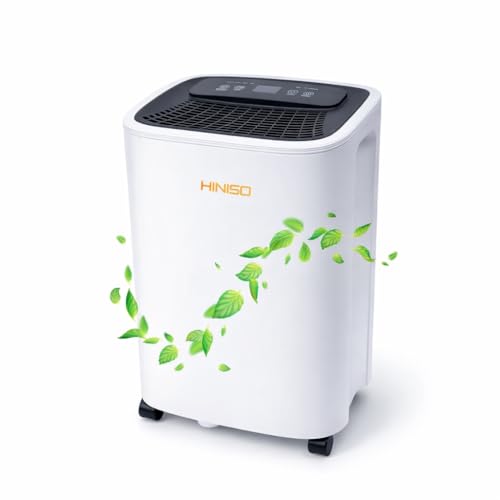
Honeywell DH60 Dehumidifier for Home
- ✓ Capacity: 30 liters per day
- ✓ Humidity control: 35-85% RH range
- ✓ Whisper-quiet operation for nurseries
* We earn a small commission — at no extra cost to you.
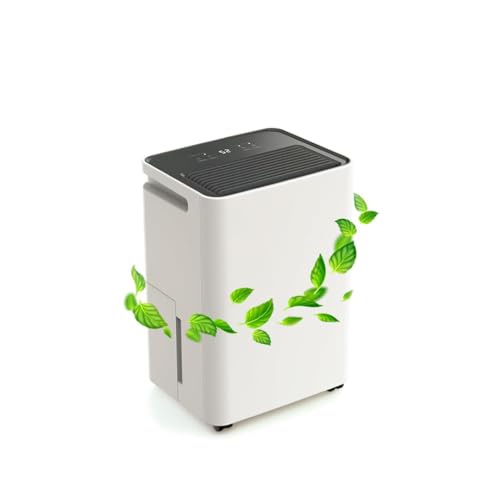
Symphony Smart Dehumidifier 20L
- ✓ Capacity: 20 liters per day
- ✓ Compact design suitable for small bedrooms
- ✓ Auto-shutoff when tank is full
* We earn a small commission — at no extra cost to you.
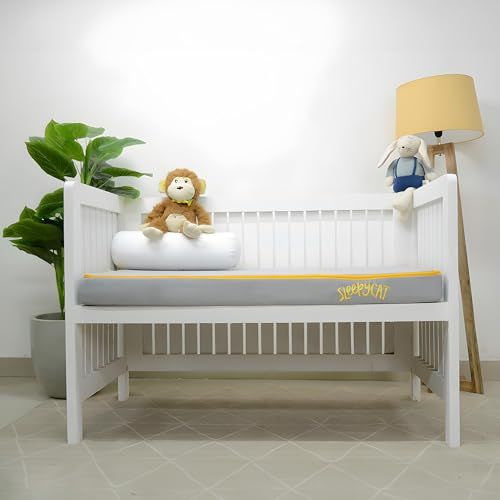
Nilkamal Plastic Antimicrobial Crib Mattress
- ✓ Hypoallergenic memory foam core
- ✓ Anti-microbial cover prevents mold growth
- ✓ BIS certified, fits standard Indian cribs
* We earn a small commission — at no extra cost to you.
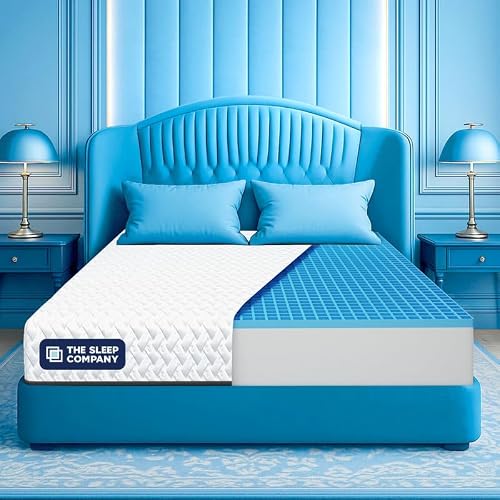
The Sleep Company SmartGRID Baby Mattress (Small Crib)
- ✓ Natural latex blend with breathable fabric
- ✓ Mold and dust mite resistant
- ✓ Hypoallergenic, OEKO-TEX certified
* We earn a small commission — at no extra cost to you.
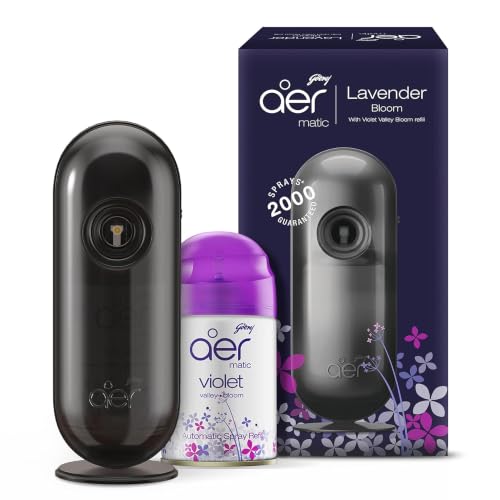
Godrej aer Instant Fresh Spray (Monsoon Citronella)
- ✓ Safe for use around babies (no ammonia/bleach)
- ✓ Anti-fungal properties for monsoon rooms
- ✓ 150 ml bottle, long-lasting fragrance
* We earn a small commission — at no extra cost to you.
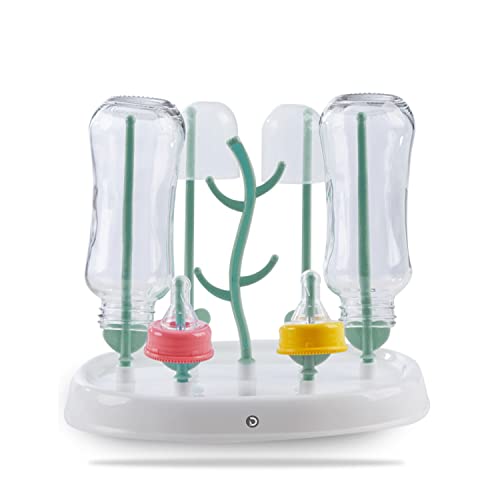
Pigeon Compact Bottle Drying Rack (6 Bottle Capacity)
- ✓ Allows air circulation to prevent moisture
- ✓ BPA-free polypropylene
- ✓ Space-saving design for kitchen counters
* We earn a small commission — at no extra cost to you.
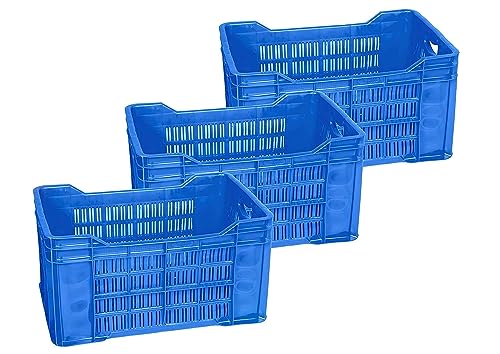
Nilkamal Ventilated Plastic Storage Bins (Set of 3, 10L each)
- ✓ Ventilation slots prevent mold accumulation
- ✓ Food-grade plastic, stackable design
- ✓ Suitable for toy storage and kitchen utensils
* We earn a small commission — at no extra cost to you.
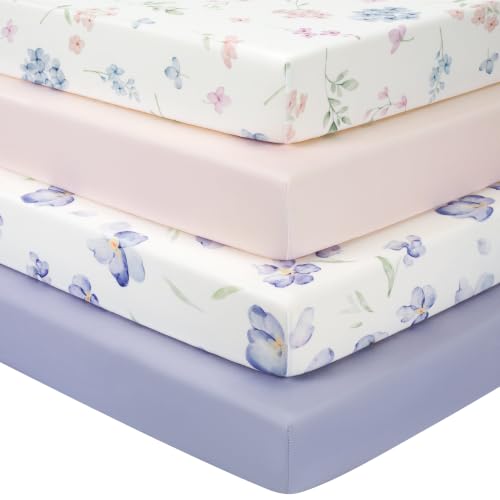
Babyhug Mold-Resistant Crib Sheet Set (Pack of 4)
- ✓ 100% cotton with anti-microbial treatment
- ✓ Fits Indian standard cribs (27x42 inches)
- ✓ Machine washable, quick-drying fabric
* We earn a small commission — at no extra cost to you.
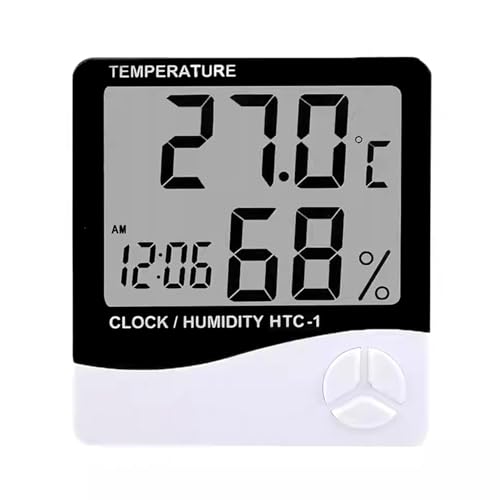
Digital Humidity Meter for Room Monitoring
- ✓ Measures humidity from 10-99% RH
- ✓ Large LCD display, battery-powered
- ✓ Compact size for bedroom or nursery
* We earn a small commission — at no extra cost to you.