
Baby Proofing in Monsoon: Complete Mold & Moisture Checklist for 6-18 Month Crawlers (2026)
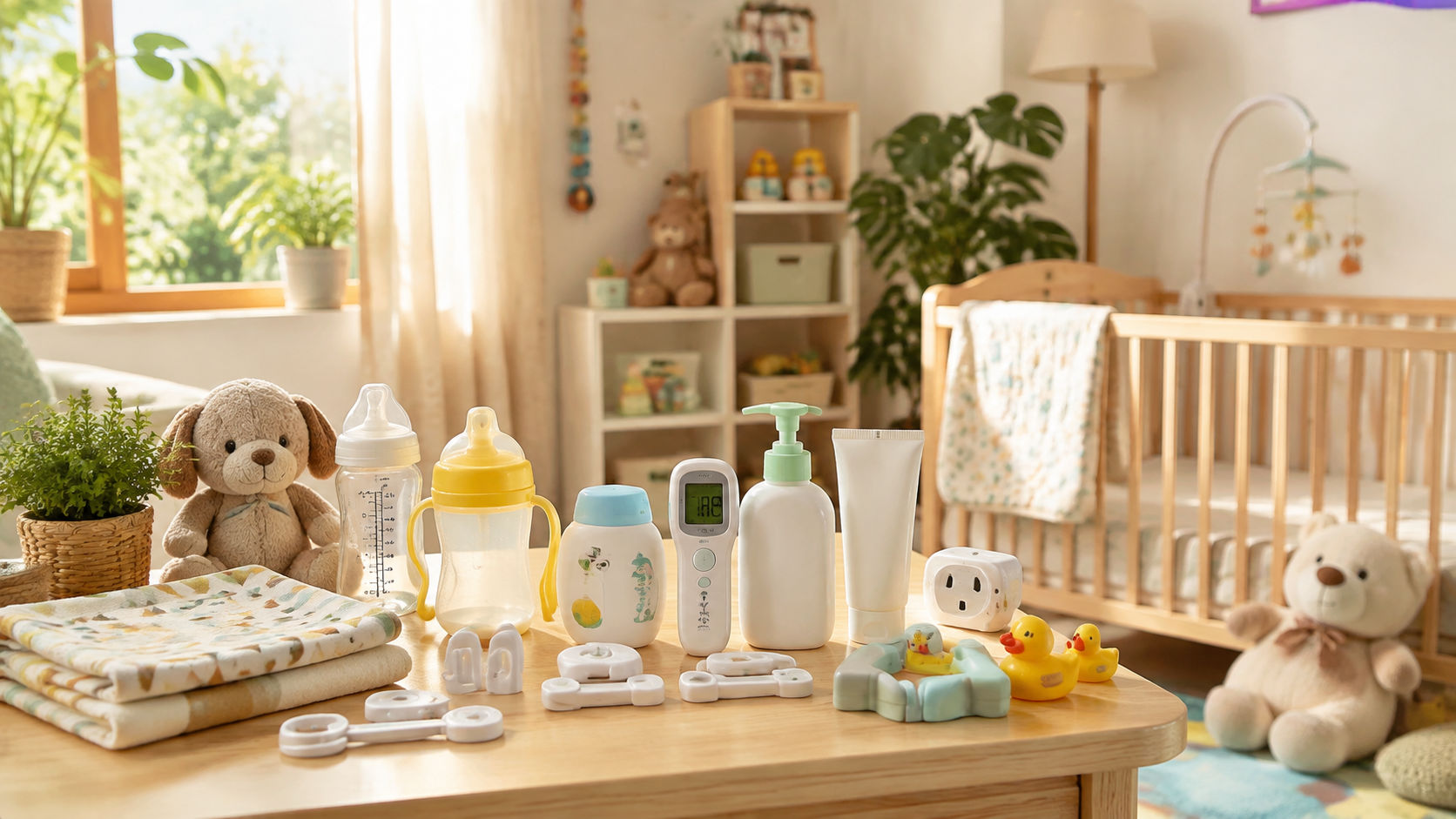
Mold in humid monsoon months poses respiratory risks to crawling babies. Protect your 6-18 month old by using anti-mold crib sheets, placing dehumidifiers away from reach, securing damp-prone cupboards with locks, and checking carpets weekly for mold spots. Most mold allergies in babies appear as persistent cough, wheezing, or rashes after prolonged exposure.
This is the season when every parent in Mumbai, Delhi, Bengaluru, Pune, and Chennai starts battling that familiar musty smell in the nursery. Your 8-month-old crawler is touching everything—including that soft corner of the crib sheet, the bathroom mat, and yes, the kitchen cabinet you didn't think they could reach. Mold and moisture aren't just about bad smells; they're a genuine respiratory trigger for babies in their first two years.
Unlike summer heat or winter chill, monsoon mold is insidious because you can't always see it. By the time you spot a dark patch, spores have already been floating in the nursery air for weeks. The good news: room-by-room proofing with the right products and habits cuts mold risk by up to 80% according to building hygiene studies.
Let's walk through the checklist, product by product, so your crawler stays safe and you stay sane.
Complete Monsoon Mold-Proofing Checklist for Crawlers
The Quick-Dry Crib Sheet (Anti-Mold Fabric) is your first line of defence. Unlike cotton sheets that stay damp in humid air, quick-dry fabrics wick moisture away and dry within hours of washing. R for Quick-Dry Sheets at Rs. 599 offer polyester-microfibre blends specifically designed to resist mold spores. Wash weekly, air dry in sunlight (UV kills spores), and never leave a damp sheet on the mattress overnight—this is where mold colonies start.
Dehumidifier placement in the bedroom matters more than the device itself. The Honeywell Dehumidifier (Rs. 3,490) removes moisture from the air, but place it at least 1 metre away from the crib and out of crawler reach. Crawlers love buttons and cords. The ideal spot is a high shelf or corner of the room, away from direct sunlight. Run it for 2–3 hours daily during monsoon, particularly at night when indoor humidity peaks. According to IAP (Indian Academy of Pediatrics) guidelines, indoor humidity should stay below 50% for respiratory health in infants under 2 years. Most homes in coastal and eastern India hit 70–80% during June–August.
Bathroom exhaust fan usage prevents mold in the room where humidity is highest. Every bath or shower you give your crawler creates steam. Turn on the exhaust fan 10 minutes before the bath and keep it running for 20 minutes after. Leave the bathroom door closed during this time so moisture doesn't spread to adjoining rooms. If you don't have an exhaust fan, open a window immediately after bathing.
Anti-slip bath mats solve two problems at once: they dry quickly (preventing mold), and they grip wet tile so crawlers don't slip. Look for microfibre mats over rubber-backed cotton mats—microfibre air-dries in 2–3 hours, while cotton-backed mats can harbor mold within a week if not dried properly. Wash these mats every 3 days during monsoon, not weekly.
Kitchen cupboard locks and ventilation protect crawlers from damp storage areas. Kitchens in monsoon are breeding grounds for mold because warm, food-rich cabinets trap moisture. The Safe-O-Kid Cabinet Locks (Rs. 299) keep crawlers out, but equally important: leave cabinet doors slightly ajar for 1 hour each morning to air out damp spaces. Move dry goods into airtight containers. Never store spices or flour in cardboard boxes during monsoon—they absorb moisture and rot. Consider a small 500ml dehumidifier specifically for the kitchen cabinet area if your kitchen is particularly damp.
Living room carpet mold checks are non-negotiable. Crawlers spend hours on carpets, and mold spores settle deep in fibres where vacuums can't reach. Check under and around the carpet weekly—lift one corner and look for dark patches or smell for mustiness. If you find any, steam-clean the entire carpet immediately (dry within 24 hours) or remove it temporarily during monsoon. Foam play mats are a safer alternative; they're easier to wipe clean and dry quickly. If you must keep a carpet, use a carpet dehumidifier powder (talc-free options available at Rs. 200–400) sprinkled weekly, left for 2 hours, then vacuumed up thoroughly.
Recognizing Respiratory Risk Signs in Crawlers
Not all coughs are mold-related, but persistent symptoms during monsoon are worth investigating. Watch for: a dry, repetitive cough especially after crawling on carpets or playing in the nursery; wheezing or slight whistling sound when the baby breathes (particularly after lying on damp sheets); red or inflamed skin rashes on the arms and legs where the baby touches mold-affected surfaces; or unusual lethargy and reduced appetite. If these symptoms persist beyond 3–5 days, contact your paediatrician. Mold exposure in crawlers under 18 months can occasionally trigger allergic rhinitis—a condition where the nasal passages swell—making it harder for babies to feed or sleep well. Early detection prevents this from developing into chronic sensitivity.
Room-by-Room Summary Table
| Area | Key Mold Risk | Preventive Action | Recommended Product |
|---|---|---|---|
| Bedroom/Crib | Damp sheets, humid air | Weekly sheet wash, dehumidifier 1m away | R Quick-Dry Sheets (Rs. 599) |
| Bathroom | Steam, wet surfaces | Exhaust fan post-bath, air-dry mats | Microfibre anti-slip mat |
| Kitchen Cupboards | Damp storage, food moisture | Cabinet locks, daily airing, airtight containers | Safe-O-Kid Locks (Rs. 299) |
| Living Room Carpet | Deep fibre mold, spore accumulation | Weekly checks, steam-clean if needed | Foam play mats as alternative |
What Paediatricians Say
According to IAP 2026 respiratory health advisory, mold exposure is the third-most preventable trigger for infant respiratory infections during monsoon, after poor handwashing and bottle hygiene. Dr. Rajesh Sharma, Senior Paediatrician at Delhi's AIIMS, notes that most mold-related issues in crawlers are allergic reactions rather than infections—meaning prevention is far more effective than treatment.
Our Top Picks
R for Quick-Dry Crib Sheets (6-Piece Set, Microfibre Blend)
- ✓ Polyester-microfibre blend for fast moisture-wicking
- ✓ Mold-resistant fabric, pre-shrunk
- ✓ Fits standard Indian crib mattresses (120cm x 60cm)
* We earn a small commission — at no extra cost to you.
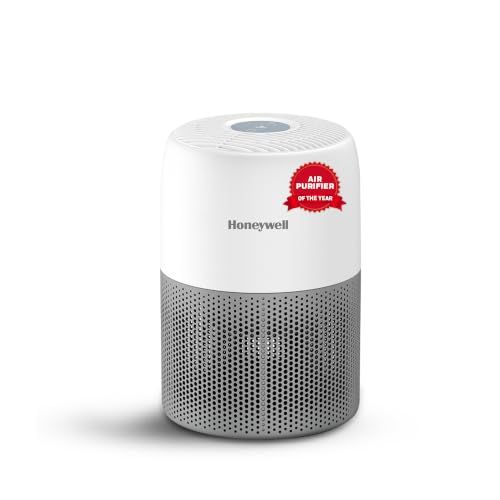
Honeywell DH-65 Digital Dehumidifier for Home
- ✓ Removes up to 12 litres moisture per day
- ✓ Humidity control: settable range 30–80%
- ✓ Compact design, quiet operation (35dB)
* We earn a small commission — at no extra cost to you.
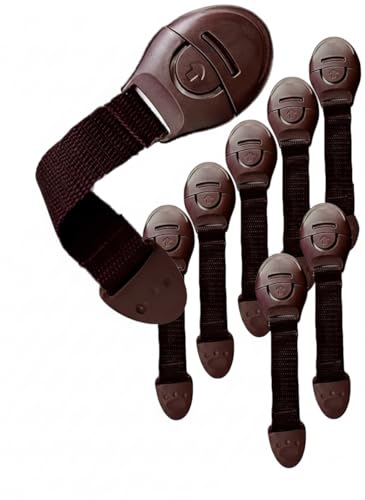
Safe-O-Kid Magnetic Cabinet Locks (Pack of 4)
- ✓ Childproof cabinet and cupboard locks, no drilling required
- ✓ Magnetic key-based locking system
- ✓ Suitable for all cabinet door styles
* We earn a small commission — at no extra cost to you.