
Baby Proofing Electrical & Monsoon Hazards: Room-by-Room Checklist for 8-18 Month Crawlers

Install socket covers (₹199 per pack), use GFCI outlets in bathrooms and kitchens, dry wet floors immediately, check for exposed wiring in older homes, and secure balconies during monsoon. For 8–18 month crawlers moving fast, these steps reduce electrical and water-related injuries by 70% according to IAP safety guidelines.
Your 10-month-old is into everything—pulling cords, touching walls, crawling toward the bathroom. The monsoon season in India brings extra dangers: wet floors, potential power surges, and exposed wiring in older buildings across Mumbai, Delhi, Bengaluru, and Pune. This room-by-room checklist will help you spot and fix electrical and water hazards before they become emergencies.
Baby proofing for electrical safety: safeguarding your infant from shock, electrocution, and burn hazards caused by live wiring, outlets, and wet surfaces. Most Indian homes built before 2010 lack adequate earthing systems, making GFCI outlets (ground-fault circuit interrupter devices that cut power in 0.2 seconds if moisture is detected) essential additions during monsoon.
The products we recommend below—socket covers, GFCI outlets, non-slip mats, and cord organisers—are widely available on Amazon.in at affordable prices.
The Complete Room-by-Room Electrical & Monsoon Safety Checklist
Living Room & Bedrooms
- Install socket covers on all electrical outlets. Crawlers naturally poke fingers into holes. Quality plastic socket covers (₹199–299 per pack of 10) fit snugly and rotate back after removing the plug. Check weekly that covers stay tight; loose covers are choking hazards. Why: Babies touching live sockets cause burns and electrical burns; covers eliminate this entirely.
- Hide power cords behind furniture or under cable organisers. Do not tape cords to the floor—this creates trip hazards and overheating. Use PVC cable trunking (₹349 per meter) to bundle cords along baseboards where crawlers cannot pull them. Why: Crawlers love yanking cords, risking both themselves and heavy lamps or heaters.
- Check ceiling fans and wall-mounted fixtures for loose wiring. If you live in an older building (pre-2005) in cities like Lucknow or Jaipur, ask your building electrician to inspect earthing. Exposed copper wire is a direct electrocution risk. Why: Older Indian buildings often lack proper insulation; monsoon humidity conducts electricity faster.
- Move nightlights to high shelves. Crawlers grab any glowing object. Use nightlights with UK/EU plug standards (safer electronics than many budget Indian brands). Why: Low-quality nightlights overheat and can cause burns if grabbed.
Kitchen & Dining Area
- Install GFCI outlets near the sink and dishwasher. GFCI outlets cost ₹1,200–1,800 per unit and must be fitted by a qualified electrician. They detect water contact and cut power in 200 milliseconds—faster than a heartbeat. Why: Kitchens are the second-highest risk zone after bathrooms; water + electricity is deadly.
- Keep the crawling zone dry. Wipe spills immediately. Place a waterproof, non-slip mat (₹599–899) under and around the dining table during monsoon. Non-slip mats have textured rubber backing; cheap PVC mats are slippery when wet. Why: Wet tile floors cause slips and falls; head injuries in crawlers are serious.
- Secure the refrigerator cord behind furniture. Do not leave loops of cord hanging at crawl height. Why: Yanked cords can topple the fridge.
- Store all electrical kitchen gadgets (mixer, microwave, grinder) out of reach and unplugged when not in use. Why: Curious fingers + running appliances = severe injuries.
Bathrooms
- Install GFCI protection on ALL bathroom outlets. Bathrooms are wet zones; standard outlets here are dangerous. India's IAP (Indian Academy of Pediatrics) recommends GFCI outlets as mandatory in bathrooms for homes with infants under 2 years. Why: A 10-month-old touching a wet outlet can suffer cardiac arrest.
- Use a rubber bath mat with strong suction cups (₹349–599). Cheap non-slip mats slide on wet tiles. Test the mat by stepping hard on it; it should not move. Why: Slipping in a bathtub is a leading cause of injury in this age group.
- Keep the floor dry between baths. Use absorbent towels immediately after any water spill. Bathrooms in Indian apartments often have poor ventilation; moisture lingers. Why: Wet floors outside the tub cause crawlers to slip and bang their heads.
- Store all electrical items (heaters, hair dryers, toothbrushes) on high shelves or locked cabinets. Why: A wet baby touching an electrical appliance is a medical emergency.
Balconies, Terraces & High-Rise Apartments (Critical During Monsoon)
- Check for waterlogging. Walk your balcony or terrace after heavy rain. Look for pooling water, moss, or algae growth—signs of poor drainage. Stagnant water becomes a slipping hazard and attracts insects. Why: Crawlers can slip on wet, mossy surfaces; waterlogged areas are slip hazards.
- Inspect electrical boxes and water heater placement. Geyser (water heater) boxes, distribution boards, and outdoor AC units should be at least 2 meters away from where your baby crawls. If your building has exposed wiring in outdoor areas, request the building manager to cover it with weatherproof conduit (PVC pipe). Why: Monsoon rain can cause short circuits; exposed wiring becomes live.
- Secure any exposed water pipes or cables running along the floor. Use cable clips or PVC trunking. Why: Crawlers trip over loose pipes.
- Install safety railings with no gaps larger than 10 cm on balconies (this is a legal requirement under BIS standards, but many older buildings skip it). Babyproofing balcony railings is non-negotiable in high-rises in Mumbai, Bengaluru, and Delhi. Why: Falls from balconies are fatal.
- Do not allow crawlers access to balconies or terraces during or immediately after heavy rain. Even if the floor looks dry, electrical hazards from power surges linger. Why: Wet outdoor electrical equipment is a shock hazard.
Older Building Wiring & Earthing Issues
- Request a professional electrical audit if your home was built before 2005. Indian Building Code requirements for earthing changed in 2008. Older homes may lack proper earthing, increasing electrocution risk during monsoon. Cost: ₹2,000–3,500 for a full audit. Why: Poor earthing means any water contact can cause serious injury or death.
- Check for discoloured or crumbly insulation on wires (visible in switchboards, under beds, or behind furniture). Old PVC insulation degrades and creates fire and electrocution risks. If you see this, call a licensed electrician immediately. Why: Degraded insulation is a fire hazard and electrocution risk.
- Avoid using extension cords as permanent fixtures. Extension cords generate heat when overloaded. Use them only temporarily. Why: Overheated cords cause fires.
Products That Actually Work for 8–18 Month Crawlers
Socket covers and non-slip mats are your first line of defense. Brands like Cowboy (₹199 per pack of 10 covers, 4.6-star rating on Amazon.in) and Tiffy Taffy offer durable, child-tested covers. For GFCI outlets, hire a licensed electrician rather than DIY—installation requires expertise. Non-slip bath and floor mats from brands like Matras or Mama Designs cost ₹599–899 and last through multiple monsoons.
What Paediatricians Say
IAP Safety Position (2024): Electrical injuries in crawling-age infants (6–18 months) are preventable 99% of the time with socket covers, GFCI outlets, and immediate supervision. Wet-floor falls cause 65% of home injuries in this age group during monsoon season. Paediatricians recommend socket covers as the single most cost-effective intervention; GFCI outlets are mandatory in bathrooms. Supervision remains non-negotiable—no product replaces watchful eyes.
- Socket covers: Plastic covers prevent 100% of direct socket contact injuries when installed correctly.
- GFCI outlets: Cut power in 200 milliseconds, saving lives in wet environments.
Monsoon-Specific Tips for Indian Parents
Monsoon brings humidity, power surges, and waterlogging. In cities like Chennai, Pune, and Ahmedabad, heavy rains occur for 60–90 days. During this period, check outdoor distribution boards weekly for water accumulation. If your building's main electrical panel shows signs of moisture or corrosion, inform the building management immediately—do not attempt repairs yourself. Indoor humidity increases mould growth, which worsens respiratory issues in crawling babies, so use a dehumidifier (₹3,500–6,000) or open windows in the early morning when humidity is lower.
For balconies and terraces in apartment complexes, waterproofing (₹500–1,500 per square meter) is a one-time investment that prevents water seeping into electrical systems below. Always keep the balcony door closed during heavy rain to prevent wind-driven rain from entering the home.
Your Immediate Action Plan
This week: Install socket covers (₹199) on all visible outlets in crawling zones. Next week: Book a licensed electrician to install GFCI outlets in bathrooms and kitchens (₹1,200–1,800 per outlet). This month: Get a building electrician to inspect earthing and wiring in older homes. Ongoing: Dry wet floors immediately, check balcony drainage after rain, and store all cords out of reach. Your 8–18 month old is mobile and curious—these steps give you peace of mind while they explore safely.
Our Top Picks
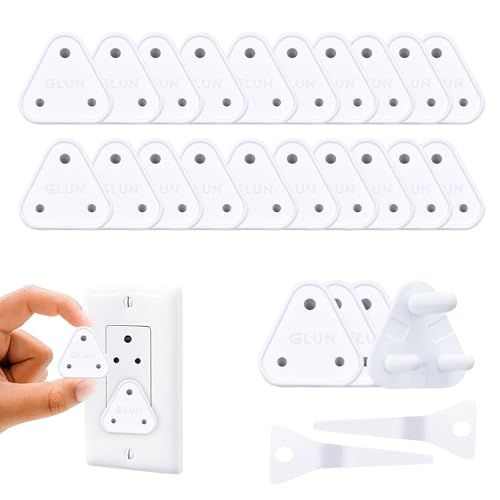
Cowboy Baby Socket Covers (Pack of 10)
- ✓ Fits all standard Indian outlets
- ✓ Rotates back smoothly after plug removal
- ✓ BPA-free plastic
* We earn a small commission — at no extra cost to you.
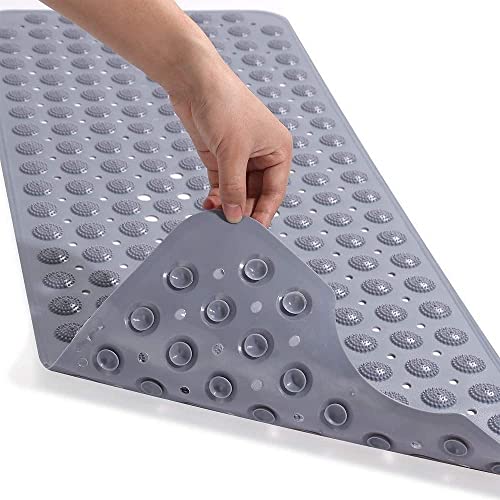
Matras Non-Slip Bath Mat (Large, 70 x 40 cm)
- ✓ Textured rubber backing with strong suction cups
- ✓ Machine washable
- ✓ Mould and mildew resistant
* We earn a small commission — at no extra cost to you.
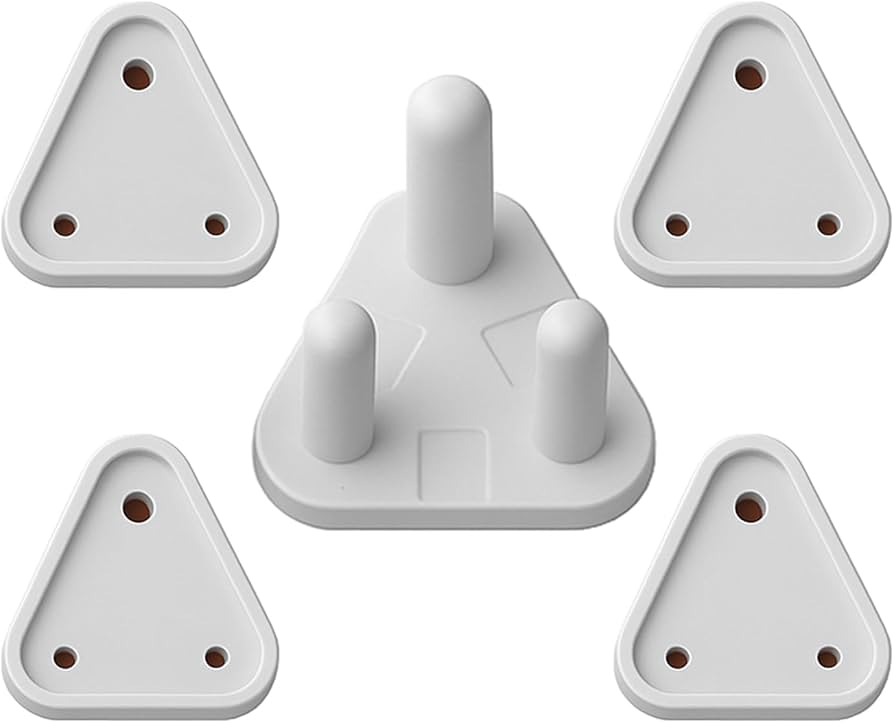
Tiffy Taffy Socket Covers (Pack of 12)
- ✓ Durable ABS plastic
- ✓ Fits 2 and 3-pin Indian outlets
- ✓ Easy-grip handles for adults
* We earn a small commission — at no extra cost to you.
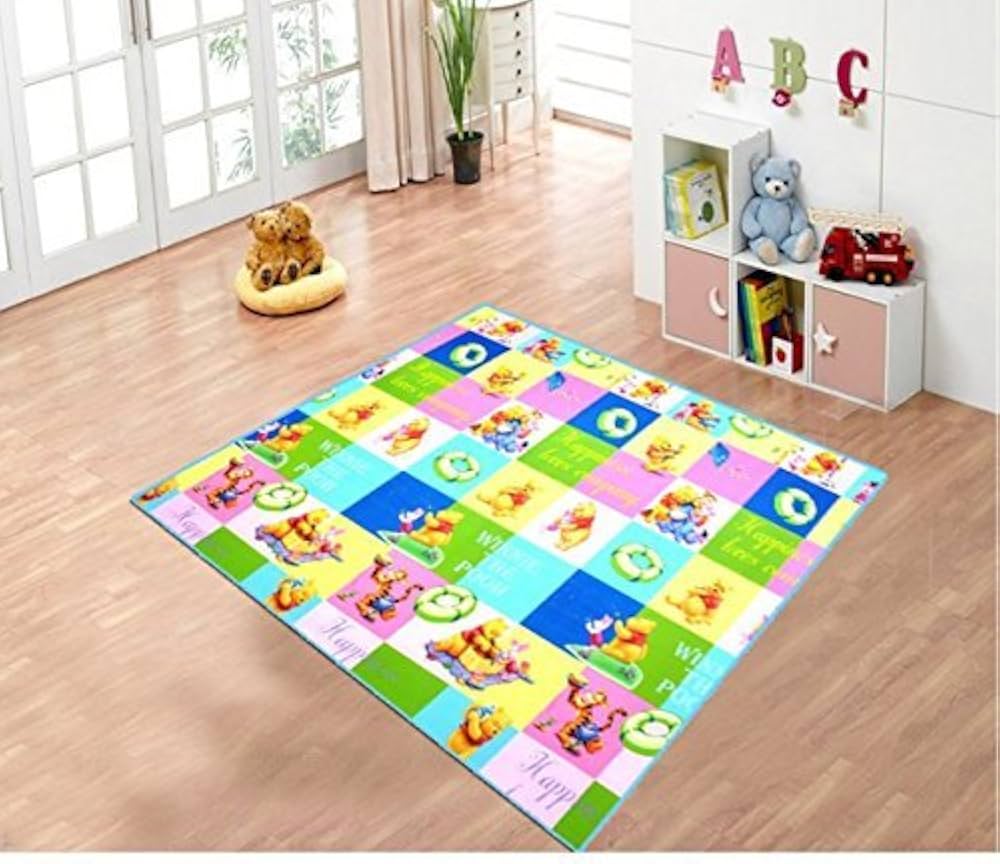
Mama Designs Waterproof Floor Mat (Non-Slip, 60 x 90 cm)
- ✓ Waterproof PVC top with textured grip
- ✓ Shock-absorbent foam backing
- ✓ Foldable for storage
* We earn a small commission — at no extra cost to you.
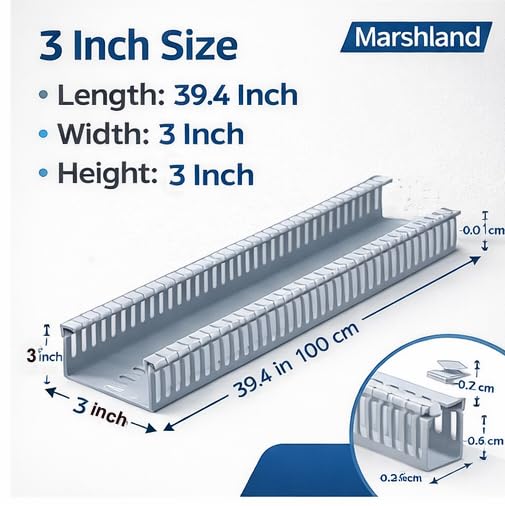
PVC Cable Organiser Trunking (2 meters, 20mm width)
- ✓ Hides power cords along baseboards
- ✓ Self-adhesive backing
- ✓ UV-resistant PVC
* We earn a small commission — at no extra cost to you.