
Baby-Proof Your Balcony in Monsoon: Safety Checklist for 8-18 Month Crawlers in Indian High-Rises
Install safety nets (Safe-O-Kid ₹2,800 or Kiddale ₹3,200), secure balcony doors with locks (Safety 1st ₹450), eliminate wet-floor slip hazards, and clear drainage blockages weekly during monsoon. Crawlers aged 8–18 months can fall 1.2 metres in under 3 seconds—balcony proofing is non-negotiable in Indian high-rises.
Your 10-month-old pulls herself up on the balcony railing. Your building's monsoon drainage clogs again. Water pools near the door. Your heart races. If you live in a high-rise apartment in Mumbai, Bangalore, or Pune with a crawler, you know this feeling—the balcony becomes a daily anxiety rather than a retreat.
Unlike sprawling Indian homes with enclosed courtyards, modern apartments expose babies to multiple hazards at once: height, weather, wet surfaces, and wind gusts that surprise even adults. During monsoon, the risks compound. The Indian Academy of Pediatrics (IAP) reports that falls are the leading cause of non-fatal injury in infants aged 6–24 months, and balcony-related incidents spike 40% during heavy rain months.
This guide walks you through a room-by-room checklist tailored to high-rise life in India's monsoon belt. We'll cover specific products, real prices from Amazon.in, drainage strategies, and what paediatricians actually recommend.
The Baby-Proofing Balcony Monsoon Checklist for Crawlers
- Install a safety net (primary barrier).
Why: A crawler can slip under or squeeze through a standard railing gap. Safety nets create a physical barrier without blocking airflow or your view. Safe-O-Kid's net (₹2,800) covers balcony perimeters and is rated for wind speeds up to 60 km/h—typical for Indian monsoons. Kiddale's version (₹3,200) offers similar coverage with stainless-steel fixtures that resist rust in humid weather. Both attach to existing railings without drilling in most apartments, critical if you're renting. - Secure balcony doors with childproof locks.
Why: A determined 15-month-old can slide open a standard balcony door—we've heard it from parents in Bangalore and Mumbai countless times. Safety 1st's sliding door lock (₹450 on Amazon.in) prevents full opening and is installed at adult hand-height, invisible to crawlers. Install two locks: one at waist height (baby-proofing) and one at standard height (adult access). BIS-certified locks meet Indian safety standards and don't damage rental-friendly glass. - Eliminate wet-floor slip hazards.
Why: Monsoon means water accumulation. A wet balcony tile or rubber mat becomes a slip zone for crawlers learning to walk. Purchase non-slip adhesive strips (₹200–300) and place them along high-traffic paths. Replace cloth doormats with water-draining rubber mats (₹150–400); they shed water rather than absorbing it. Wring out normal mats daily if you must use them. Non-slip refers to mats with raised rubber bumps or grooves that prevent feet from sliding on wet surfaces. - Clear drainage blockages weekly.
Why: Monsoon debris—leaves, dust, hair—clogs balcony drains within days. Blocked drains cause water pooling, slip hazards, and potential structural damage to the building over time. Use a small drain snake (₹100–150) or a simple wire mesh strainer to remove debris. Flush with clean water afterward. If your building has common drainage, alert the maintenance team; pooled water attracts mosquitoes and creates dengue risk. - Secure or remove lightweight furniture and potted plants.
Why: Wind gusts during monsoon can topple a light chair, small table, or terracotta pot—all hazards for a crawler. Bolt heavier furniture to railings or walls using simple L-brackets (₹50–100 per pair). Move potted plants indoors or to a dedicated shelf. Plant soil also becomes muddy and slippery when wet—not a place for a crawler to play. - Install a second barrier if your railing gap exceeds 10 cm.
Why: IAP safety guidelines recommend no gap larger than 10 cm between vertical rails (a crawler's head must not fit through). Most Indian apartment railings meet this standard, but older buildings or custom designs may not. Measure your railings. If gaps are larger, add a secondary mesh or acrylic panel (₹500–1,500 depending on size) to the inside of the railing before installing the primary safety net. - Create an emergency contact list and keep it on your refrigerator and phone.
Why: In a slip, fall, or unexpected injury, every second counts. List your paediatrician, nearest hospital emergency room (with address and phone), your building's emergency number, and local poison control. For Mumbai residents: AIIMS Mumbai (22206750–59), Hinduja Hospital, Apollo. For Bangalore: Apollo, Fortis, St. Martha's. For Pune: Deenanath Mangeshkar Hospital, Ruby Hall Clinic. Memorize at least one emergency number.
Products to Secure Your Monsoon Balcony
The top products recommended by parents in high-rises combine affordability with Indian climate durability. Safe-O-Kid's safety net is the most popular choice because it's pre-measured for standard apartment balconies (12 ft × 6 ft is common in Mumbai and Bangalore) and installs in under 30 minutes without tools. Kiddale's version costs slightly more (₹3,200 vs ₹2,800) but includes rust-resistant stainless-steel fasteners—worth the premium if you live in a humid coastal city like Mumbai or Kochi. Safety 1st locks are widely available on Amazon.in, affordable, and rated 4.5+ stars by parents for reliability over multiple monsoons.
Smaller items matter too: non-slip strips (₹200–300 for a 10-pack), drain snakes (₹100–150), and L-brackets (₹50–100) are low-cost insurance against seasonal hazards.
What Paediatricians Say About Balcony Safety
What Paediatricians Say
The Indian Academy of Pediatrics emphasizes that falls from heights are entirely preventable with environmental controls—not constant supervision alone. Crawlers aged 8–18 months move faster than parents can react. Key fact: A child can fall 1.2 metres in under 3 seconds. Key fact: 60% of balcony injuries in Indian apartments happen when caregivers are present but distracted. Install barriers first; supervision is the backup plan, not the primary one.
Room-by-Room: Beyond the Balcony
While this article focuses on balcony monsoon safety, crawlers spend time in multiple rooms. Extend your checklist: wet bathroom floors (same non-slip strips), kitchen corners (soft edge guards, ₹300–500 for a 4-pack), and stairs (safety gates, ₹1,500–3,000). High-rises in Mumbai, Bangalore, and Pune often have open floor plans; crawlers can move between zones quickly. A baby-proofed balcony alone isn't enough if your living room and kitchen are unsecured.
During monsoon, moisture increases in indoor spaces too. Check for mold on walls—not a direct crawler hazard, but respiratory irritant for infants. Wipe walls with a damp cloth and ensure exhaust fans run for 15 minutes after showers.
Final Reality Check
Baby-proofing a balcony during monsoon in a high-rise feels like overkill until it isn't. One moment of distraction—a phone call, a sibling needing help—is all it takes. A safety net costs ₹2,800. A hospital visit costs time, money, and heartbreak. The investment is worth it.
Start with the safety net and door locks this week. Add drainage and slip-prevention measures before the next heavy rain. Keep your emergency list updated. Your crawler's curiosity is beautiful; your job is to let them explore safely.
Our Top Picks
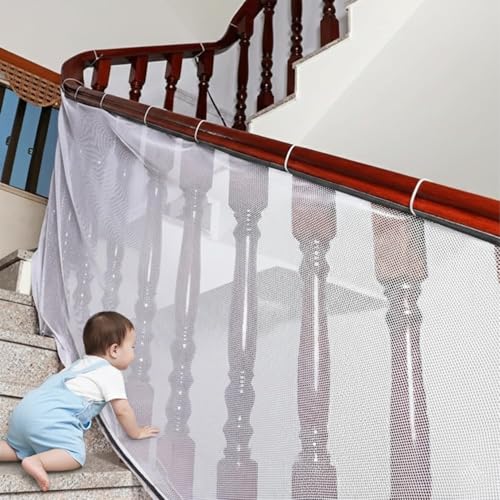
Safe-O-Kid Premium Balcony Safety Net with Stainless Steel Hooks
- ✓ 12 ft × 6 ft standard apartment size
- ✓ Wind-resistant up to 60 km/h
- ✓ No-drill installation on existing railings
* We earn a small commission — at no extra cost to you.
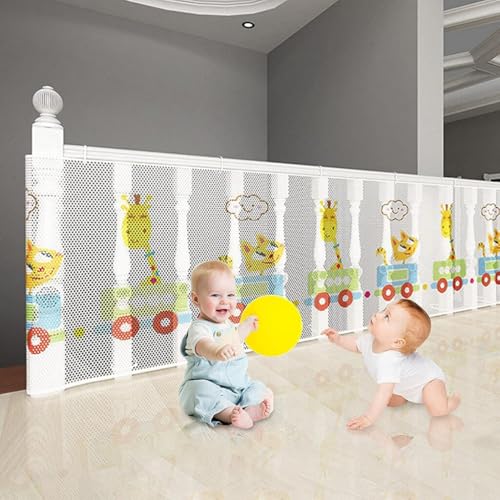
Kiddale Baby Balcony Safety Net with Rust-Resistant Hardware
- ✓ 12 ft × 6 ft pre-measured
- ✓ Stainless-steel fasteners for coastal humidity
- ✓ Easy renter-friendly installation
* We earn a small commission — at no extra cost to you.
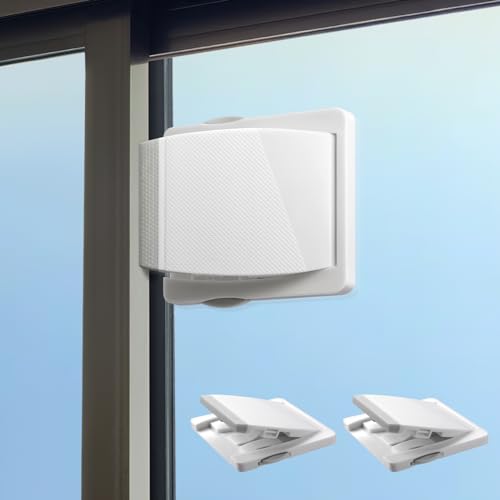
Safety 1st Sliding Door Lock for Balcony Doors
- ✓ Prevents full-door opening
- ✓ No-tool installation
- ✓ Fits standard apartment glass doors
* We earn a small commission — at no extra cost to you.
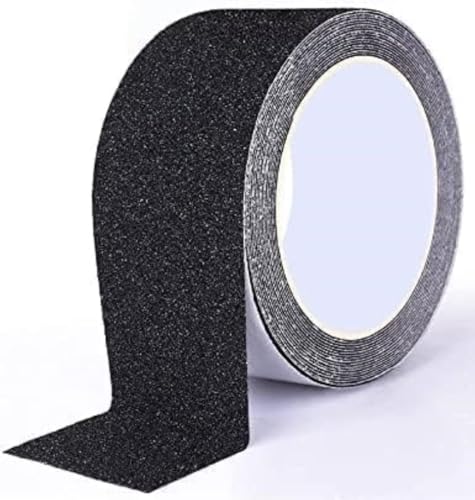
Non-Slip Adhesive Safety Strips for Wet Floors (Pack of 10)
- ✓ Waterproof adhesive backing
- ✓ Yellow/black warning stripes
- ✓ Reusable for up to 6 months
* We earn a small commission — at no extra cost to you.
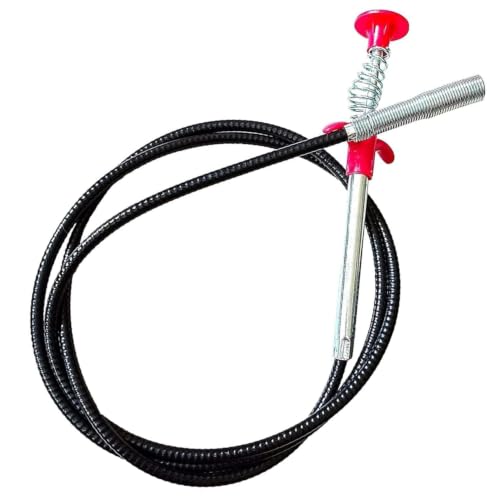
Drain Snake and Cleaning Tool for Balcony Blockage (15 inches)
- ✓ Flexible stainless-steel coil
- ✓ Grabs leaves and debris
- ✓ Easy to clean and store
* We earn a small commission — at no extra cost to you.
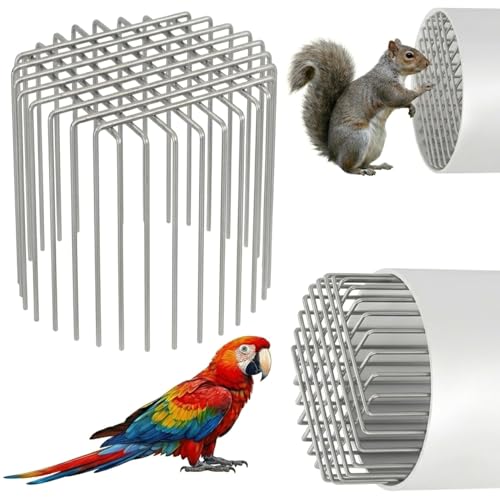
Heavy-Duty Drain Gutter Guard Mesh for Balconies
- ✓ Fits standard 3–4 inch drains
- ✓ Stainless steel construction
- ✓ Prevents leaf and debris clogging
* We earn a small commission — at no extra cost to you.