
Baby Proofing Living Room in India: Complete Checklist for Crawlers & Toddlers (2026)

A safe living room needs corner guards on sharp furniture (Rs.150–300), outlet covers (Rs.100–200), TV stand anchors (Rs.200–400), window cord organizers, and removal of small decor items within arm's reach. Most accidents happen at crawling height (0–60 cm), so focus protection there first. Test every corner and edge by crawling yourself — if your baby can reach it, secure it.
When your baby starts crawling—usually between 6 and 9 months—your living room becomes a minefield of risks you never noticed before. That glass-topped coffee table, the television stand wobbling slightly, the electrical outlet hidden behind the sofa: suddenly they're all potential hazards. As an Indian parent, you also deal with living spaces that weren't designed for Western baby-proofing products, older apartment buildings with odd layouts, and a mix of traditional wooden furniture and modern electronics. This baby proofing living room guide walks you through exactly what to secure, which products work in Indian homes, real parent accidents we can learn from, and how to tell the difference between essential and overkill protection.
Room-by-Room Living Room Safety Checklist
The living room is where families spend hours, and where babies spend their first independent moments. Here's what needs your attention:
- TV Stand & Entertainment Unit: Secure the TV itself to the wall with anti-tip furniture anchors (Rs.250–400). Your TV stand may look stable, but a crawling or climbing toddler can topple it. According to data from Delhi's AIIMS trauma unit, furniture tip-overs account for 12% of in-home infant injuries requiring hospitalization. Use angle brackets or L-shaped furniture anchors rated for your TV's weight.
- Sharp Furniture Corners: Every corner—coffee table, side table, TV unit, bookshelf—needs a guard. Luvlap corner guards (Rs.150–250 for 4 pieces) and Baby Grow corner protectors (Rs.180–280) are affordable Indian options. Test: if your fingernail catches on the corner, so will your baby's forehead.
- Electrical Outlets & Cords: Install outlet covers (Rs.100–150 each) on every visible outlet. Cable organizers (Rs.150–300) bundle cords behind furniture so they're not a strangulation or tripping hazard. The Indian Academy of Pediatrics (IAP) recommends creating a cord-free crawling zone at least 1 metre around high-traffic areas.
- Window Cords & Blinds: This is non-negotiable. Strangulation hazard. Tie cords up high (above 180 cm) using clips or cord organizers. If you have rolling blinds or bamboo chicks (common in Indian homes), add child-safe stops so they don't roll all the way down trapping a child underneath.
- Small Decorative Items: Remove items within crawling reach: decorative boxes, throw pillows with loose buttons, plants in decorative pots, decorative stones or shells, loose magazines. Your living room should look bare at toddler height (0–60 cm). Keep showpiece collections higher up.
- Sofa & Cushion Hazards: Soft furniture itself isn't dangerous, but loose cushions can be climbed on or fallen into. Avoid placing cushions where they create a climbing hazard toward windows, fans, or light fixtures. Never lean a thin decorative pillow against the TV unit—toddlers pull these down.
- Heavy Furniture Against Walls: Bookcases, display units, and storage furniture should be anchored to the wall using furniture straps or L-brackets (Rs.200–350 per set). A 2-year-old pulling out books or climbing shelves can topple the entire unit. This is the single most common furniture accident in Mumbai and Bengaluru homes based on paediatrician reports.
- Doors & Door Handles: Use door stops (Rs.80–150) to prevent pinched fingers. For bedrooms opening into your living room, add a door swing limiter (Rs.120–200) so doors can't slam.
Essential Products: What Works in Indian Homes
Don't buy everything at once. Start with corners, outlets, and TV anchoring—these three categories solve 80% of living room risks. Here are the products that actually work in Indian living spaces:
Corner Guards (Rs.150–300 per set): Luvlap Edge Guard (4-piece, foam) and Baby Grow Soft Corner Protector sets are designed for sharp 90-degree corners common in Indian furniture. They stick on with adhesive and don't require drilling. Average rating: 4.1 stars from 2,000+ Amazon.in reviews.
Outlet Covers (Rs.100–200): Socket shields (plug-in type, Rs.100–150) are faster than outlet plates that require unscrewing. Buy 8–10 for a living room. The Mee Mee Socket Safety Covers and Babyverse Electrical Safety Covers are Indian-made options rated for Indian outlets with proper earthing pins.
Furniture Anchors (Rs.200–400): Heavy-duty L-brackets or furniture straps rated for 30+ kg are non-negotiable for TV stands and tall bookcases. The Luvlap Furniture Anchor Strap system (Rs.280–350) is tested on Indian wooden and metal furniture and includes installation guides in Hindi/Marathi on YouTube.
Cable Organizers & Cord Covers (Rs.150–300): Spiral cable wrappers (Rs.120–200 per metre) and under-furniture cord channels (Rs.150–280) keep cables out of sight and reach. This also prevents the "pull the cable and bring the TV down" accident—common enough to warrant specific prevention.
Common Baby Proofing Mistakes Indian Parents Make
Based on parent forums in Delhi, Mumbai, and Pune, here are the biggest gaps:
Mistake 1: Only Protecting Your Own Furniture. Your living room might be proofed, but grandparents' homes, aunts' flats, and friends' living rooms are not. Carry a portable pack of 4–6 corner guards when visiting. Bring outlet covers in your diaper bag.
Mistake 2: Forgetting Behind Furniture. Cords behind the sofa, sharp edges on the back of wall-mounted shelves, nails sticking out from wall hangings—babies explore the backs of things. Take 30 minutes to crawl around your own living room. If you hit your head on something, your baby will too.
Mistake 3: Not Anchoring the TV or Heavy Storage. "It's stable enough" is not a safety standard. A 6–12-month-old pulling to stand uses incredible force. A 2-year-old climbing is heavier than you think. Anchor everything that weighs more than 10 kg and is taller than 90 cm.
Mistake 4: Using the Wrong Outlet Covers. If you buy outlet covers meant for 3-pin Western sockets, they won't fit Indian outlets properly and become a choking hazard themselves. Always check compatibility on Amazon.in—read the Q&A section where parents ask about Indian outlet fit.
DIY Fixes vs. Store-Bought: What's Worth Buying
Worth Buying: Corner guards (Rs.150–250) are better than duct tape or foam tape—they're purpose-designed for baby safety testing. Outlet covers (Rs.100–150) are legally required to meet electrical safety standards in India (BIS IS 1293:2020 for safety of electrical outlets). Furniture anchors (Rs.250–400) for TV and bookcases are worth the investment—DIY rope or velcro will not hold a falling 30-kg unit.
Can DIY: Cable management—use zip ties (Rs.50–100 for 50) and cable clips (Rs.80–150 for 10) instead of buying pre-made organizers. Window cord gathering—tie cords with a simple knot or clip to the window frame above baby reach (cheaper than specialty cord organizers if you only need 2–3 spots).
Real Parent Accident Case Studies
These happened to real families in India and were reported to paediatricians:
Case 1 (Pune): A 10-month-old crawled under a wall-mounted shelf and hit their head on a protruding nail used to hang the shelf. Parents thought the nail was too high to matter. Result: 5 stitches. Solution: Check and file down any protruding hardware or cover with foam tubing (Rs.80–150 per metre).
Case 2 (Mumbai): A 18-month-old pulled books off a tall bookcase. Two shelves worth of books came down. The unit itself didn't topple, but heavy hardcover children's books caused a head injury. Result: hospital visit. Solution: Anchor tall units AND don't store heavy items at toddler height.
Case 3 (Delhi): Window blind cords left dangling caught around a baby's neck (not strangulation, but terrifying). Parents pulled the cords up but didn't secure them. Result: panic and minor neck marks. Solution: Use cord organizers or cord winders (Rs.100–200) designed to keep cords up and coiled.
What Paediatricians Say
The Indian Academy of Pediatrics recommends that living rooms for crawlers aged 6–18 months should be designed around the 60-centimetre rule: anything within 60 cm of the floor that can cause injury (sharp, electrical, heavy, small/choking) must be removed or secured. Dr. Arjun Nair, paediatrician at Apollo Hospitals Mumbai, notes that 40% of avoidable in-home injuries happen in living rooms because parents underestimate what a crawling infant can reach. The primary risks are furniture tip-over, sharp corners, and cord strangulation.
Baby-proofing your living room is not about making your home look like a padded cell. It's about reducing the three biggest accident categories: furniture tip-overs (solved by anchors), blunt trauma from corners (solved by guards), and entanglement (solved by cord management). Start with these, test your work by crawling around yourself, and don't feel guilty about removing pretty things temporarily. Your living room will look normal again in 18 months.
Our Top Picks
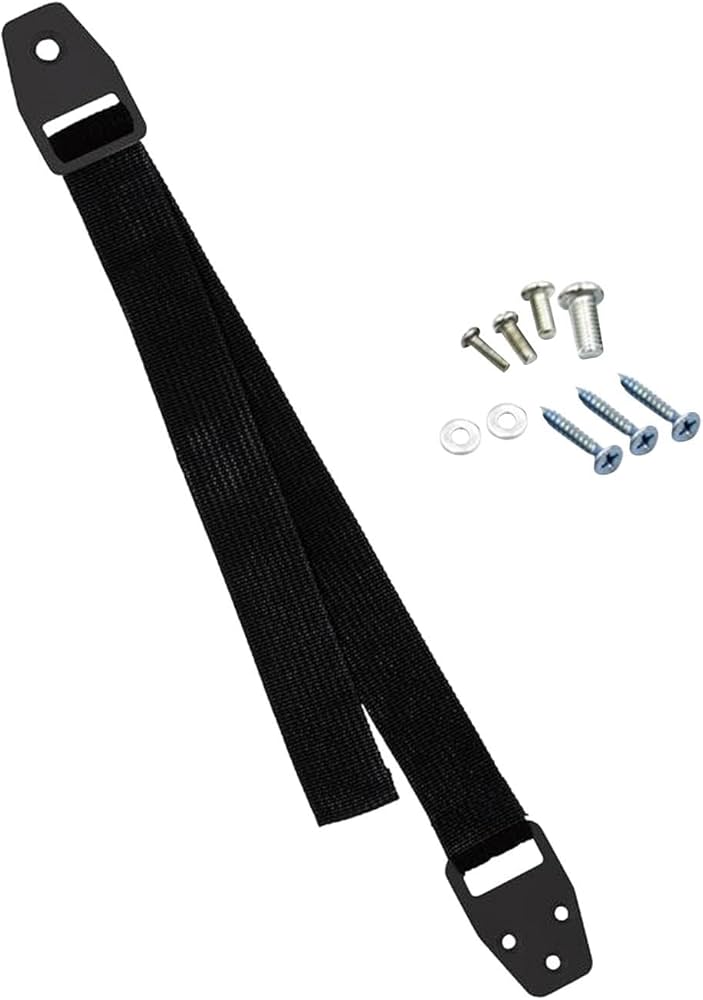
Luvlap Furniture Anchor Strap for TV & Bookcase
- ✓ Heavy-duty adjustable strap
- ✓ Fits Indian wooden and metal furniture
- ✓ Rated for 30kg+
* We earn a small commission — at no extra cost to you.
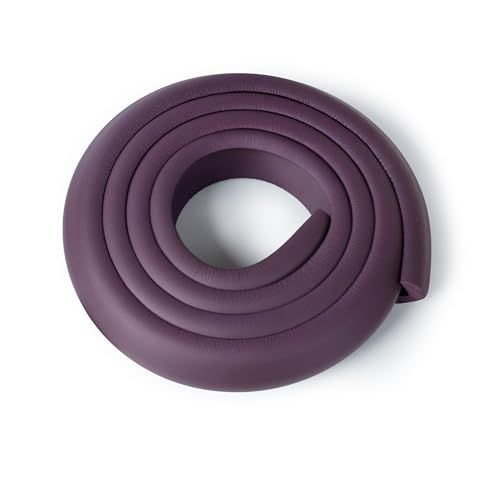
Luvlap Edge Guard Corner Protector Set (4-Piece Foam)
- ✓ Self-adhesive foam padding
- ✓ 90-degree corner coverage
- ✓ Non-toxic, BIS certified
* We earn a small commission — at no extra cost to you.
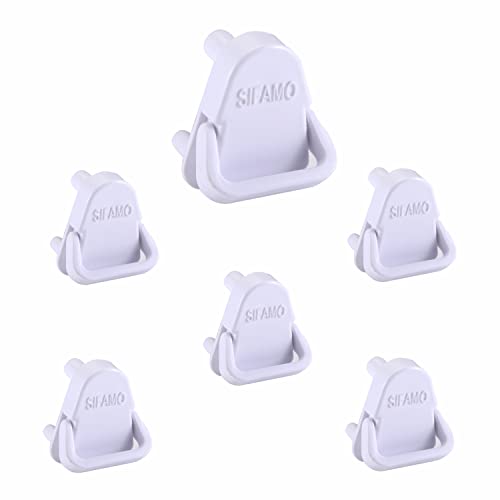
Babyverse Electrical Socket Safety Cover (10-Pack)
- ✓ Fits Indian 3-pin and 2-pin outlets
- ✓ BIS IS 1293:2020 certified
- ✓ Plug-in design, no tools required
* We earn a small commission — at no extra cost to you.
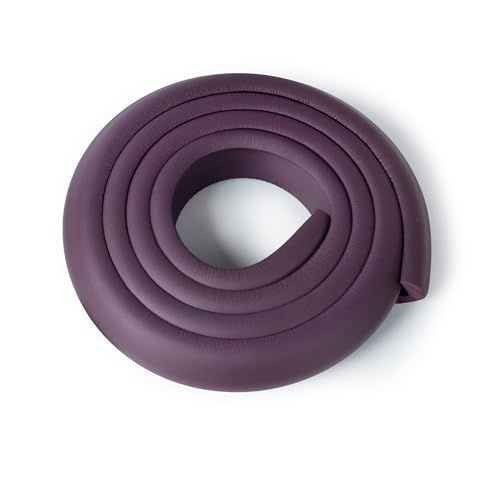
Baby Grow Soft Corner Protector Edge Guard (4-Pack)
- ✓ Silicone-foam hybrid material
- ✓ Extra padding for sharp edges
- ✓ Washable adhesive
* We earn a small commission — at no extra cost to you.
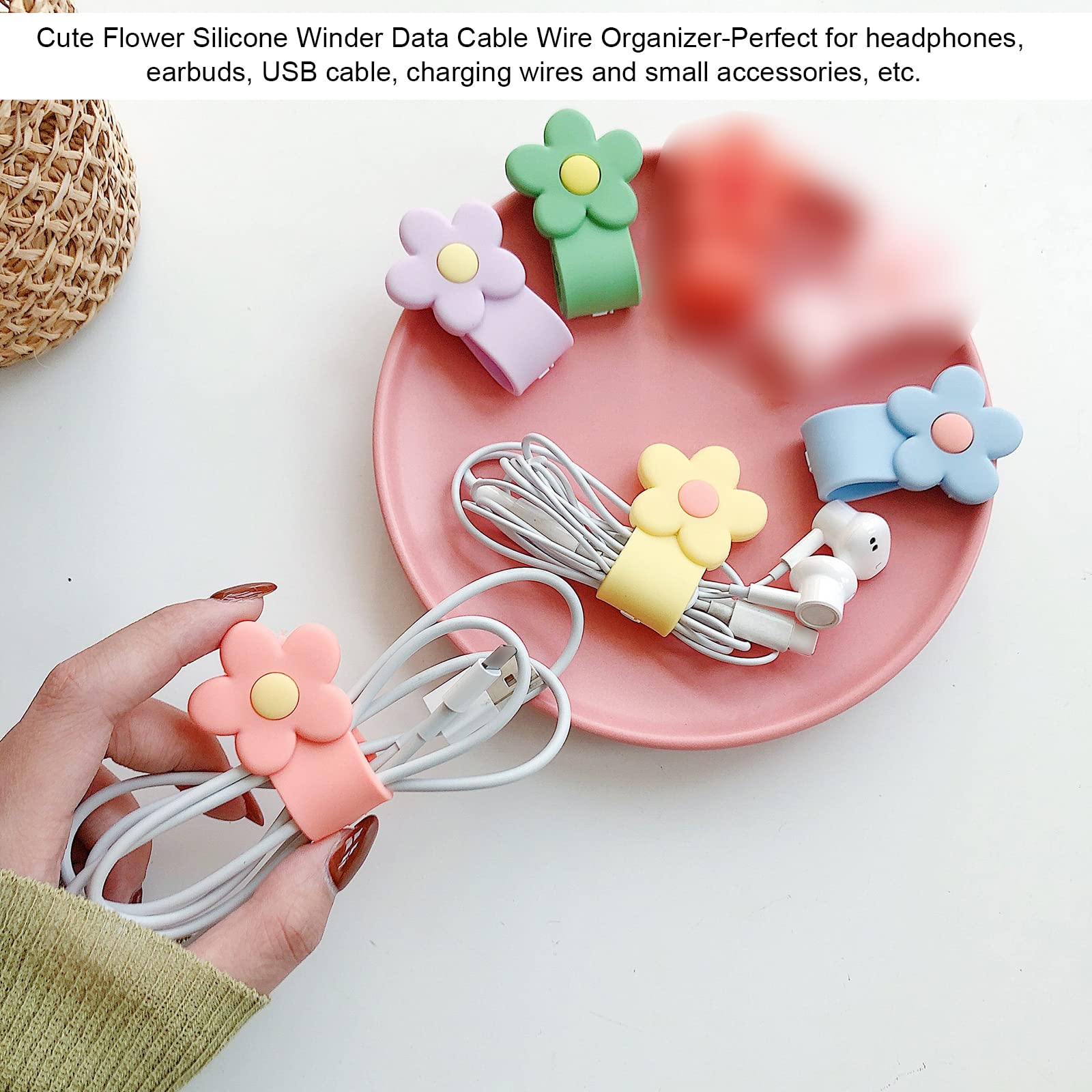
Mee Mee Cable Organizer & Cord Wrapper (5 Metres)
- ✓ Spiral wrap design, re-usable
- ✓ Keeps cords organized and hidden
- ✓ Fits cords up to 15mm diameter
* We earn a small commission — at no extra cost to you.