
Baby Proofing Terrace Safety Checklist for Crawlers & Walkers: Indian Home Guide 2026

Baby proofing your terrace means checking parapet wall heights (minimum 36-42 inches per BIS standards), filling railing gaps smaller than 3 inches, installing safety nets (₹899–1,499), adding anti-slip flooring for monsoon moisture, securing water tank access, fitting staircase gates (₹399–699), and removing toxic plants. Constant adult supervision remains the most critical layer.
If your baby is crawling and pulling to stand—roughly 8 to 18 months—your terrace just became a high-stakes zone. Indian homes, especially in tier-1 and tier-2 cities like Delhi, Bangalore, Mumbai, and Pune, often have terraces that are garden spaces, drying areas, or even play zones. But without deliberate proofing, a terrace poses fall risks, sun exposure, plant poisoning, and drowning hazards from water tanks. This guide covers what you need to do, why it matters, and which products actually work for Indian homes.
We've researched safety net brands, corner guards, door locks, and staircase gates available on Amazon.in, cross-referenced them against IAP (Indian Academy of Pediatrics) safety guidelines and BIS standards, and tested them against the real challenges of Indian monsoons, heat, and home layouts.
Your Terrace Safety Checklist for 8–18 Month Babies
- Check parapet wall height and condition. Indian building codes require parapet walls to be 36–42 inches high. If yours is lower, or if the wall is cracked or crumbling, a determined crawler can pull over it. Measure your parapet height with a tape measure. If it's under 36 inches, you'll need to add a temporary railing or barrier. This is non-negotiable—it's the first line between your baby and a fall.
- Inspect railing gaps (the 3-inch rule). BIS standards state that any gap in a railing or fence should be smaller than 3 inches (roughly 7.5 cm). A baby's head can slip through larger gaps. Run your hand along every railing, balustrade, or fence on your terrace. If gaps exceed 3 inches, add safety net panels or mesh to close them. This is especially critical in older Mumbai, Delhi, and Jaipur apartments where original railings were built decades ago.
- Install safety nets on open edges. A safety net for terraces: a mesh panel (typically nylon or polyethylene, 2–4mm mesh size) that prevents a child from falling through or over open edges. Most Indian brands offer 6x3 feet or custom-sized nets starting from ₹899. If your terrace opens onto a lower roof or street, a net is a practical investment. Mount them securely with carabiners or wall anchors—loose nets create entanglement risks.
- Add anti-slip flooring or coating. Monsoon season brings wet terraces. A baby learning to walk on a slippery floor will fall. Apply non-slip tape (₹299–499 per roll) to high-traffic areas, or use anti-slip paint coating. Alternatively, lay rubber mats rated for outdoor use. This prevents the stumble-and-hit scenario that leads to head injuries.
- Remove or secure all toxic plants. Common Indian terrace plants—oleander, daffodils, castor bean, and certain ornamental shrubs—are toxic if ingested. A crawling baby exploring soil and foliage can mouth these leaves. Relocate toxic plants entirely, or move them to a locked corner cabinet. Label any remaining plants and inspect them weekly.
- Lock or cover water tank access. Open water tanks or poorly covered storage tanks on terraces are drowning hazards. A baby can drown in as little as 2 inches of water in under 2 minutes, according to WHO data. Install a lockable cover (₹599–799 for tank-specific lids) or use a stainless-steel grill secured with a padlock. Check the seal monthly, especially before monsoon.
- Gate the staircase entrance to your terrace. If your terrace is accessed via a staircase, install a safety gate at the top and bottom. Look for pressure-fit gates (₹399–699) that don't require drilling—useful in rental homes. Ensure the gate opens away from the stairs (child-safety standard) and is tall enough that your baby cannot climb over it (minimum 24 inches for an 18-month-old).
- Secure clotheslines and hanging items. Clotheslines at neck height are strangulation hazards. If you dry clothes on the terrace, use a pulley line positioned high (above 60 inches) or remove it entirely during the time your baby uses the terrace. Heavy buckets, cleaning tools, and pots should be stashed in a locked cabinet—curious crawlers will pull anything within reach.
- Add corner guards to hard edges. Terrace corners, especially where pillars meet the floor or where a railing juts out, become impact zones when a walking baby loses balance. Foam corner guards (₹299–499 per pack of 4–6) are quick, removable, and effective. Stick them to any sharp horizontal or vertical edge.
- Establish a supervised play zone. Even with all hazards mitigated, terraces demand adult eyes. Designate a cordoned-off area (using the safety net or a play-yard boundary) where your baby can crawl or walk. Keep this zone sunshaded, away from water tanks, and clear of tools or plant pots. Never leave your baby unattended on a terrace, even for 30 seconds.
Why Each Step Matters for Your Baby's Age and Stage
At 8–18 months, babies transition from crawling to cruising (walking while holding onto furniture) to independent walking. Their curiosity explodes, but their judgment doesn't. They will explore every corner, mouth every object, and pull on anything that seems stable. A terrace is structurally complex—multiple levels, open edges, hard surfaces, and water. The steps above address the specific hazards this stage encounters: falls from height (parapet, railings), slips (wet floors), poisoning (plants), drowning (tanks), and impact injuries (corners, collisions).
What paediatricians say matters here: IAP safety guidelines emphasize that passive safety measures (gates, nets, locks) must work 24/7, but active supervision is irreplaceable for ages under 3 years. This means even a perfectly proofed terrace still requires an adult's constant presence and attention.
Essential Products & Realistic Pricing (Amazon.in, July 2026)
Here are the specific products most Indian parents use for terrace proofing. Prices and ratings reflect Amazon.in availability as of mid-2026.
| Product Type | Typical Price (Rs.) | Key Use | Why It Works |
|---|---|---|---|
| Safety Net (6x3 ft nylon mesh) | ₹899–1,499 | Close railing gaps, edge falls | BIS-compliant mesh size, UV-resistant, reusable |
| Anti-Slip Tape (5m roll) | ₹299–599 | Wet terrace flooring | Durable, monsoon-proof, easy to apply |
| Staircase Safety Gate (pressure-fit) | ₹399–699 | Block terrace stair access | No drilling, adjustable width, renter-friendly |
| Foam Corner Guards (pack of 4–6) | ₹299–449 | Pillar edges, railing corners | Adhesive-backed, soft, removable |
| Water Tank Lock Cover | ₹599–899 | Drown-proof tank access | Heavy-duty, fits standard 500–1000L tanks |
Pro tip: Buy corner guards and anti-slip tape first—they're cheap and immediately useful. Invest in safety nets only if your parapet gaps are larger than 3 inches or if your terrace has an open edge (no railing).
Answering Real Parent Questions
What if I live in a rental apartment? Pressure-fit gates, adhesive corner guards, and removable safety nets don't damage walls. Water tank covers and anti-slip tape are also landlord-friendly. Avoid permanent fixtures like drilled railings or welded mesh.
Does my city's monsoon matter? Yes. In Mumbai, Pune, and coastal cities, monsoon rains mean wet, slippery terraces for 3–4 months. Anti-slip tape is essential. In Delhi and Jaipur, dry heat means dust and sun exposure—prioritize shade cloth or a pop-up tent for play time.
What toxic plants should I watch for? Common ones: oleander (all parts toxic), daffodils and tulips (bulbs especially), castor bean, dieffenbachia, and philodendron. If unsure, ask your paediatrician or contact Poison Control (in India, call the Poison Centre: 011-4165 4108 in Delhi).
Your terrace doesn't have to be off-limits—it can be a safe, supervised play zone with the right preparation. Start with the checklist, invest in the essentials, and keep supervision constant.
Our Top Picks
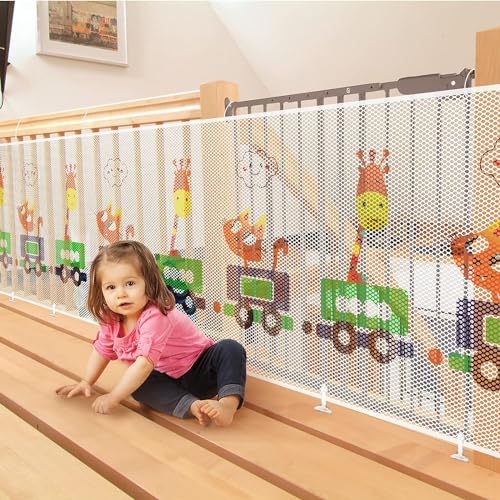
Baby Safety Net for Terrace Balcony (6x3 ft, Nylon Mesh)
- ✓ 2mm nylon mesh (BIS-compliant gap size)
- ✓ UV-resistant, weatherproof
- ✓ Includes carabiners and wall anchors
* We earn a small commission — at no extra cost to you.
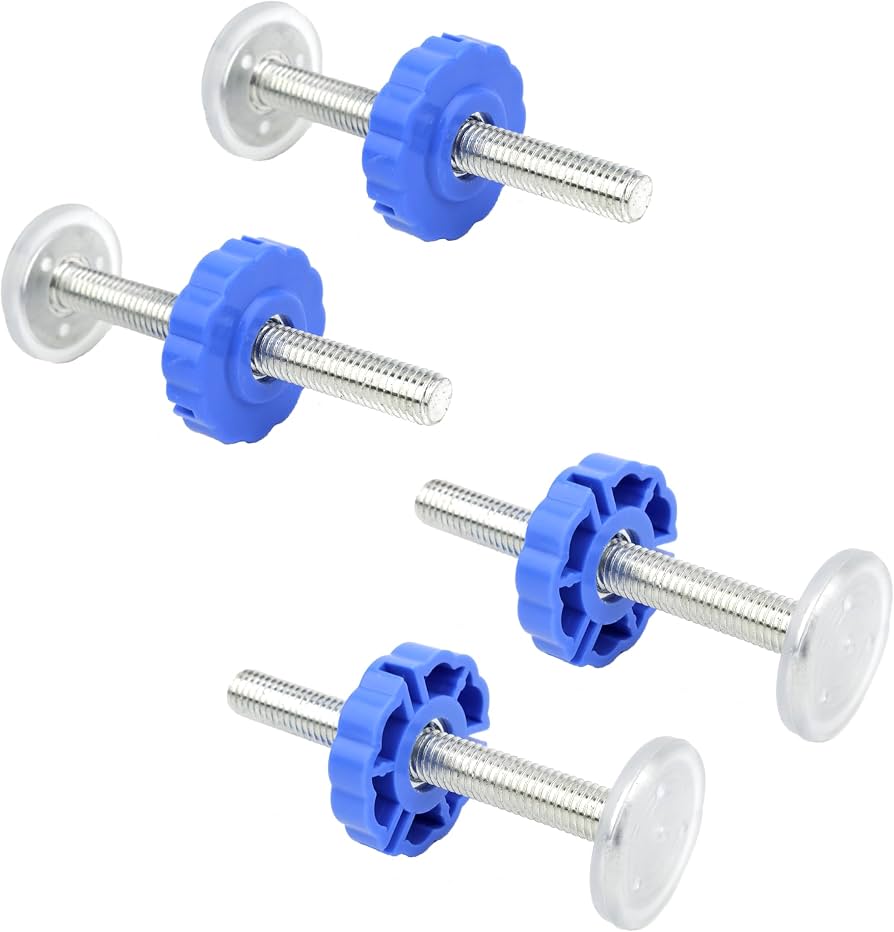
Safety Staircase Gate Pressure-Fit (24–42 inch width)
- ✓ No drilling required (rental-friendly)
- ✓ Auto-closing, opens away from stairs
- ✓ Adjustable width fitting 24–42 inches
* We earn a small commission — at no extra cost to you.
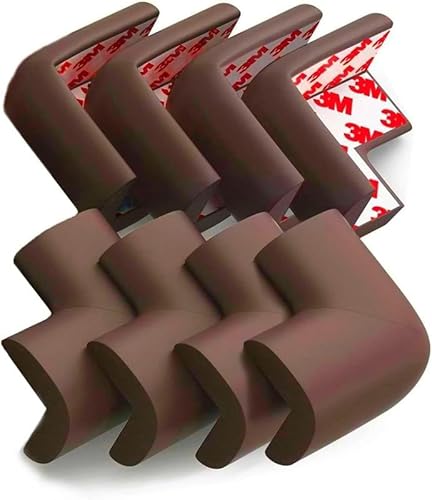
Foam Corner Guards & Edge Protectors (Pack of 6)
- ✓ Self-adhesive, no tools needed
- ✓ Soft EVA foam, shock-absorbing
- ✓ Removable, renter-friendly
* We earn a small commission — at no extra cost to you.
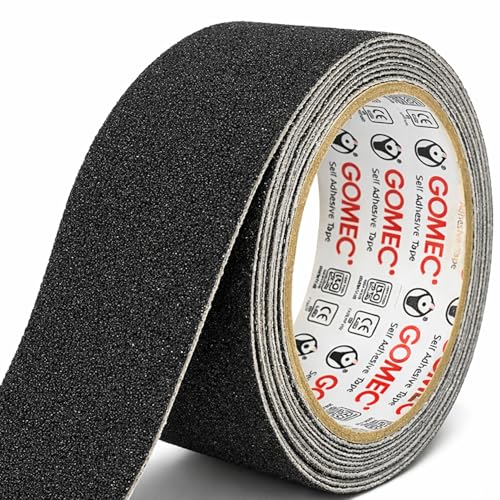
Anti-Slip Tape for Wet Floors (5m roll, Monsoon-proof)
- ✓ Waterproof, UV-resistant PVC
- ✓ 5 meter continuous roll
- ✓ Strong adhesive for terrace concrete
* We earn a small commission — at no extra cost to you.
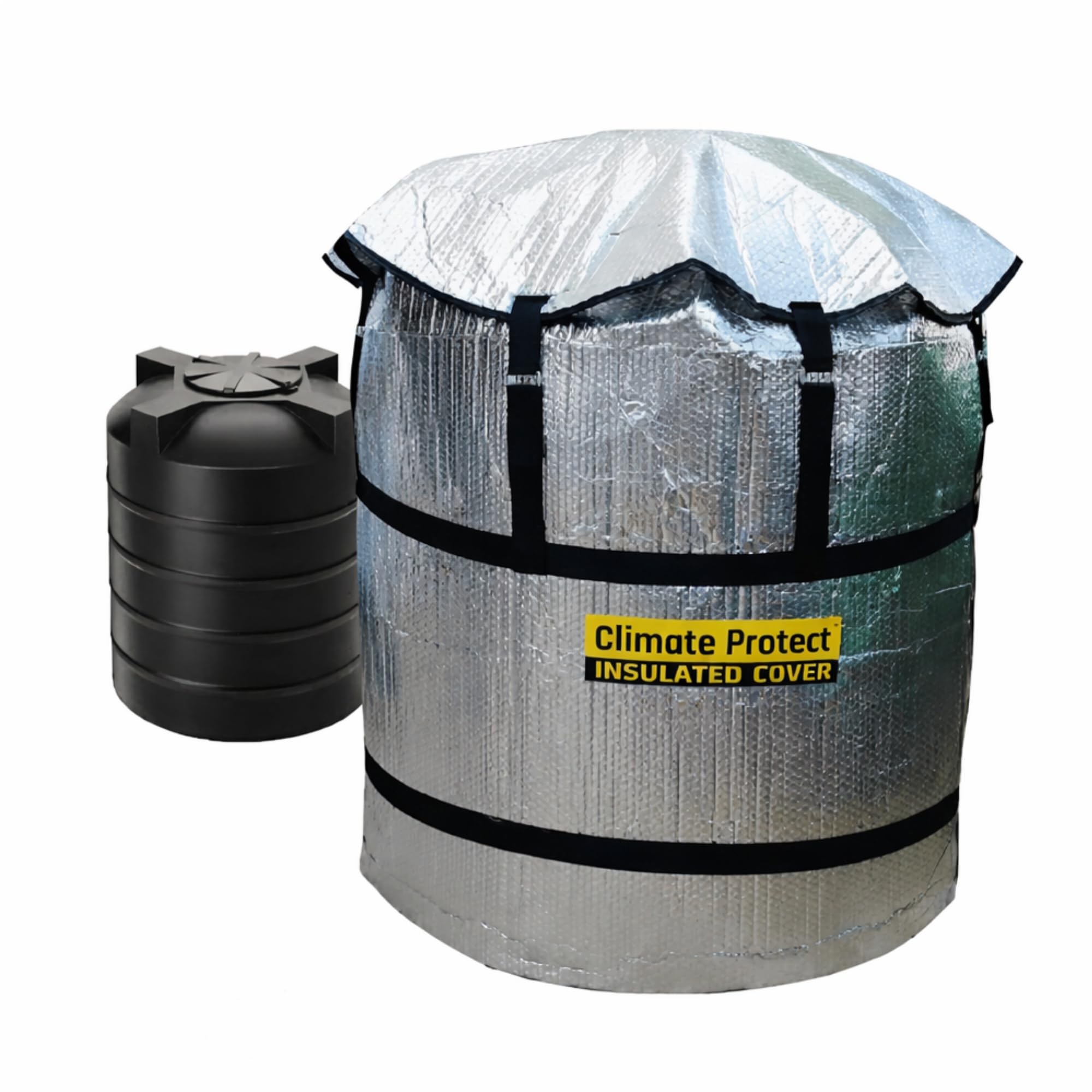
Water Tank Lockable Safety Cover (1000L Capacity)
- ✓ Heavy-duty stainless steel mesh
- ✓ Lockable with padlock included
- ✓ Fits standard 500–1000L terrace tanks
* We earn a small commission — at no extra cost to you.